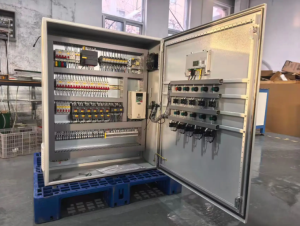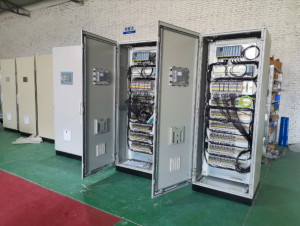
.Whether for home lawns, residential landscape greening, or large-scale farm cultivation, a reliable irrigation system is essential for plant care and stable crop yields. As the central hub of sprinkler and irrigation systems, the irrigation control box provides equipment protection, program control, zone management, and fault protection.
1. What is an Irrigation Control Box?
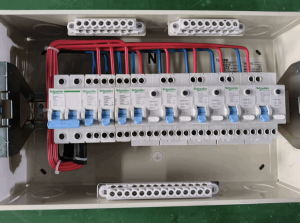
The irrigation control box is a key component of modern precision agriculture. It is mainly used for automatic control and management of farm irrigation systems. Its basic functions include well pump start-stop control, scheduled irrigation, pressure monitoring, and fault alarm. Integrated with sensors and controllers, it enables intelligent regulation of irrigation processes. The equipment is typically made of waterproof and corrosion-resistant materials to withstand harsh outdoor conditions and ensure long-term stable operation.
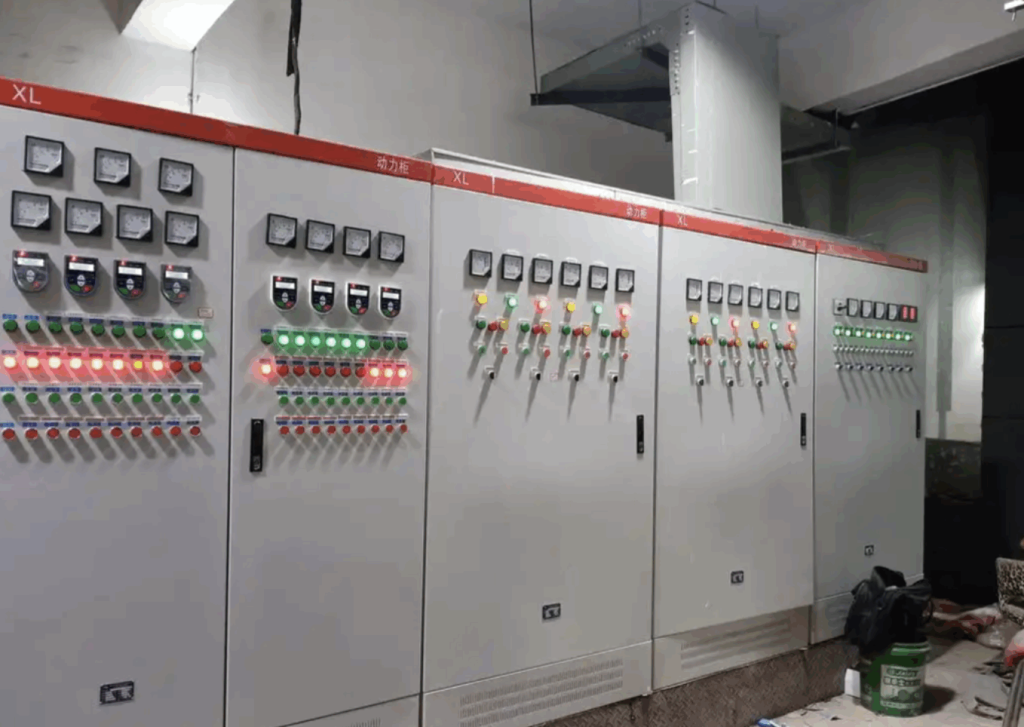
2. Working Principle of Irrigation Control Box
The core function of an irrigation control box is to open or close the solenoid valves at preset times or cycles, thereby turning water flow in irrigation pipelines on and off. Its working principle can be broken down into three stages:
- The timing logic unit generates control signals according to irrigation schedules set by users.
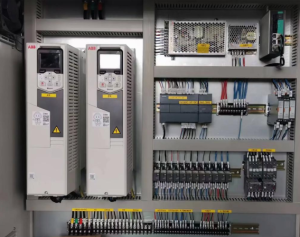
- The drive circuit converts low-voltage direct current (12V DC) into operating current required to activate solenoid valves.
- Solenoid valves act to switch the water passage between open and closed states.
3. Types of Irrigation Control Boxes
By Control Function
- Traditional Manual Irrigation Control Box: Features basic timing and manual zone switches. Easy to operate and cost-effective with no network dependency and high stability. Suitable for small yards and simple landscaping with limited budgets. It only supports local manual operation and basic scheduled irrigation.
- Smart WiFi Irrigation Control Box: The mainstream modern model. It supports remote operation via mobile APP or web cloud platform, real-time status monitoring, and modification of irrigation plans. It comes with weather-adaptive functions: irrigation automatically pauses on rainy days and extends in dry conditions. Some models support offline operation and can store over 72 hours of operating data locally, ideal for large green areas, farm fields, and unattended sites.
By Installation Method
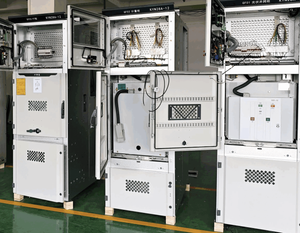
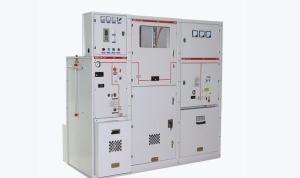
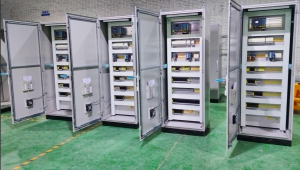
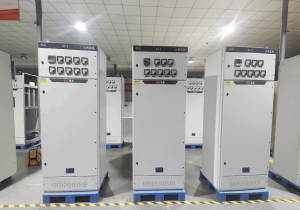
- Outdoor Floor-standing Waterproof Control Box: Installed on the ground. Excellent waterproof and sun-resistant performance, easy access for maintenance. Suitable for parks, farms and open outdoor sites under complex environmental conditions.
- Buried Irrigation Control Box: Installed underground. It saves ground space with an inconspicuous appearance, perfect for lawns and landscape greening. However, it requires superior water-tight sealing, and regular inspection is needed to prevent water accumulation and leakage.
- Indoor Wall-mounted Control Box: Designed for indoor machine rooms or sheltered areas. Lower protection rating and cannot be directly exposed to rain and strong sunlight. Commonly used for commercial supporting irrigation systems.
By Zone Capacity
Common models are available in 4-zone, 8-zone and 12-zone versions. The zone number indicates the independent irrigation areas it can manage.
- 4-zone: Small private yards and lawns
- 8-zone: Medium and small orchards and parks
- 12-zone and above: Large residential communities, municipal greening and large-scale farm irrigation
4. Irrigation Control Box Installation Guidelines
Site Selection Criteria
- Select well-ventilated and relatively high ground. Avoid low-lying areas prone to standing water to prevent submergence by rainwater or groundwater.
- Keep away from heavy tree shade and wall corners to ensure ventilation and heat dissipation, while leaving easy access for maintenance and opening the box.
- Avoid direct exposure to extreme sunlight and heavy rain. A protective awning can be installed in harsh environments to slow casing aging.
- Place the unit close to water and power supplies to shorten wiring and piping lengths and reduce failure risks.
Installation and Opening Procedures
- Site leveling: Level the ground according to box dimensions. For buried units, reserve proper drainage slope to prevent internal water buildup.
- Box fixing: Secure floor-standing boxes on the ground. For buried models, backfill and compact soil around the casing to keep it stable without shaking.
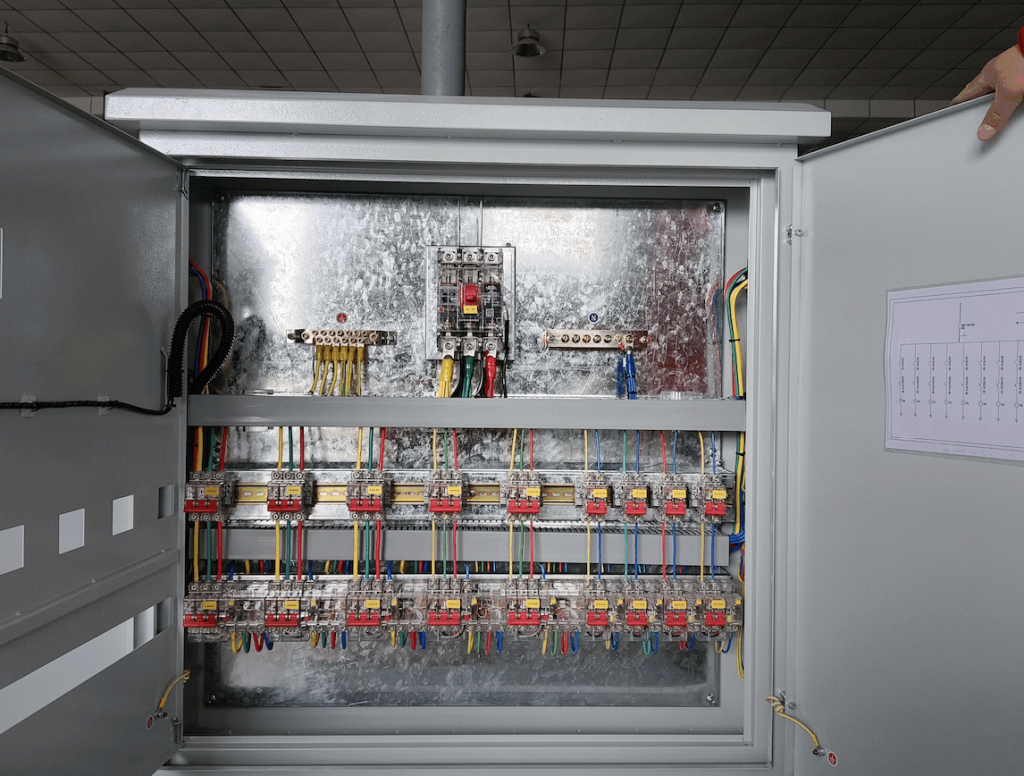
- Cable and pipe routing: Arrange power cables and signal wires properly. Apply waterproof sealing at all joints to stop water seepage and electric leakage.
- Power-on commissioning: Conduct power test after wiring. Verify zone control, timing functions and signal connection.
- Safe opening: Gently release box latches during maintenance. Do not force the casing to avoid damage. Fasten and seal the box tightly after inspection to maintain waterproof performance.
Frequently Asked Questions
Is a smart irrigation control box worth buying?
Yes. Compared with manual models, smart versions adapt automatically to weather, support remote management and precision water saving, greatly cutting labor requirements. In the long run, they reduce water and labor costs, especially for large irrigation areas and unattended scenarios. Home users with sufficient budgets can also choose smart units for greater convenience.
What is the typical service life of an irrigation control box?
Outdoor dedicated boxes last 5 to 8 years with regular maintenance. High-grade industrial units can serve over 10 years with proper care. Buried boxes have a shorter service life due to humid surroundings and require frequent drainage and moisture protection.
Can I install an irrigation control box myself?
Small residential models support DIY installation following site selection and wiring instructions. Large commercial and multi-zone farm systems involve multi-circuit coordination and pipeline commissioning. Professional installation is recommended to avoid wiring errors and seal failures.
How to fix frequent water leakage in buried control boxes?
First adjust the installation slope for unobstructed drainage. Replace aged sealing strips and inspect door tightness. Clear standing water around the box before rainy seasons. Drill drainage holes at the bottom if necessary to resolve water accumulation fundamentally.
Conclusion
The irrigation control box serves as the core component of any automated irrigation system. Its selection, installation and maintenance directly affect irrigation performance, equipment lifespan and operation costs. Manual control boxes are a cost-effective choice for simple small-scale applications. Smart irrigation control boxes, featuring remote management, adaptive water saving, fault protection and offline operation, have become the preferred solution for landscape and agricultural irrigation.