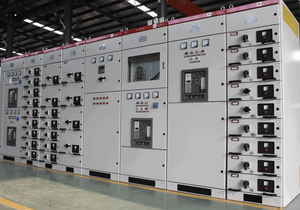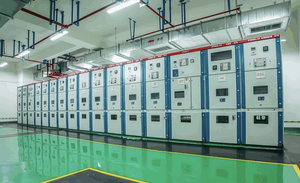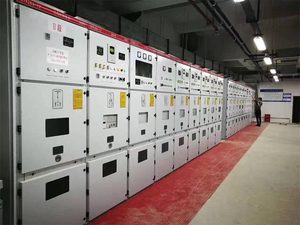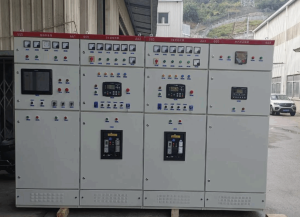
For domestic deep well water supply and small farm irrigation systems, submersible well pumps serve as the core water intake equipment. The well pump control box acts as the central control and protection unit of the entire water supply system — essentially the “smart brain” of deep-well submersible pumps.
1. What Is a Well Pump Control Box?
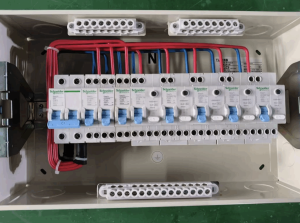
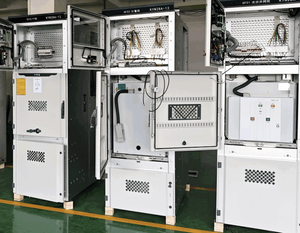
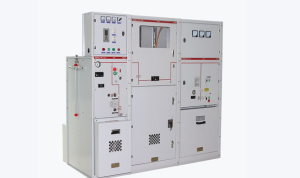
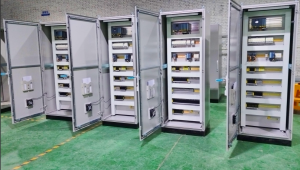
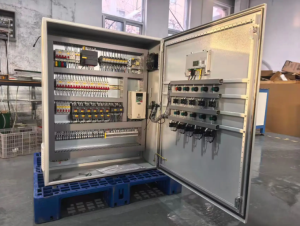
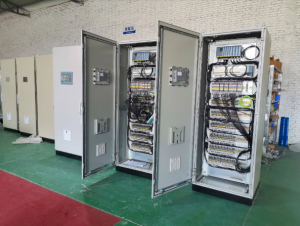
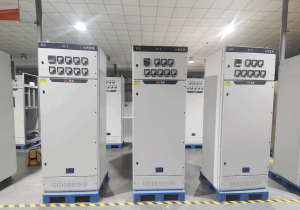
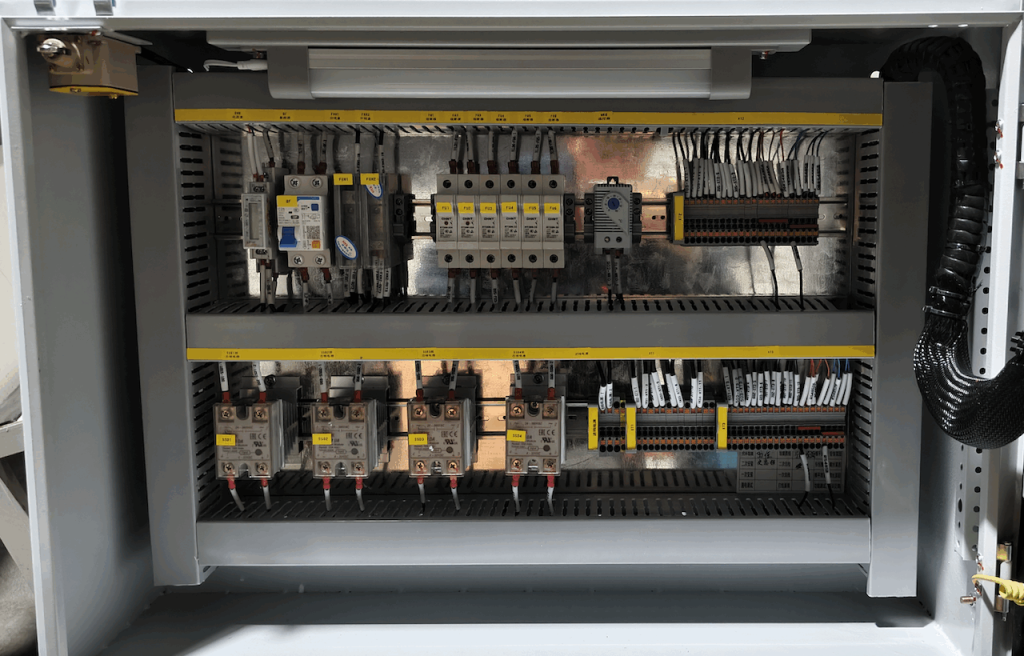
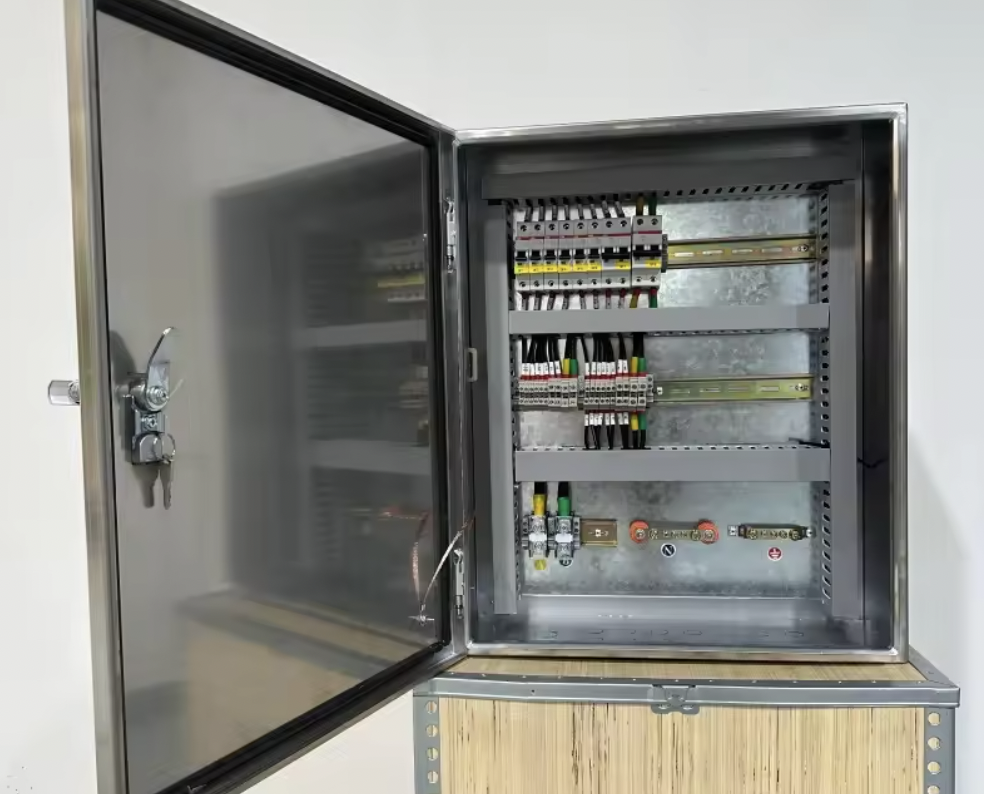
A well pump control box is a dedicated electrical enclosure paired with well pump assemblies. It integrates start-stop operation, motor protection, automatic logic control and signal feedback. It supports single-pump, duty/standby and multi-pump coordinated operation. Available in two form factors: compact wall-mounted cabinets and floor-standing control panels. It is a key electrical component for water supply and drainage, fire protection, sewage treatment and circulating water systems.
2. Components of a Well Pump Control Box
- Main power distribution: Circuit breakers, AC contactors, thermal relays
- Protection assemblies: Phase loss protectors, earth leakage protectors, surge lightning protectors
- Operation panel: Start/stop pushbuttons, manual/automatic selector switch, running/fault indicator lights, emergency stop button
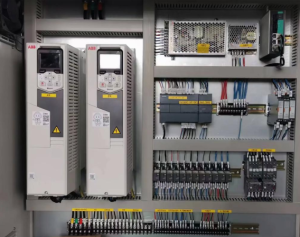
- Optional automatic control accessories: Variable frequency drives (VFDs), PLCs, timing relays, float level switches, pressure transmitters, temperature control modules
- Expansion modules: Dual power transfer switches, 4G remote monitoring modules, cabinet dehumidification heaters
3. Core Functions of the Well Pump Control Box
The well pump control box primarily handles pump start/stop control and equipment safety protection. Through its electrical control unit, users can implement remote pump control, such as setting start-stop schedules and adjusting pump speed. Meanwhile, built-in protection devices cut off power immediately when pump abnormalities occur to prevent pump damage. It also provides multiple protection features including overcurrent, overvoltage and undervoltage protection to ensure stable operation of the well pump system.
4. Working Principle of the Well Pump Control Box
4.1 Power Input
External power enters the control box through the power inlet circuit to supply power to the whole unit. The power inlet section includes power terminals, fuses and thermal protectors to guarantee safe and reliable power supply.
4.2 Pump Start and Stop
Pump startup and shutdown are managed by contactors or relays. Operators can trigger pump start or stop via physical buttons or remote signals. Upon startup, contactors/relays close the main circuit to energize the pump. In stop mode, the main circuit opens to shut down the pump.
4.3 Operation Monitoring
The control box monitors pump operating conditions in real time. Integrated sensors including current sensors, voltage sensors and pressure sensors continuously measure pump current, voltage, pipeline pressure and other parameters, feeding data back to the onboard microprocessor. The microprocessor compares readings against preset thresholds to determine normal or abnormal pump status.
4.4 Fault Protection
When faults are detected, the control box automatically disconnects power and triggers alarms. Key fault protections cover overload, short circuit and undervoltage conditions. Overload protection cuts power during motor overload to avoid pump burnout; short-circuit protection isolates faulty circuits; undervoltage protection prevents failed startup caused by insufficient supply voltage.
4.5 Alarm Notification
Audible and visual alerts activate when faults or anomalies arise. Alarms use buzzers and indicator lights configurable per user requirements. Timely alerts allow operators to troubleshoot quickly, extending equipment service life and improving operational safety.
4.6 Manual and Automatic Modes
Two operating modes are available. In automatic mode, the control box runs the pump automatically following preset programs and parameters. Manual mode lets users start or stop the pump manually via buttons or remote signals, mainly used for commissioning, maintenance or emergency operation.
4.7 Energy-Saving Control
The control box optimizes pump operating status and power consumption based on real water demand. This energy-saving function relies mainly on VFDs, which adjust motor speed and power output dynamically to reduce energy consumption and operating costs. VFD operation also extends pump service life and improves overall equipment efficiency.
5. Application Scenarios
Well pump control boxes are widely deployed in diverse pumping systems, including domestic water supply, fire protection systems, HVAC circulating water and industrial water supply. Custom configurations such as remote monitoring and intelligent control can be implemented for different applications to boost automation and operational efficiency.
6. Do I Need a Well Pump Control Box?
6.1 Scenarios Requiring a Control Box
All 3-wire single-phase deep-well submersible pumps must use a dedicated control box, the most common pump type for residential deep wells. These pumps have no built-in control or protection modules and fully depend on the external control box for start-stop regulation and electrical safety. Without it, safe operation is impossible. Common power ratings include 1/2HP, 1HP and 2HP for household use and small-scale irrigation.
6.2 Scenarios Where a Separate Control Box Is Unnecessary
2-wire deep-well submersible pumps, surface self-priming pumps and shallow well pumps do not require an external control box. These pumps come factory-fitted with integrated control and overload protection modules. Only a pressure switch is needed to achieve basic automatic start-stop operation, with no extra external control hardware required.
Frequently Asked Questions
Q1: Can a well pump run without a control box?
A 3-wire submersible pump can be temporarily powered on without a control box, but it loses all electrical protection. This greatly raises risks of motor burnout, short circuits and electric leakage, posing serious safety hazards and shortening pump service life. Long-term operation without protection is not recommended.
Q2: What is the difference between a control box and a pressure switch?
A pressure switch monitors pipeline water pressure and sends signals to trigger pump start or stop. The control box executes those start-stop commands, protects electrical hardware and stabilizes operating conditions. The two work complementarily and cannot replace each other; both are core components of an automated water supply system.
Q3: How often should I replace a well pump control box?
For standard indoor household installations, replacement is recommended every 5–8 years. For humid outdoor environments or high-frequency operation, the service life shortens to 3–5 years. Early replacement is needed if protection fails, frequent malfunctions occur or wiring suffers severe aging.
Conclusion
A well pump control box is an indispensable accessory for 3-wire deep-well submersible pumps. Unlike simple pressure switches, it delivers both automated control and comprehensive electrical protection. It is critical to guarantee stable operation of domestic and small irrigation deep-well water supply systems.