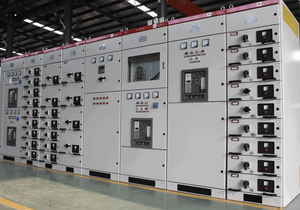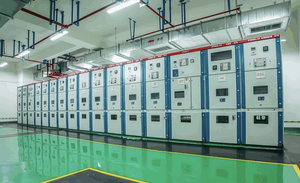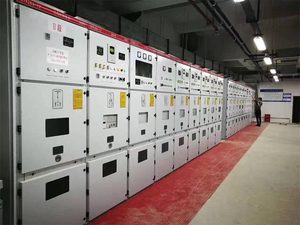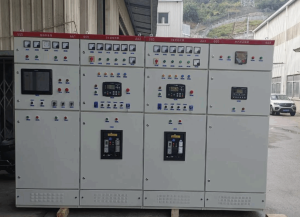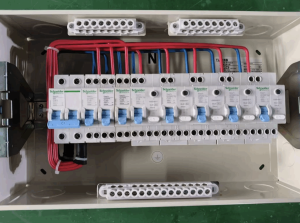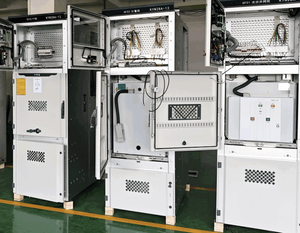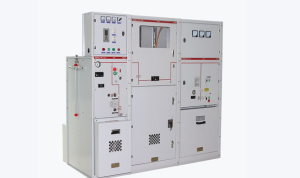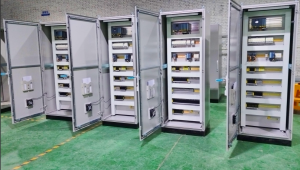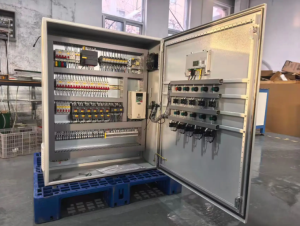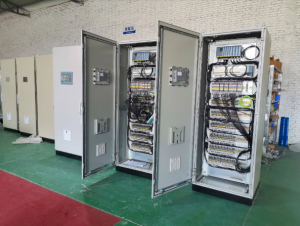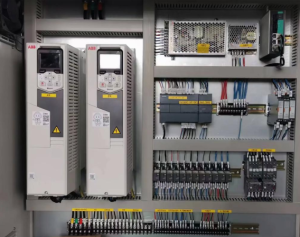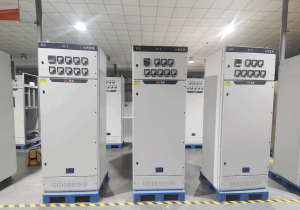
Switchgear serves as core equipment for industrial plants, commercial buildings, substations and various power distribution systems. It undertakes power distribution, circuit control and fault protection. Its stable operation directly determines the safety and continuity of the entire power distribution system. During long-term operation, switchgear is vulnerable to dust accumulation, ambient humidity, loose connections, insulation aging, mechanical wear and other issues. These problems may trigger equipment overheating, accidental tripping, arc flash, even short circuits and fires, leading to unplanned downtime, equipment damage and severe personal injury.
Systematic and standardized switchgear maintenance is the core measure to avoid electrical hazards, extend equipment service life, cut operational costs and meet industrial compliance standards. Combining differentiated maintenance requirements for low-voltage and medium-voltage switchgear, this article elaborates standardized maintenance procedures.
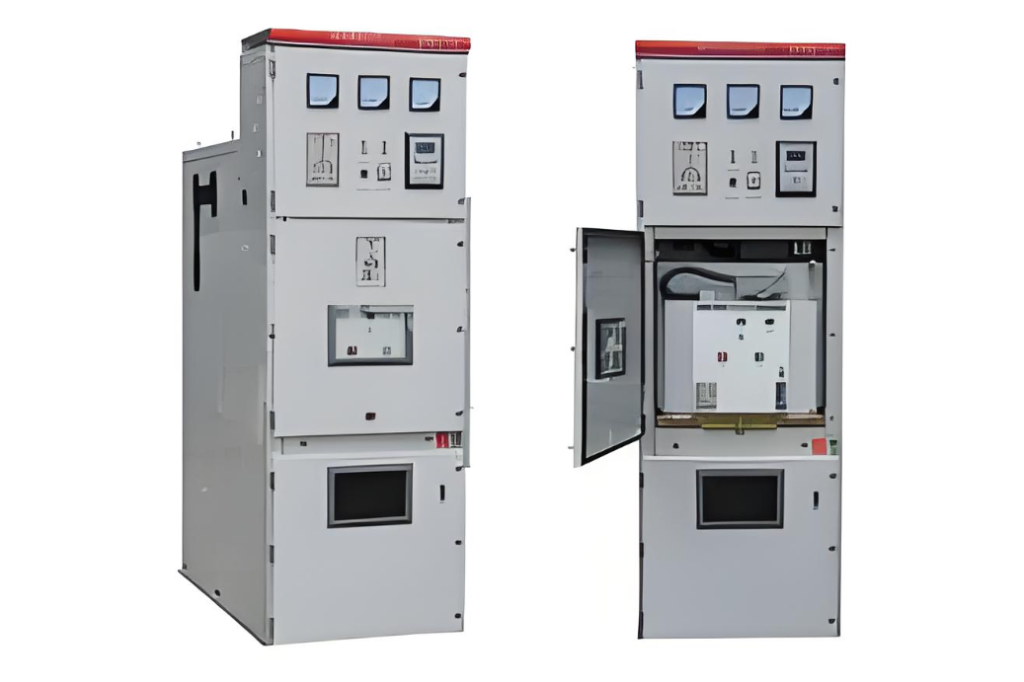
1. Types of Switchgear Maintenance
Based on maintenance objectives, implementation timing and technical approaches, switchgear maintenance falls into three categories: preventive maintenance, predictive maintenance and corrective maintenance. Combined deployment of the three types helps build a full-lifecycle, comprehensive equipment maintenance system.
Preventive Maintenance (Scheduled Maintenance)
It is the most widely adopted basic maintenance method in industrial scenarios. Centered on fixed cycles, it carries out regular inspections, cleaning, tightening, calibration, testing and other servicing activities to eliminate potential faults proactively. Standardized and easy to implement, it applies to all low-voltage and medium-voltage switchgear. Its primary goal is to reduce equipment failure rates from the source and ensure stable operation.
Predictive Maintenance (Intelligent Maintenance)
As a high-precision modern maintenance method, it relies on intelligent devices such as infrared thermal imagers and online monitoring systems to collect real-time data including switchgear temperature, insulation performance, operating current and mechanical status. Potential hidden faults can be predicted through trend analysis of operating data. Compared with conventional scheduled maintenance, predictive maintenance enables precise identification of latent defects and avoids excessive or insufficient maintenance. It is suitable for large substations and high-end industrial facilities requiring high-precision maintenance.
Corrective Maintenance (Fault Repair Maintenance)
It is a reactive maintenance mode implemented after equipment failures occur, including contact replacement, insulation restoration, circuit rectification, mechanical mechanism commissioning and other targeted repairs. It only serves as a remedial measure after faults and cannot prevent risks in advance. It must be used together with preventive and predictive maintenance to restore equipment to normal operating status.
2. Differentiated Maintenance Solutions for Low-Voltage and Medium-Voltage Switchgear
Low-voltage and medium-voltage switchgear differ greatly in operating voltage, equipment structure, safety risks and technical criteria. Maintenance priorities and operating specifications cannot be generalized, and differentiated maintenance must be carried out accordingly.
2.1 Low-Voltage Switchgear Maintenance Solution
Low-voltage switchgear is commonly deployed for terminal power distribution in factories and commercial buildings. It features lower voltage levels and relatively controllable safety risks. Maintenance focuses on routine cleaning, visual inspection and basic function testing.
Daily maintenance mainly checks cabinet integrity, instrument accuracy, operating status of contactors and circuit breakers. Technicians shall remove dust inside cabinets, control moisture, tighten loose terminals and troubleshoot aging or poorly connected circuits. Meanwhile, operators shall test circuit breaker switching functions and overload protection performance to guarantee sensitive and reliable terminal protection and stable operation of low-voltage distribution circuits.
2.2 Medium-Voltage Switchgear Maintenance Solution
Medium-voltage switchgear is widely used in substations and industrial high-voltage power distribution systems. Higher voltage brings significant arc flash risks and severe consequences upon failure. Strict safety restrictions and special standards apply to maintenance operations. Complete power isolation must be implemented before maintenance; live work is strictly prohibited.
Maintenance priorities include special inspections for vacuum circuit breakers, relay protection devices, busbar systems and earthing devices. Operators must verify the equipment’s five-prevention interlock functions to avoid misoperation such as erroneous switching of circuit breakers, disconnecting/connecting disconnectors under load, and closing earthing switches on live circuits. Regular tests including insulation resistance measurement, loop resistance testing and AC withstand voltage tests shall be performed to identify high-risk hazards such as insulation aging, contact overheating and mechanical jamming.
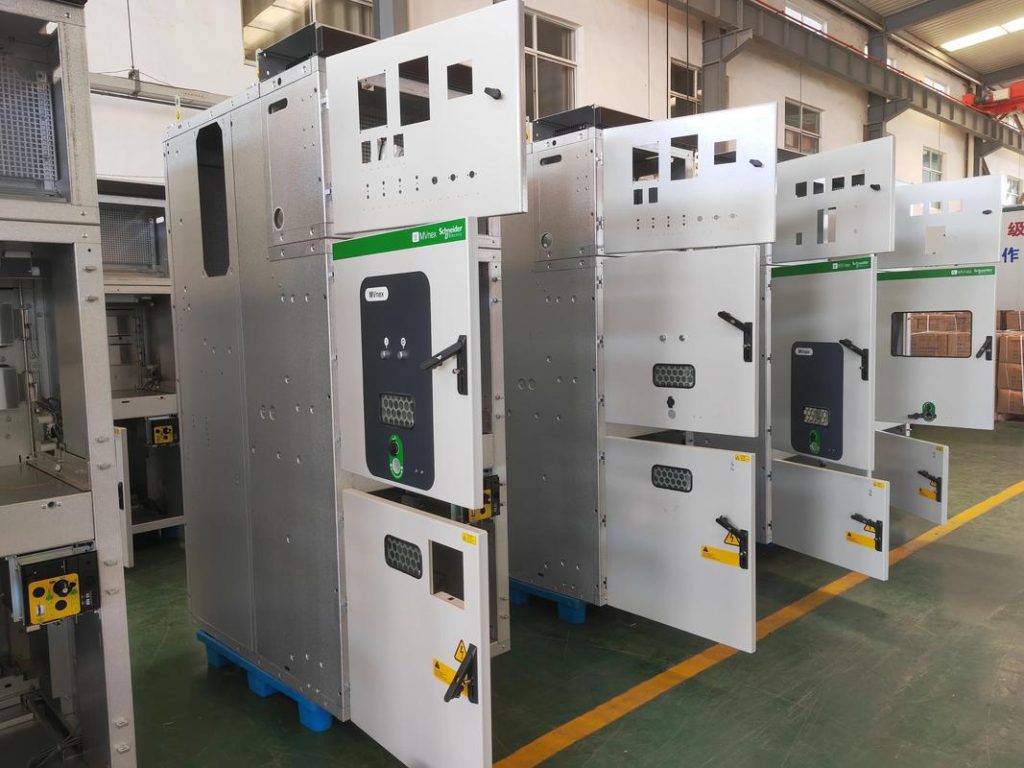
3. Standard Switchgear Maintenance Procedures
Step 1: Pre-maintenance Safety Preparation
Safety is the top priority for switchgear maintenance. Before operation, cut off all power supply to the equipment and strictly implement Lockout/Tagout (LOTO) procedures. The switchgear shall be fully de-energized, voltage-tested and earthed, and warning isolation zones shall be set up on site. Technicians must wear complete insulating protective equipment and arc flash protective gear, and verify insulating integrity of maintenance tools. Live work and operation without proper protection are forbidden.
Step 2: Comprehensive Visual Inspection
Check cabinet enclosures for deformation, corrosion and damage. Inspect internal insulators and bushings for cracks, tracking and aging. Examine terminals and busbar joints for oxidation, discoloration and overheating burn marks. Ensure no debris, accumulated water or heavy dust inside the cabinet. Confirm meters, indicator lights and control buttons work normally, with no abnormal noise or odour.
Step 3: Equipment Cleaning and Component Lubrication
Use lint-free cloths and professional dust removal tools to clear dust, oil stains and moisture on equipment and cabinet surfaces and keep the interior dry and clean. Apply special lubricant to movable mechanical parts including circuit breaker trucks and disconnector operating mechanisms to ensure flexible racking, closing and opening without jamming. Excess grease shall be wiped off to prevent dust adhesion.
Step 4: Terminal Tightening and Equipment Calibration
Fully tighten all primary and secondary circuit terminals to eliminate loose connections. Calibrate protective relays, measuring instruments and control switches accurately. Verify protection parameters and operating settings comply with equipment operating standards to ensure precise signal transmission and protection action.
Step 5: Professional Performance Testing
Carry out professional electrical tests after basic servicing, including insulation resistance test, loop resistance test, AC withstand voltage test, switching operation test and protection interlock test. Confirm that insulation performance, conductivity and protection functions meet all requirements before returning equipment to service.
Step 6: Filing of Maintenance Records
Document maintenance date, service items, test data, hidden defects, rectification results and equipment operating status to establish a complete maintenance log. Comprehensive records enable tracking of equipment operation trends and provide accurate data support for periodic maintenance, fault prediction and major overhauls in the future.
4. Switchgear Maintenance Intervals
In accordance with operating environment, load conditions and industrial maintenance specifications, switchgear adopts a tiered maintenance schedule covering monthly, quarterly and annual tasks with clear priorities to balance maintenance efficiency and equipment safety.
Monthly Routine Inspection
Focus on visual inspection and basic condition monitoring. Check cabinet appearance, instrument readings, operating noise and temperature rise. Confirm no moisture, dust accumulation or abnormal odour inside the cabinet. Verify switch position indicators match actual operating status. This inspection applies to all energized low-voltage and medium-voltage switchgear.
Quarterly Special Maintenance
Based on monthly inspections, add partial cleaning, terminal tightening, mechanical component inspection and basic function tests. Emphasize operating status of circuit breakers and contactors, remove internal dust, fasten loose wiring and test basic switching functions. Minor defects shall be identified and rectified promptly.
Annual Comprehensive Overhaul
This highest-level annual maintenance requires shutdown for thorough servicing and professional testing. Tasks include complete dust removal, full lubrication of mechanical systems, tightening of all terminals, calibration of instruments and protection devices, full set of electrical performance tests and verification of five-prevention interlock functions. For harsh operating environments with heavy dust, high humidity or continuous heavy load, inspection frequency shall be increased, with special attention paid to insulation and heat dissipation systems.
Special Maintenance Intervals for Key Components
Vacuum circuit breakers: mechanical characteristic testing every six months, in-depth insulation performance testing annually;
Busbar systems: tightness and insulation inspection every year;
Protective relays: setting verification every quarter, interlock test every year;
Frequently operated components such as contactors and operating mechanisms: dedicated servicing every 3–6 months according to operation frequency.
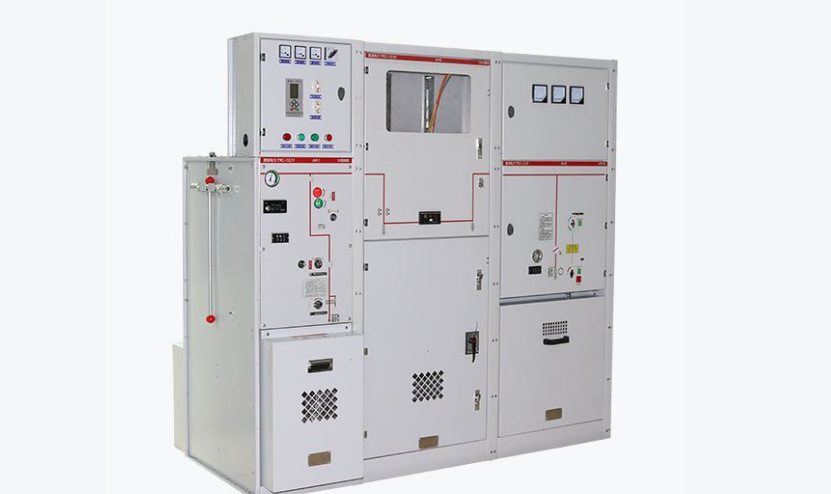
5. Common Switchgear Faults and Troubleshooting
Summarized from field maintenance experience, typical faults and corresponding solutions are listed below to quickly address abnormalities and restore normal operation.
Frequent Unwanted Tripping or Failure of Circuit Breakers to Operate
Root causes include incorrect relay protection settings, loose circuit wiring, mechanical jamming and equipment overheating.
Troubleshooting: verify protection settings, tighten secondary circuit wiring, clean and re-lubricate transmission mechanisms, measure load current, calibrate parameters and repair mechanical faults accordingly.
Overheating of Contacts and Terminals
Mainly caused by loose connections, contact oxidation, poor contact and long-term heavy load operation.
Troubleshooting: locate overheating points via infrared thermography, tighten loose terminals, polish oxidized contacts, replace aged contact components and optimize load allocation to avoid sustained overload.
Insulation Aging and Leakage Current
High humidity, dust and long-term high voltage accelerate insulation degradation and lead to decreased insulation resistance and leakage.
Troubleshooting: evaluate insulation performance via insulation resistance testing, eliminate moisture and dust inside cabinets, replace cracked, aged and tracking insulation components, and install dehumidifiers to improve internal environment.
Equipment Failures Triggered by Dust and Humidity
Dust accumulation and condensation in dusty and humid environments easily result in surface discharge, short circuits and operational failure.
Troubleshooting: conduct periodic deep cleaning, inspect cabinet sealing performance, repair damaged seals, install dustproof and dehumidifying equipment to block environmental hazards.
6. Switchgear General Maintenance Checklist
- Cabinet appearance: free of deformation, corrosion and damage; intact sealing, tight door closure and reliable earthing
- Internal environment: no dust, oil, water or sundries; dry and ventilated; no abnormal odour or noise
- Wiring system: tight primary and secondary wiring with clear cable marking; no looseness, oxidation, burning or poor contact
- Key components: circuit breakers, contactors and relays operate flexibly; accurate switching position without jamming or abnormal noise
- Insulation system: insulators and bushings free of cracks, tracking and aging; insulation test results compliant
- Instruments and protection: accurate meter readings, functional indicator lights, correct protection settings and qualified interlock tests
- Mechanical functions: smooth truck racking; functional five-prevention interlocks and reliable locking devices
- Safety configurations: intact protective baffles and isolation barriers; complete warning labels and compliant earthing systems
- Maintenance records: timely logging of inspection, servicing and test data with traceable complete logs
Frequently Asked Questions
Q1: Why is regular switchgear maintenance mandatory?
Switchgear faults are highly concealed. Lack of regular maintenance allows cumulative risks including insulation aging, loose wiring and mechanical wear, which may lead to short circuits, arc flash explosions and unplanned outages. Periodic maintenance enables early hazard identification, reduces failure risks, extends equipment service life and meets industrial compliance requirements to avoid safety and regulatory liabilities.
Q2: What special tools are required for switchgear maintenance?
Conventional tools: insulated wrenches, lint-free cleaning tools, dedicated lubricants;
Testing instruments: insulation resistance tester, loop resistance tester, infrared thermal imager, AC withstand voltage tester, relay protection tester;
Safety protective equipment: insulating gloves, insulating boots, arc flash face shield, flame-resistant workwear, LOTO lockout kits.
Q3: What risks arise from inadequate switchgear maintenance?
Insufficient maintenance may cause contact burnout, insulation breakdown and short circuits, unreliable equipment operation and arc flash incidents. These failures trigger factory power cuts and production shutdowns. In severe cases, they lead to equipment destruction, electrical fires and fatal electric shocks. Enterprises also face penalties for non-compliant maintenance, resulting in substantial economic losses and safety hazards.
Conclusion
Stable operation of switchgear is the core guarantee for power distribution safety. Standardized, periodic and refined maintenance is critical to prevent electrical accidents, sustain continuous production and reduce operational costs. Low-voltage and medium-voltage switchgear shall follow differentiated maintenance standards, implement monthly inspections, quarterly servicing and annual overhauls, and strictly comply with LOTO safety protocols and standardized operating procedures.
If you want to learn more information about switchgear, please contact FUKEN Electric. We will provide you with professional switchgear solutions.
References
- GB 26860—2011, Safety code of electric power industry — Electric part of power plants and transformer substations
- Q/GDW 1799.1-2013, Safety Code for Electric Power Work — Substation Part