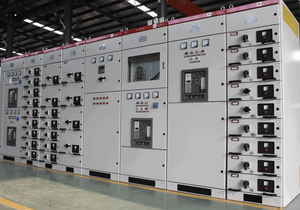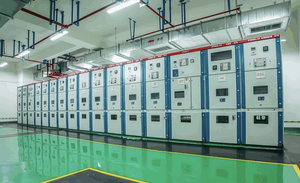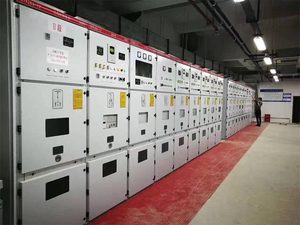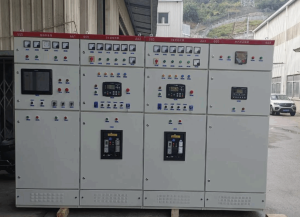
What Is a Switchgear Panel?
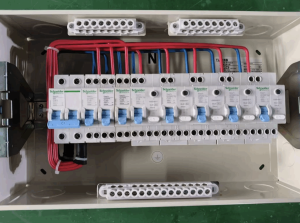
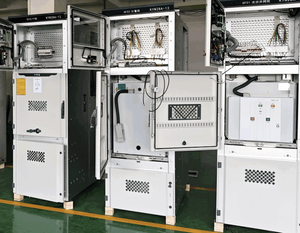
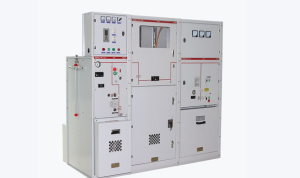
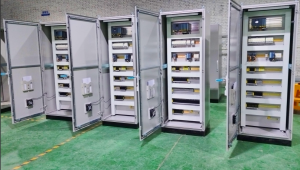
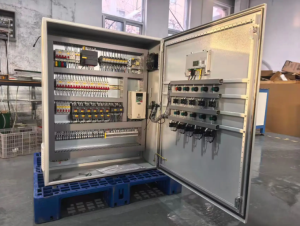
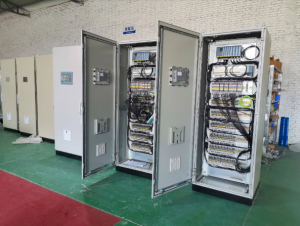
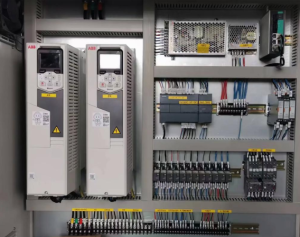
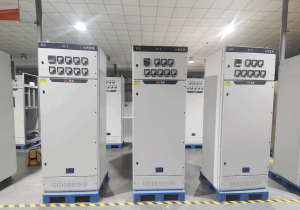
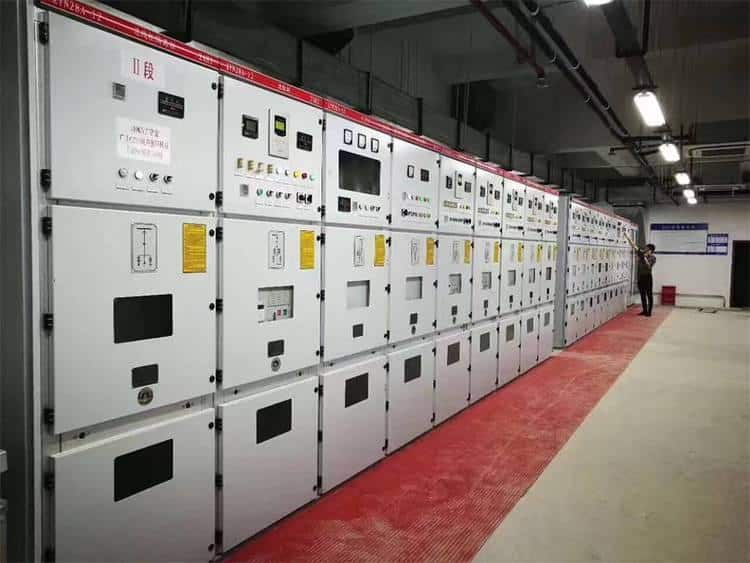
A Switchgear Panel (also known as an electrical switchgear cabinet or switchgear assembly) is an integrated electrical equipment system used for power control, protection, isolation, and distribution. It is widely used in industrial plants, substations, commercial buildings, data centers, renewable energy projects, and other power systems.
In an electrical power system, electricity must pass through multiple stages of transformation, control, and distribution before reaching end users. A Switchgear Panel integrates essential components such as:
- Circuit breakers
- Disconnect switches (isolators)
- Protection relays
- Busbar systems
- Metering devices
These components work together to ensure safe and reliable power system operation.
In simple terms, the main functions of a Switchgear Panel include:
- Controlling the switching of electrical circuits
- Protecting against short circuits and overloads
- Isolating faulty sections of the electrical system
- Ensuring the safe operation of electrical equipment
- Providing reliable power distribution
In modern industrial power systems, Switchgear Panels are one of the key components responsible for maintaining electrical safety, reliability, and operational stability.
How Does a Switchgear Panel Work?
The operation of a Switchgear Panel mainly follows the process:
Power Input → Control Equipment → Protection System → Power Distribution
A typical working process includes the following steps:
1. Power Input
Electrical power from a transformer, generator, or utility grid enters the Switchgear Panel.
The incoming section usually includes:
- Incoming Circuit Breaker
- Isolator (Disconnect Switch)
- Metering Devices
These components control and monitor the incoming power supply.
2. Electrical Power Control
Switchgear Panels use circuit breakers and switching devices to control the status of electrical circuits.
They allow operators to safely perform operations such as:
- Power shutdown for maintenance
- Circuit switching
- Load adjustment
- System operation control
3. Fault Protection
When electrical faults occur, such as:
- Short circuits
- Overloads
- Ground faults
- Abnormal current conditions
the protection relay detects the fault signal and sends a command to the circuit breaker to quickly disconnect the affected circuit.
This helps prevent:
- Equipment damage
- Fire hazards
- Large-scale power outages
4. Power Distribution Output
After protection, electrical power is distributed through the busbar system to different loads, including:
- Motors
- Lighting systems
- Industrial equipment
- Other distribution circuits
Main Types of Switchgear Panels
According to voltage levels and application requirements, Switchgear Panels can be classified into three main categories:
1. Low Voltage Switchgear Panel (LV Switchgear Panel)
Low Voltage Switchgear Panels are commonly used in:
- Manufacturing plants
- Commercial buildings
- Data centers
- Low-voltage power distribution systems
Typical Voltage Range: ≤ 1000V
Common Types:
- LV PCC Panel (Power Control Center Panel)
- MCC Panel (Motor Control Center Panel)
- Distribution Panel
Advantages:
- Flexible configuration
- Lower cost
- Wide range of applications
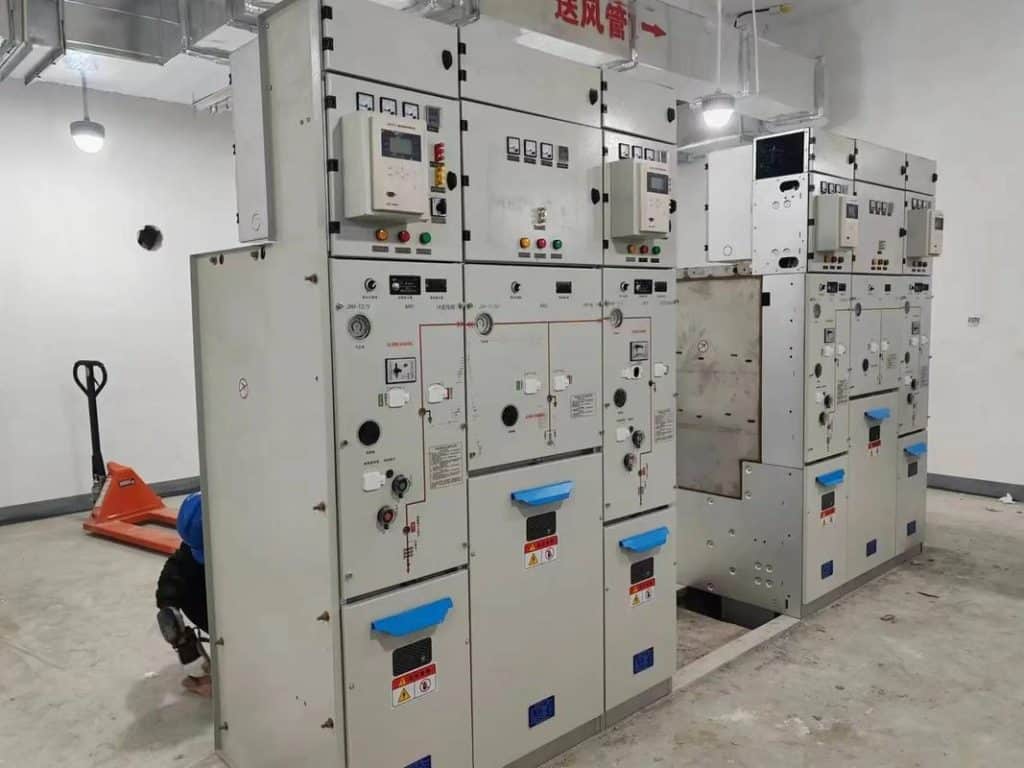
2. Medium Voltage Switchgear Panel (MV Switchgear Panel)
Medium Voltage Switchgear Panels are mainly used in industrial power systems and electrical distribution networks.
Typical Applications:
- Industrial substations
- Power distribution stations
- Large commercial facilities
Voltage Range:
Typically: 1kV–36kV
Common Components:
- Vacuum Circuit Breakers
- Ring Main Units (RMU)
- Protection Relays
Advantages:
- High reliability
- Strong protection performance
- Suitable for large power loads
3. High Voltage Switchgear Panel (HV Switchgear Panel)
High Voltage Switchgear Panels are mainly used in:
- Power transmission systems
- Power generation plants
- Large-scale substations
Key Features:
- High insulation requirements
- High safety standards
- Strong short-circuit withstand capability
HV Switchgear Panels are designed for critical power transmission and distribution applications.
How Much Does a Switchgear Panel Cost?
The price of a Switchgear Panel does not have a fixed standard. The final cost depends on multiple factors, including:
- Voltage level
- Rated current
- Cabinet structure
- Component brands
- Protection functions
- Custom design requirements
- Project specifications
The following prices are general market references:
| Type | Price Range (Reference) | Typical Applications |
|---|---|---|
| Low Voltage Switchgear Panel | Around $1,000–$10,000 per set | Factories, commercial buildings, power distribution systems |
| MCC Panel (Motor Control Center Panel) | Around $2,000–$20,000 per set | Industrial production lines and motor control applications |
| PCC Panel (Power Control Center Panel) | Around $3,000–$30,000 per set | Main power distribution systems in factories |
| Medium Voltage Switchgear Panel | Around $10,000–$100,000 per set | Substations and large industrial projects |
| High Voltage Switchgear Panel | From tens of thousands to hundreds of thousands of dollars | Power transmission systems and power plants |
The prices above are only general market estimates. The actual quotation depends on detailed technical specifications and project requirements.
Frequently Asked Questions (FAQ)
1. What is a Switchgear Panel used for?
A Switchgear Panel is used for controlling, protecting, and distributing electrical power. It is an essential component in industrial, commercial, and utility power systems.
2. What is the difference between Switchgear and Switchboard?
The main difference is the level of protection and application.
Switchgear usually provides higher protection capabilities, including:
- Fault interruption
- Equipment isolation
- Protection coordination
Switchboards are mainly used for general power distribution and switching applications.
3. How long is the service life of a Switchgear Panel?
A high-quality Switchgear Panel can typically operate for:
More than 20 years
under proper maintenance and regular inspection.