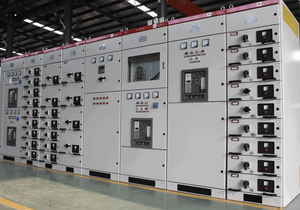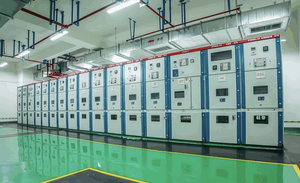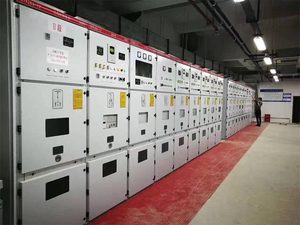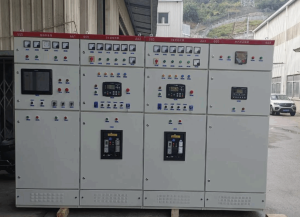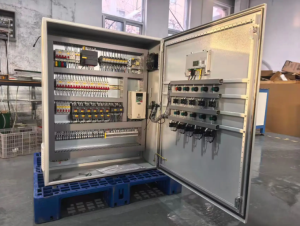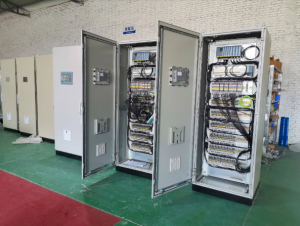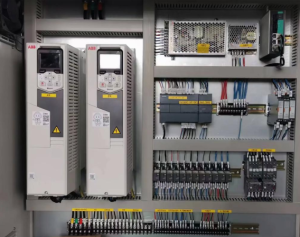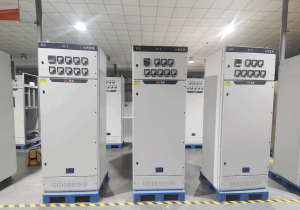
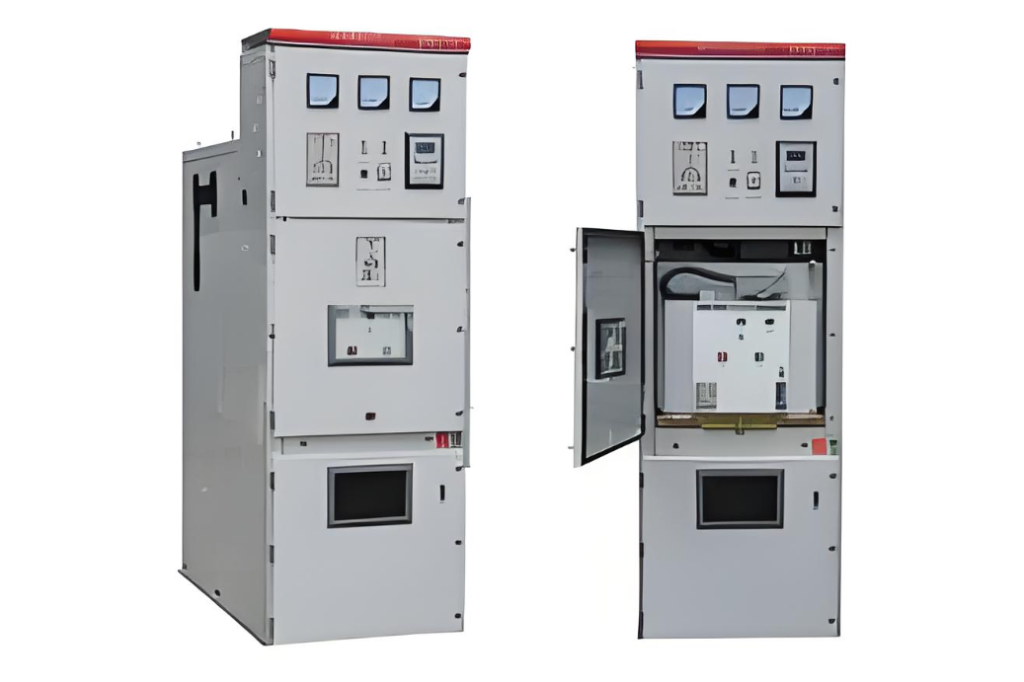
Voltage switchgear is a complete set of power distribution equipment integrated with switches, protection units, control modules, measuring instruments and isolation devices. It is mainly used to connect, break and switch electric energy, while providing protection against overload, short circuit and earth faults for power lines and electrical equipment. It is widely adopted in power grid substations, factory power distribution systems, photovoltaic and wind power stations, commercial buildings, mining projects and other power-related scenarios.
This article comprehensively elaborates professional knowledge of voltage switchgear from dimensions including equipment structure, core categories, industrial standards, key selection criteria and practical application scenarios. It delivers systematic references for electrical designers, equipment purchasers and operation & maintenance engineers.
1. What Is Voltage Switchgear
Voltage switchgear refers to integrated complete power control and protection equipment applicable to various voltage levels. Relying on standardized electrical components, it realizes load regulation, fault prevention and electrical isolation of power systems. As a critical hub connecting power generation, transmission and end-user power consumption, it directly determines the operational safety and stability of the entire power grid.
2. Component Structure of Voltage Switchgear
The cabinet of a complete voltage switchgear adopts a modular integrated design with core components performing distinct and coordinated functions, which fall into five major categories:
- Circuit breaker: The core switching component of the equipment. It can make and break load current under normal operating conditions, and rapidly cut off short-circuit current during faults, serving as the core carrier of the equipment’s protection functions.
- Disconnector: Primarily used for electrical isolation. It forms an obvious break during equipment maintenance to isolate live circuits and protect maintenance personnel, and is incapable of making or breaking load current.
- Relay protection device: Monitors real-time operating parameters such as line voltage, current and temperature, accurately identifies faults including overload, short circuit and electric leakage, and triggers tripping protection actions.
- Control system: Consists of secondary control loops and intelligent monitoring modules, supporting local operation, remote monitoring, data collection and early fault warning.
- Auxiliary components: Encompasses cabinet housing, insulating parts, earthing devices, heat dissipation and dehumidification units, meters, indicator lights and other fittings to guarantee stable equipment operation.
3. Working Principle and Core Functions of Voltage Switchgear
Voltage switchgear operates based on electrical control and relay protection principles. Under normal operating conditions, coordinated operation of circuit breakers and disconnectors enables stable power transmission and load distribution. Once abnormal faults occur in the power system, relay protection devices respond instantly to drive circuit breakers to trip and isolate faulty circuits, preventing fault escalation that may cause equipment burnout, line outages or safety accidents.
Its four core functions cover all demands of power operation and maintenance:
- Power switching and load regulation to adapt to power transmission switching under diverse working conditions;
- Fault protection to handle short circuit, overload, earth faults and other power failures precisely;
- Safe electrical isolation to provide secure operating conditions for equipment maintenance and line renovation;
- Power system voltage stabilization to maintain steady voltage supply for terminal electrical loads.
4. Classification of Voltage Switchgear
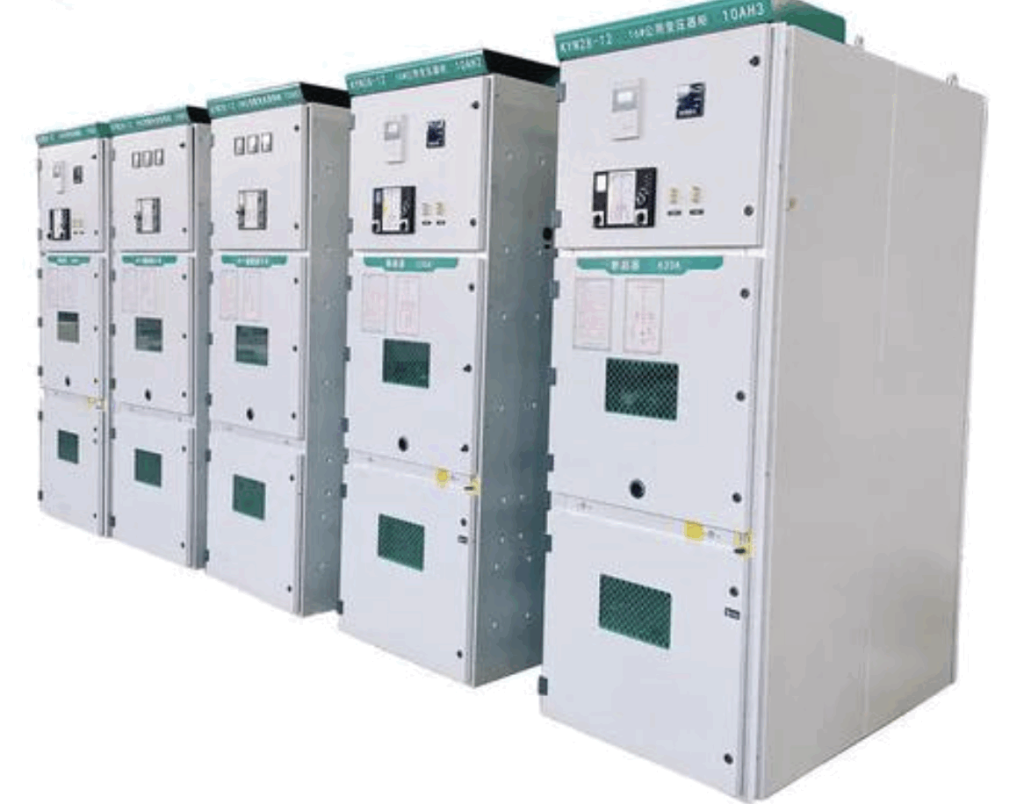
Classification by rated voltage level is the most mainstream method in the industry and the primary reference for engineering design and equipment procurement. Equipment with different voltage ratings varies drastically in technical parameters, performance and applicable scenarios, as detailed below:
4.1 Low-Voltage (LV) Switchgear
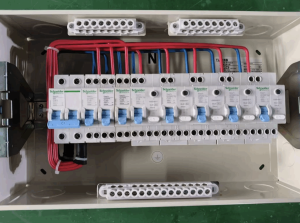
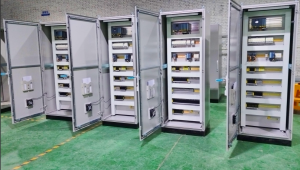
Low-voltage switchgear is general-purpose power distribution equipment for civil and industrial facilities, suitable for AC systems up to 1000 V and DC systems up to 1500 V. It is designed and manufactured in strict compliance with the IEC 61439 series international standards. Featuring a compact structure, cost efficiency and easy maintenance, its main product lines include low-voltage power distribution cabinets, power distribution boxes, power capacitor compensation cabinets and motor control centers (MCC).
Typical application scenarios cover commercial buildings, residential constructions, small and medium-sized factories, low-voltage power distribution terminals of new energy projects and municipal supporting facilities. It is mainly deployed for terminal power distribution, low-voltage equipment protection and daily power regulation.
4.2 Medium-Voltage (MV) Switchgear
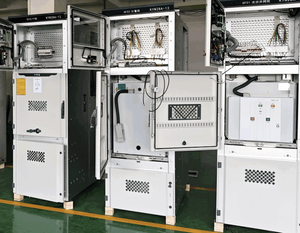
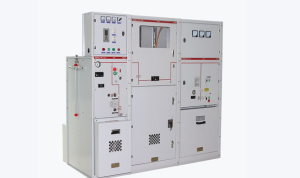
Medium-voltage switchgear acts as the primary power distribution equipment for industrial and new energy sectors, applicable to power systems ranging from 1 kV to 52 kV and complying with the core IEC 62271 series standards. It boasts strong short-circuit withstand capability, superior insulation performance and outstanding environmental adaptability. Common product types include metal-clad switchgear, compartment switchgear and box-type switchgear, available in fixed and withdrawable structures for both indoor and outdoor installation.
With high load capacity and reliable performance, it is extensively applied in large and medium-sized industrial plants, photovoltaic and wind power stations, rail transit systems, urban distribution networks and main power distribution systems of mining enterprises. It serves as the key intermediate equipment linking high-voltage transmission lines and low-voltage end distribution systems.
4.3 High-Voltage (HV) Switchgear
High-voltage switchgear represents core grid-level equipment for power transmission systems above 52 kV, including conventional air-insulated switchgear (AIS) and gas-insulated switchgear (GIS). It meets the highest industrial standards in insulation class, fault protection rating and operational reliability, capable of enduring severe short-circuit current and extreme working conditions.
This equipment is mainly deployed in national and provincial power grid substations, large energy storage power stations, utility-scale wind and photovoltaic bases, high-voltage transmission projects for heavy-duty mining operations and other core power hubs. It undertakes power transmission, switching and system protection tasks for large-scale power grids, acting as the fundamental guarantee for safe operation of major power facilities.
4.4 Performance Comparison of LV, MV and HV Switchgear
Low-voltage switchgear prioritizes terminal power distribution with cost optimization, simple structures and low maintenance thresholds. Medium-voltage switchgear focuses on mainstream industrial power distribution, balancing performance and practicality to fit most commercial and industrial power scenarios. High-voltage switchgear targets core grid transmission with stringent requirements for insulation, short-circuit resistance and operational stability, accompanied by higher procurement and maintenance costs. Collectively, they form a complete power transmission and distribution equipment ecosystem.
5. Selection Guide for Voltage Switchgear
Appropriate equipment selection is critical to secure power system operation, cut long-term maintenance costs and match site working conditions. Decision-making requires comprehensive evaluation of voltage parameters, operating loads, industrial application scenarios and ambient environments, with key criteria outlined below:
5.1 Core Selection Parameters
First, match the rated voltage and rated current to the voltage class and maximum load current of the project’s power system, reserving a 1.2–1.5 times load margin to accommodate future capacity expansion. Second, verify short-circuit withstand capacity and select equipment with corresponding protection ratings matching the system short-circuit current parameters to avoid equipment damage from short-circuit faults. Finally, confirm the IP protection class and insulation grade: indoor units prioritize dust and moisture resistance, while outdoor equipment must deliver waterproof, anti-corrosion and anti-aging performance.
5.2 Industry-Specific Selection Recommendations
Standardized low-voltage complete switchgear is recommended for commercial and residential construction projects to balance cost and practicality. Conventional medium-voltage switchgear suits small and medium-sized factories and general new energy projects to meet routine production and power supply demands. For large power grids, energy storage bases, offshore wind farms and heavy-load mining projects, high-performance medium/high-voltage metal-enclosed switchgear or GIS gas-insulated equipment is preferred to support continuous high-load operation.
5.3 Common Selection Mistakes and Avoidance Strategies
Frequent pitfalls include undersizing equipment parameters, ignoring environmental adaptability and failing to reserve space for future capacity expansion. Purchasers should not prioritize low upfront costs at the expense of long-term operational demands, and sufficient parameter margins must be reserved according to the project’s full lifecycle requirements. Equipment with dedicated enhanced protection ratings is mandatory for harsh environments featuring high temperature, high humidity, salt mist or heavy dust. New power projects must reserve expansion space during the design phase to avoid costly retrofits later.
6. Application Scenarios of Voltage Switchgear
6.1 Power Grids and Substation Projects
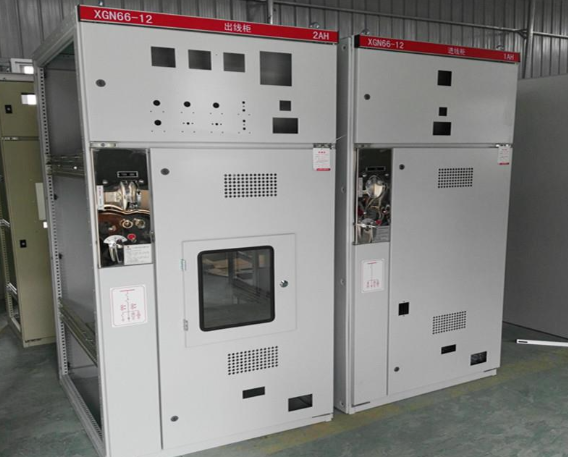
High and medium-voltage switchgear constitutes core equipment for power transmission and distribution networks and urban substations. It receives, switches and distributes high-voltage electric energy while providing fault protection, stabilizing grid power supply and preventing regional power outages, making it foundational hardware for public power infrastructure.
6.2 New Energy Industry Applications
Photovoltaic plants, onshore and offshore wind farms and energy storage stations impose strict adaptability requirements on switchgear. Medium-voltage switchgear handles centralized power distribution and grid connection within power stations, while low-voltage units serve on-site terminal power supply. They accommodate the fluctuating and intermittent power output characteristics of renewable energy, ensuring stable grid integration and safe station operation and maintenance.
6.3 Industrial and Civil Engineering Applications
Manufacturing plants, mines, rail transit lines, commercial complexes and residential districts rely on a full set of LV and HV switchgear to build integrated power distribution systems for factories and buildings. These systems realize rational power allocation, equipment fault protection and daily power management to satisfy power demands for industrial production and residential consumption.
Frequently Asked Questions
Q1: Which type of voltage switchgear is suitable for photovoltaic power station projects?
Low-voltage switchgear is adopted for small-scale distributed photovoltaic projects to fulfill terminal power distribution needs. Medium-voltage complete switchgear is required for utility-scale centralized photovoltaic plants and grid-connected photovoltaic projects, while high-voltage switchgear is equipped for high-voltage grid connection schemes, supporting full-process power collection, voltage regulation and grid transmission for photovoltaic power generation.
Q2: What is the standard service life of industrial voltage switchgear?
With professional installation and regular maintenance, standard industrial low and medium-voltage switchgear can operate reliably for 15 to 20 years, and high-voltage GIS equipment boasts a service lifespan of 25 to 30 years. Severe operating environments, frequent start-stop cycles and inadequate maintenance will drastically shorten equipment service life. Periodic inspection, dust removal, fastener tightening and insulation testing effectively extend the service cycle of switchgear.
Q3: What are the key daily operation and maintenance requirements for medium and high-voltage switchgear?
Routine maintenance includes regular visual inspections to check cabinet aging, damage and corrosion; testing insulation performance and circuit voltage/current parameters to ensure compliance with design specifications; cleaning dust and moisture inside cabinets to maintain unobstructed heat dissipation; periodic calibration of relay protection devices to guarantee rapid response to faults; and strict adherence to power cut and isolation protocols during maintenance to prohibit live-line unauthorized operations.
Conclusion
As core complete-set equipment for power systems, voltage switchgear covers low, medium and high voltage grades and serves all application fields including civil construction, industrial manufacturing, renewable energy and public power grids. Its core value lies in enabling safe power switching, precise fault protection and stable power distribution. Equipment selection, installation, maintenance and full compliance with industrial standards directly determine the operational quality and safety level of power engineering projects.
Driven by the intelligent transformation of the power industry and rapid growth of renewable energy sectors, high-performance, intelligent and low-maintenance voltage switchgear will dominate the market. Matching equipment to site-specific operating conditions, selecting products complying with international standards and implementing standardized routine maintenance are the core prerequisites for long-term stable operation of power systems.
References
[1] IEC 61439-1: Low-voltage switchgear and controlgear assemblies – Part 1: General rules
[2] IEC 61439-2: Low-voltage switchgear and controlgear assemblies – Part 2: Power switchgear and controlgear assemblies
[3] IEC 62271-200: High-voltage switchgear and controlgear assemblies – Part 200: Metal-enclosed switchgear and controlgear for rated voltages above 1 kV up to and including 52 kV