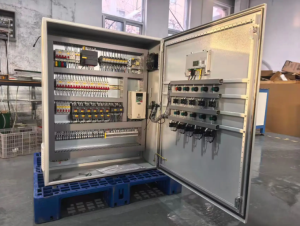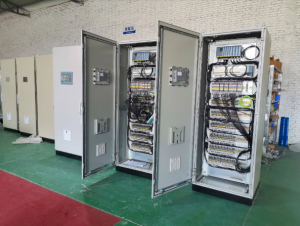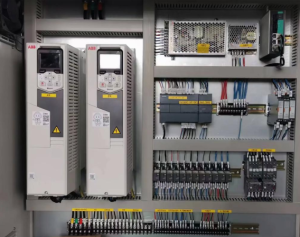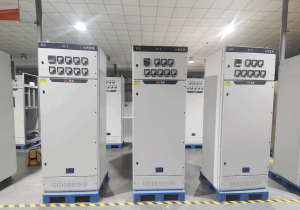
For residential self-built houses, farm irrigation and small civilian water supply systems, the 1HP (750W) single-phase submersible deep well pump stands as the most widely used water supply equipment. As the core supporting electrical device for the pump, the 1 HP well pump control box takes full charge of pump startup drive, operational management and safety protection. Combining universal industrial standards and hands-on practical experience, this article comprehensively elaborates on the functional parameters, selection methods, installation wiring, fault troubleshooting and replacement tips of 1 HP well pump control boxes, delivering an all-in-one practical reference for residential users and installation maintenance technicians.
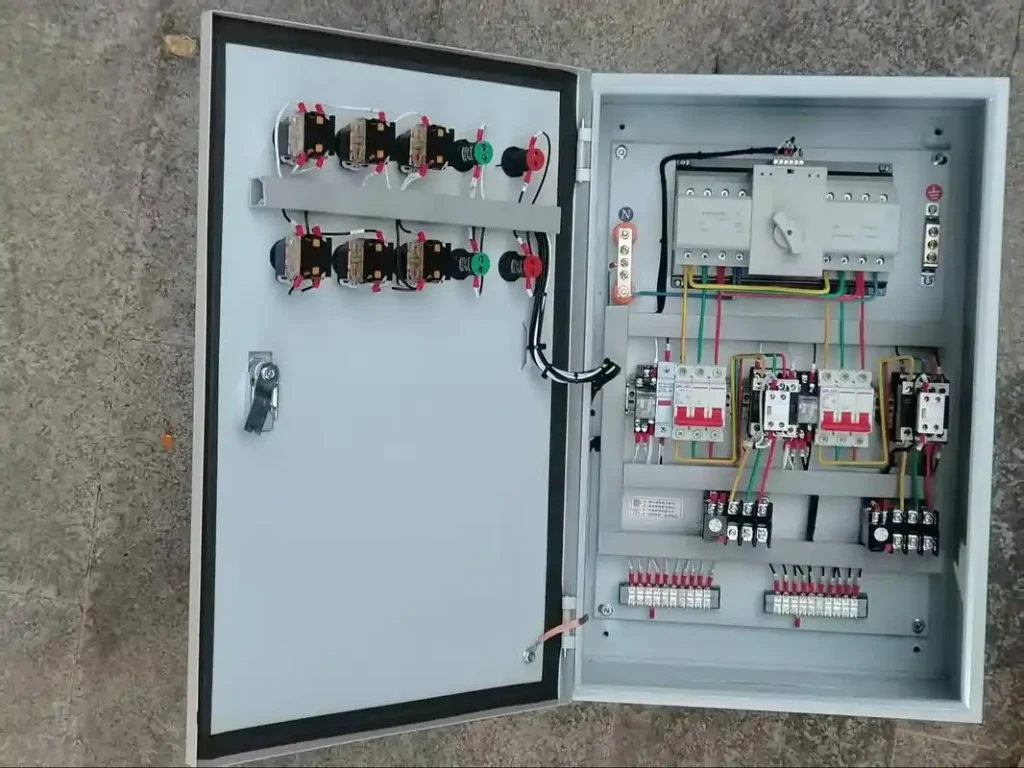
I. What Is a 1 HP Well Pump Control Box?
A 1 HP well pump control box refers to a dedicated electrical control device customized for 750W single-phase submersible deep well pumps. Distinct from ordinary surface pump switches, it serves as an indispensable matching component for submersible deep well pumps. Buried deep underground, the motor of a deep well pump cannot be directly started via regular switches. It relies on built-in components inside the control box including capacitors, relays and overload protectors to execute motor startup, voltage-stabilized operation and fault protection, ensuring long-term stable operation of the pump.
Conventional surface self-priming pumps can be directly connected to mains switches, yet all single-phase submersible deep well pumps must be fitted with a control box of matching power and cannot be wired directly to power sources. Without a control box, the pump will suffer weak startup performance, failure to activate, motor overload and overheating. Within a short time, the motor coil will burn out, drastically shortening the service life of the equipment.
The core functions of a 1 HP well pump control box cover all civilian water supply scenarios, with four primary roles as follows:
- Auxiliate motor startup via start and run capacitors to resolve high startup resistance caused by the deep underground installation of well pumps;
- Monitor circuit current and equipment temperature in real time to deliver multi-layer protection against overload, overcurrent, short circuits and overheating;
- Stabilize operating voltage to prevent damage to the motor resulting from mains voltage fluctuations;
- Adopt standardized integrated control modules to streamline equipment installation and subsequent maintenance workflows.
This device is extensively applied to water supply for rural self-built homes, irrigation on small farms, water intake from courtyard deep wells and small civilian stabilized water supply systems.
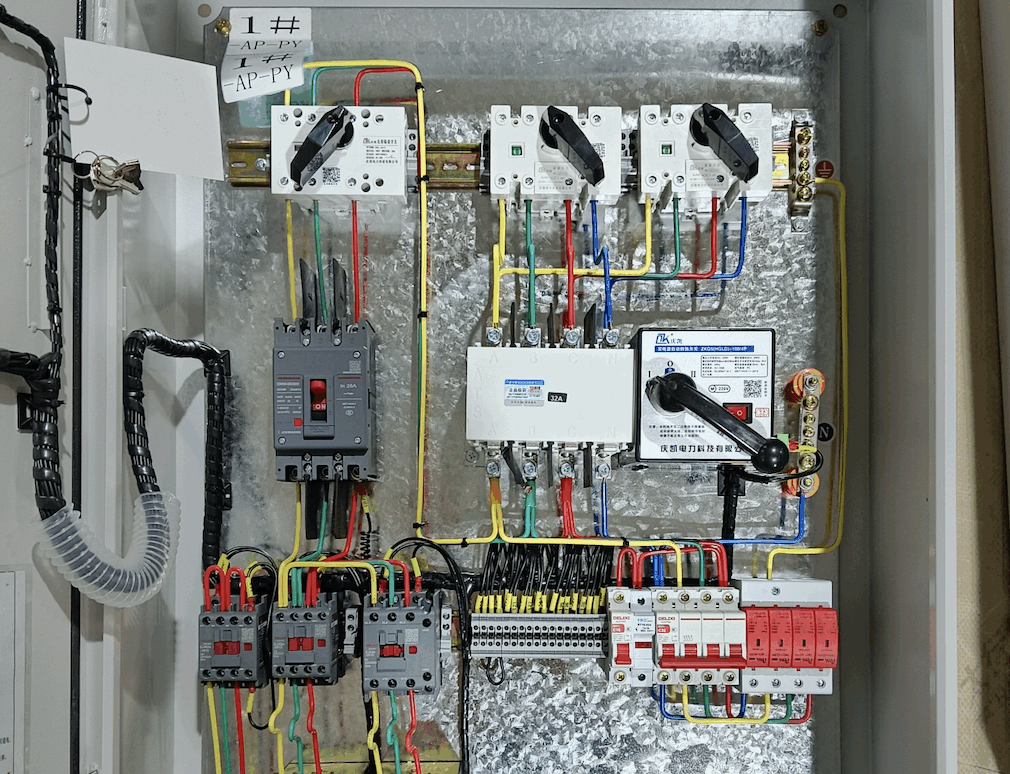
II. Universal Core Parameter Standards for 1 HP Well Pump Control Boxes
Mismatched selection remains the most prevalent issue when using 1 HP well pump control boxes. Inconsistencies in voltage specifications, wire types and power parameters constitute the leading triggers of equipment faults and burnout. The industry has established fixed universal parameter standards for 1 HP well pump control boxes. Only devices complying with the following specifications can perfectly match 750W submersible deep well pumps.
1. Voltage and Phase Specifications
Civilian 1 HP deep well pumps uniformly adopt single-phase power supply, with mainstream compatible voltages of 220V and 230V. The two voltage ratings are interchangeable for household mains environments and require no extra voltage regulation. Standard civilian 1 HP well pump control boxes with three-phase 380V power supply are not available on the market, so three-phase devices must be avoided during selection to prevent compatibility errors.
2. Compatibility Rules for 2-Wire and 3-Wire Pumps
1 HP deep well pumps fall into two models: 2-wire and 3-wire, whose corresponding control boxes are completely non-interchangeable, marking the core priority of equipment selection.
3-wire deep well pumps must be paired with dedicated 3-wire control boxes, which leverage internal capacitors and relays to complete motor startup and operation.
2-wire deep well pumps integrate startup components inside the motor, so their matching control boxes feature simplified functions and only undertake circuit protection and power management. The two types cannot be mixed for use.
3. Core Configurations and Safety Standards
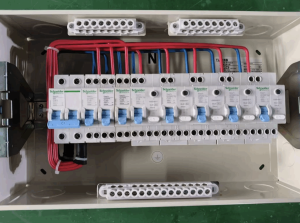
Standard 1 HP well pump control boxes contain five key assemblies: start capacitor, run capacitor, solid-state relay, overload protector and terminal block. Formal compliant products hold civilian electrical safety certifications, with multi-layer protection against short circuits, overloads, voltage surges and motor overheating. They support 24-hour intermittent operation for civilian water supply systems and adapt to regular humid environments such as outdoor spaces and well houses.
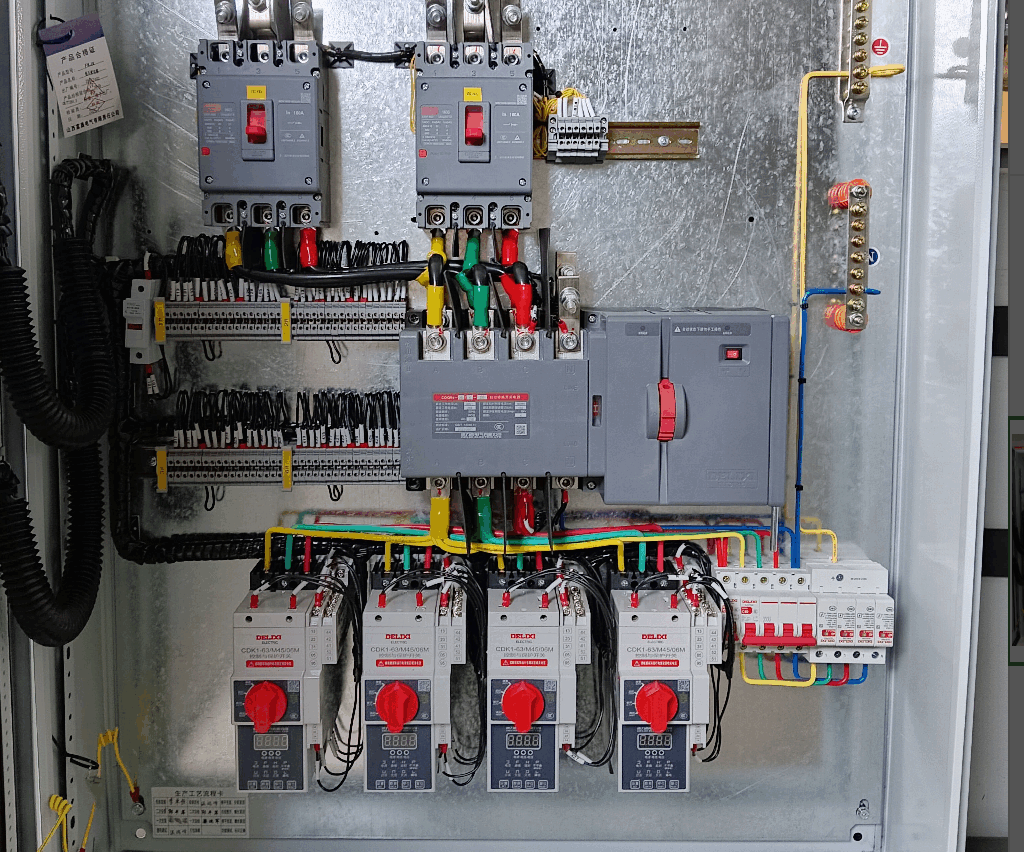
III. Step-by-Step Accurate Selection Guide for 1 HP Well Pump Control Boxes
Many consumers purchase control boxes solely based on power rating while overlooking wire type, functional and compatibility requirements, which ultimately renders the equipment unusable. Follow the five-step selection process below to fully eliminate compatibility errors and accurately match the control box to your pump.
Step 1: Confirm the pump wire type. Check the pump nameplate or parameters of your original equipment to verify whether the pump is a 2-wire or 3-wire model. This stands as the top priority for selection, directly determining the control box model and outweighing power and voltage in importance.
Step 2: Verify the on-site supply voltage. Standard household mains power reads 220V. Most mainstream 1 HP control boxes on the market support a 220V/230V voltage range, compatible with the vast majority of civilian scenarios with no extra adjustments needed. Custom orders are required for industrial special low or high voltage environments.
Step 3: Choose between QD and CRC control box types. Two mainstream types are available: QD models equipped with solid-state relays and CRC models with conventional relays.
QD solid-state relay control boxes deliver stable startup, low failure rates and long service lifespans, ideal for farms and permanently occupied residences with frequent long-term operation.
CRC models boast higher cost performance, suitable for courtyards and vacant housing water supply systems with infrequent intermittent use.
Step 4: Prioritize safety protection features. Premium 1 HP control boxes must come standard with overload, overcurrent, short-circuit and overheat shutdown protection. Some upgraded versions add surge voltage stabilization and leakage protection, greatly boosting equipment safety for regions prone to thunderstorms.
Step 5: Select products based on budget and brand. Pick entry-level cost-effective models or first-tier brand products according to your usage scenarios. For equipment running frequently over long periods, high-quality brand units are recommended to cut down later fault and replacement costs.
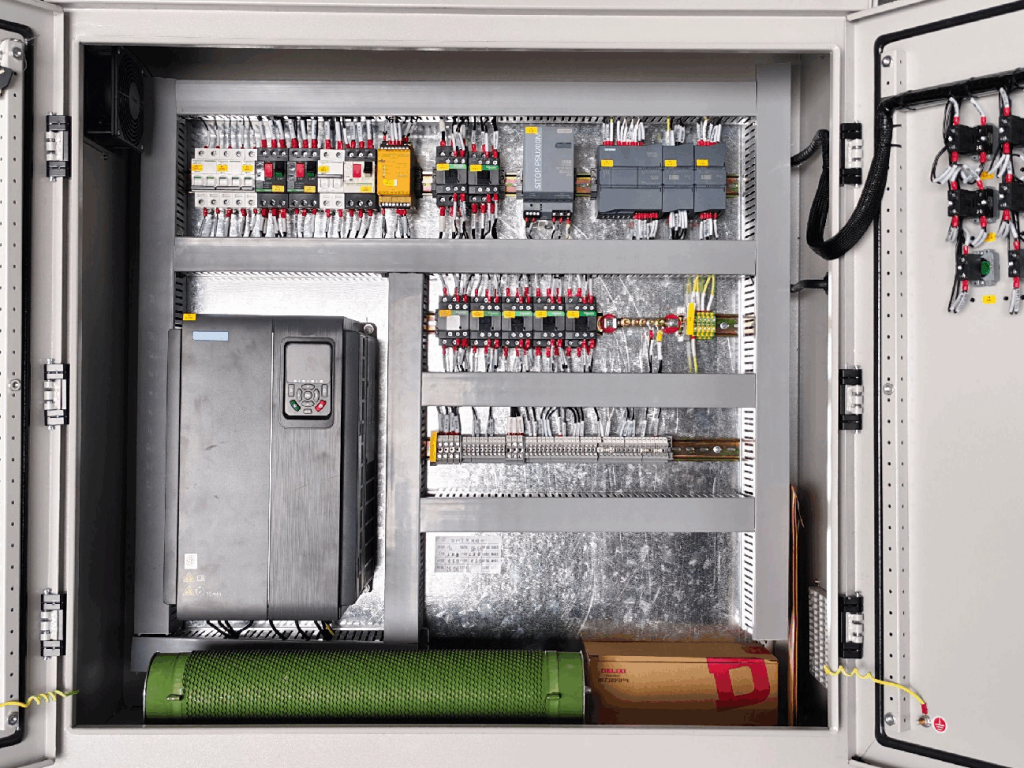
IV. Wiring Methods and Installation Procedures for 1 HP Well Pump Control Boxes
Incorrect wiring represents the leading man-made cause of equipment burnout, circuit tripping and startup failure. The wiring workflow for 1 HP well pump control boxes follows standardized procedures with a low technical threshold. Full compliance with relevant specifications ensures safe installation, and power must be fully cut off throughout the entire operation.
1. Pre-Installation Safety Preparations
Cut off the main power supply before installation and confirm no residual voltage remains in the circuit. Inspect all internal components of the control box to ensure intact capacitors with no bulges, securely fastened wires with no detachment and rust-free terminals. Check the pump cables to rule out cracked insulation, short circuits and aging wires, eliminating hidden faults after installation.
2. Core Wiring Specifications
3-wire 1 HP deep well pumps dominate the market, and their wiring is divided into two circuits: mains power input and pump output. Follow the internal labels on the control box to connect the live wire and neutral wire of the mains supply to the corresponding input terminals, then attach the three signal cables of the pump to the designated output terminals. Strictly distinguish live wires, neutral wires and ground wires, with no mixing or misconnection allowed.
Wiring for 2-wire pumps is relatively straightforward: simply connect the corresponding input and output circuits, with focus placed on reliable grounding protection.
Key differences between the two wire types: 3-wire pumps rely on the capacitors inside the control box for startup, leaving little margin for wiring errors that demand precise alignment with labeled terminals. 2-wire pumps feature built-in startup assemblies within the motor, so their matching control boxes only handle protection functions and offer a slightly larger tolerance for wiring mistakes.
3. Fixed Mounting and Commissioning Workflow
Secure the control box to dry, ventilated and rain-proof walls or well houses, away from damp pooled water and direct high-temperature sunlight exposure to prevent component damage from moisture. Tighten all terminal screws once wiring finishes to avoid poor contact caused by loose cables. Restore power supply after installation and run an idle test to check for abnormal tripping, strange noises or overheating. Start the pump to test water supply status, and the installation is complete if stable water pressure and smooth pump operation with no odd sounds are observed.
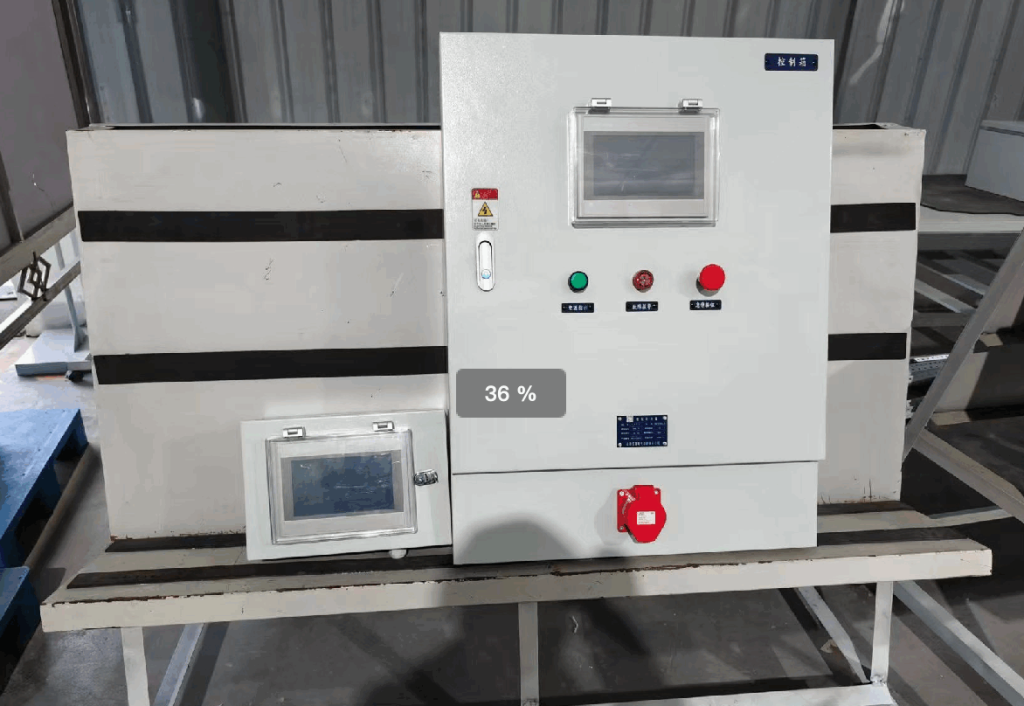
V. Common Faults of 1 HP Well Pump Control Boxes
The typical service life of a 1 HP well pump control box ranges from 3 to 8 years. Subject to damp conditions, mains voltage fluctuations, frequent startup-shutdown cycles and component aging, various common faults will emerge. Most malfunctions do not require full equipment replacement and can be resolved through targeted maintenance. Below are accurate troubleshooting solutions for frequently occurring faults.
- Pump fails to start with no response from the control box This issue mostly stems from damaged capacitors, faulty relays or loose wiring terminals. Capacitors suffer the highest wear and tear; prolonged service often leads to bulging and failure, eliminating the startup power required by the motor. Next, inspect detached terminal cables and burnt relays. Replacing faulty capacitors or relays will restore normal operation.
- The control box trips frequently Frequent tripping is generally caused by overloads, short circuits, unstable voltage or pump motor faults. First, check for excessive fluctuations in mains voltage, then inspect whether the pump is jammed, the motor suffers water ingress and short circuits, or the cables have cracked insulation leading to electric leakage. Long-term operation under overloaded conditions will also trigger overload protection tripping. Always operate the pump under its rated power and avoid dry running.
- The pump runs yet delivers weak water pressure with insufficient water output After ruling out blockages in the pump body and insufficient water levels in the deep well, degraded capacitors inside the control box are usually to blame. Aging capacitors reduce motor startup torque and rotational speed, lowering the pump’s water delivery power. Installing a brand-new capacitor matching the required specifications will restore normal water pressure.
- The box overheats and emits burnt odors This problem usually arises from loose wiring connections, unsecured terminals or overloaded burnt components. Cut off power supply and shut down the equipment immediately. Inspect the status of internal components and tightness of all wiring, replace burnt relays and capacitors, and retighten loose terminal cables to prevent safety accidents triggered by sustained overheating.
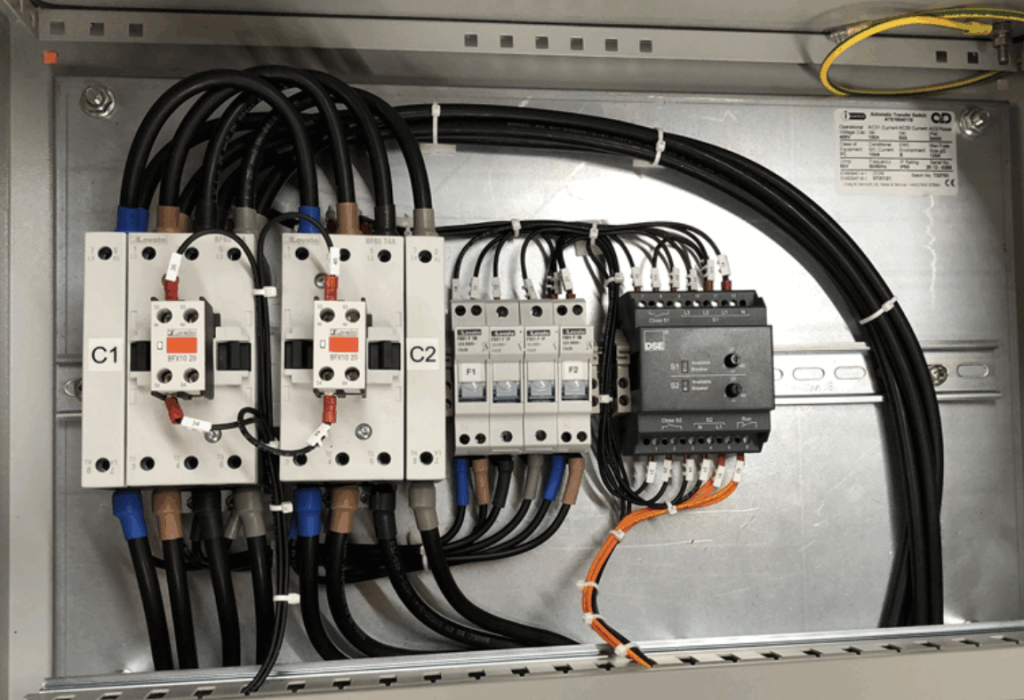
VI. Replacement Guide for 1 HP Well Pump Control Boxes
When large-scale aging of internal components, repeated malfunctions, cracked casings or failed protection functions occur on a control box, the maintenance cost will exceed the price of a new replacement unit. In such cases, full equipment replacement is recommended. Adhering to the correct replacement workflow avoids compatibility errors and ensures seamless switchover for water supply operation.
1. Criteria for Replacement
Direct replacement is advised if any of the following conditions appear:
- Repeated damage to capacitors and relays with no effective repair results;
- Rusted damp casings and blackened aged internal wiring;
- Frequent tripping and complete failure of protection functions;
- Service life exceeding 5 years with drastically degraded overall performance.
2. Compatibility Checklist for Replacement
Before purchasing a new replacement unit, three core parameters must be cross-verified for a perfect match:
- Pump wire type (2-wire or 3-wire)
- Rated voltage (single-phase 220V/230V)
- Matching power rating (strictly 1HP / 750W) All three parameters must align fully with the original setup to eliminate equipment faults caused by mismatched specifications.
3. Upgrade Options and Cost Reference for Replacement
Outdated conventional CRC control boxes can be upgraded to QD solid-state relay models, which deliver stronger operational stability, lower failure rates and longer service lifespans, making them ideal for long-running water supply systems. Standard 1 HP well pump control boxes available on the market carry moderate price tags with solid cost performance. Entry-level units satisfy basic household water intake demands, while premium brand upgraded models fit scenarios requiring frequent long-term operation. The overall replacement cost is far lower than repeated maintenance fees for aged faulty control boxes.
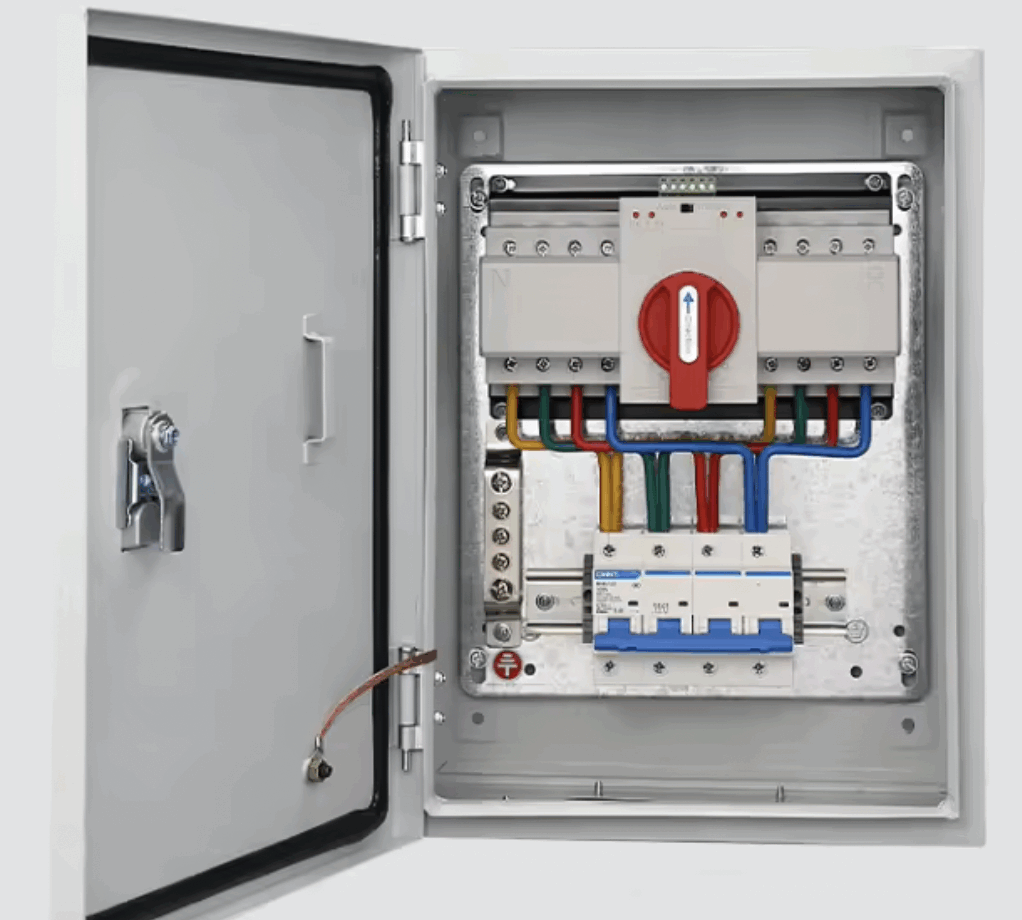
VII. Frequently Asked Questions
Q1: Is a control box mandatory for a 1 HP deep well pump?
A control box is a must-have accessory. Single-phase submersible deep well pumps cannot be directly activated by mains power and require dedicated control boxes to supply capacitor-driven startup and circuit protection. Operating the pump without a control box will immediately burn out the motor coil, making the control box an essential matching device for normal pump operation.
Q2: What specification of control box fits a 1 HP deep well pump?
The matching device must be a dedicated single-phase 220V/230V control box rated at 1HP (750W). It must also perfectly match the pump’s 2-wire or 3-wire design. Control boxes with higher or lower power ratings or three-phase electrical control units cannot be used as substitutes.
Q3: What is the difference between control boxes for 2-wire and 3-wire deep well pumps?
The core difference lies in startup methods and internal configurations. 3-wire pump control boxes integrate built-in start capacitors, run capacitors and relays, fully relying on the box to complete motor startup. 2-wire pumps incorporate startup components inside their motors, so their matching control boxes only execute circuit protection and power management functions. The two types differ in internal structure and wiring layouts and cannot be interchanged.
Q4: What is the normal service life of a 1 HP well pump control box?
For household scenarios with infrequent use, the service life ranges from 3 to 5 years. Premium brand units operating frequently can last 6 to 8 years. Harsh operating conditions including damp environments, unstable voltage and frequent startup cycles will shorten the usable lifespan. Regular maintenance can effectively extend the equipment’s service cycle.
Q5: Can I replace only the control box without swapping out the pump?
This practice is completely feasible. As long as the pump body remains intact with no burnt motor coils or water leakage faults, you may directly install a new control box with identical power ratings and wire type compatibility to resume normal water supply, with no need to replace the entire pump assembly.
Q6: What are the primary causes of repeated tripping in a control box?
The main triggers include excessive mains voltage fluctuations, short circuits or water ingress inside the pump motor, cracked cable insulation leading to electric leakage, overload caused by aging capacitors, dry running jamming of the pump and poor contact from loose terminal cables. You can resolve the issue by checking each potential cause one by one.
Reference Sources
[1] General Technical Specifications and Electrical Protection Standards for Low-Voltage Motor Protectors
[2] Industrial Application Specifications for Electrical Control Equipment Matching Civil Submersible Deep Well Pumps