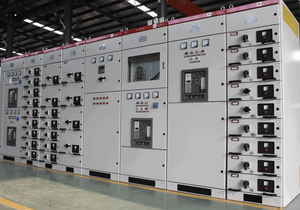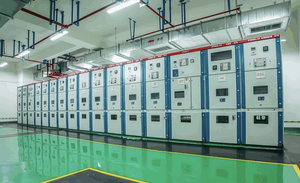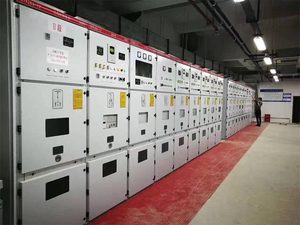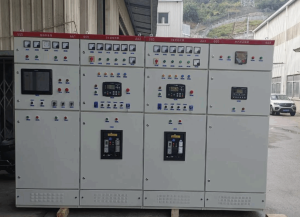
Waterproof distribution boxes are core end‑user power distribution equipment for outdoor damp and rain‑exposed conditions. They are widely applied in photovoltaic power stations, municipal projects, construction sites, ports and wharves, charging pile supporting systems, courtyard lighting and other scenarios. This article systematically covers basic concepts, product classification, key technical specifications, selection guidelines and on‑site installation standards for your reference.
1. What is a Waterproof Distribution Box
1.1 Basic Definition
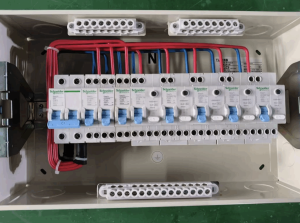
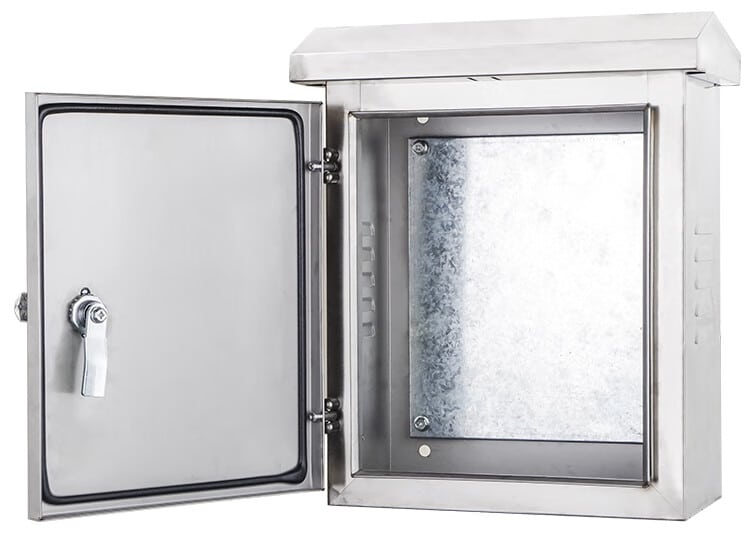
A waterproof distribution box is a complete power‑distribution enclosure designed for open‑air and humid environments. It accommodates miniature circuit breakers, disconnectors, residual‑current protective devices, current transformers, metering components and other electrical parts. Relying on its own sealed structure, it prevents ingress of rainwater, dust and moisture without protection from indoor building walls. It performs functions including power distribution, fault tripping under overload and short‑circuit conditions, electrical isolation, protection and monitoring.
1.2 Core Functions
- Power distribution: Distribute upstream power to multiple outdoor electrical loads.
- Fault protection: Provide overload, short‑circuit and earth‑leakage protection to cut off faulty circuits in a timely manner.
- Electrical isolation: Isolate circuits during maintenance to guarantee operator safety.
- Environmental protection: Block rainwater, dust and salt mist via the enclosure and sealing system to ensure stable operation of internal electrical components.
1.3 Key Differences Between Waterproof Distribution Box and Waterproof Junction Box
These two products are frequently confused on construction sites and cannot substitute for one another.
Waterproof Distribution Box: Equipped with protective devices such as circuit breakers and residual‑current protectors. It features circuit breaking and protection capacity, serves for power distribution and delivers full power‑distribution protection functions.
Waterproof Junction Box: Used exclusively for cable connection and transition. Circuit breakers are generally not fitted. It only facilitates wiring without overload or short‑circuit protection, and shall not be used as a power‑distribution enclosure.
If you are in the market for waterproof distribution boxes, please contact FUKEN for professional tailored solutions!
2. Main Classifications of Waterproof Distribution Boxes
2.1 By Enclosure Material
‑ ABS / PC engineering plastic enclosure: Good insulation, lightweight, corrosion‑resistant and cost‑effective. Suitable for general outdoor, photovoltaic and lighting applications. Low‑temperature resistance shall be verified for cold‑climate deployment.
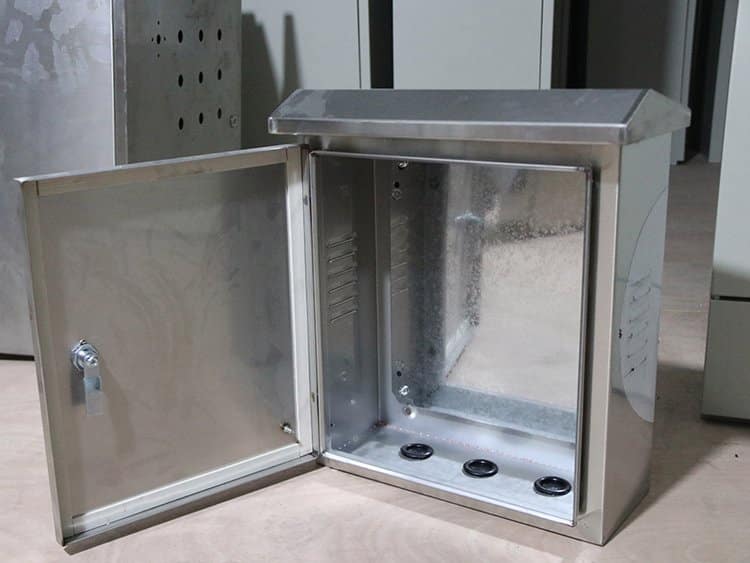
‑ 304 / 316 stainless steel enclosure: High mechanical strength and corrosion resistance. Grade 304 fits ordinary open‑air conditions; grade 316 delivers superior salt‑fog resistance and is preferred for highly corrosive environments such as coastal zones and chemical‑industry wharves.
‑ Powder‑coated cold‑rolled steel enclosure: Excellent mechanical strength with moderate cost. Prone to rust once coating is scratched. Suitable for sheltered outdoor locations, not recommended for unsheltered seaside installations.
2.2 By Ingress‑Protection Rating
Common IP ratings on the market include IP54, IP55, IP65, IP66 and IP67. Defined under standard IEC 60529, the first digit denotes dust‑protection level while the second digit represents water‑protection level.
‑ IP54: Protected against splashing water
‑ IP55: Protected against low‑pressure water jets from any direction
‑ IP65: Dust‑tight, protected against low‑pressure water jets
‑ IP66: Protected against powerful high‑pressure water jets
‑ IP67: Tolerates short‑term submersion
2.3 By Application
Photovoltaic‑special waterproof distribution boxes, temporary construction‑site distribution boxes, charging‑pile supporting distribution boxes, municipal‑lighting distribution boxes, coastal anti‑corrosion distribution boxes.
3. Technical Specifications for Waterproof Distribution Boxes
3.1 Interpretation of IP Ingress‑Protection Ratings
IP ratings comply with IEC 60529 and GB/T 4208‑2017. Note that an IP rating applies to the fully assembled complete unit rather than merely the shell. Cabinet doors and cable gland cut‑outs can degrade overall enclosure performance; IP protection becomes invalid when the door is open.
North‑American projects often reference NEMA enclosure standards. NEMA ratings offer only approximate correlation with IP codes and shall not be treated as direct equivalents. NEMA additionally evaluates icing and corrosion resistance, which are not covered by IP standards.
3.2 Electrical Parameters
Major parameters include rated operating voltage, rated current, number of circuits, short‑circuit withstand capacity and residual‑current protection settings. Adequate current derating shall be reserved during selection to avoid excessive internal temperature rise caused by continuous full‑load operation.
3.3 Environmental Specifications
These cover operating‑temperature range, UV‑resistance and salt‑fog corrosion performance. Products’ environmental specifications must be checked for locations exposed to intense sunlight or extreme cold.
4. Complete Selection Guidelines for Waterproof Distribution Boxes
4.1 Select IP Rating According to Operating Environment
‑ Sheltered outdoor under eaves: IP54
‑ Open‑air rain‑exposed sites and photovoltaic installations: IP65
‑ Wash‑down areas with heavy water spraying: IP66
‑ Conditions requiring short‑term submersion: IP67
Note: IP65 defends against water jets and does NOT permit permanent underwater immersion.
4.2 Material Selection
‑ General outdoor environments: PC / ABS plastic or 304 stainless steel
‑ Coastal salt‑fog zones and chemical‑industry sites: 316 stainless steel is preferred
‑ Cost‑sensitive sheltered locations: High‑quality powder‑coated cold‑rolled steel is acceptable.
4.3 Electrical‑Parameter Selection
Calculate total load current and reserve 20%‑30% current margin. Confirm circuit quantity according to load count and clarify requirements for residual‑current protection, surge protection and metering functions.
4.4 Procurement Check‑List
Inspect silicone gasket material, matching waterproof cable glands and third‑party IP‑rating test reports. For custom‑built units, specify cut‑out positions and dimensions. Drilling extra holes on‑site will compromise overall IP performance.
4.5 Common Selection Pitfalls
A high IP rating does not mean omnipotent waterproofing. The IP rating applies only to the fully‑assembled closed unit. Opening cabinet doors, unauthorised drilling or mismatched cable glands will void the nominal protection performance. Sealed enclosures cannot completely eliminate internal condensation. Anti‑condensation measures are required for locations with large diurnal temperature swings.
5. Key Installation and Construction Practices for Waterproof Distribution Boxes
5.1 Installation Position and Angle
Avoid low‑lying water‑prone spots. Mount the enclosure with a slight inclination to facilitate rainwater runoff. Minimise prolonged direct sunlight exposure to slow gasket ageing.
5.2 Sealing Practices
Most water‑leak failures originate at cable entry points. Fit each cable with a correctly‑sized waterproof gland; never run multiple cables through one single gland. Arrange cable entries facing downwards and implement cable drip loops to prevent rainwater wicking along cables into the enclosure. Periodically inspect gaskets for integrity, damage or deformation.
5.3 Internal Condensation Mitigation
Sealed outdoor enclosures tend to develop condensation under large diurnal temperature variations. Fit waterproof breathable valves to equalise internal‑external pressure and reduce moist‑air intake via breathing effect. Avoid over‑crowding internal components and reserve space for moisture dissipation. Do not mount cabinets in positions subject to extreme cyclic temperature fluctuation.
5.4 Earthing Safety Practices
Metal enclosures shall be reliably earthed. Strictly control earthing resistance in humid conditions. Waterproof the earthing‑cable penetration point to prevent corrosion‑related earthing‑circuit failure.
6. Frequently Asked Questions
6.1 Why does water get inside an IP65 waterproof distribution box during rainfall?
IP‑rating failure is rarely caused by defective shell material. Typical causes include improperly‑selected or poorly‑installed cable glands, un‑sealed post‑factory drilled holes, aged or deformed gaskets, or incompletely‑latched cabinet doors. Rainwater penetrates through gaps and accumulates inside.
6.2 How to handle condensed water droplets inside the cabinet?
Condensation differs from external water ingress. Diurnal temperature cycles create cabinet breathing effect; vapour condenses on inner metallic surfaces as internal air cools. Remedies: install waterproof breathable valves; optimise mounting location to mitigate sharp temperature swings; avoid fully hermetic sealing and retain necessary pressure‑balance pathways.
6.3 304 or 316 stainless‑steel enclosure for coastal environments?
Grade 316 stainless steel is preferred for near‑shore sites with heavy salt‑laden sea breezes. Grade 304 stainless steel satisfies requirements for inland open‑air installations far from the coastline.
6.4 Can waterproof distribution boxes be directly buried underground?
Standard IP65 / IP66 enclosures are not suitable for direct burial. Specially‑designed buried‑type enclosures rated IP67 or higher are required for underground deployment.
6.5 Are waterproof distribution boxes interchangeable with standard indoor distribution boxes?
Indoor‑type distribution boxes lack sealing features for outdoor exposure and shall not be deployed in open‑air locations. Waterproof distribution boxes can be used indoors but are generally not preferred owing to higher cost.
Conclusion
A waterproof distribution box represents a complete protected power‑distribution system; decisions shall not rely solely on printed IP labels. Match material and ingress‑protection rating against on‑site conditions including rain exposure, dust, salt mist and temperature fluctuation during product selection.
References
- IEC 60529, Degrees of protection provided by enclosures (IP Code)
- IEC 61439‑3, Low‑voltage switchgear and controlgear assemblies — Part 3: Distribution boards intended to be operated by ordinary persons (DBO)
- GB 7251.3‑2017, Low‑voltage switchgear and controlgear assemblies