1. What Is a Portable Electrical Distribution Box
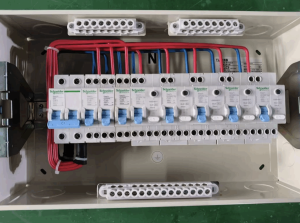
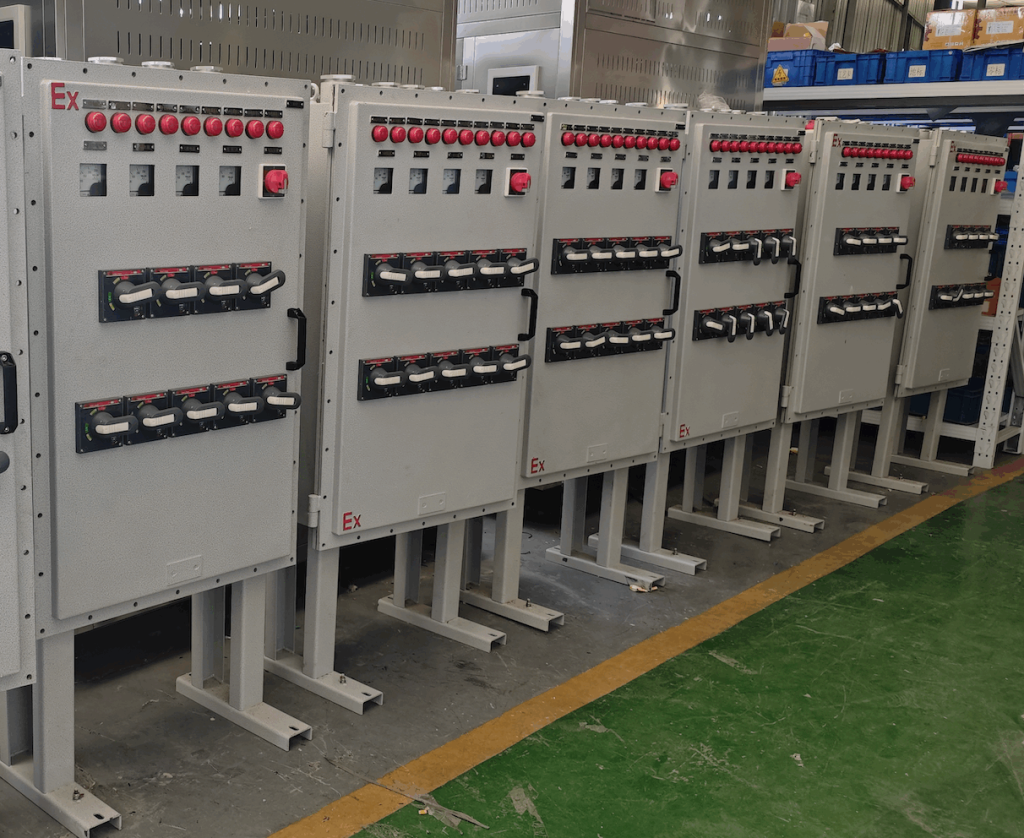
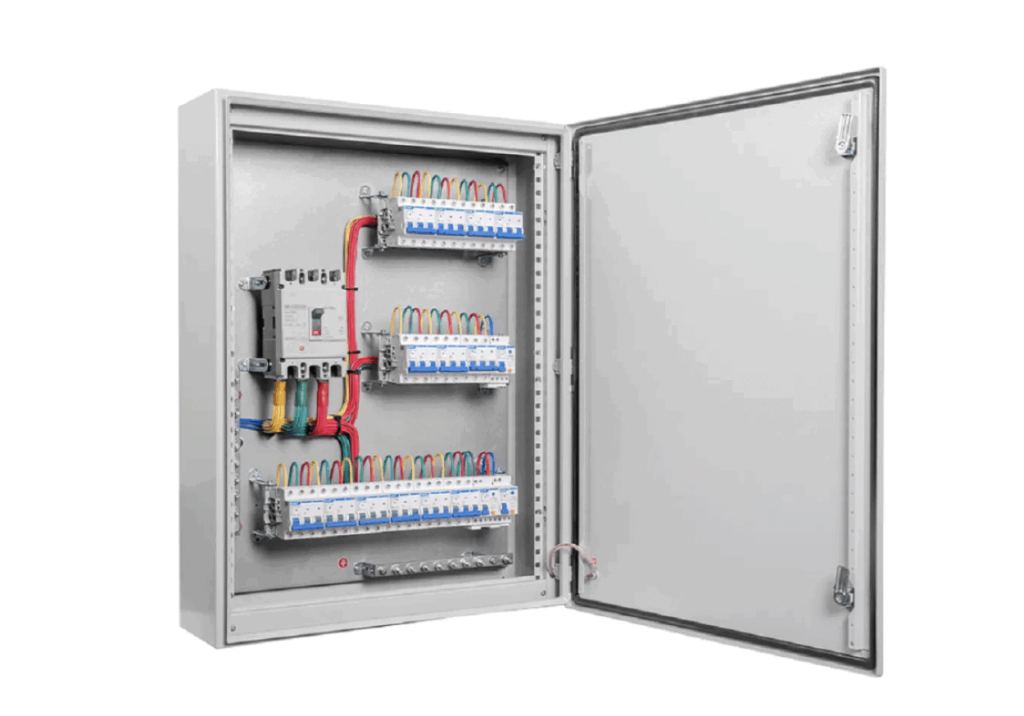
A portable electrical distribution box is a mobile power distribution device designed specifically for temporary power supply. It is integrated with circuit breakers, ground fault circuit interrupters (GFCI), multiple output sockets and other core components. It splits a single power source into multiple independent circuits to realize rational power distribution and reliable electrical safety control.
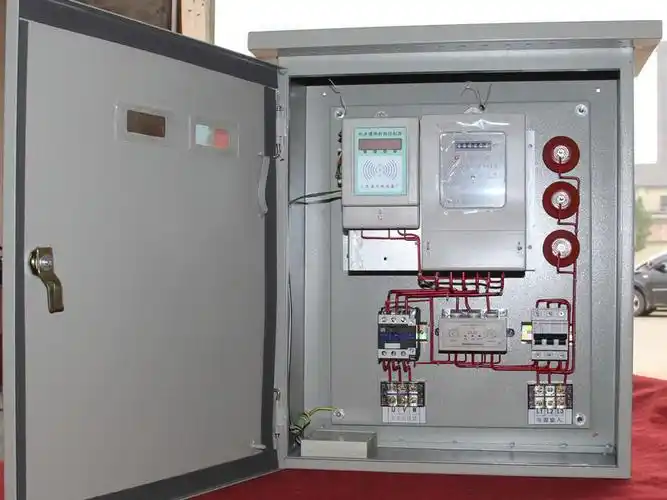
Here is its working principle: After the external power is connected to the main input terminal of the box, the current first passes through the main circuit breaker and GFCI for primary safety protection, and then flows into separate branch circuits. Each circuit is equipped with an independent switch and overload protection device. If a fault occurs on one circuit, it will not affect the normal power supply of other connected equipment.
Compared with traditional extension cords, portable electrical distribution boxes have remarkable advantages. Ordinary extension cords only extend power supply distance and lack professional overload and leakage protection. When multiple devices are used simultaneously, they are prone to overheating and short circuits. In contrast, portable electrical distribution boxes feature multi-level protection, multi-channel power distribution and stable wiring. They come with higher load capacity and safety performance, serving as the professional alternative to extension cords for temporary operations.
Besides, they excel in mobility, environmental adaptability and integrated safety protection. Most enclosures adopt lightweight structures with handles or casters for easy transportation and quick deployment. Dustproof and waterproof models can adapt to harsh outdoor conditions, fully meeting power demands under various working environments.
2. Application Scenarios of Portable Electrical Distribution Boxes
2.1 Construction Sites
Construction sites are one of the primary application scenarios for portable electrical distribution boxes. A large number of power tools, lighting fixtures and small machinery are used on site, and working areas keep changing along with construction progress. Mobile distribution boxes can be moved flexibly to different work zones to provide stable power for cutting machines, electric drills, vibrators and other equipment. Equipped with comprehensive protection systems, they effectively eliminate electrical hazards in complex construction environments and have become standard equipment for temporary power supply on construction sites.
2.2 Outdoor Events
Large-scale events such as concerts, music festivals, outdoor exhibitions and sports events require centralized power for stage lighting, audio systems, large screens and on-site service appliances. Special portable distribution boxes for stage use feature neat layout and easy wiring, enabling fast power arrangement. Most models are waterproof and windproof, suitable for open-air venues to ensure continuous and stable power supply throughout events.
2.3 Industrial Workshops & Temporary Workstations
When adding temporary workstations, conducting equipment maintenance or renovating workshops, fixed power circuits cannot meet flexible power needs. Portable electrical distribution boxes can draw power nearby and supply electricity for temporary processing equipment and testing instruments without modifying original wiring. They can be stored and relocated after use, combining excellent practicality and flexibility.
2.4 Emergency Power Supply & Field Operations
In cases of power outage repairs, outdoor engineering surveys, field exploration and field construction, portable electrical distribution boxes paired with generators can distribute power from generators to multiple devices. They solve power supply problems in areas without access to municipal power grids. Meanwhile, they can support emergency lighting and basic office equipment during unexpected city-wide power outages.
2.5 Outdoor Recreation
For large-scale camping and outdoor team building activities, portable electrical distribution boxes can supply power for outdoor lights, kitchen appliances and audio-visual devices. Lightweight and compact models are easy to operate and highly safe. They keep power connections tidy compared with messy combinations of extension cords.
3. Selection Parameters & Buying Tips
3.1 Current Rating Selection
Current rating is the core factor for selection. Mainstream specifications on the market include 50A, 100A and high-capacity heavy-duty models. Calculate the total load of all connected devices before making a choice. The total rated current of all equipment must be lower than the rated current of the distribution box, with a margin of more than 20%. This prevents circuit aging and tripping caused by long-term full-load operation.
Choose 50A models for small power tools and recreational scenarios. 100A units are ideal for regular construction work and medium-sized outdoor events. Opt for high-capacity heavy-duty distribution boxes for large construction sites, grand performances and occasions with numerous connected devices.
3.2 Ingress Protection (IP) Rating
The IP rating indicates the dustproof and waterproof performance of electrical equipment. Basic dustproof models are sufficient for dry indoor environments. For open-air venues, construction sites on rainy days and humid field areas, units with high waterproof grades are mandatory.
Fully sealed weatherproof enclosures can resist splashing water and outdoor dust, ensuring stable operation outdoors all year round, which is a must for outdoor applications.
3.3 Enclosure Materials
Two mainstream materials are widely used: engineering plastic and metal.
Engineering plastic enclosures are lightweight, well-insulated, corrosion-resistant and easy to carry at a reasonable price. They are suitable for outdoor events, recreational activities and light-duty construction work.
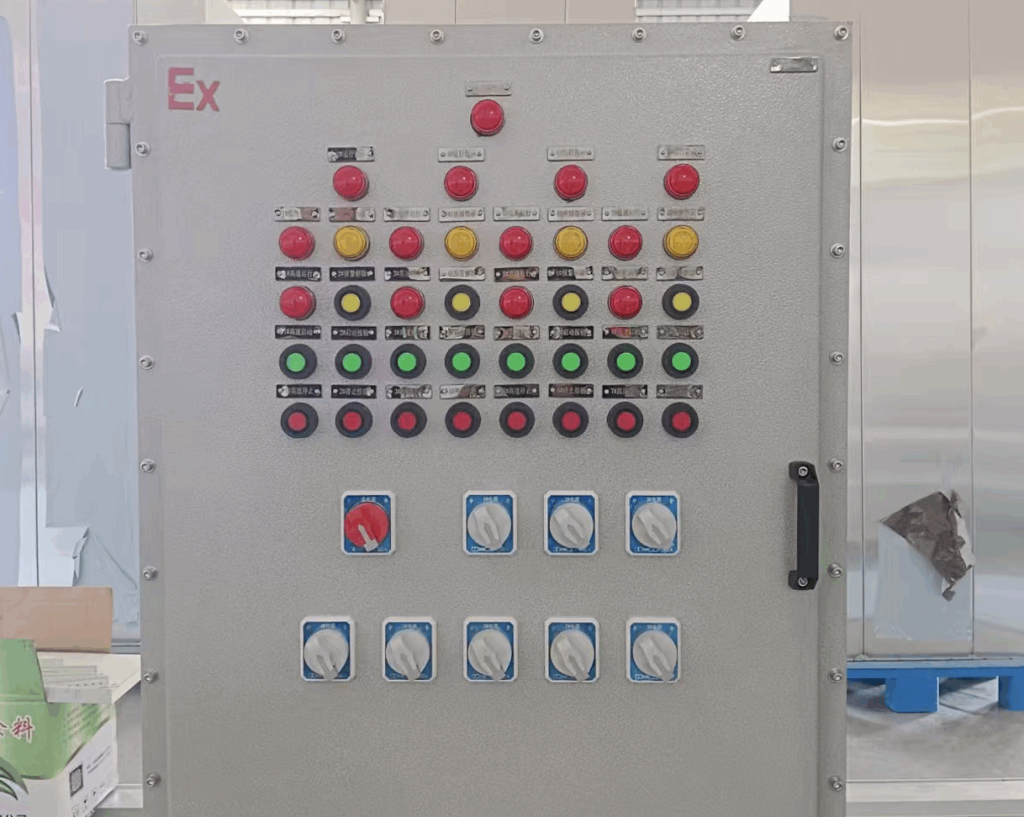
Metal enclosures feature high mechanical strength, impact resistance, high temperature resistance and outstanding wear resistance. They are not easy to deform or damage under long-term heavy-duty use, making them the top choice for harsh working conditions.
3.4 Safety Configurations
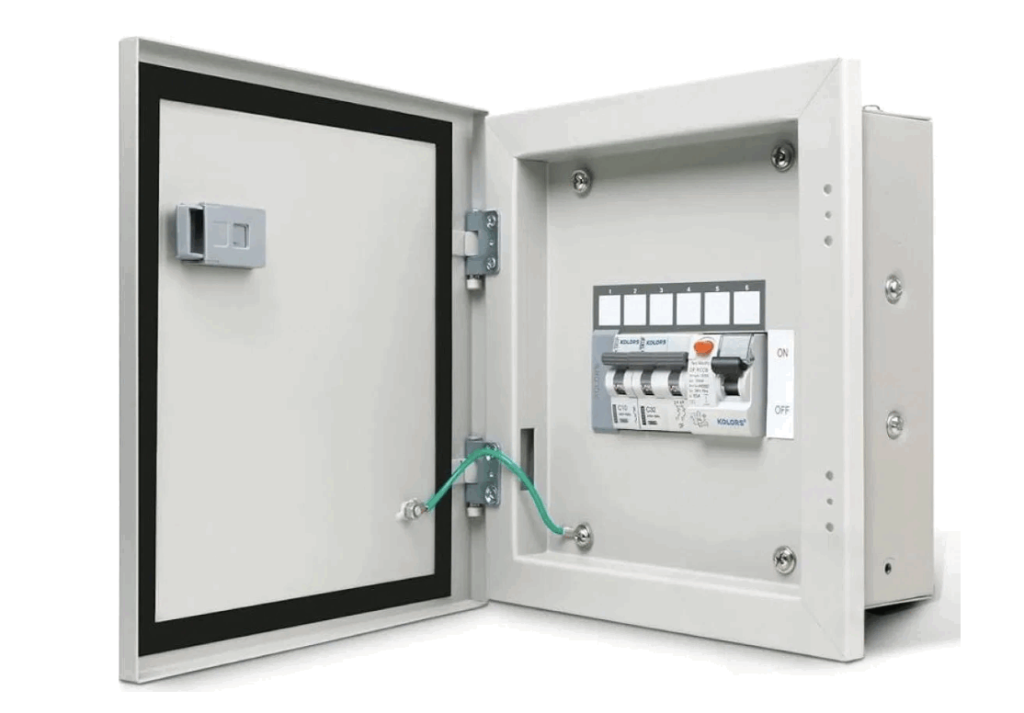
Genuine portable electrical distribution boxes must be fitted with complete safety components. The GFCI can cut off power instantly once electric leakage is detected to prevent electric shock accidents. Multi-level circuit breakers provide dual protection against overload and short circuit for both main and branch circuits, and each branch will trip independently in case of faults.
Always check whether all protective devices are complete and sensitive, as this is the key to electrical safety.
3.5 Portable Design
Select the structure based on service frequency and transportation distance. Compact and lightweight units with anti-slip handles work well for short-distance and occasional movement. For frequent long-distance transportation and heavy-duty models, choose designs with casters and pull handles to reduce labor intensity and improve deployment efficiency.
4. Comparison with Similar Products
4.1 Portable Electrical Distribution Box vs Temporary Power Distribution Unit
Temporary power distribution units adopt highly integrated modular designs. They are mainly used for centralized power distribution in large computer rooms and performance systems. With larger size and poor mobility, they are less flexible to move around. In comparison, portable electrical distribution boxes have compact structures and excellent mobility. They are perfect for medium and small-scale temporary power scenarios with faster setup and wider application range.
4.2 Portable Electrical Distribution Box vs Ordinary Power Splitters & Extension Cords
Ordinary power splitters and extension cords have simple structures, which only extend and split power circuits without professional overload or leakage protection. They can only bear low current loads and are limited to light household use. As industrial-grade temporary power equipment, portable electrical distribution boxes are equipped with comprehensive protection and high load capacity, specially engineered for engineering and commercial outdoor applications. There is a clear gap between the two in terms of safety level and applicable scenarios.
4.3 Portable Electrical Distribution Box vs Fixed Distribution Box
Fixed distribution boxes are permanent power facilities installed in buildings. They are stationary with pre-buried standard circuits for long-term power supply at fixed locations. Portable electrical distribution boxes are designed for mobility and temporary use, which can be moved anytime to match mobile operations. The two types serve distinct purposes and cannot replace each other.
5. Operation, Maintenance & Troubleshooting
5.1 Standard Installation & Deployment Steps
- Place the unit on a flat, dry and stable surface, keeping it away from water and flammable materials.
- Make sure all branch switches are in the OFF position before connecting the main power supply.
- Turn on the main switch and branch switches in sequence, then connect electrical devices one by one and check their operating status.
- After use, disconnect all branch loads first, then turn off the main power and unplug the input cable.
5.2 Daily Maintenance & Storage
Clean dust and debris on the enclosure after each use, and inspect cables and connectors for wear. Cut off all power completely and wipe off moisture before long-term storage. Store the unit in a dry, ventilated and shaded area, avoiding extrusion, direct sunlight and dampness. Test the sensitivity of circuit breakers and GFCI regularly to guarantee normal operation of safety components.
5.3 Common Faults & Solutions
- Tripping immediately after power-on: This is usually caused by electric leakage, short circuit or overload. Disconnect loads one by one to locate faulty devices and reduce total load before restarting.
- No power on a single socket: Check if the corresponding branch switch has tripped and whether the socket wiring is loose. Fasten connections after cutting off power.
- Excessive enclosure heat: Reduce connected loads immediately. Check for bent or squeezed cables and ensure sufficient heat dissipation space.
6. Frequently Asked Questions
Q1: What current rating should I choose for a portable electrical distribution box?
Calculate the total rated current of all devices running simultaneously and reserve a 20% current margin. Select 50A models for household and recreational use, 100A for regular construction sites and medium-sized events, and high-capacity models for sites with a large number of connected devices.
Q2: Are portable electrical distribution boxes waterproof?
Not all models are waterproof. The waterproof performance depends on the IP rating. Indoor units only provide basic dust protection. For open-air outdoor use, you must select dedicated waterproof and weatherproof models.
Q3: Do distribution boxes for outdoor events need OSHA certification?
For commercial outdoor events and construction sites in North America, all portable electrical distribution boxes must comply with OSHA and UL standards, which are mandatory requirements for on-site safety inspections.
Q4: Can a portable electrical distribution box be used with a generator?
Yes. They form a classic combination for areas without municipal power supply. The generator acts as the main power source, and the distribution box distributes power to multiple devices efficiently to support simultaneous operation of various equipment.
7. Conclusion
Portable electrical distribution boxes are indispensable professional equipment for temporary power supply. They play a vital role in construction, outdoor performances, emergency power support and field operations. When purchasing, confirm the current rating, IP rating and enclosure material according to application scenarios, and always choose products with qualified certifications.
Follow standard operating rules and conduct regular maintenance during use. These practices can extend service life and eliminate potential electrical risks fundamentally. Select the right model matching your actual load and working environment to maximize its performance.
Reference Standards
UL 1077: Standard for Supplementary Overcurrent Protectors for Electrical Equipment
OSHA 29 CFR 1926 Subpart K: Safety Standard for Temporary Electrical Power on Construction Sites (USA)
UL 50: Standard for Enclosures for Electrical Equipment