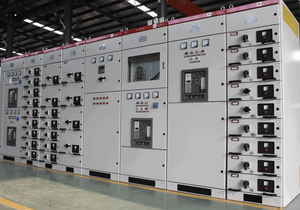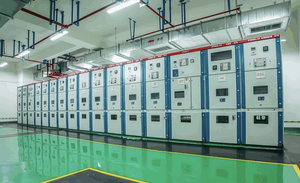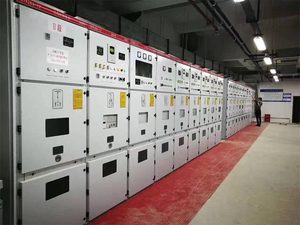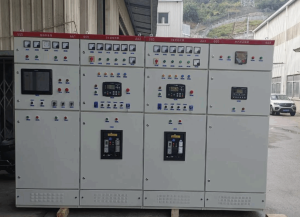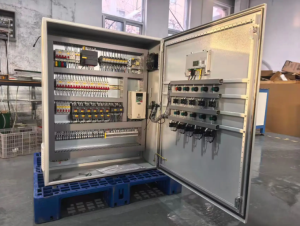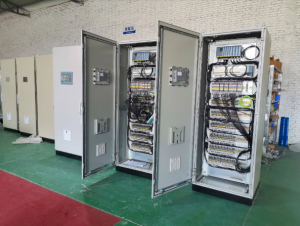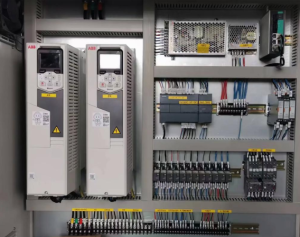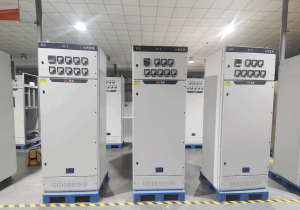
Generators serve as core equipment to ensure continuous power supply in residential emergency power scenarios, industrial production, construction sites and outdoor operations. As an essential supporting device for the entire power supply system, the generator power distribution box distributes electric power output by generators, controls circuits and provides safety protection. It effectively prevents circuit overload, short circuits, electric leakage and other faults, protecting both generators and terminal electrical equipment, as well as personal safety.
This article elaborates on basic knowledge, product classification, key technical parameters, selection methods, wiring and installation procedures, safety operation guidelines, supporting accessories and purchasing tips of generator power distribution boxes.
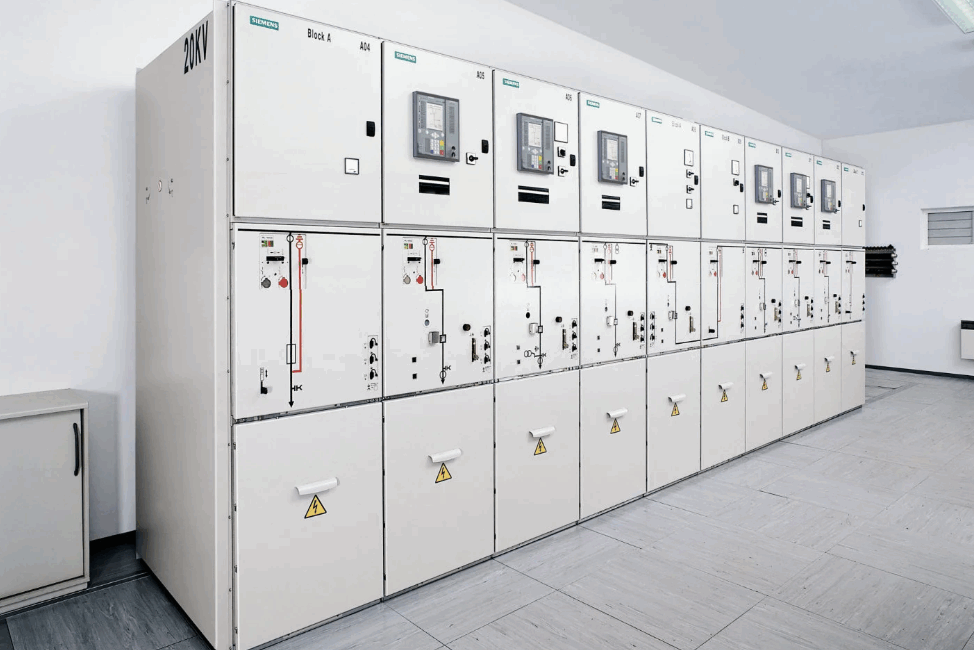
1. What Is a Generator Power Distribution Box?
Also known as generator distribution panel or generator junction box, the generator power distribution box is a dedicated power distribution device designed to adapt to the output characteristics of generators. Unlike conventional mains distribution boxes, it is specially optimized to cope with instantaneous voltage fluctuation and load switching of generators.
It has four core functions:
- Power Distribution: It divides the single power output from the generator into multiple independent circuits, enabling power supply to multiple devices and areas separately.
- Circuit Protection: Equipped with circuit breakers and residual current protectors, it automatically cuts off power in case of overload, short circuit or electric leakage, avoiding equipment burnout and electric shock accidents.
- Voltage Stabilization and Circuit Isolation: It stabilizes the output voltage of generators and isolates individual circuits, so that faults on one circuit will not affect the whole power generation system.
- Convenient Operation and Management: Integrated with switches, indicator lights and wiring terminals, it allows operators to start or stop circuits and check power status efficiently, simplifying on-site power management.
Many users wonder whether a dedicated distribution box is a must for generators. For temporary power supply to a single small electrical appliance, the configuration can be simplified. However, a dedicated generator power distribution box is mandatory for multi-circuit power supply, high-power loads, long-term operation and outdoor applications, which is a basic requirement for electrical safety. Conventional mains distribution boxes cannot adapt to the operating features of generators, and improper use will easily lead to circuit failures.
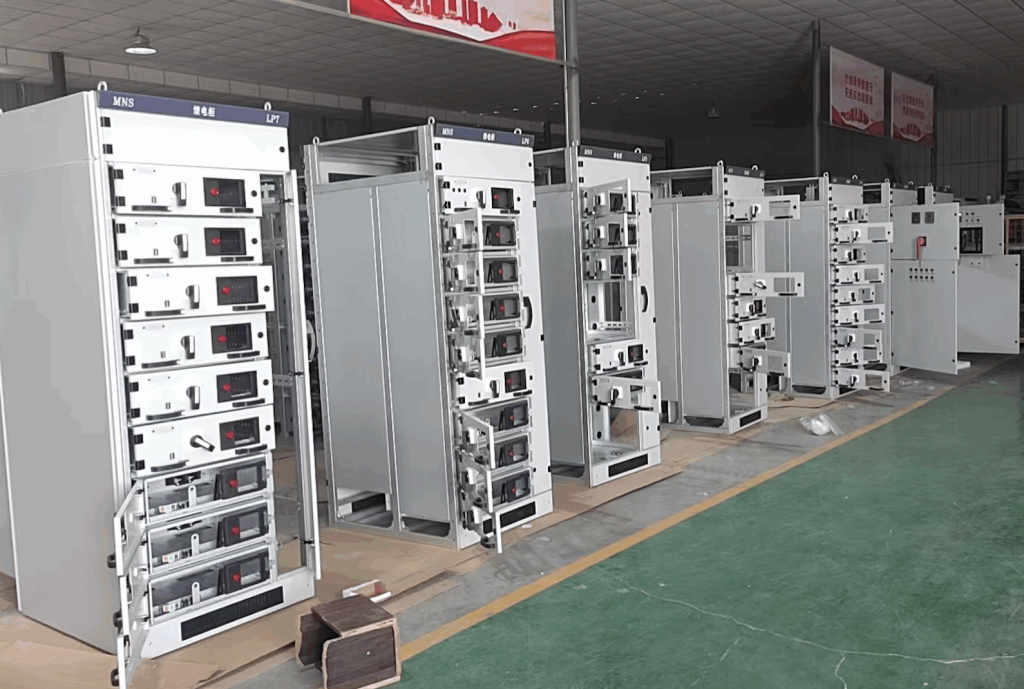
2. Working Principle of Generator Power Distribution Boxes
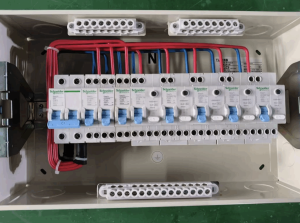
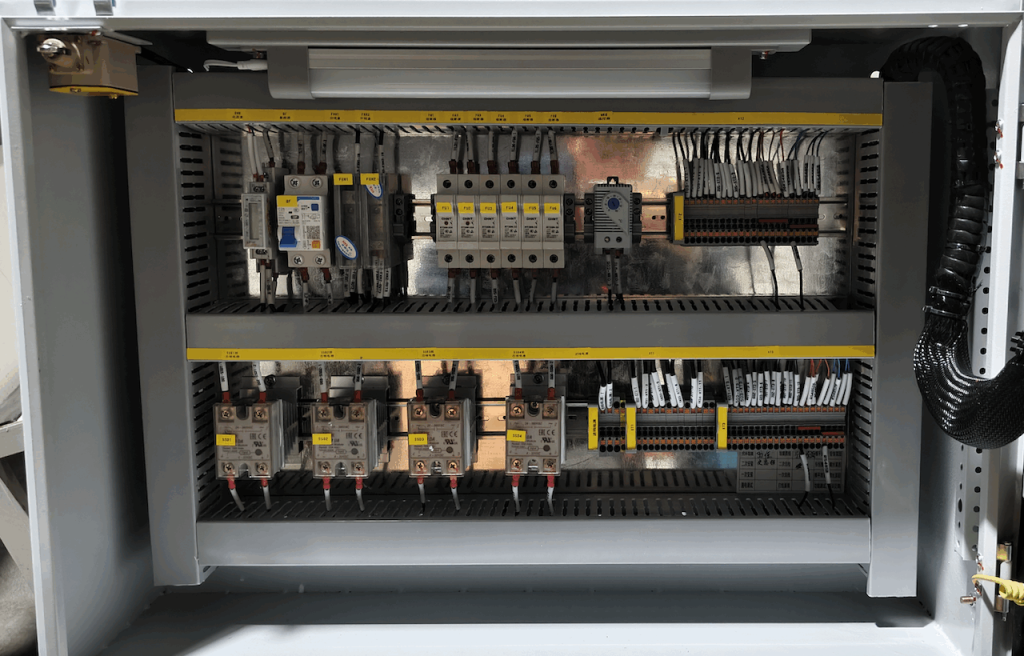
After the generator starts and produces alternating current, the electric current flows into the main incoming terminal of the distribution box and first passes through the main circuit breaker for primary protection. Then the current is delivered to the internal busbar and further divided into separate branch circuits equipped with individual circuit breakers.
Each circuit is connected to an exclusive output port to supply power to terminal equipment. Once overload, short circuit or electric leakage occurs on a single circuit, the corresponding branch protector will trip and cut off power immediately. In the event of system-wide faults, the main circuit breaker will disconnect the total power supply.
Different from ordinary distribution boxes, dedicated generator power distribution boxes are fitted with voltage adaptation modules and surge protection components. These parts offset voltage surges caused by generator startup, shutdown and load switching, restrain harmonic waves and voltage instability, and greatly reduce potential safety hazards.
3. Main Classifications of Generator Power Distribution Boxes
Generator power distribution boxes are classified by power phase, application scenario, structure and environmental protection level. These categories are key references for product selection.
3.1 Classification by Power Phase
- Single-phase Generator Power Distribution Box: Matched with 220V single-phase generators. It features simple structure and fewer circuits, mainly used for household emergency power supply, small domestic appliances and light-duty outdoor tools.
- Three-phase Generator Power Distribution Box: Designed for 380V three-phase generators. It carries larger current and adopts complex circuit layout, suitable for industrial equipment, large construction machinery and heavy-duty tools at construction sites. It is the mainstream choice for industrial applications.
3.2 Classification by Application Scenario
- Household Type: Compact in size and easy to operate. It meets basic indoor protection requirements with primary leakage and overload protection, and has a simple appearance.
- Industrial Type: Adopts reinforced enclosure and high-capacity electrical components for long-duration continuous operation, ideal for high-intensity power consumption in factories and industrial parks.
- Temporary Type for Construction Sites: Complies with safety standards for temporary power use on construction sites. It is impact-resistant and wear-resistant with abundant wiring ports to facilitate temporary wiring on site.
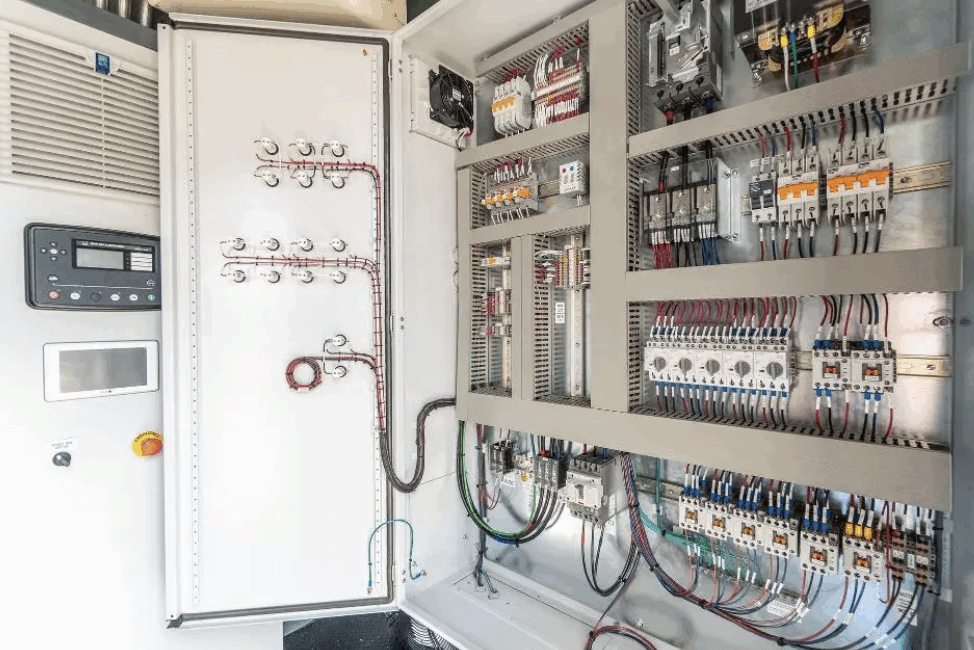
3.3 Classification by Structural Form
- Portable Generator Power Distribution Box: Lightweight and fitted with handles for easy movement. It is widely used in outdoor operations, routine inspections and mobile construction that require frequent relocation.
- Fixed Generator Power Distribution Box: Built with sturdy enclosures for wall-mounted or floor-standing installation. It is applied to workshops, machine rooms and fixed power stations for long-term stationary use.
3.4 Classification by Service Environment
- Indoor Standard Type: Designed only for dust prevention. It is applicable to dry and enclosed indoor spaces.
- Outdoor Waterproof Type: With qualified IP protection rating for dustproof, waterproof and rainproof performance, it can be used in open-air environments such as field work sites and outdoor generator sets.
4. Technical Parameters of Generator Power Distribution Boxes
Technical parameters determine the compatibility between distribution boxes and generators. The following indicators need to be checked carefully during procurement and selection:
- Rated Voltage: Divided into 220V single-phase and 380V three-phase types. The voltage of the distribution box must fully match that of the generator.
- Rated Current: Refers to the maximum current the box can carry continuously. A higher rated current means the box can support higher load power.
- Number of Circuits: The quantity of independent power supply branches, which shall be selected according to the number of electrical devices in simultaneous operation.
- Enclosure Material: Common options include engineering plastic, cold-rolled steel plate and stainless steel. Stainless steel features excellent rust and corrosion resistance, making it the preferred choice for outdoor and humid environments.
- IP Protection Rating: Indicates dustproof and waterproof performance. Products with high IP ratings are recommended for outdoor use.
- Product Certification: Qualified products with official industry safety certifications guarantee quality and compliance.
- Overall Dimension and Weight: For portable models, priority shall be given to proper size and weight for easy handling. For fixed models, dimensions shall be determined based on installation space.
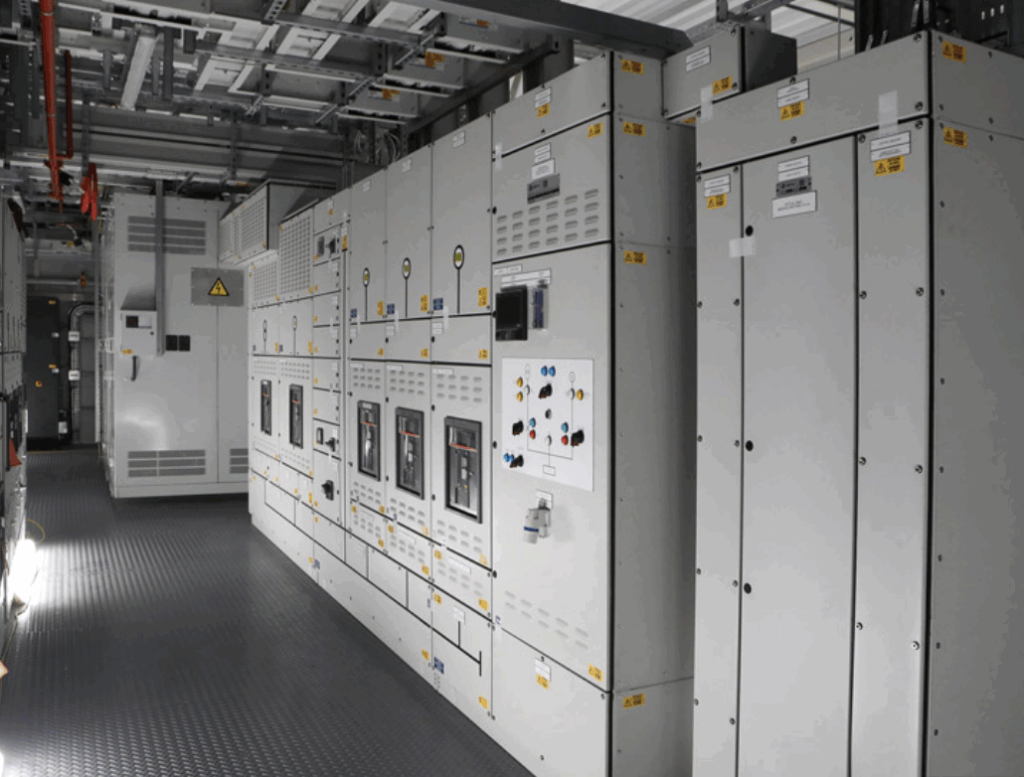
5. Selection Guide for Generator Power Distribution Boxes
Follow the steps below based on generator power, electrical equipment and service environment to avoid mismatched products:
- Match Generator Power: Confirm the rated power of the generator first. The rated load capacity of the distribution box must be higher than the maximum output power of the generator with sufficient power margin, to prevent full-load operation.
- Determine Power Phase: Choose single-phase distribution boxes for household appliances and small single-phase tools; select three-phase models for industrial motors and large three-phase equipment.
- Calculate Circuit Quantity: Count the number of devices running simultaneously and reserve 1 to 2 spare circuits for future expansion.
- Select Enclosure Material and Protection Level by Environment: Plastic or steel enclosures are acceptable for dry indoor areas. Stainless steel enclosures with high IP waterproof ratings are recommended for outdoor, open-air, rainy and humid conditions.
- Choose Structural Form by Usage Mode: Pick portable models for mobile and temporary work; adopt wall-mounted or floor-standing fixed models for long-term use in fixed workshops and machine rooms.
- Check Protection Configuration: Basic circuit breakers are sufficient for general scenarios. Distribution boxes equipped with residual current protectors are required for areas with frequent human contact and humid environments.
6. Wiring Methods for Generator Power Distribution Boxes
Wiring is a high-risk operation. Make sure the generator is completely shut down and the total power is cut off before operation, and follow standard specifications strictly.
6.1 Preparations
Prepare insulated gloves, electrician’s pliers, voltage testers and other professional tools. Inspect internal components and wires for damage, and ensure all switches are in the off position.
6.2 Incoming Wiring
Connect the output cables of the generator to the main incoming terminals correspondingly. Distinguish live wire, neutral wire and ground wire clearly. For three-phase products, keep the phase sequence correct. Fasten all terminals firmly to avoid loose connection and overheating.
6.3 Branch Circuit Wiring
Connect load cables to corresponding output ports of each branch circuit as planned. One circuit shall serve one group of equipment exclusively. Cross-connection between different circuits is prohibited.
6.4 Circuit Inspection
After all wiring work is completed, recheck all terminals and cable layout. Ensure cables are arranged neatly without extrusion, winding or exposed copper wires. Turn on branch switches and then the main switch in sequence for power-on test after full confirmation.
6.5 Common Wiring Mistakes to Avoid
Do not alter phase sequence or connect different circuits in parallel without authorization. Never leave copper wires exposed. Avoid using non-standard extended cables, which may cause excessive line voltage drop and faults.
7. Installation of Generator Power Distribution Boxes
7.1 Installation Location Requirements
Fixed distribution boxes shall be installed in well-ventilated and dry areas, away from heat sources and flammable and explosive materials. For outdoor installation, avoid low-lying waterlogged areas and direct long-term sunlight exposure, and add rain protection measures. The installation height shall comply with general electrical standards for easy operation and maintenance.
Place portable distribution boxes on flat ground, keeping them away from ponding, weeds and sharp objects to prevent toppling and cable abrasion.
7.2 Basic Installation Procedures for Fixed Models
- Mark and drill holes on walls or supporting brackets according to mounting holes on the box, and fasten the box securely without shaking.
- Arrange incoming and outgoing cables and fix them with cable clamps to prevent cables from pulling wiring terminals.
- Close the box door after wiring. Check whether the waterproof rubber strip is fully sealed for outdoor models.
- Conduct overall inspection before putting the device into service.
8. Safe Operation of Generator Power Distribution Boxes
Safety is the top priority for electrical equipment. Standard daily maintenance can also extend the service life of distribution boxes.
8.1 Daily Operation Rules
- Avoid frequent switching on and off during operation.
- Overload operation is strictly forbidden. If the switch trips frequently, cut off power immediately and troubleshoot load faults.
- Do not open the box door or touch the enclosure, switches and wiring parts with wet hands while the device is running.
8.2 Regular Maintenance
- Daily Inspection: Check the box for damage, confirm indicator lights work normally, and listen for abnormal noise or odors.
- Regular Dust Removal: Cut off power and remove dust and debris inside the box periodically to prevent short circuits caused by accumulated dirt.
- Cable Inspection: Check cables and terminals regularly for aging and looseness, and replace damaged cables in a timely manner.
- Component Testing: Test the tripping function of circuit breakers and residual current protectors. Replace faulty protective components with parts of the same specifications immediately.
8.3 Emergency Troubleshooting
Once tripping, overheating, abnormal noise and other faults occur, cut off the total power supply and stop operation right away to find out the causes. Non-professional personnel are not allowed to disassemble internal components. Contact professional electricians for complex faults.
9. Purchasing Tips for Generator Power Distribution Boxes
Besides technical parameters and classifications, the following points should be noted to ensure stable performance and cost-effectiveness:
- Choose products from regular manufacturers and verify product qualifications and safety certifications. Reject uncertified products.
- Select enclosure materials according to service life: stainless steel for long-term outdoor use and engineering plastic for short-term temporary use.
- Customize circuits, ports and protection configurations for bulk engineering procurement to match actual on-site operating conditions.
- Compare workmanship and brand of internal components. The quality of core electrical components directly determines the overall operating stability.
10. Frequently Asked Questions
Is a dedicated distribution box necessary for generators?
It is acceptable to use temporary wiring for a single small electrical appliance for short-term use. A dedicated generator power distribution box is mandatory for multi-circuit power supply, high-power loads, long-term operation, outdoor and construction site use to guarantee electrical safety.
How to choose between single-phase and three-phase distribution boxes?
The selection depends on the type of generator and connected electrical equipment. Choose single-phase models for household appliances and single-phase tools, and three-phase models for industrial motors, large construction equipment and three-phase generator sets.
Are outdoor distribution boxes waterproof?
Genuine outdoor generator power distribution boxes are designed with waterproof structure and qualified IP protection ratings to adapt to rainy and open-air environments. Indoor models must not be used outdoors.
Can conventional mains distribution boxes replace generator dedicated ones?
No. Generators have different operating characteristics including voltage fluctuation compared with municipal power supply. Ordinary distribution boxes lack targeted design for generators, and alternative use will easily lead to faults and safety accidents.
What causes frequent tripping of distribution box switches?
Frequent tripping is usually caused by overload, short circuit, electric leakage or aging protective components. Check loads and circuits one by one, and replace faulty components when necessary.
Conclusion
As the safety hub of power generation and supply systems, generator power distribution boxes play an irreplaceable role in household emergency power supply, large-scale industrial production and construction sites. When selecting products, take generator power, power phase, application scenarios and environmental conditions as the core references. Follow electrical specifications strictly during installation and wiring, and conduct regular inspection and maintenance.
Appropriate product selection, standard operation and routine maintenance ensure stable operation of generators and supporting distribution boxes. They can deliver reliable power supply for emergency scenarios and production activities, while fully protecting equipment and personal electrical safety.
Reference Documents
- Code for Design of Low Voltage Electrical Installations (GB 50054): General standards for design, wiring, protection and installation of low-voltage distribution boxes.
- Technical Specification for Temporary Power Use on Construction Sites (JGJ 46): Mandatory codes for application, installation and safety management of temporary generator distribution boxes on construction sites.
- GB 7251 Series, Low-voltage Switchgear and Controlgear Assemblies: Standards for enclosure design, electrical components and performance testing of distribution boxes.