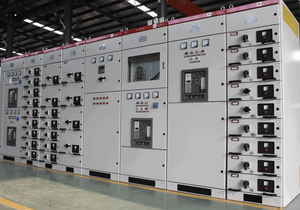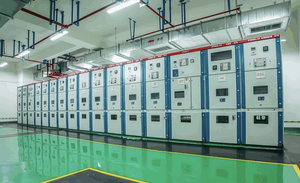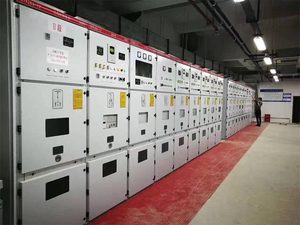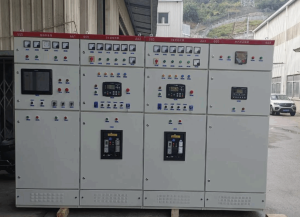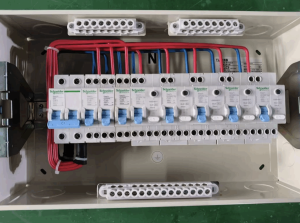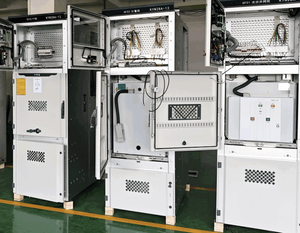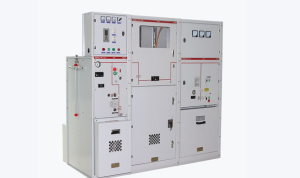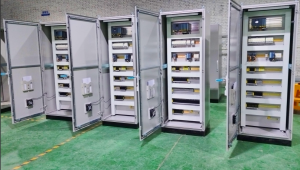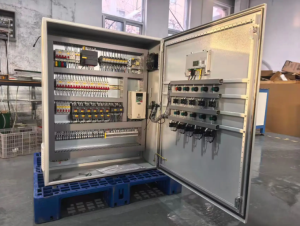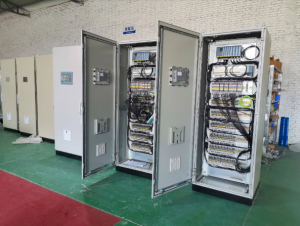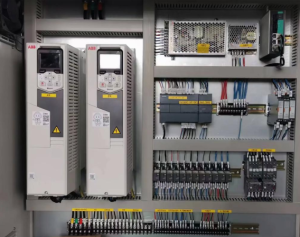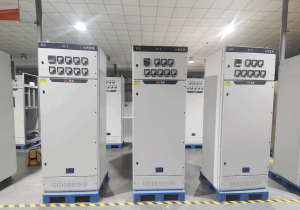
In construction sites, outdoor events, industrial maintenance, emergency rescue and other scenarios, temporary power distribution equipment is the core infrastructure to ensure stable power supply and safe operation on site. Temporary electrical distribution boxes, also commonly known as spider boxes or portable power distribution panels in the industry, are portable power distribution devices designed specifically for short-term and non-permanent power consumption scenarios. They split the main power supply into multiple low-voltage power outlets, fully meeting various temporary power needs, and are essential equipment for compliant construction in overseas engineering projects.
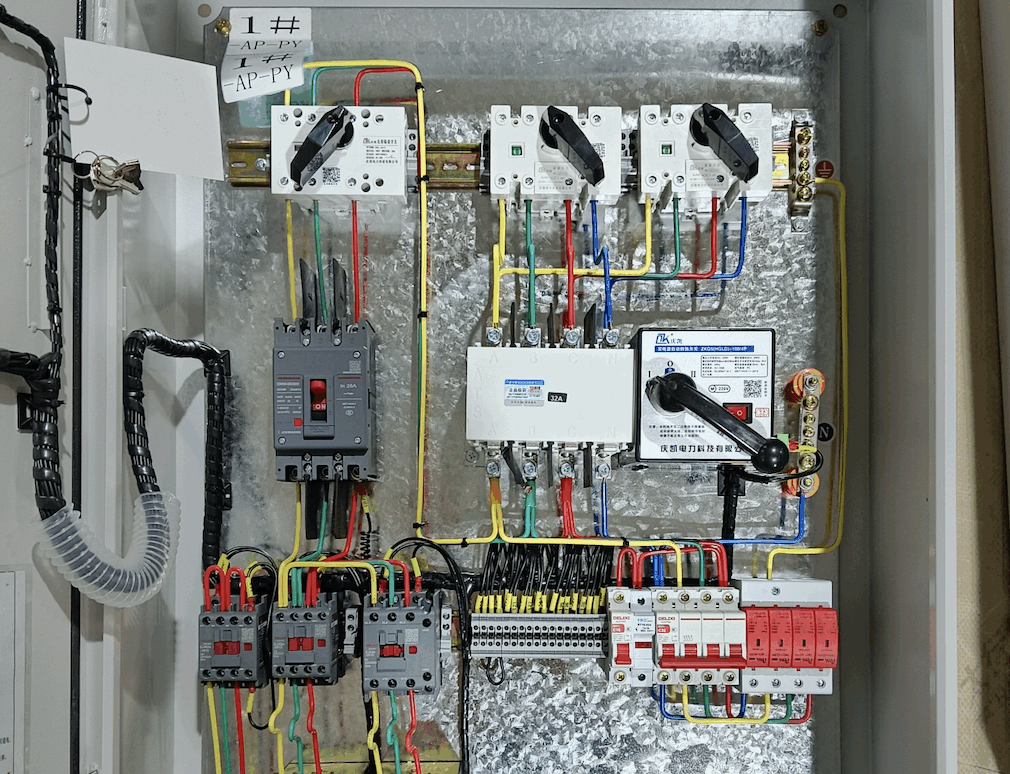
1. What Is a Temporary Electrical Distribution Box?
A temporary electrical distribution box is a portable power distribution unit different from fixed building power distribution systems. Adopting a modular, lightweight and reinforced structure, it requires no embedded installation or wall mounting. It can be deployed quickly and moved flexibly, mainly used for power distribution and electrical protection in short-term construction, temporary activities and emergency repairs.
Its core working principle is to connect to the on-site main power supply. Through internal components such as circuit breakers, leakage protectors and distribution circuits, it divides a single main power source into multiple independent power supply circuits. It provides stable power for on-site construction equipment, lighting systems, temporary machinery, event stalls and other electrical loads, while realizing automatic power cut-off protection against overload, short circuit and electric leakage.
Compared with traditional fixed electrical distribution boxes, temporary versions are positioned for short-term application, outdoor durability, easy mobility and reliable safety. They do not rely on fixed infrastructure and can be disassembled and reused repeatedly, effectively solving the industry challenge of lacking compliant power distribution systems in various temporary scenarios.
2. Features and Application Advantages of Temporary Electrical Distribution Boxes
Temporary electrical distribution boxes have become standard equipment for overseas engineering and outdoor applications, thanks to their product characteristics and practical values tailored to on-site operations. They adapt to harsh outdoor and construction environments while ensuring high safety and practicality.
2.1 Core Product Features
First of all, the product features a portable and lightweight design. With a compact structure and reasonable weight, it is equipped with handles or lifting structures, allowing a single person to carry and relocate it easily, which suits scenarios requiring frequent position changes. Secondly, it delivers all-weather protection. Most models are rated with high IP protection grades against water and dust, effectively resisting rain, dust and gravel, and performing well in open-air sites, dusty construction areas and humid environments.
In addition, the devices are fitted with comprehensive built-in safety components, including standard GFCI ground fault protection, overload protectors and short-circuit circuit breakers. Some high-end models are equipped with anti-electric shock and misoperation-proof latches to eliminate potential electrical hazards at the hardware level. Furthermore, the flexible layout of multiple independent output outlets enables compatibility with electrical devices of different power ratings and types.
2.2 Application Advantages
In terms of construction efficiency, temporary electrical distribution boxes eliminate complicated wiring, embedding and fixing work. They can be put into use immediately after connection, greatly shortening the setup time of on-site power distribution and meeting the demands of rush projects and rapid deployment for temporary events. In terms of cost control, there is no need to build permanent power distribution infrastructure for short-term projects or one-off outdoor activities. The reusability of these boxes significantly cuts infrastructure investment and resource waste.
From the perspective of operational safety, centralized power distribution standardizes on-site wiring and prevents electric shock and fire risks caused by messy or unauthorized wiring. Built-in protective components monitor circuit abnormalities in real time and cut off power promptly to protect personnel and equipment. Meanwhile, these products comply with mainstream overseas construction standards and can easily pass on-site safety inspections.
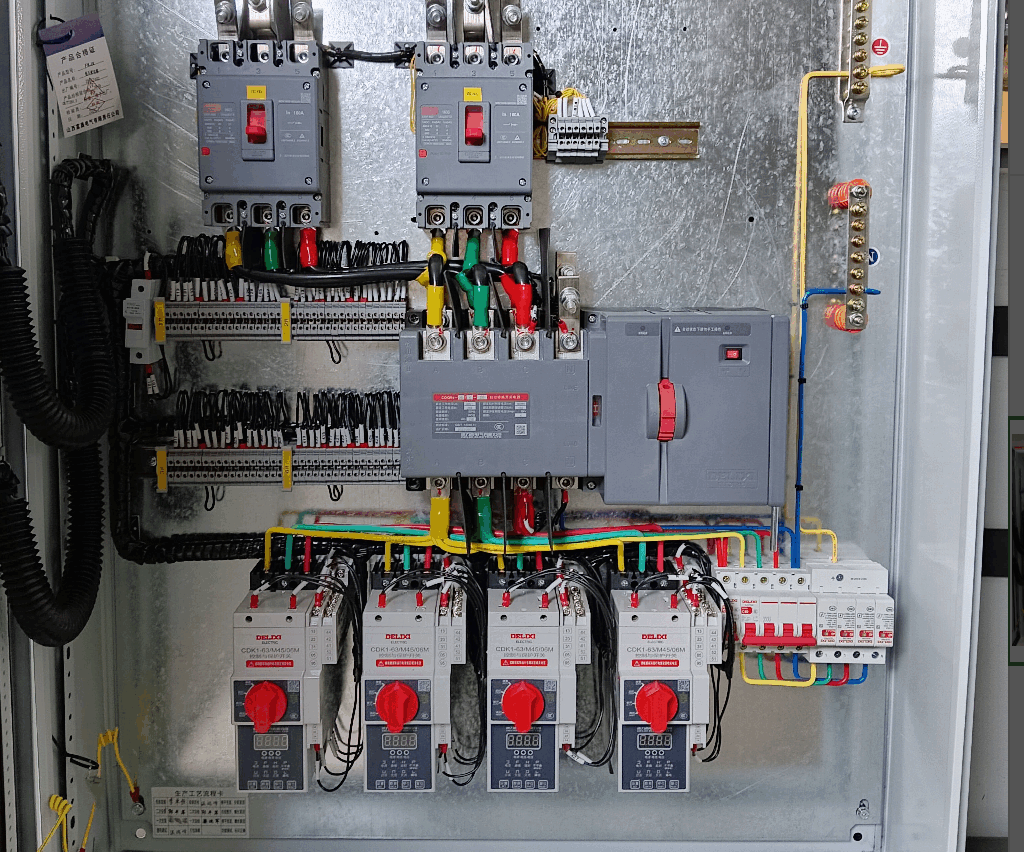
3. Application Scenarios of Temporary Electrical Distribution Boxes
Temporary electrical distribution boxes are widely applied in civil, industrial and emergency fields. With strong flexibility, they serve as key power supply equipment for locations without fixed power distribution facilities. The main application scenarios are as follows:
3.1 Construction Sites (Mainstream Application)
They are used in new building construction, building renovation, site expansion and other engineering works, supplying stable power for construction drills, cutting machines, vibrators, temporary lighting, small hoists and other equipment. Construction sites feature complex environments, scattered electrical devices and flexible operation cycles. Temporary distribution boxes can be moved and adjusted according to construction areas, fully catering to power demands throughout civil engineering, decoration and electromechanical installation phases.
3.2 Large-Scale Outdoor Events
They are extensively deployed for outdoor concerts, sports events, exhibitions, market stalls, outdoor weddings and other short-term activities, providing compliant power for stage facilities, audio and lighting equipment, stall appliances, on-site monitoring and emergency lighting. Such events have short power consumption cycles, scattered power points and temporary venues. These portable boxes can be set up quickly and dismantled right after events without leaving residues on site.
3.3 Industrial Operation and Maintenance
During equipment maintenance, production line upgrading and workshop renovation in factories, fixed power distribution systems often need to be shut down. Temporary electrical distribution boxes act as supplementary power sources to ensure the normal operation of maintenance tools, temporary lighting and backup equipment. They keep daily operational work running and avoid economic losses caused by factory power outages.
3.4 Emergency Rescue and Repair Works
When natural disasters such as floods, typhoons and earthquakes occur, or during road and pipeline emergency repairs, fixed power distribution facilities are likely to be damaged and fail to work. Matched with generators and emergency power supplies, temporary distribution boxes can quickly build a temporary power distribution system to supply electricity for rescue equipment, emergency lighting, temporary resettlement sites and repair machinery, making them essential supporting equipment for emergency operations.
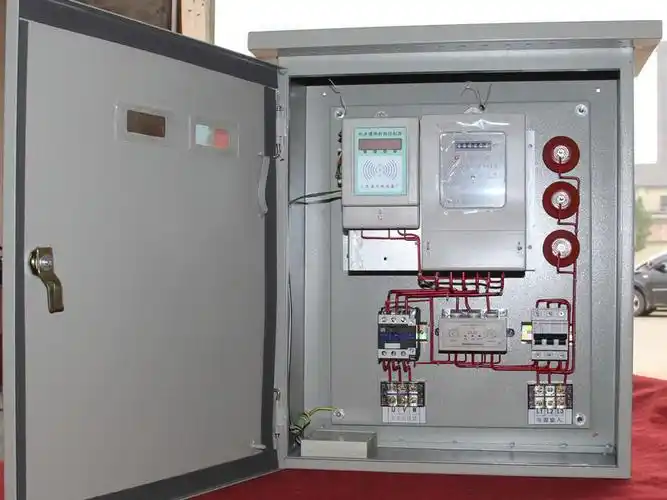
4. Core Differences Between Temporary and Fixed Electrical Distribution Boxes
Many users tend to confuse these two types of power distribution equipment during selection. They differ fundamentally in structural design, service life, environmental adaptability and cost model. A clear distinction helps users select products matching specific scenarios.
| Comparison Dimension | Temporary Electrical Distribution Box | Fixed Electrical Distribution Box |
| Structure & Mobility | Modular and portable structure, allowing free transportation, relocation and disassembly with no fixed installation requirements | Integrated fixed structure, requiring wall embedding and screw fixation with no mobility |
| Service Life & Application Cycle | Designed for short-term, temporary and periodic power supply scenarios and supports repeated reuse | Built for long-term and permanent building power consumption, serving the entire service life of building structures |
| Environmental Adaptability | Reinforced outdoor design with waterproof, dustproof and impact-resistant performance, adaptable to harsh and complex working environments | Adopts conventional indoor design with low protection grade and poor resistance to severe outdoor conditions |
| Deployment & Cost Performance | Features fast deployment and zero infrastructure investment, with low short-term use cost and high reusability | Complicated deployment procedures and high infrastructure costs, only suitable for long-term continuous power supply scenarios |
5. OSHA Compliance Standards for Temporary Electrical Distribution Boxes
For overseas engineering and outdoor projects in foreign countries, OSHA compliance of temporary electrical distribution boxes is a core indicator for safety inspections, and a key factor to avoid project rectification and safety penalties. All temporary power equipment used on construction sites must comply with core requirements of OSHA temporary power regulations.
5.1 Basic Certification Requirements
Temporary electrical distribution boxes used for engineering projects in the United States and North America must obtain OSHA certification. Their overall structure, circuit layout and protective components shall conform to the power regulations specified in 29 CFR 1926. Non-certified or modified equipment is strictly prohibited. All compliant products are marked with clear certification labels, protection grades and rated parameters for verification by on-site safety officers.
5.2 Mandatory Safety Configuration Rules
Grounding protection is a mandatory requirement. All temporary electrical distribution boxes and connected electrical equipment must be reliably grounded to prevent electric leakage and electric shock. Devices without grounding structures are not allowed to be used. In addition, GFCI ground fault circuit interrupters must be installed as standard, which can cut off power within milliseconds once ground faults or electric leakage occur, ensuring safety in humid outdoor and open-air construction environments.
Each device shall be equipped with dual protection against overload and short circuit. Circuit breakers with specifications matching the rated load shall be adopted to prevent circuit overload and wire burnout caused by the simultaneous operation of multiple devices. For outdoor use, the products shall have an IP rating of IP65 or higher for water and dust resistance, and all outlets shall be fitted with waterproof and dustproof covers to ensure safe operation in rainy and dusty conditions.
5.3 On-Site Safety Operation Guidelines
Temporary electrical distribution boxes shall be placed on flat, dry and well-ventilated areas, away from ponding, flammable and explosive materials and areas vulnerable to heavy machinery impact. Extra rainproof enclosures shall be arranged for open-air use. All wiring work must be standardized. Unauthorized wiring, overloaded connection and illegal parallel connection of multiple devices are forbidden. Inspect wires, outlets and protective components for integrity before daily operation.
Cut off the main power supply and tidy up wires after work. Store the equipment properly when not in use for a long time to prevent aging and damage caused by long-term exposure to harsh environments. It is strictly forbidden to disassemble protective structures or modify internal circuits arbitrarily. Any equipment altered without permission will no longer be recognized as compliant during inspections.
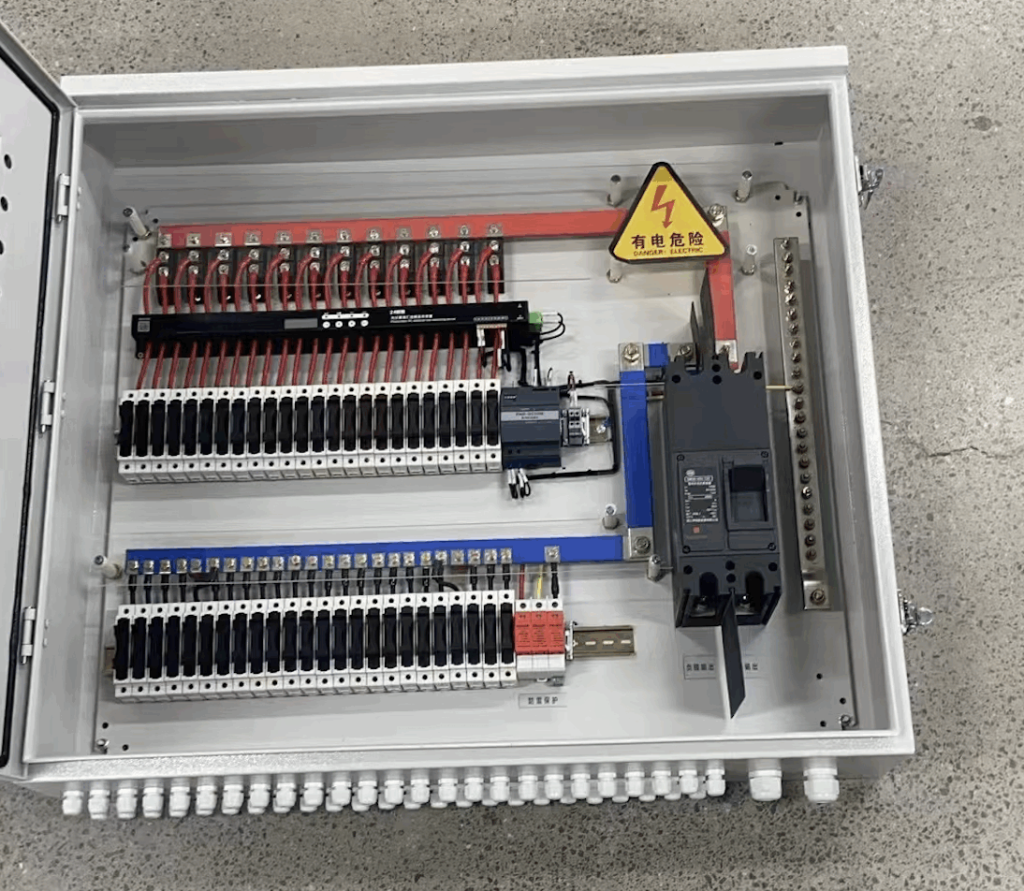
6. Selection Guide for Temporary Electrical Distribution Boxes
Power demands vary greatly across different scenarios and loads. Product selection shall comprehensively consider operating conditions, power load, environmental factors and compliance requirements. The key selection tips are as follows:
6.1 Selection Based on Core Parameters
Prioritize the protection grade. Choose models with IP65 or higher water and dust resistance for outdoor construction sites and humid environments, while IP54 grade products are suitable for conventional indoor temporary scenarios. Secondly, confirm the load capacity. Select distribution boxes with corresponding rated current and power according to the total power of simultaneously operating equipment on site, and reserve about 20% power margin to avoid overload operation.
Match the quantity and type of outlets to actual demands. Choose products with multiple universal outlets or dedicated industrial outlets according to the number of electrical devices and plug specifications to support the simultaneous use of various equipment. In terms of materials, engineering plastic or aluminum alloy are preferred, featuring good impact resistance, corrosion resistance and anti-aging performance to adapt to harsh construction conditions.
6.2 Scenario-Based Selection
- Heavy-duty construction sites: Choose industrial-grade heavy-duty temporary distribution boxes with high protection grades and large load capacity. Such products are anti-drop and wear-resistant, ideal for high-frequency use and high-power equipment.
- Light-duty outdoor events: Opt for lightweight portable models that balance compliance and mobility for easy assembly, disassembly and transportation to meet power needs of short-term events.
- Emergency repair works: Select compact and portable models with quick wiring functions and basic protective structures for rapid deployment in sudden repair tasks.
- Industrial maintenance: Pick products with stable voltage and strong anti-interference performance to guarantee steady power supply for precision maintenance equipment.
6.3 Qualification Verification
For products exported or used in overseas construction projects, verify OSHA certification and relevant electrical safety test reports to ensure compliance with local standards. Meanwhile, check the manufacturer’s qualifications and after-sales service system. Prioritize standardized products from regular manufacturers and reject unqualified or counterfeit goods to avoid potential safety and compliance risks.
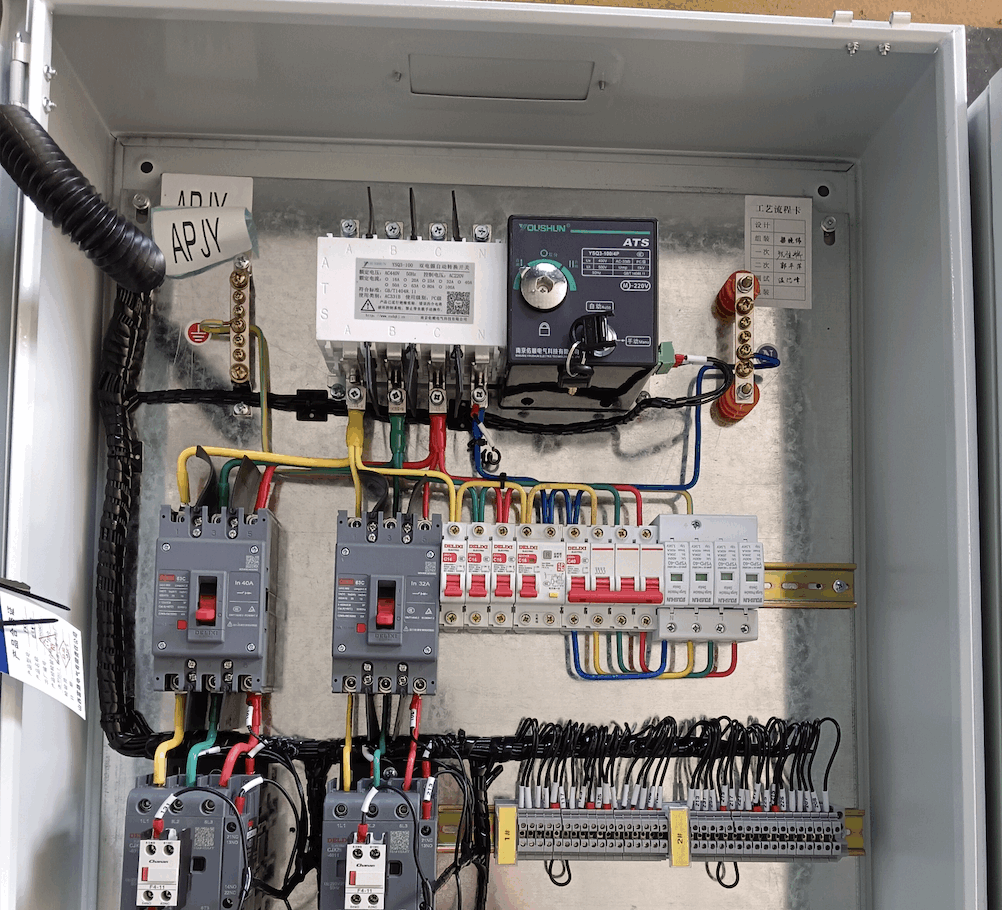
7. Installation and Maintenance Tips for Temporary Electrical Distribution Boxes
7.1 Standard Quick Installation Procedures
First, clean the installation area to ensure a flat, dry and unobstructed space far from hazard sources. Next, inspect the equipment appearance, wires and protective components to confirm no damage or faults. Then complete reliable grounding connection. After connecting the main power supply, conduct a no-load power test to check the normal operation of all circuits and outlets. Finally, connect electrical devices and arrange wires in order to finish the overall power distribution setup.
7.2 Daily Inspection and Maintenance
Implement a daily inspection routine. Before operation, check whether the shell, outlets and wires are damaged, the grounding is firm, and circuit breakers and protectors work sensitively. Conduct a comprehensive circuit inspection every week, remove dust and accumulated water on the equipment, and troubleshoot potential wire aging issues. For repeatedly used devices, carry out regular disassembly and maintenance, inspect the wear of internal parts, and replace aged or faulty components in a timely manner.
Cut off power and store the equipment in dry and ventilated indoor areas when it is idle. Avoid long-term exposure to sunlight and rain which may cause material aging and circuit dampness. Handle the device gently during transportation to prevent impact damage to protective structures and internal precision components.
7.3 Common Faults and Solutions
Frequent tripping is usually caused by circuit overload or electric leakage. Reduce the connected load in time, inspect damaged wires and ground faults, and resume use after troubleshooting. Poor contact at outlets generally results from accumulated dust, ponding or component aging. Clean the outlets and wipe off water stains; replace faulty outlets if necessary. If the device fails to supply power, first check the main power connection and the status of circuit breakers to find out broken circuits. Never perform blind maintenance while the power is on.
8. Frequently Asked Questions
8.1 Do temporary electrical distribution boxes comply with OSHA standards?
Standard products manufactured by formal manufacturers have passed professional safety certification and fully comply with the temporary power regulations of OSHA 29 CFR 1926. Equipped with GFCI protection, grounding protection, overload and short-circuit protection, they can be directly applied to compliant engineering projects in North America and other overseas regions. Modified or uncertified products cannot pass compliance inspections.
8.2 Is grounding required for temporary electrical distribution boxes?
Yes. Grounding is a mandatory safety requirement for temporary power use. All temporary electrical distribution boxes and connected equipment must be reliably grounded to eliminate risks of electric shock and equipment damage caused by electric leakage and static electricity. Devices without effective grounding are prohibited from being powered on, especially in humid outdoor environments.
8.3 What is the service life of temporary electrical distribution boxes?
The equipment itself can be reused for a long time with no fixed service life limit. Its on-site service cycle depends on actual operational demands, as it is designed for short-term temporary use rather than permanent power distribution. As long as the equipment remains intact and all functional components work normally, it can be applied to multiple temporary power projects repeatedly.
Conclusion
As core power distribution equipment for temporary power scenarios, temporary electrical distribution boxes feature portability, flexibility, safety, compliance and reusability, serving a wide range of scenarios including construction, outdoor events, industrial maintenance and emergency rescue. For overseas engineering projects, OSHA-compliant configuration, scientific selection and standardized operation and maintenance can not only improve on-site work efficiency, but also eliminate potential electrical safety hazards and compliance penalties fundamentally. They are indispensable infrastructure for temporary power supply. Matching products to actual scenarios and abiding by safety specifications can maximize the service value and safety performance of temporary electrical distribution boxes.
Reference Materials
- OSHA Construction Electrical Standard: 29 CFR 1926 Subpart K – Safety Standards for Temporary Power on Construction Sites
- National Electrical Code (NEC) 70 – Installation and Protection Standards for Temporary Power Distribution Systems
- IEC 60439 – General Safety Design Specifications for Low-Voltage Power Distribution Equipment