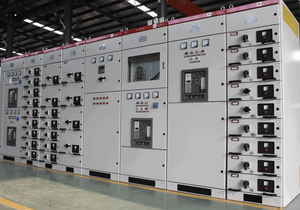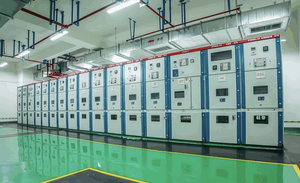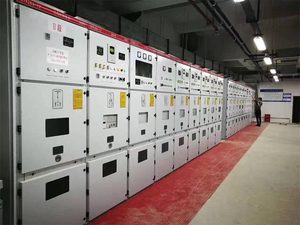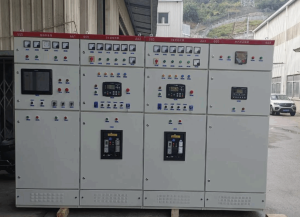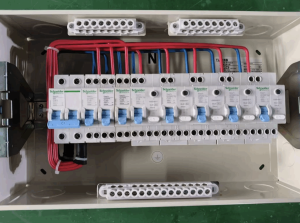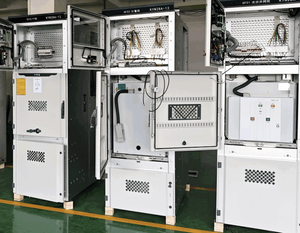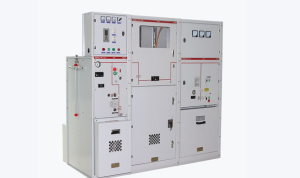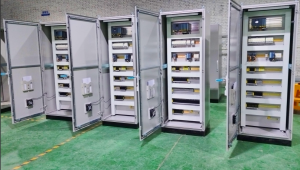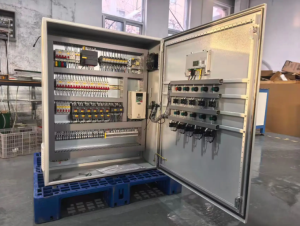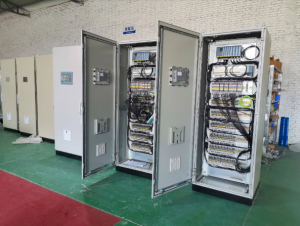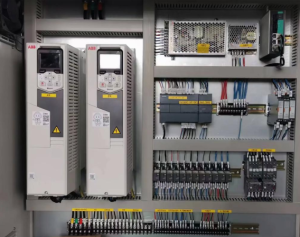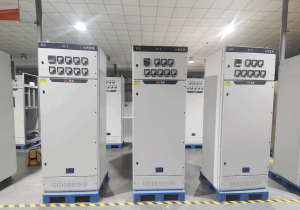
Padmount switchgear, also known as floor‑mounted cubicle‑type switchgear, is a core enclosed outdoor medium‑voltage power distribution equipment widely deployed in 10 kV‑35 kV medium‑voltage power grids. Installed directly on concrete foundations without dedicated power‑distribution buildings, it features compact construction, full‑enclosure protection and low‑maintenance properties. It serves as key equipment for urban distribution networks, suburban power supply, rural grid renovation and new‑energy supporting projects.
As a critical hub for power‑grid terminal power distribution, padmount switchgear fulfills three major functions: rational distribution of medium‑voltage electric energy, sectional isolation of transmission lines, and intelligent fault protection for power grids. Compared with conventional indoor switchgear, it is fully adapted to harsh outdoor operating conditions. Built‑in waterproof, dust‑proof, anti‑corrosion and wide‑temperature‑range capabilities enable reliable operation under rain‑snow, sand‑dust and intense solar radiation, greatly cutting installation and operation‑maintenance costs for outdoor distribution assets. It is one of the mainstream equipment options for modern‑power‑grid upgrading.
Typical application scenarios cover urban block power distribution, external power supply for industrial parks, rural grid capacity expansion, grid‑connection of photovoltaic and wind power plants, peripheral power supply for commercial complexes, and power supply for transportation infrastructure. It fits most outdoor medium‑voltage distribution requirements with balanced economy and reliability.
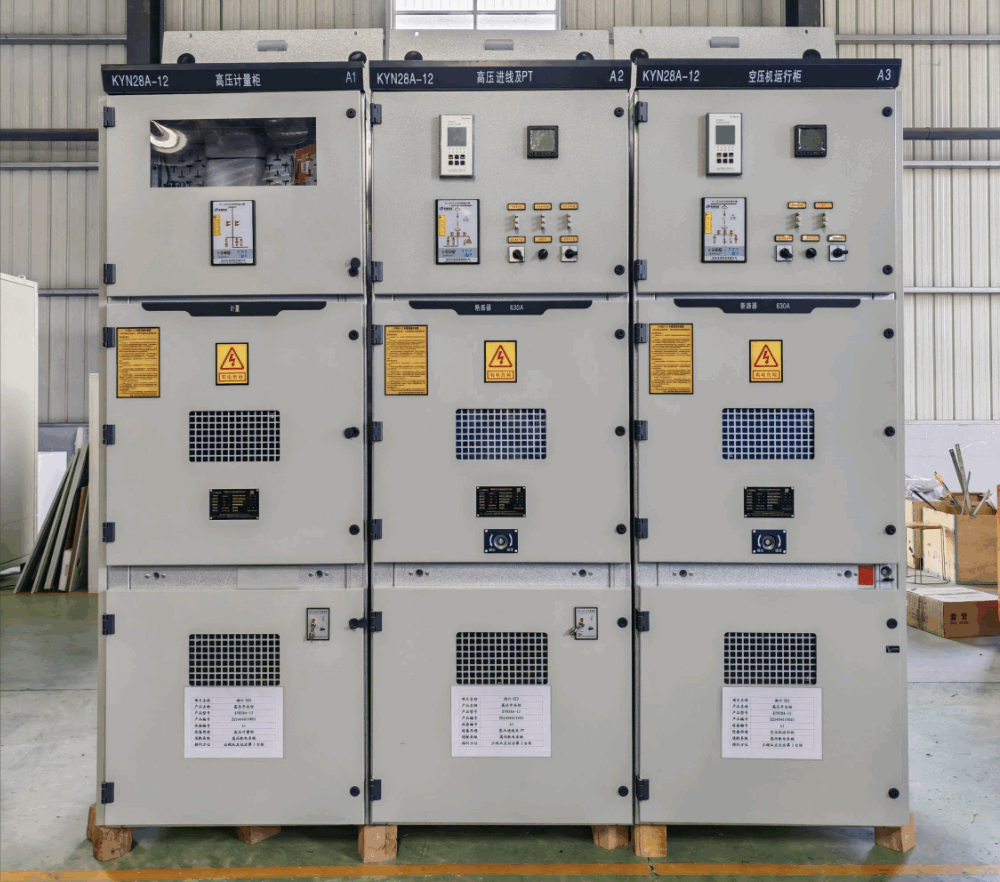
1. Working Principle and Structure of Padmount Switchgear
With standardized internal electrical assemblies and intelligent control logic, padmount switchgear enables fully‑automatic operation including normal power supply, line switching and automatic fault protection. Its reliable and high‑response performance supports unattended outdoor operation.
1.1 Core Internal Components
Functional assemblies form a complete power‑distribution and protection system, mainly consisting of load switches, fault circuit breakers, insulation systems, busbar systems, earthing protection devices and visual isolation mechanisms. Load switches perform regular line switching for daily power‑distribution scheduling. Fault circuit breakers, the core protection units, monitor real‑time fault signals such as overload, short‑circuit and earth‑leakage. Insulation systems provide electrical isolation to eliminate risks of electric leakage and creepage. Visual isolation mechanisms directly display switch status and safeguard maintenance operations.
1.2 Operation Mechanism
Under normal operating conditions, medium‑voltage power is transmitted stably through busbar systems. Load switches execute routine operations such as line sectioning, load transfer and isolation for maintenance to guarantee flexible and stable grid performance. When short‑circuit, overload or earth‑fault events occur on transmission lines, fault circuit breakers trip within milliseconds to de‑energize faulty sections and prevent fault propagation, large‑scale blackouts and equipment burnout.
In addition, the visual‑isolation safety design enables mechanical‑status visibility. Operators can identify live‑equipment status without cabinet disassembly, structurally mitigating mis‑operation and live‑working hazards and improving field‑operation safety.
2. Categories and Characteristics of Padmount Switchgear
Classified by insulation medium, environmental adaptability and rated‑voltage level, padmount switchgear falls into four mainstream categories. Noticeable differences exist in technical specifications, performance merits, applicable scenarios and maintenance costs, providing key references for engineering design, procurement and solution planning.
2.1 Solid‑insulated Padmount Switchgear
Solid‑insulated padmount switchgear represents the mainstream upgraded solution for grid modernization. It adopts eco‑friendly solid composite insulation instead of traditional insulating oil or SF₆ gas, delivering oil‑free, SF₆‑free and pollution‑free performance. Featuring stable insulation performance, compact footprint, slow aging and long low‑maintenance cycles, it achieves IP54 or higher enclosure rating with excellent weather resistance and safety. Thanks to its environmental‑friendliness, safety, low‑maintenance requirements and high reliability, it is widely adopted in high‑standard‑distribution sites including urban core zones, residential communities, ecological‑protection zones and new‑energy grid‑connection projects, and is the preferred choice for current outdoor medium‑voltage distribution projects.
2.2 Submersible‑capable Padmount Switchgear
Submersible‑capable padmount switchgear is engineered for extreme operating conditions, especially flood‑prone low‑lying areas and coastal high‑humidity regions with frequent rainfall. It adopts fully‑sealed welded construction. Multi‑layer waterproof sealing is applied to cabinet welds, cable interfaces, operating panels and door gaps to support stable operation under temporary submersion. Superior waterproofing, moisture resistance, flood resistance and anti‑corrosion performance resolve common failures of conventional outdoor distribution equipment such as water‑induced short‑circuits, damp‑caused malfunctions and flood‑related damage, ensuring power‑supply continuity during extreme weather.
2.3 Air‑insulated and Oil‑filled Padmount Switchgear
Air‑insulated padmount switchgear uses ambient air as the insulation medium. It features simple structure, cost‑effectiveness and convenient disassembly and maintenance. Basic insulation performance satisfies regular dry, non‑corrosive, non‑flood‑prone outdoor conditions. It is commonly used for cost‑sensitive projects such as rural simple‑distribution networks and temporary construction‑site power supply.
Oil‑filled padmount switchgear relies on insulating oil for insulation. It offers high dielectric strength and strong short‑term overload capacity yet suffers from inherent drawbacks including oil leakage, medium aging, heavy maintenance burdens and poor environmental performance. It fails to meet modern green‑grid standards and is gradually phased out by solid‑insulated alternatives, remaining only in limited legacy‑grid‑replacement projects.
2.4 Voltage‑level‑based Classification
Per industrial‑standard voltage ratings, padmount switchgear is divided into three groups matching diverse load requirements. Models ≤15 kV serve urban‑rural civil‑power distribution, community facilities and rural‑grid renovation. 16‑25 kV units target industrial parks, small‑to‑medium‑size factories and commercial complexes. Units above 25 kV are deployed for large‑scale new‑energy power stations, long‑distance transmission trunks and large industrial parks for high‑power medium‑voltage distribution.
3. Padmount Switchgear Technical Specifications
Commercially‑available padmount switchgear covers primary rated voltages of 12 kV, 24 kV and 35 kV to satisfy most medium‑voltage distribution loads. Insulation clearances comply with national standards: minimum air‑insulation clearance ≥30 mm for 12 kV products and ≥50 mm for 24 kV products to prevent insulation breakdown and surface creepage. Minimum enclosure rating reaches IP54 for year‑round outdoor adaptability. Short‑time withstand current, dielectric‑withstand voltage, partial‑discharge and other key indicators comply with national power‑equipment‑test standards to guarantee operational safety and stability.
4. Padmount Switchgear Installation Specifications
Equipment shall be mounted on flat, rigid and load‑bearing concrete foundations. Foundations shall be sloped for drainage to avoid prolonged water pooling beneath cabinets. Sufficient clearance shall be reserved for maintenance. Flammable, explosive and heavily corrosive materials shall not be stored nearby to secure operation and servicing. Cabinets shall be installed level and plumb. Cabinet doors shall close tightly; compression of sealing gaskets shall be maintained between 30 % and 50 % to preserve enclosure‑rating performance. Cable entry‑exit interfaces shall be professionally sealed and waterproofed to block ingress of rainwater, dust and moisture and protect internal components.
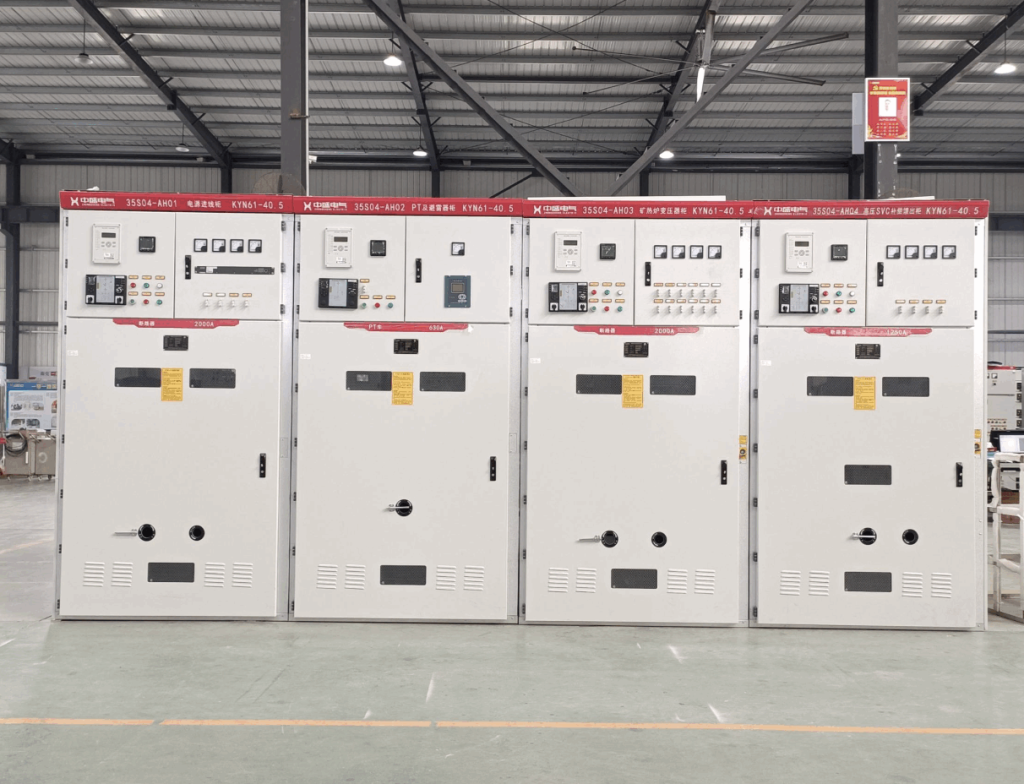
5. Padmount Switchgear Selection Guidelines
5.1 Selection Criteria
- Parameter matching: Confirm rated voltage and current according to actual project load and transmission distance; select 12 kV, 24 kV or 35 kV variants to avoid overload or insufficient capacity.
- Condition‑oriented category selection: Deploy solid‑insulated units for urban‑core and eco‑regulated zones; choose submersible‑capable models for flood‑prone, low‑lying or coastal high‑humidity sites; cost‑effective air‑insulated equipment fits simple temporary applications.
- Quality control: Prioritize cabinets made of 304 stainless steel with IP54 or higher rating for long‑term outdoor weather resistance.
- Upgrade‑ready design: Verify smart‑function configuration and expandable interfaces to accommodate future grid‑capacity expansion and intelligent‑operation‑maintenance retrofits.
5.2 Cost‑influencing Factors
Insulation medium represents the dominant cost driver. Premium solid‑insulated and submersible‑capable variants incur higher R&D and manufacturing expenditure and command higher prices than conventional air‑insulated or oil‑filled alternatives. Higher rated voltage and rated‑current ratings also raise material, process‑precision and insulation requirements, pushing up total procurement costs. Additional contributing factors include brand premium, installation of smart‑monitoring modules, custom modifications for harsh‑environment resistance (anti‑salt‑spray, anti‑freezing), lead time, warranty terms and after‑sales services, all of which affect upfront purchase expense and whole‑life‑cycle costs.
5.3 Procurement and Customization Recommendations
Source equipment from qualified manufacturers with complete certification, authoritative test reports, proven project references and comprehensive after‑sales support. Verify national‑standard compliance, voltage‑withstand‑test documentation and partial‑discharge‑test reports. For flood‑prone, high‑salt‑spray or extreme‑cold locations, implement custom modifications including cabinet‑dimension adjustment, enhanced waterproof‑corrosion resistance, smart‑monitoring integration and low‑temperature upgrades. For long‑term‑operation projects, solid‑insulated low‑maintenance products are recommended to reduce labor and maintenance expenditure and improve overall project cost‑effectiveness.
6. Operation‑Maintenance Regimen
Padmount switchgear is designed for low‑maintenance service. Routine work focuses on periodic inspection rather than frequent cabinet disassembly. Basic daily inspections cover cabinet integrity, sealing conditions, status indicators and surrounding environments; identify risks such as debris accumulation, cabinet deformation and aged sealing gaskets. Quarterly detailed inspections evaluate insulation performance, operating‑mechanism flexibility and earthing‑system reliability; retighten terminal connections to mitigate overheating risks from poor contact. Annual full‑set dielectric‑withstand‑voltage tests and protection‑function verification guarantee accurate and timely protective‑device response.
Compared with traditional distribution equipment, padmount switchgear requires no consumable replacement, medium replenishment or regular calibration. It drastically reduces maintenance workload and fits modern unattended outdoor‑operation‑maintenance workflows.
For more information about Padmount Switchgear, please contact Fuken. We will provide you with professional Switchgear solutions.
Frequently Asked Questions
Q1: What are the differences between padmount switchgear and conventional outdoor switchgear?
Padmount switchgear adopts integrated sealed floor‑mounted construction without dedicated distribution buildings. It delivers compact layout, higher enclosure rating and superior weather resistance optimized for long‑term unattended outdoor service with low‑maintenance and long‑life advantages. Conventional outdoor switchgear normally features simple cabinet structures with inferior sealing, enclosure performance and environmental immunity. It ages faster and demands frequent maintenance, suited only for temporary, short‑term and low‑standard outdoor applications instead of sustained reliable power supply.
Q2: What is the service life of solid‑insulated padmount switchgear?
Qualified solid‑insulated padmount switchgear has a rated service life of more than 20 years. Adopting chemically‑stable solid composite insulation materials with minimal degradation and medium loss, it requires no insulation‑medium replacement or gas/oil replenishment throughout operation. Only basic visual inspections and annual functional verification are needed, resulting in very low whole‑life‑cycle maintenance costs. It is ideal for long‑duration distribution projects.
Q3: Can padmount switchgear be used in flood‑prone water‑logging zones?
Standard‑grade padmount switchgear provides basic rain‑proof, dust‑proof and moisture‑proof performance yet cannot sustain prolonged submersion. Water immersion may trigger internal damp‑caused short‑circuits and failures. For flood‑prone low‑lying or coastal‑tidal‑affected sites, dedicated submersible‑capable padmount switchgear shall be specified. Its fully‑sealed waterproof construction tolerates temporary submersion and ensures power‑supply continuity and equipment safety during extreme weather.
Q4: Does daily operation and maintenance require heavy labor and capital investment?
No. Mainstream solid‑insulated padmount switchgear features low‑maintenance integrated design with few consumable or replaceable internal parts and no medium‑servicing requirements. Work is limited to simple visual inspections and site‑condition checks, quarterly functional verifications and annual dielectric‑withstand‑voltage tests. Maintenance workload is reduced by over 80 % compared with traditional switchgear, saving labor and capital and perfectly matching unattended outdoor‑operation‑maintenance workflows.
Q5: What are the applicable scenarios for padmount switchgear?
It covers a wide range of outdoor medium‑voltage‑distribution applications: urban‑rural overhead‑grid branch distribution, external power supply for industrial parks, photovoltaic‑wind‑power grid‑connection, municipal‑transport‑infrastructure power supply, peripheral power distribution for commercial complexes, rural‑grid‑capacity‑expansion and legacy‑grid‑renovation projects. It is one of the most versatile and cost‑effective assets in today’s outdoor medium‑voltage‑distribution sector.
Conclusion
Padmount switchgear combines compact layout, easy installation, strong weather resistance, reliable safety, environmental‑friendliness and low‑maintenance operation. It addresses long‑standing pain points of conventional outdoor distribution equipment: heavy maintenance burdens, insufficient safety, poor environmental performance, limited scenario adaptability and high failure rates. Its multi‑category full‑range‑specification portfolio precisely meets medium‑voltage‑distribution requirements for civil, industrial, new‑energy and municipal‑infrastructure projects under diverse budget, environmental‑condition and maintenance‑standard constraints.
References
‑ GB 3906‑2020, Alternating‑current metal‑enclosed switchgear and controlgear for rated voltages from 3.6 kV up to 40.5 kV (National Standard of China)
‑ DL/T 537‑2018, High‑voltage/low‑voltage prefabricated substations (Power‑industry acceptance specification)