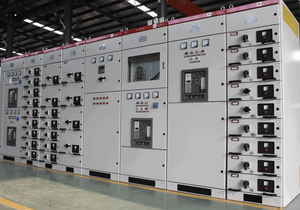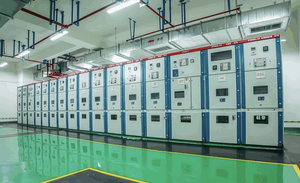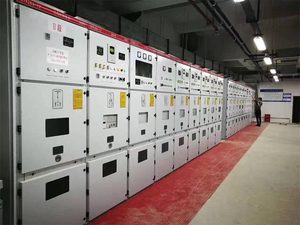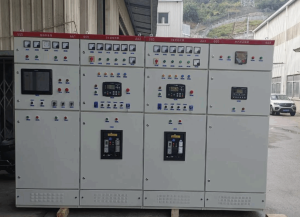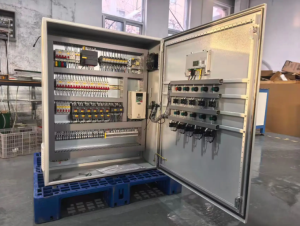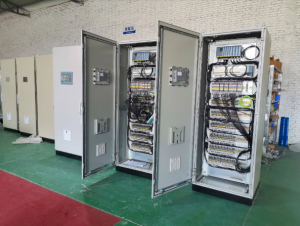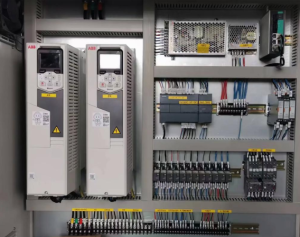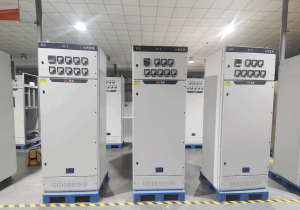
Cable Distribution Box, also commonly referred to as Cable Branch Box within the industry, is a critical cable‑distribution device in medium‑ and low‑voltage power distribution systems. Widely deployed in outdoor power grids, industrial‑commercial facilities and new‑energy projects, it undertakes trunk cable transition and multi‑circuit power distribution tasks. This article offers a comprehensive overview covering device principles, classification, product selection, field application, installation and maintenance of cable distribution boxes, providing technical references for project specification drafting, equipment procurement and on‑site operation and maintenance.
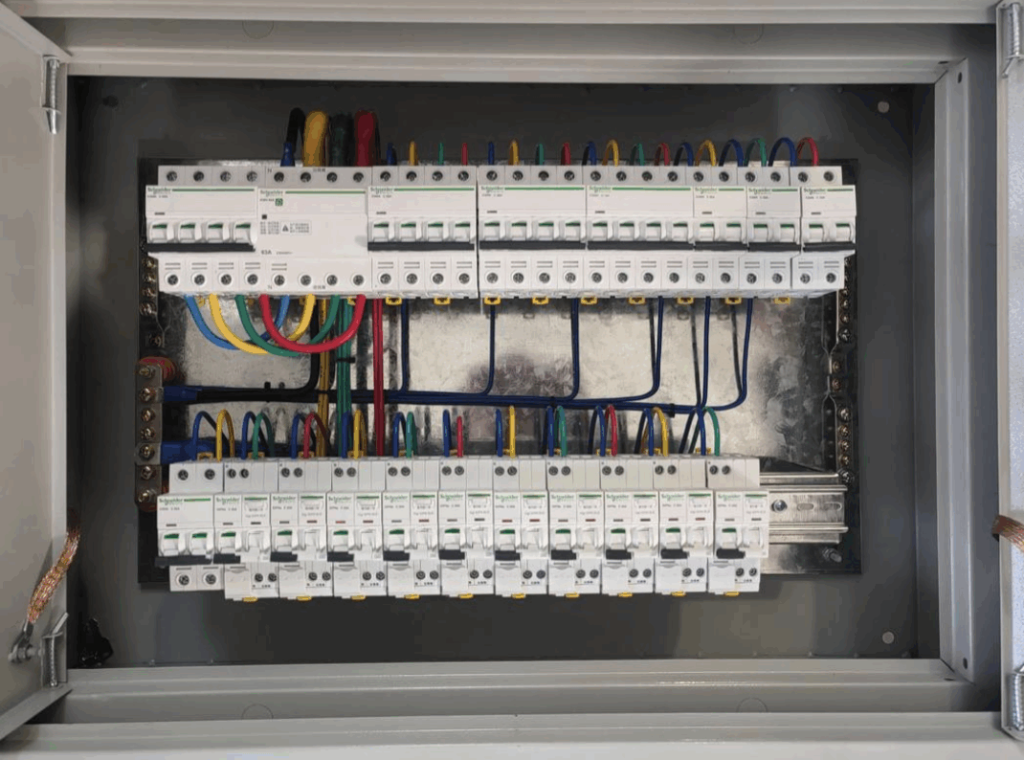
1. Definition and Working Principle of Cable Distribution Boxes
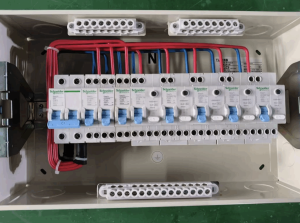
A cable distribution box is an enclosed complete power‑distribution assembly consisting of an enclosure, copper busbars, cable connector assemblies, earthing systems, and optional fuses or load‑break switches.
Its four core functions are listed below:
- Cable tapping and transition: The main trunk cable feeds into the enclosure and is split into multiple branch cables, enabling power supply from one main line to multiple load points.
- Circuit protection: Models equipped with fuses or load‑break switches isolate faulty circuits and prevent single‑point failures from spreading to the main trunk circuit.
- Environmental protection: The enclosure shields internal cable joints and conductive components from rainwater, dust, ultraviolet radiation and salt mist.
- Safe earthing: It provides a reliable earthing path to mitigate electric‑shock hazards for personnel.
Working Principle:
Electric power enters the internal busbars via one or multiple trunk cables. Power is then distributed by the busbars to individual outgoing circuits and delivered to downstream loads through branch cables. Acting as a distribution node along cable routes, it accomplishes cable splitting without constructing a full‑scale power‑distribution room, and is extensively adopted in underground‑cable conversion projects.
2. Classification of Cable Distribution Boxes
Cable distribution boxes are categorized by voltage class, installation environment, internal configuration and enclosure material to suit diverse project operating conditions.
2.1 By Voltage Class
- Low‑voltage cable distribution box: Rated voltage 0.4 kV. It represents the largest‑volume product category and is applied in residential‑community power distribution, factory plants and the AC side of photovoltaic systems.
- Medium‑voltage cable distribution box: Rated voltage ranging from 10 kV to 35 kV. Used in urban power distribution networks and underground cable duct networks. It imposes strict requirements on insulation and partial‑discharge performance and shall comply with the IEC 62271 series standards.
2.2 By Installation Environment
- Indoor‑type: Protection class IP40‑IP54. Installed inside power‑distribution rooms and factory buildings, prioritizing dust resistance with less stringent waterproof requirements.
- Outdoor waterproof‑type: For open‑air installation with mainstream protection class IP65. IP66 is selected for coastal locations and heavy‑spray harsh environments to resist dust and water jet ingress. Enclosures shall feature anti‑UV ageing performance.
2.3 By Internal Circuit Configuration
- Simple tapping type without switches: Power branching implemented solely by busbars without protective components. Cost‑effective for scenarios without mandatory fault‑isolation requirements.
- Unit with protective components: Built‑in fuses or load‑break switches isolate short‑circuited or overloaded branch circuits without disrupting main‑trunk power supply. This type is preferred for power‑grid projects.
2.4 By Enclosure Material
- SMC composite enclosure: Excellent insulation, UV resistance and salt‑mist corrosion resistance. Dominant choice for outdoor power‑grid applications.
- Metallic enclosure (cold‑rolled steel / stainless steel): High mechanical strength and impact resistance, suitable for factory premises and locations prone to physical impact. Stainless steel variants are better suited for coastal corrosive atmospheres.
2.5 Special‑Purpose Variants
Photovoltaic‑dedicated cable distribution boxes are tailored for AC‑DC cable distribution in PV power stations, with special design provisions for surge and electric‑arc risks of photovoltaic systems.
3. Selection Criteria for Cable Distribution Boxes
Proper equipment selection is critical for procurement and design. Parameters shall be verified item‑by‑item against site operating conditions rather than merely referring to external dimensions. General engineering selection guidelines are as follows:
- Rated voltage and rated current: Confirm system voltage, calculate maximum busbar operating current and branch‑circuit current for each outgoing loop, and reserve a 15‑25 % current margin to avoid overheating caused by long‑term overload.
- Enclosure IP protection rating: IP54 for general indoor applications; minimum IP65 for ordinary outdoor installation; IP66 for seaside locations, chemical plants and frequently washed areas.
- Number of incoming and outgoing circuits: Count incoming and outgoing cable circuits and reserve 1‑2 spare loops for future expansion. Verify that cable gland openings match outer diameters of field cables.
- Enclosure material matching site conditions: SMC composite for standard outdoor sites; 304 stainless steel for salt‑mist coastal environments; thickened steel sheets for high‑impact‑risk locations.
- Protective‑component configuration: Evaluate whether fuses or load‑break switches are required. Protective devices are recommended for power‑grid and key industrial‑commercial projects to achieve fault isolation.
- International‑standard compliance: For export projects, low‑voltage assemblies shall comply with IEC 61439, medium‑voltage units with IEC 62271. North‑American projects require UL certifications; European shipments shall carry CE marking.
- Installation space and physical dimensions: Survey installation sites to confirm enclosure dimensions and reserve adequate bending‑clearance space complying with cable‑bending‑radius specifications.
- Operability and expandability: Prioritize modular‑component‑based products to facilitate future component replacement. Anti‑condensation heating modules are optional for cold‑humid high‑altitude environments.
- Custom specifications: Confirm custom feasibility with manufacturers for non‑standard dimensions, multi‑loop layouts and smart‑monitoring modules.
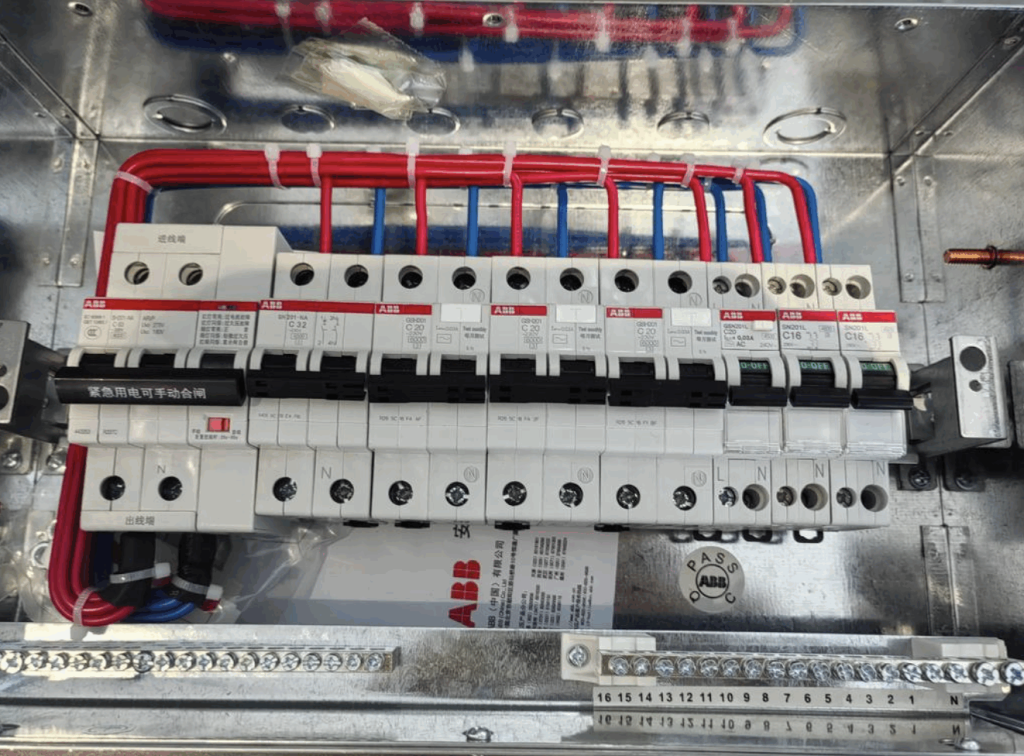
4. Application Scenarios of Cable Distribution Boxes
Featuring flexible deployment without dedicated distribution rooms, cable distribution boxes are widely used across multiple industries:
- Urban‑rural power‑grid renovation: Underground‑cable retrofits, ageing residential‑network upgrades, outdoor roadside tapping nodes.
- Commercial and real‑estate developments: Outdoor power distribution for commercial complexes and residential communities, cable distribution among building blocks.
- Industrial plants: Outdoor power circuits within factory compounds and power branching between workshops.
- New‑energy photovoltaic power stations: Cable collection and distribution for PV arrays, widely adopted in ground‑mounted and distributed industrial‑commercial PV plants.
- Transport infrastructure: Outdoor power‑distribution nodes for highway street‑lighting, airports, tunnels and metro systems.
- Municipal public utilities: Power networks for parks and industrial campuses.
5. Installation and Routine Maintenance
Important Notice: Installation and maintenance work on cable distribution boxes shall only be performed by certified electricians. Unauthorized personnel are prohibited from opening enclosures under live‑power conditions.
5.1 Installation Guidelines
- Mount outdoor enclosures on elevated foundations above ground level and avoid low‑lying water‑prone locations to prevent submergence.
- Implement proper earthing connections with earthing resistance complying with local electrical codes.
- Maintain cable bending radii per cable specifications during cable entry to prevent insulation damage from excessive bending.
- Fully seal cable glands to preserve enclosure protection rating and block rainwater and moisture ingress along cable entries.
- Affix safety warning labels on enclosures. Keep units away from flammable‑explosive sources and heavily corrosive contaminants.
5.2 Periodic Inspection Checklist
- Visual inspection: Check enclosure integrity, seal ageing or cracking, and traces of water ingress or internal condensation.
- Terminal torque re‑check: Retighten terminals to specified torque values. Loose terminals represent the leading cause of overheating failures.
- Component condition check: Inspect fuses and switches for overheating discoloration; verify secure earthing connections.
- Internal cleaning: Remove dust and debris to guarantee heat dissipation.
- Post‑extreme‑weather additional inspections: Conduct extra checks after heavy rain, typhoons and heatwaves to identify water intrusion and overheating risks.
Frequently Asked Questions
Q1: What are the primary functions of a cable distribution box?
A: It taps and transitions trunk‑circuit power in power‑distribution systems, splitting one main power feed into multiple branch outputs. It provides physical dust‑and‑water protection for cable joints. Switch‑equipped variants additionally implement fault isolation for individual branch circuits.
Q2: Is a cable distribution box identical to a junction box?
A: No. A junction box merely achieves cable splicing without high‑power power‑distribution capability. A cable distribution box is designed for high‑power branching and power allocation and is deployed at main‑line power nodes.
Q3: Can cable distribution boxes be installed outdoors? What IP rating is required?
A: Outdoor installation is supported. Minimum IP65 is recommended for general outdoor applications; IP66 is specified for coastal, wash‑down and high‑dust severe operating conditions.
Q4: Which international standards apply to cable distribution boxes?
A: Low‑voltage assemblies follow IEC 61439. Medium‑voltage cable distribution boxes comply with the IEC 62271 series. North‑American installations shall conform to UL and NEC requirements; CE marking is mandatory for European markets.
Q5: What inspection frequency applies to outdoor cable distribution boxes?
A: Every 3‑6 months under ordinary outdoor conditions. Shorten inspection cycles for coastal highly‑corrosive environments. Special inspections shall be triggered after typhoons or heavy‑rain events.
Conclusion
Cable Distribution Box (also known as Cable Branch Box) constitutes an irreplaceable cable‑distribution node within medium‑ and low‑voltage power‑distribution systems. Appropriate equipment selection, standardized installation and periodic maintenance are prerequisites for long‑term reliable operation. For power‑grid renovation, industrial facilities and new‑energy photovoltaic outdoor‑distribution projects, correct deployment of cable distribution boxes effectively reduces circuit‑failure risks and secures overall power‑system reliability.
For more information about Cable Distribution Box, please contact Fuken. We will provide you with professional Distribution Box solutions.
References
- IEC 61439‑2:2020, Low‑voltage switchgear and control‑gear assemblies
- IEC 62271‑200, High‑voltage switchgear and controlgear – Outdoor assemblies
- IEC 60529, Degrees of protection provided by enclosures (IP Code)