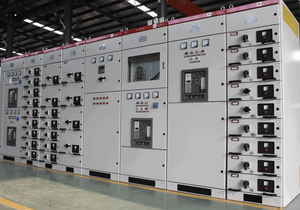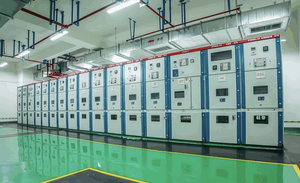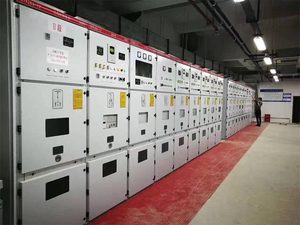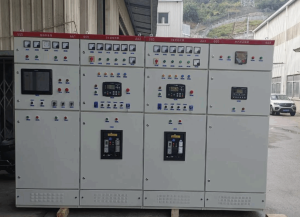
In industrial power generation, backup power supply and power‑plant distribution systems, generator switchgear serves as the core electrical equipment that ensures safe, stable and efficient operation of generator sets. This article comprehensively elaborates professional knowledge of generator switchgear from the dimensions of basic definition, working principles, equipment classification, core selection criteria and scenario adaptation. It delivers accurate references for the implementation of various power‑generation system projects.
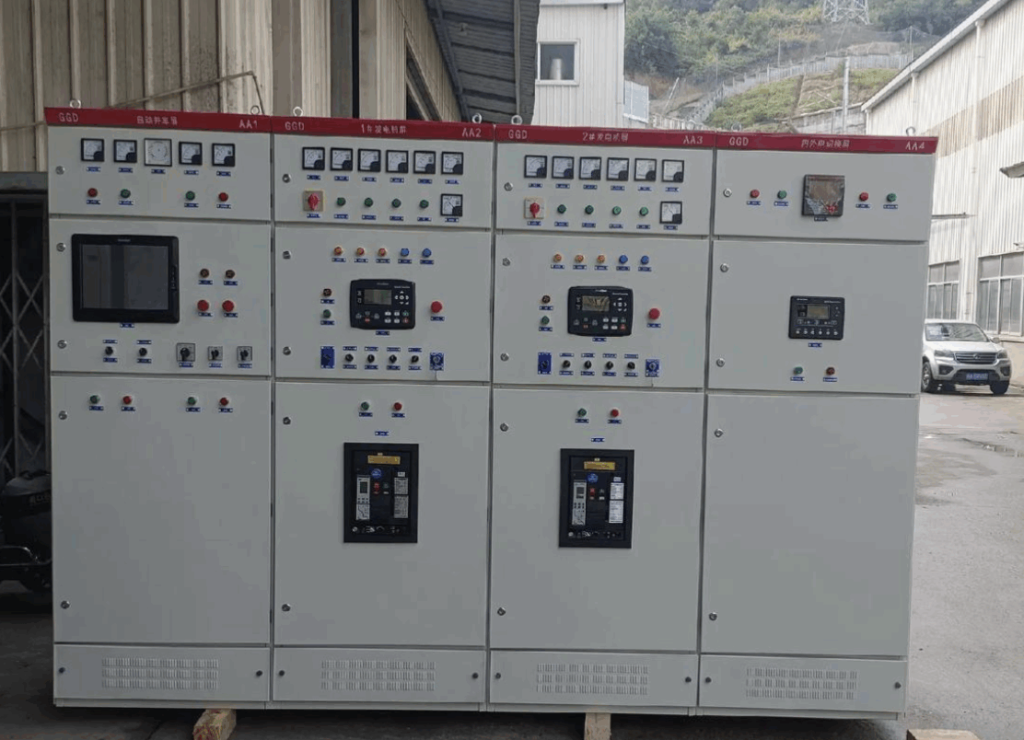
1. What is Generator Switchgear?
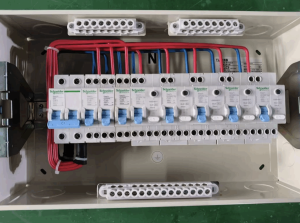
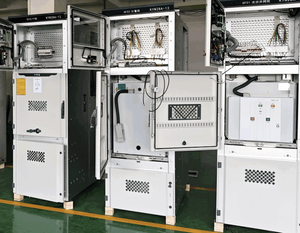
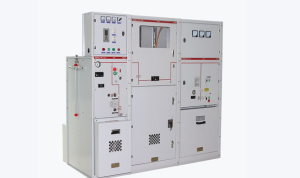
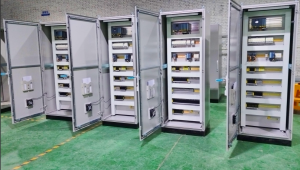
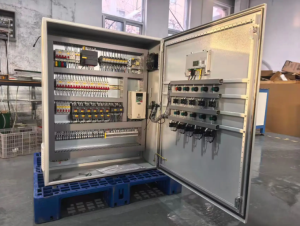
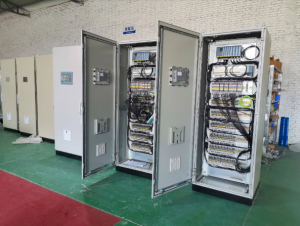
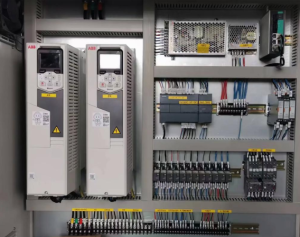
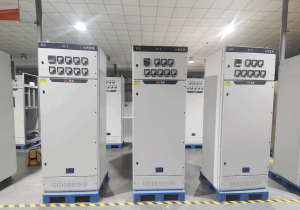
Generator switchgear is a complete set of switch‑control equipment specially tailored for generator sets. It integrates core components including circuit breakers, protective relays, busbars, control modules and disconnectors. Purpose‑built for power generation, power transmission, load switching and fault protection of generators, it acts as the critical hub connecting generator sets to downstream loads and utility power systems.
Different from general‑purpose distribution switchgear, it is precisely adapted to special operating conditions such as transient current surges, grid‑tie synchronization and dynamic load fluctuations of generators, making it an indispensable core accessory for power‑generation systems.
Adopting a modular structure for automated and intelligent management, the complete unit prioritizes operational safety and system stability. Its core functions cover five key aspects to satisfy full‑process operational requirements of power‑generation systems:
- Switching & Control: Execute start‑stop power supply for generator sets, switchover between utility power and generator circuits, and load switching as required. It accommodates both regular operation and emergency power‑supply scenarios.
- Fault Protection: Continuously monitor circuit operating conditions. In the event of short‑circuit, overload, over‑voltage, under‑voltage, earth‑leakage and other faults, it automatically trips rapidly to isolate faulty sections, preventing damage to generators and downstream consumers and eliminating electrical hazards.
- Load Sharing: For multi‑unit parallel systems, it intelligently balances output among generator sets to avoid overloading or idling of individual units, improving overall power‑generation efficiency and equipment service life.
- Grid‑tie Synchronization: Provide precise synchronization control for parallel operation of multiple generators as well as grid interconnection between generators and utility mains. It ensures matching of voltage, frequency and phase to eliminate inrush risks upon connection.
- Safety Isolation: During equipment overhaul and system maintenance, disconnectors create visible breakpoints for reliable circuit isolation and safeguard personnel safety.
2. Working Principles of Generator Switchgear
The core operational logic of generator switchgear is real‑time monitoring, intelligent judgment, precise control and rapid protection. Fully adapted to dynamic characteristics of generator sets, it operates in four major modes: normal power supply, emergency switchover, fault response and multi‑unit parallel operation. Its principles are clear and highly scenario‑adaptable.
Under normal operating conditions, built‑in monitoring modules continuously collect key parameters such as generator voltage, current, frequency and power. Readings are constantly compared against rated operating conditions to maintain stable power output and perform routine load feeding and circuit switching per pre‑configured logic. When utility power is healthy, the system remains standby. Upon utility power loss or abnormal voltage/frequency deviation, control modules trigger generator startup commands. Once unit parameters stabilize, load transfer occurs automatically to achieve seamless emergency power takeover.
Under fault conditions, protective relays instantly capture abnormal signals such as short‑circuit, overload and over‑temperature. They actuate circuit breakers for fast tripping to de‑energize faulty circuits, activate alarm signals and lock fault zones, so non‑faulty sections can remain energized to minimize system downtime.
For multi‑generator parallel systems, synchronization modules accurately calibrate phase, frequency and voltage of each unit to realize smooth paralleling. Meanwhile, intelligent load sharing mitigates uneven power output and circulating‑current interference to sustain stable parallel‑system performance.
3. Types of Generator Switchgear
Classified by voltage level, core function and mounting style, generator switchgear encompasses multiple categories. Units vary considerably in parameter specifications and applicable scenarios, forming key references for engineering selection.
3.1 Classification by Voltage Level
Voltage level constitutes a primary selection metric aligned with generator‑set power ratings and application environments, divided into low‑voltage and medium‑to‑high‑voltage categories:
- Low‑voltage Generator Switchgear: Matches 0.4 kV generator sets. Compact, user‑friendly and cost‑effective, it is widely deployed in small‑to‑medium commercial buildings, ordinary factories and small backup power‑generation systems for routine emergency and general‑purpose distribution. It represents the mainstream choice for civil and light‑industrial applications.
- Medium‑to‑high‑voltage Generator Switchgear: Covers 6 kV, 10 kV, 35 kV and other grades. It delivers superior insulation, high fault‑withstand capability and robust long‑run stability. It is used for high‑power generating units, thermal/hydropower plants, large petrochemical facilities, mines and data centers, capable of enduring heavy current surges and continuous heavy‑duty operation.
3.2 Classification by Core Function
- Single‑unit Generator Switchgear: Designed for independent operation of one generator set. It delivers basic unit control, protection and load‑switching functions with simple construction and easy maintenance. It suits small backup power‑supply systems without paralleling or expansion requirements.
- Generator Paralleling Switchgear: Purpose‑built for multi‑unit parallel operation. Equipped with dedicated modules for precise synchronization, load sharing and circulating‑current suppression, it enables synchronized paralleling and combined power supply of multiple generators. Units can be automatically started or stopped according to load demand. It is the core selection for large‑scale industrial and power projects requiring high reliability and expandability.
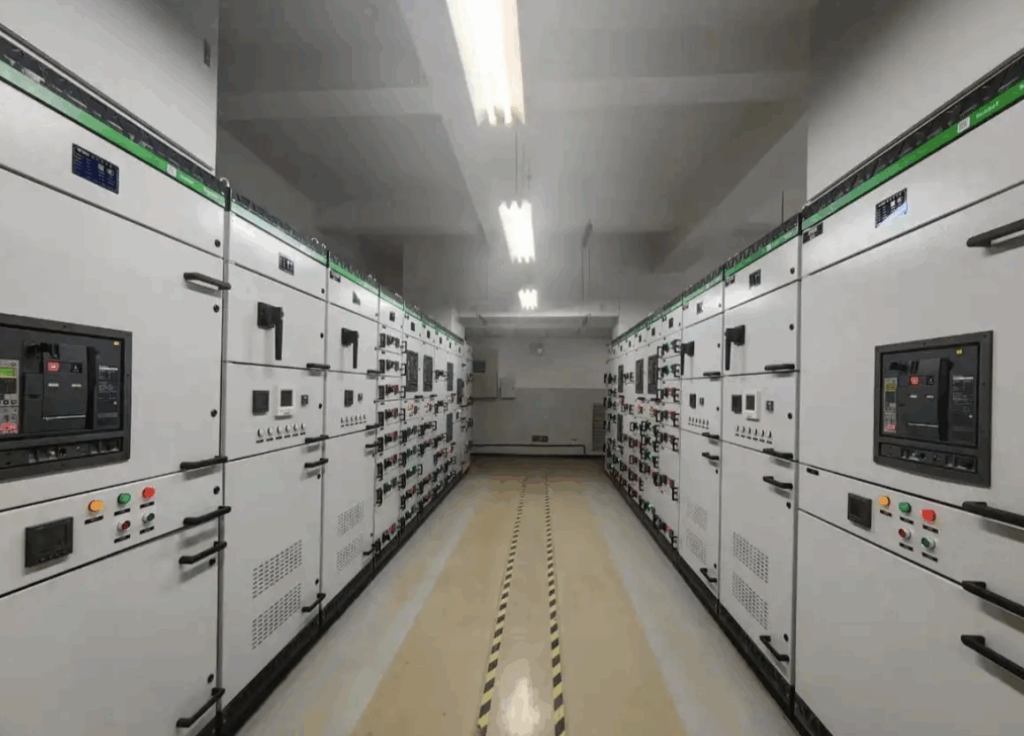
4. Generator Switchgear Selection Guide
Not every generator set requires dedicated generator switchgear. Selection shall comprehensively consider unit power rating, operating mode, load class and industry codes to balance safety and cost‑effectiveness.
4.1 Scenarios Mandating Dedicated Generator Switchgear
- High‑power industrial generator sets, thermal‑power, hydropower and other professional power‑plant generation systems
- Power‑supply systems with multiple generators running in parallel, requiring load sharing and grid‑tie synchronization
- Backup power‑supply for Class‑I / Class‑II critical loads including data centers, Grade‑A hospitals, chemical and mining operations and high‑end manufacturing facilities
- Power‑engineering projects requiring long‑term continuous power generation, grid dispatching and remote intelligent management
4.2 Scenarios Where ATS may be Adopted as an Alternative
- Small‑power single‑set emergency backup power for residential premises, small retail outlets and offices
- Temporary power‑supply systems without grid‑tie requirements, continuous long‑run operation or complex load profiles
4.3 Key Selection Parameters
Five critical parameters must be verified to ensure full compatibility among switchgear, generator set and power‑supply system:
- Rated power and voltage class of generator set
- Maximum short‑circuit withstand current
- Load type and capacity
- Requirement for multi‑unit paralleling and grid interconnection
- Industry compliance standards and ingress‑protection rating
5. Application Scenarios for Generator Switchgear
Thanks to high stability, enhanced safety and expandable grid‑tie capability, generator switchgear is widely deployed in industrial and infrastructure projects with stringent power‑reliability requirements:
- Power‑plant Facilities: Thermal power plants, hydropower plants, distributed solar‑wind hybrid power‑generation systems for unit grid‑tie, load dispatching and full‑scope fault protection.
- Industrial Manufacturing: Large factories, smart industrial parks, petrochemical and mining enterprises to sustain uninterrupted production and mitigate economic losses caused by power outages.
- Critical Infrastructure: Data centers, Grade‑A hospitals, rail transit and communication base stations, delivering emergency backup and stable power for Class‑I loads.
- Special‑operation Sites: Field construction sites, offshore platforms and off‑grid power‑supply systems in remote regions, adapting to harsh outdoor conditions for reliable generator‑system performance.
Frequently Asked Questions (FAQ)
Q: What differentiates generator switchgear from general‑purpose distribution switchgear?
A: The core distinction lies in operating‑condition adaptation and functional positioning. Generator switchgear is optimized for generator‑specific transient surges, grid‑tie synchronization and dynamic load swings, featuring dedicated synchronization control, load sharing and generator‑coupled protection. General‑purpose distribution switchgear is designed for utility‑grid distribution and cannot handle complex conditions such as generator grid‑tie or multi‑unit paralleling.
Q: Can multiple generators share one set of switchgear?
A: Yes. Dedicated generator paralleling switchgear supports parallel operation of multiple generator sets with identical ratings. It realizes intelligent load allocation and on‑demand unit start‑stop. This standardized solution offers controlled capital expenditure, stable performance and convenient expandability for multi‑generator systems.
Q: What is the typical service life of generator switchgear?
A: With proper installation, periodic maintenance and operation within rated conditions, industrial‑grade generator switchgear achieves a service life of 15‑20 years. Wear‑prone components such as core control modules and relays can be replaced as needed to maintain equipment performance.
Q: Are generator circuit breakers and generator switchgear the same piece of equipment?
A: No. A generator circuit breaker is a key component inside switchgear responsible for circuit make‑break and fault tripping. Generator switchgear is a complete assembly integrating circuit breakers, relays, control modules, busbars and other parts, delivering full‑fledged control, protection and monitoring functions. The circuit breaker is a component within the complete switchgear assembly.
Conclusion
Generator switchgear constitutes a cornerstone for reliable generator‑set operation. Distinct from general‑purpose distribution hardware and basic ATS transfer switches, it delivers specialized grid‑tie synchronization, load sharing, precise fault protection and intelligent management, making it suitable for diverse industrial‑grade, high‑reliability power‑generation and power‑supply applications.
References
‑ IEC 62271 series: International technical standards for high‑voltage switchgear and controlgear
‑ IEEE C37: Technical specifications for relay protection and grid interconnection of generator‑system switchgear
‑ VDE standards: Safety operation and ingress‑protection specifications for industrial electrical equipment