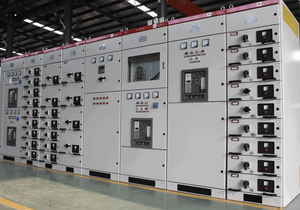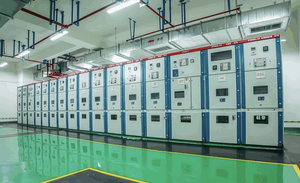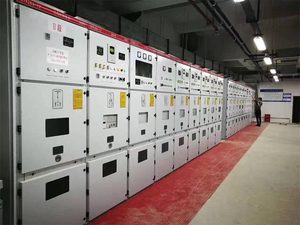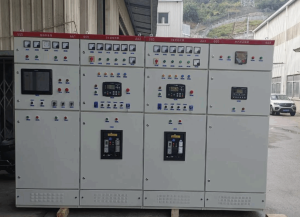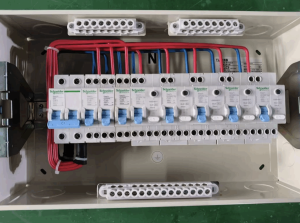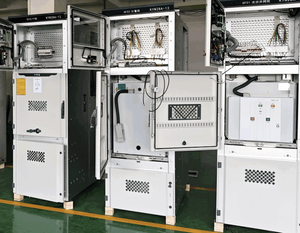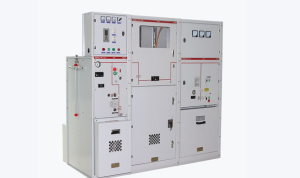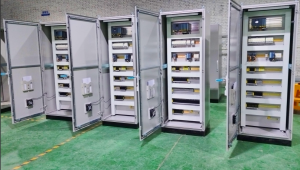
1. What is Pad Mounted Switchgear?
Pad mounted switchgear is an integrated enclosed power distribution equipment specially designed for outdoor medium-voltage power distribution systems. Manufactured in compliance with international power standards including ANSI and IEC, it is widely adopted in underground distribution networks and outdoor terminal power distribution applications. Housed inside a prefabricated steel enclosure, the unit is installed directly on a concrete pad without the need for a dedicated power distribution building. Featuring compact layout, all-weather performance and freedom from civil construction work, it serves as core equipment for power grids, industrial and commercial parks, as well as residential and commercial communities.
Different from traditional indoor switchgear and open-air outdoor distribution equipment, pad mounted switchgear is optimized for harsh outdoor operating conditions. It integrates switching, protection, insulation, earthing and monitoring functions. Mainly rated for medium voltage classes such as 10kV, 15kV and 24kV, it undertakes critical tasks including power distribution, circuit switching, fault isolation, overload and short-circuit protection, perfectly meeting the development demands of modern urban underground cable-based power distribution systems.
Its core advantages fall into four categories: compact structure with minimal footprint; all-weather resistance suitable for complex outdoor environments; enclosed construction for enhanced safety and reduced maintenance frequency; and modular configuration that adapts flexibly to diverse power distribution scenarios, substantially cutting civil engineering and construction costs for power distribution projects.
2. Structure and Working Principle of Pad Mounted Switchgear
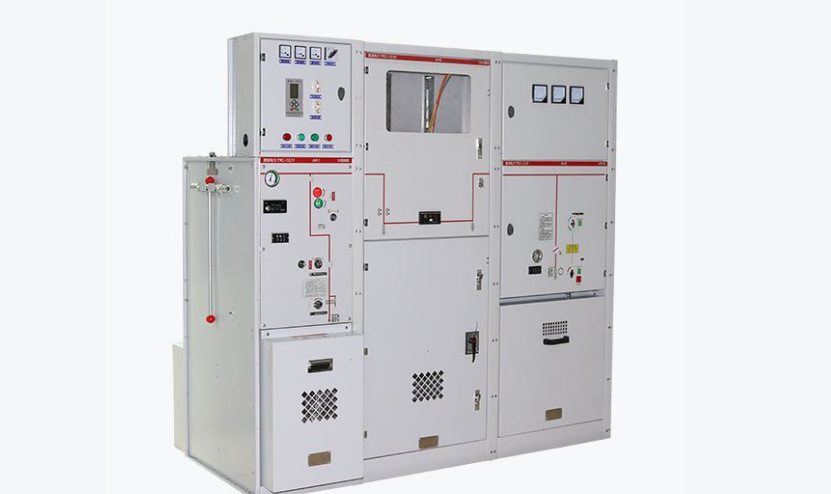
Pad mounted switchgear adopts a modular integrated structure, consisting of an outer protective enclosure and internal core electrical components. All parts work in coordination to ensure stable and safe operation of the power distribution system while enabling rapid fault response and isolation.
2.1 Main Components
Key components include the main busbar system, load switch unit, fuse combination unit, earthing protection unit, intelligent monitoring module and anti-corrosion sealed enclosure. The main busbar acts as the core channel for power transmission to ensure efficient power distribution. The load switch performs circuit closing and opening under normal operating conditions. The fuse unit provides rapid fault interruption against short-circuit and overload conditions. The earthing unit protects personnel and equipment during maintenance and fault events. The outer enclosure is constructed with double-layer anti-corrosion steel, delivering dustproof, waterproof, anti-corrosion and anti-aging performance.
Two primary configurations are widely used in the industry: Live Front and Dead Front. Live Front designs feature energized operating interfaces, offering higher cost efficiency for conventional municipal power distribution projects. Dead Front configurations eliminate exposed live parts on operation panels with superior safety, making them suitable for densely populated residential, commercial and public facilities requiring high safety standards.
2.2 Working Principle
Under normal operating conditions, pad mounted switchgear receives power from the upstream grid via the main busbar, and distributes electricity to downstream power consumers through load switches and branch circuits. Built-in intelligent monitoring modules continuously track operating parameters such as current, voltage and temperature to realize adaptive regulation.
When faults including overload, short circuit or leakage occur on distribution lines, the equipment protection system responds instantly. It cuts off faulty circuits and isolates fault areas by fuse operation or switch opening, preventing fault propagation and large-scale power outages. This minimizes economic losses caused by system failures and guarantees power supply for non-faulty sections.
3. Types and Technical Specifications of Pad Mounted Switchgear
Pad mounted switchgear can be categorized by insulation type, voltage rating and functional configuration. Different variants vary greatly in applicable scenarios and performance parameters, forming key references for engineering selection. All products comply with core industry standards ANSI C37 and IEC 62271.
3.1 Classification by Insulation Type
Air-insulated Pad Mounted Switchgear: Air serves as the insulating medium. Characterized by simple structure, low cost, easy maintenance and excellent heat dissipation, it represents the mainstream choice for small and medium-sized distribution projects. No specialized tools are required for maintenance, and spare parts enjoy high versatility. It is applicable to ordinary municipal road networks, small and medium industrial parks and regular residential communities. Its drawbacks include relatively larger overall dimensions and certain requirements for ventilation and cleanliness of installation surroundings.
Gas-insulated Pad Mounted Switchgear: SF₆ gas functions as both insulation and arc-extinguishing medium. It delivers outstanding insulation performance and fast arc quenching. The highly integrated design results in compact dimensions, and operation remains stable without susceptibility to dust, humidity, salt spray and other environmental factors. It is ideal for harsh operating environments such as coastal salt-prone areas, humid mountainous regions and heavily polluted zones, as well as central urban areas, large commercial complexes and high-end parks with strict requirements on footprint, stability and safety. It boasts longer service life yet comes with higher procurement cost and greater technical barriers for maintenance.
3.2 Classification by Rated Voltage
Three main voltage ranges cover most medium-voltage power distribution systems worldwide:
- Medium-low voltage below 15kV: Mainly used for residential, commercial and conventional municipal power distribution;
- 16kV–25kV: Suitable for large and medium industrial parks and trunk power distribution in urban areas;
- Above 25kV: Primarily deployed in large industrial and mining facilities and regional hub distribution projects.
12kV, 15kV and 24kV are the most widely adopted standard voltage ratings in the market.
3.3 Classification by Functional Configuration
Switch-only Unit: Equipped merely with load switches without fuse protection. It is applied to stable power distribution at grid terminals with low fault frequency, mainly for power allocation and circuit switching.
Switch-fuse Combination Unit: Integrates load switches and fuse protection. It provides comprehensive fault protection and independently handles overload and short-circuit conditions without additional protective devices. Adaptable to most independent outdoor power distribution terminals, it is the most commonly adopted type in engineering applications.
4. Application Scenarios of Pad Mounted Switchgear
Thanks to strong environmental adaptability, convenient installation and high safety performance, pad mounted switchgear is extensively deployed in various outdoor medium-voltage distribution projects and constitutes core equipment for modern urban cable-based power distribution systems.
Municipal Underground Power Distribution Networks: As key equipment for urban grid renovation and newly built urban districts, it replaces traditional civil power distribution buildings and fits underground cable networking schemes. It addresses challenges including limited urban land resources and strict urban landscape requirements, and is widely installed along urban roads, municipal green spaces and public venues.
Residential and Commercial Power Distribution: Suited for residential communities, shopping plazas and office building clusters with dense population. Dead Front configurations guarantee power safety in public areas, and all-weather resistance enables stable power supply amid temperature fluctuations, rain, snow and sunlight.
Industrial Park Power Distribution: Used in industrial parks, factories and logistics facilities. It accommodates fluctuating industrial loads and high reliability requirements. Modular design supports multi-branch power distribution, and rapid fault isolation helps reduce production losses caused by power outages.
Special Outdoor Power Distribution Projects: Applicable to photovoltaic power stations, wind farms, highways and airport auxiliary power systems. Gas-insulated variants perform reliably in coastal, plateau and heavily polluted environments to sustain long-term stable operation of special power distribution systems.
5. Performance Features and Advantages of Pad Mounted Switchgear
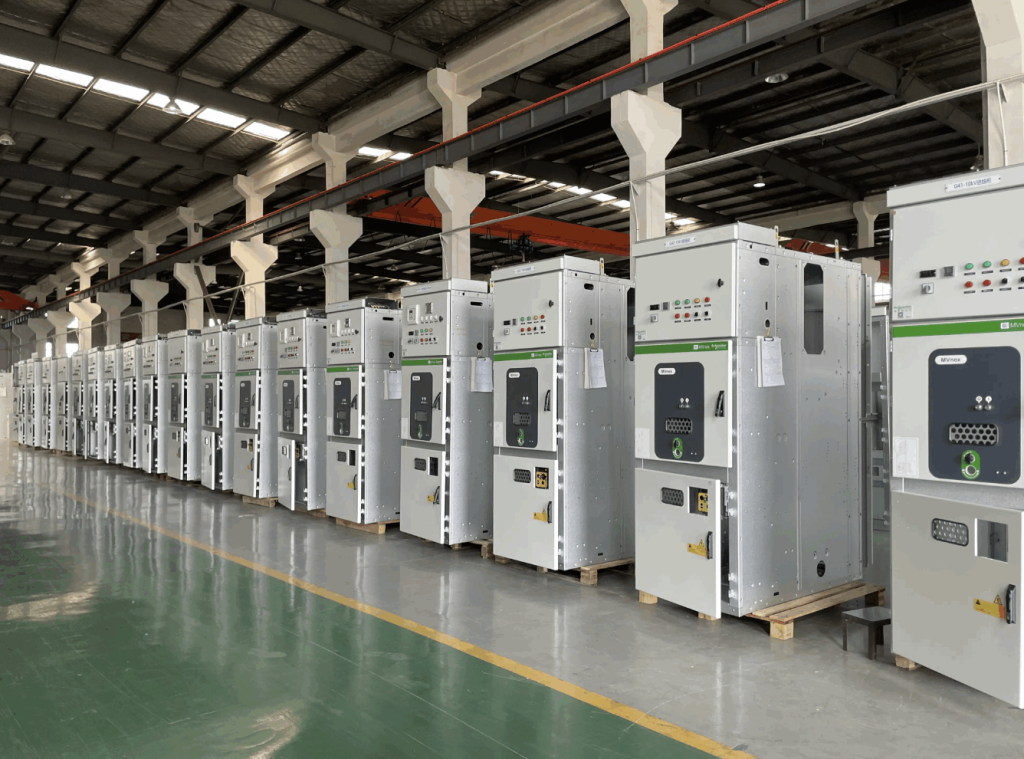
Verified through long-term engineering practice, pad mounted switchgear outperforms conventional distribution equipment in environmental adaptability, safety, economy and stability, meeting the demands of modern outdoor power distribution.
All-weather Environmental Adaptability: The enclosure adopts anti-corrosion coating and sealed waterproof design with IP65 protection grade. It offers protection against water, dust, ultraviolet radiation, aging and temperature shocks, and can operate steadily within extreme temperatures ranging from -40℃ to +85℃. It withstands rain, frost and direct sunlight without extra sunshade or rain shelters.
High Safety Protection: The fully enclosed integrated structure effectively prevents accidental contact, external impact and water ingress. Dead Front units eliminate exposed live components. Equipped with complete earthing, short-circuit and overload protection systems, it responds rapidly to faults and minimizes risks of electric shock, fire and equipment burnout.
Compact Layout and Controlled Costs: Modular integration greatly reduces equipment footprint, occupying only 1/3 to 1/2 of the space required by traditional distribution equipment and saving land resources. Low operational losses deliver energy-saving benefits. Since dedicated power distribution buildings are unnecessary, upfront construction expenditure and long-term maintenance costs are much lower than traditional alternatives.
Durability and Long Service Life: High-quality materials are adopted for core electrical components, and anti-corrosion enclosures resist corrosion and aging. With proper maintenance, the overall service life reaches 20–30 years with low failure rates, supporting long-term stable power distribution.
6. Installation, Operation and Daily Maintenance Guidelines
6.1 Installation Requirements
A flat, load-bearing concrete pad shall be poured in advance to maintain levelness, structural stability and avoid settlement that causes equipment tilt or deformation. Sufficient space for heat dissipation and maintenance must be reserved around the installation site, away from flammable, explosive and heavily corrosive sources. Drainage measures shall be implemented to prevent water accumulation at the base. Wiring must comply with electrical specifications, with adequate cable sealing, insulation protection and earthing treatment to ensure qualified earthing resistance.
6.2 Standard Operating Procedures
Only certified professional electricians are allowed to operate the equipment. Operators shall strictly follow standardized workflows: power cut, voltage testing, earthing and safety tagging. Under normal operating conditions, forced switching under load and unauthorized disassembly of sealed structures are prohibited. After fault tripping, operators must identify and eliminate root causes before re-closing to avoid operation under fault conditions.
6.3 Periodic Maintenance
For regular outdoor environments, routine inspections shall be conducted every six months, and comprehensive annual maintenance is required. For coastal, dusty or salt-prone harsh environments, inspection cycles are shortened to once every three months with full maintenance every six months. Major maintenance items include enclosure sealing and anti-corrosion inspection, terminal tightening, insulation testing, switch operation verification, fuse condition check, earthing system inspection and calibration of intelligent monitoring modules.
7. Selection Guide for Pad Mounted Switchgear
7.1 Factors Affecting Pricing
No fixed price exists for pad mounted switchgear. Costs are determined by six key factors: insulation type, voltage rating, functional configuration, protection grade, brand and customization requirements. At identical voltage ratings, gas-insulated units cost more than air-insulated alternatives. Higher voltage levels and richer functions (intelligent monitoring, remote control, multi-layer protection) lead to higher equipment prices.
7.2 Selection Tips
- Conventional municipal, residential and general industrial projects: Prioritize air-insulated switch-fuse combination units for optimal cost performance;
- Coastal, humid or heavily polluted harsh environments: Choose SF₆ gas-insulated models to avoid insulation failures and equipment corrosion induced by environmental conditions;
- Densely populated public locations: Select Dead Front configurations without exposed live operating parts to improve safety standards;
- Small-scale terminal power distribution: Adopt simplified configurations to control project costs;
- Critical hub distribution projects: Equip units with intelligent monitoring and remote maintenance modules to boost power distribution intelligence.
Summary
Pad mounted switchgear serves as integrated core equipment for modern outdoor and underground medium-voltage power distribution systems. With compact layout, excellent weather resistance, reliable safety, convenient maintenance and prominent cost advantages, it is widely applied in municipal, residential, industrial, new energy and other power distribution sectors.
If you want to know more information about pad mounted switchgear, please contact Foken Electric. We will provide you with professional switchgear solutions.
FAQ
Q1: What is the core purpose of pad mounted switchgear?
It is mainly used for power distribution, circuit switching and fault protection in outdoor medium-voltage power distribution systems. Adapted to urban underground cable distribution networks, it enables compact, safe and civil-work-free terminal power distribution as a replacement for traditional power distribution buildings, ensuring stable operation of outdoor power distribution systems.
Q2: What are the key differences between pad mounted switchgear and underground switchgear?
The primary differences lie in installation mode and maintenance difficulty. Pad mounted switchgear is installed above ground on concrete pads, featuring simple construction, convenient maintenance, efficient fault troubleshooting and lower overall costs. Underground switchgear is fully buried for better aesthetics, yet it involves high civil construction costs, difficult inspection and elevated long-term maintenance expenses, and is only suitable for special scenarios.
Q3: What are the common rated voltages of pad mounted switchgear?
The mainstream rated voltages are 12kV, 15kV and 24kV, covering most residential, municipal and industrial medium-voltage distribution scenarios. Customized units with higher voltage ratings are available for special industrial and hub distribution projects.
Q4: Is pad mounted switchgear waterproof and rainproof?
It delivers reliable waterproof and rainproof performance. Standard units reach IP65 protection grade with integral sealed waterproof design. They can be installed in open-air conditions without additional shelters to withstand rain, ponding and humid environments.
Q5: What is the regular maintenance cycle for the equipment?
For clean conventional outdoor sites, routine inspections are required every six months together with full annual maintenance. For coastal, dusty and salt-spray environments, inspections shall be carried out every three months and comprehensive maintenance every six months to reduce failures and extend equipment service life.