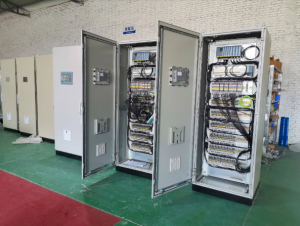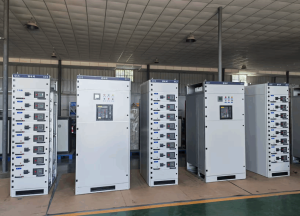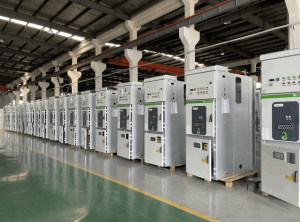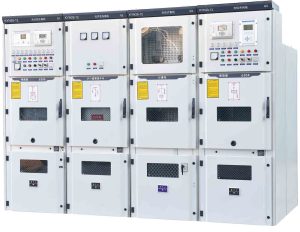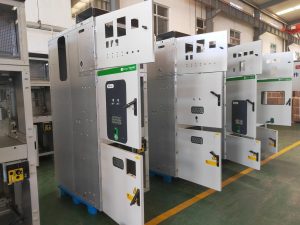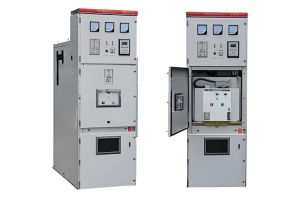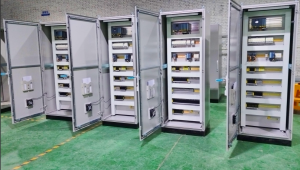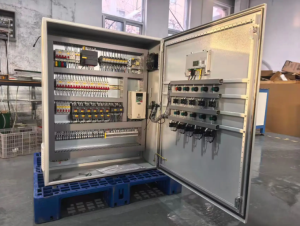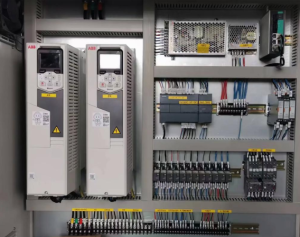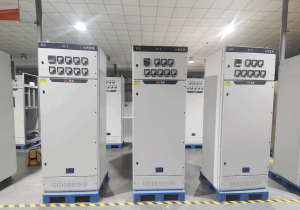
A stable and efficient irrigation system relies not on pipes, sprinklers or water pumps, but on the irrigation system control box that manages the entire setup. Serving as the “smart brain” of all irrigation equipment, the control box governs irrigation startup and shutdown, zoned water supply, water pump operation, intelligent regulation and other core functions. It is widely used for residential lawns, landscape gardens, farm cultivation, commercial parks, municipal greening and many other scenarios. This article fully covers the basic definition, working principles, classification features, core functions, purchasing criteria, installation and replacement procedures, daily maintenance for common faults, as well as a complete buying guide for irrigation system control boxes.
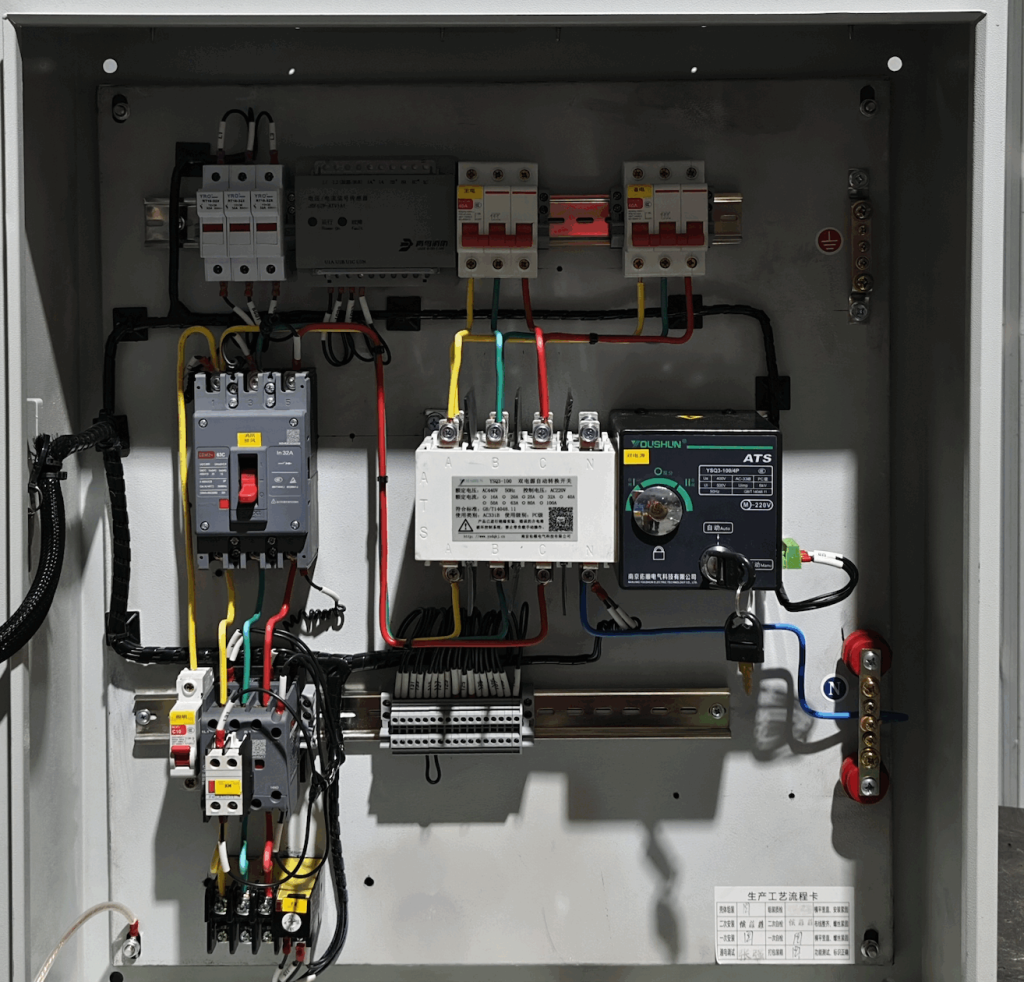
1. What Is an Irrigation System Control Box? Core Functions and Working Principles
1.1 Basic Definition and Working Principle
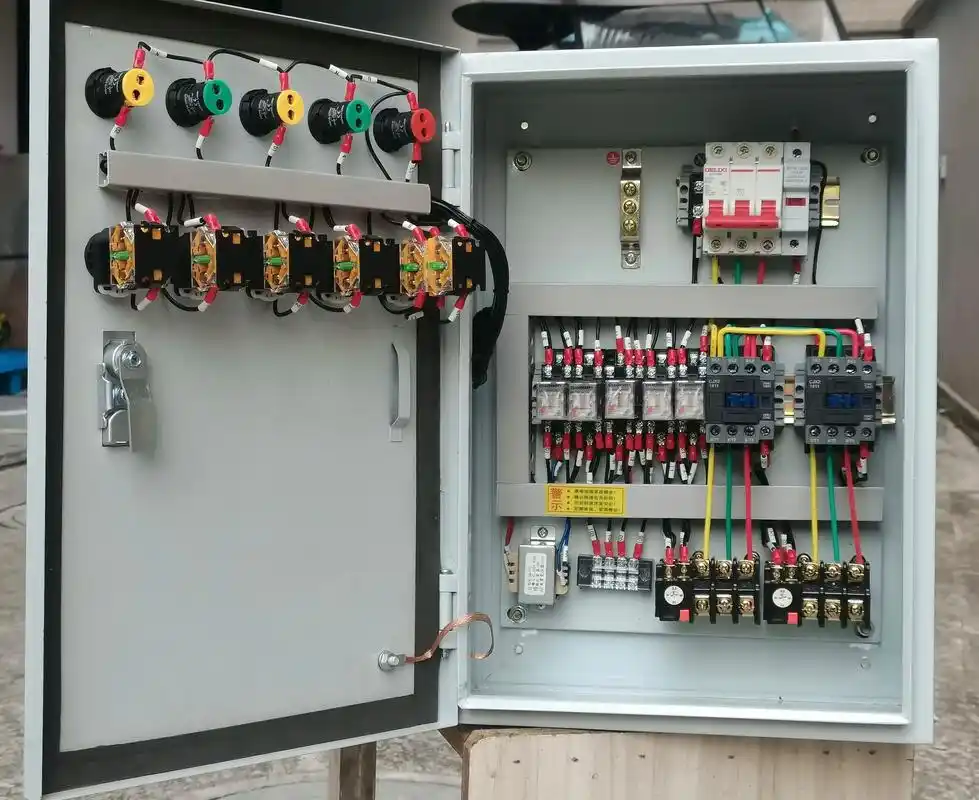
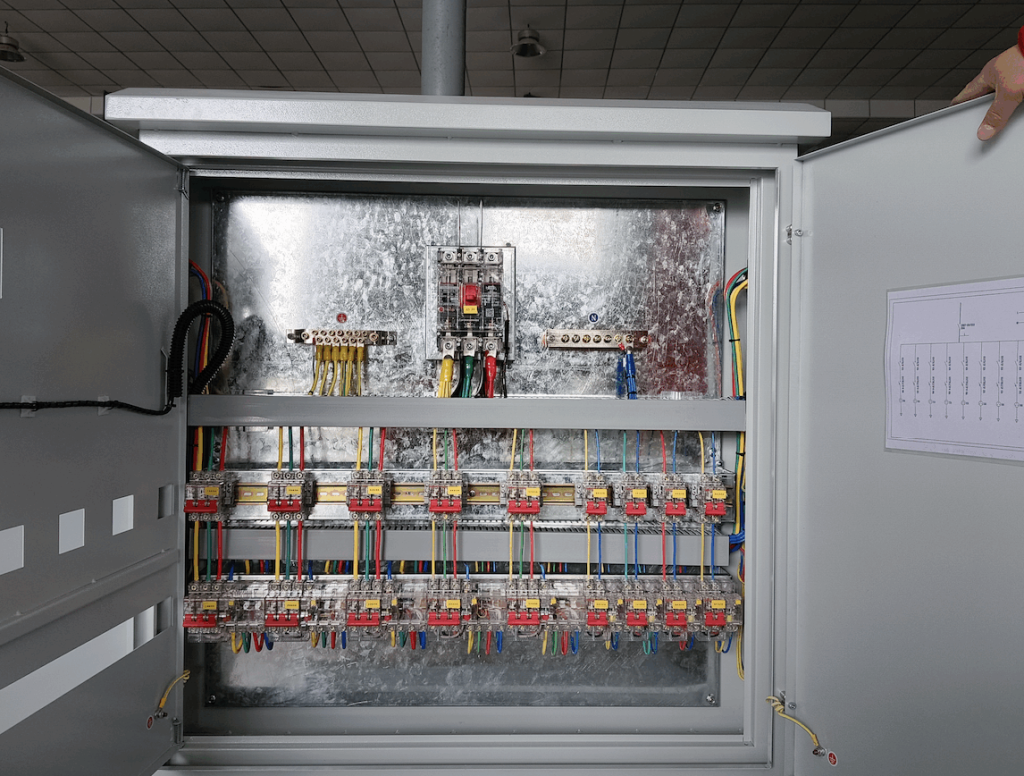
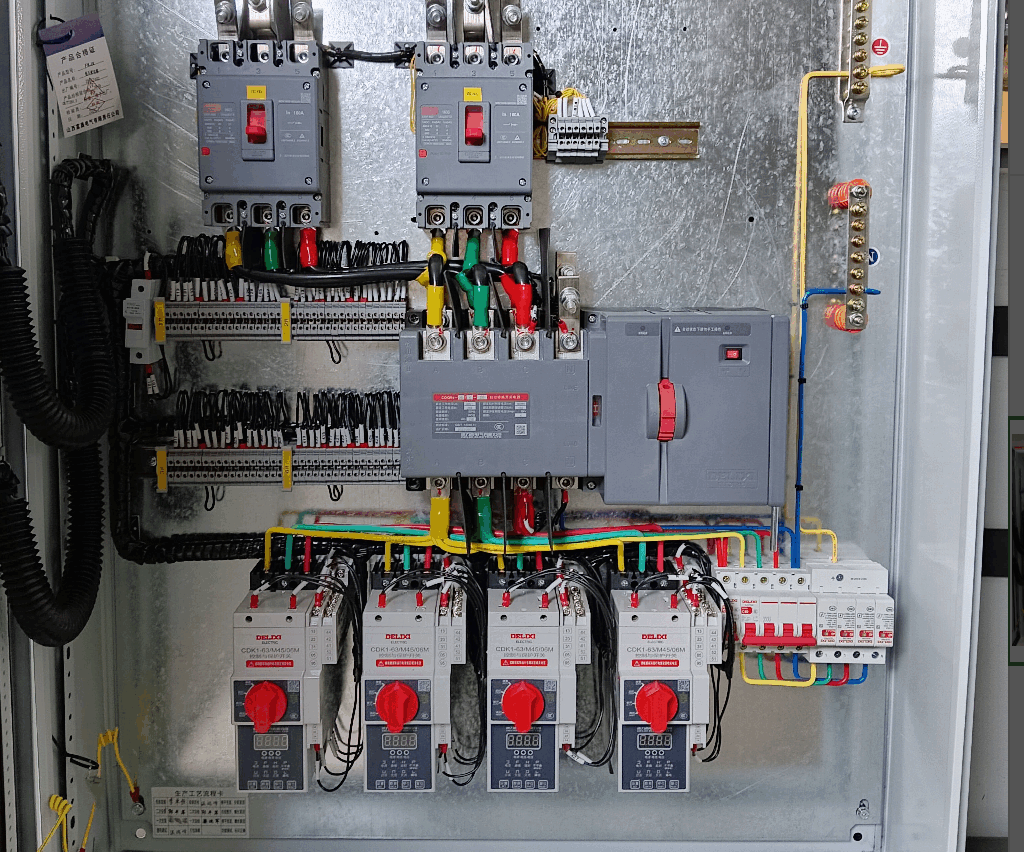
An irrigation system control box is dedicated electrical equipment integrated with control modules, power supply modules, protection modules and signal receiving modules, compatible with all types of sprinkler, drip and spray irrigation systems. Its core working principle is as follows: it collects environmental data via preset programs or external sensors, automatically controls the startup, shutdown and running duration of irrigation solenoid valves and water pumps. Meanwhile, it provides overloading, short-circuit and dry-run protection for all electrical irrigation equipment to realize unattended automatic irrigation.
Simply put, the control box replaces manual pump switching and manual valve adjustment. It distributes water volume and irrigation times for different zones precisely according to site irrigation demands, fundamentally solving the extensive drawbacks of manual irrigation.
1.2 Core Functions
High-quality irrigation control boxes come with multiple practical functions to fit both residential and commercial irrigation scenarios. Their core features are listed below:
- Independent Zoned Control: Separate irrigation time slots, durations and frequencies can be set for each zone. Different watering plans can be applied to lawns, green plants, crops and other vegetation with distinct water requirements without mutual interference.
- Scheduled Automatic Irrigation: Multiple timing cycles are supported, enabling automatic irrigation startup and shutdown at fixed times daily or weekly to meet regular watering demands.
- Intelligent Sensor Linkage: Compatible with rain sensors, soil moisture sensors and temperature sensors. It automatically pauses irrigation on rainy days and cuts off water supply once soil moisture reaches the standard, delivering precise on-demand irrigation and maximizing water conservation.
- Equipment Safety Protection: Built-in protection against overload, overvoltage, phase loss and dry operation. It effectively prevents pump burnout caused by dry running, unstable voltage and circuit faults, greatly extending the service life of irrigation equipment.
- Power Failure Memory and Delay Protection: Pre-set irrigation programs can be stored during power outages and resume operation automatically once power is restored. The zone delay function avoids voltage surges triggered by simultaneous startup of multiple devices.
2. Application Scenarios of Irrigation System Control Boxes
Irrigation control boxes are applicable to a full range of irrigation needs across residential, commercial and agricultural sectors: irrigation for residential yards and villa lawns; greening irrigation for residential communities, public parks and municipal landscapes; agricultural irrigation for farmlands, orchards and greenhouses; centralized irrigation systems for commercial projects and large sites.
3. Types of Irrigation System Control Boxes
Based on control modes, intelligence levels and applicable scenarios, irrigation control boxes available on the market fall into four major categories. These types differ greatly in cost performance, function configuration and applicable use cases, allowing users to select the right model according to their specific needs.
3.1 Mechanical Irrigation Control Box
The mechanical control box is an entry-level basic model that delivers scheduled irrigation through mechanical gear structures. It boasts a simple structure, low price, extremely low failure rate and requires no complex programming operations. However, this type features limited functions, supporting only basic timed irrigation without intelligent adjustment, sensor linkage or remote control, leading to relatively low irrigation accuracy. It is mainly suitable for small-scale simple irrigation sites such as tiny courtyards, small vegetable plots and basic lawns, ideal for users on a tight budget with no demand for refined irrigation.
3.2 Digital Irrigation Control Box
The digital control box is the mainstream residential model that adopts digital chip control and comes with an LCD panel for intuitive and easy operation. Compared with mechanical models, it supports precise multi-period timing and independent settings for multiple zones, with built-in battery backup to retain programs long after power cuts without repeated adjustments. Offering high cost performance, strong stability and user-friendly operation, it fits most residential yards and medium-sized community greening projects, balancing practicality and economy.
3.3 WiFi Smart Irrigation Control Box
The WiFi smart model is a popular upgraded product on the current market. It adds mobile remote control functions on the basis of digital control boxes, paired with cloud intelligent algorithms to deliver all-weather intelligent management. Users can check irrigation status, modify irrigation programs and manually start or stop equipment anytime and anywhere via a mobile APP. It also supports connection to meteorological data to automatically adjust irrigation schedules based on weather conditions, reducing or suspending watering on rainy and cloudy days for remarkable water-saving effects. This product fits households, high-end gardens and small-to-medium agricultural planting sites with high demands for intelligence and convenience, ranking as a top pick among current market products.
3.4 Commercial Dedicated Water Pump Control Box
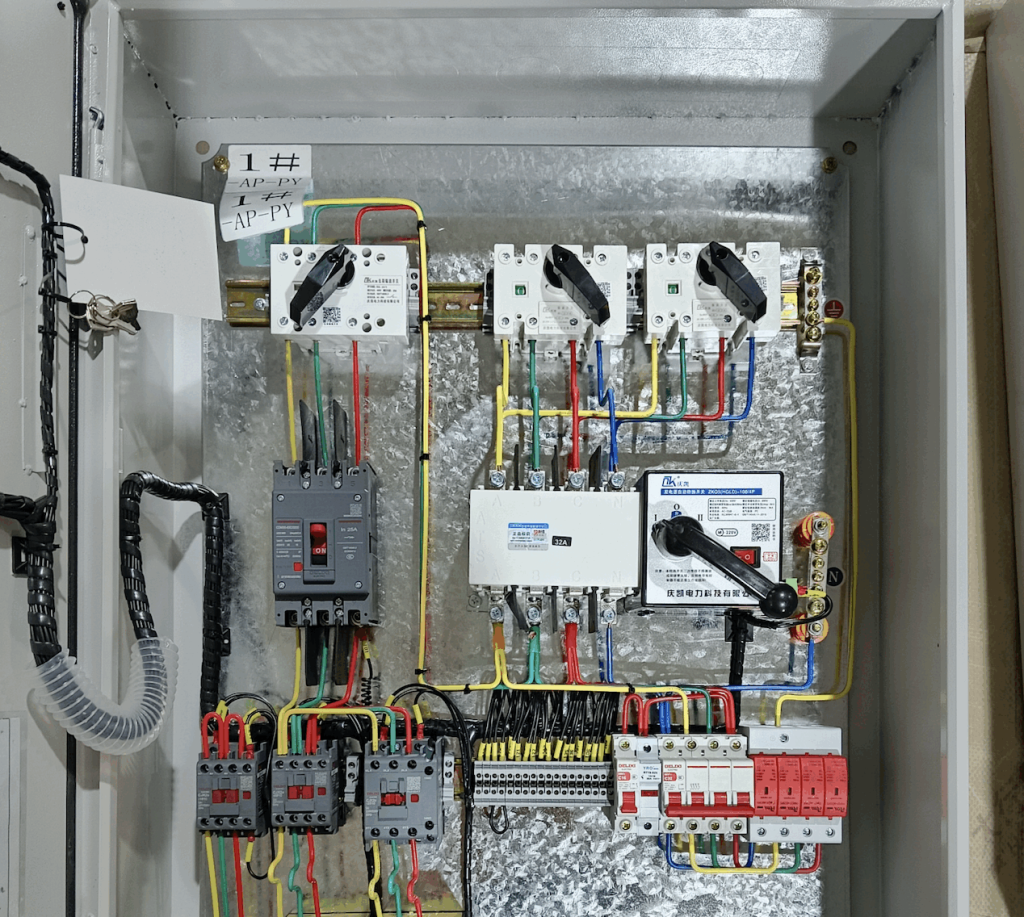
The commercial model is special equipment designed for large irrigation sites, built for high-power irrigation water pumps and large-area irrigation systems with enhanced protection performance and load capacity. In addition to basic irrigation control functions, it features reinforced industrial-grade safety configurations including phase loss protection, dry-run protection and high-voltage overload protection, capable of continuous high-load operation over long periods. It also supports wide-range linkage control for multiple zones, suited for large farmlands, expansive orchards, municipal projects, commercial parks and other large-scale irrigation sites to satisfy the bulk irrigation demands of business clients.
4. Core Advantages of Installing an Irrigation Control Box
Whether for small residential irrigation or large commercial irrigation systems, a professional control box delivers all-round upgrades, with its core strengths reflected in four dimensions: water conservation, labor savings, equipment protection and plant care.
- High-efficiency Water Conservation & Lower Water Bills: Precise timing and sensor-linked water control eliminate blind irrigation and overwatering. It can save over 30% of water resources compared with traditional manual irrigation, cutting water expenditure substantially in the long run.
- Labor Savings & Free Up Manpower: Fully automatic unattended operation removes the need for daily manual pump switching and valve adjustment. It is especially suitable for yards, farmlands and parks with no on-site staff, drastically saving labor time and operation costs.
- Scientific Irrigation & Improved Plant Growth: Water supply is adjusted accurately based on plant growth rules, soil moisture and weather conditions to prevent drought stress or root rot caused by waterlogging. It guarantees stable growth for lawns, green plants and crops, boosting landscaping quality and agricultural yields.
- Equipment Protection & Extended Service Life: Multiple electrical protection functions effectively avoid malfunctions such as pump dry running, unstable voltage and short circuits, reducing equipment repair and replacement frequency and lowering overall operation costs of the irrigation system.
- Intelligent Management & Compatibility with Diverse Scenarios: Smart models support remote operation and intelligent adjustment, adapting flexibly to special circumstances such as long holidays or extended trips away from home and ensuring stable operation of irrigation systems.
5. Core Buying Criteria for Irrigation Control Boxes
Price alone should not be the only consideration when purchasing an irrigation control box. The site size, number of irrigation zones, equipment power and operating environment must all be taken into account. The following six core purchasing standards help users avoid common buying pitfalls and select cost-effective products that match their needs.
5.1 Match the Number of Irrigation Zones
The number of zones serves as the fundamental selection factor, with different specifications fitting distinct scenarios: 4 to 8 zones suffice for small residential yards and compact lawns; 8 to 12 zones are recommended for medium-sized parks and ordinary orchards; control boxes with 12 or more linked zones are required for large farmlands, expansive municipal green spaces and commercial projects to ensure independent, interference-free watering for each zone.
5.2 Prioritize Intelligent Compatibility Performance
Users with refined irrigation needs should opt for smart models supporting sensor linkage, compatible with rain sensors, soil moisture sensors and temperature sensors to realize environment-adaptive irrigation. Those requiring remote management must choose models with WiFi connectivity to adjust irrigation settings and turn water supply on or off remotely without site restrictions.
5.3 Focus on Safety Protection Configurations
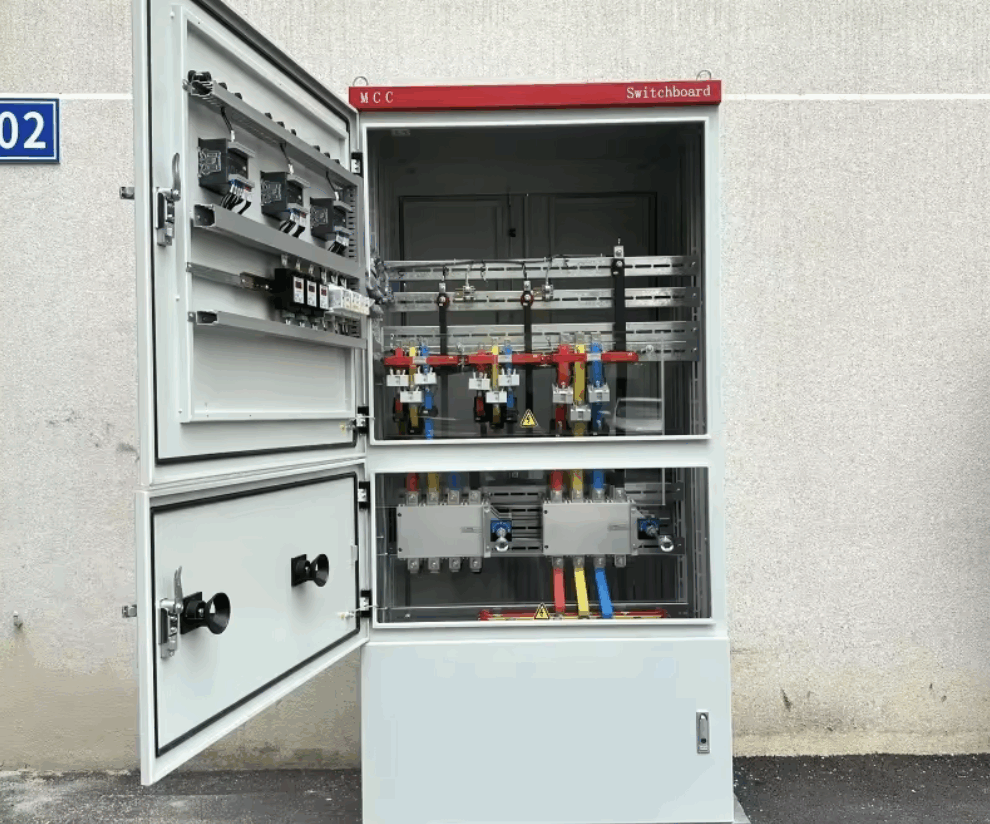
Irrigation equipment mostly operates outdoors in humid environments, where water pumps and circuits are prone to faults, making safety protection a critical priority. Premium control boxes feature five core protection functions: overload, overvoltage, short-circuit, phase loss and dry-run protection. These features shield water pumps and circuit equipment effectively, preventing hazards such as equipment burnout and electric leakage and greatly cutting maintenance costs.
5.4 Outdoor Environmental Protection Design
Most irrigation control boxes are installed in open air, requiring excellent water-proof, dust-proof, sun-proof and moisture-proof performance. High-quality industry products reach an IP65 or above protection rating, able to withstand harsh outdoor conditions including heavy rain, intense sunlight and sandstorms without premature aging or frequent malfunctions to guarantee stable equipment operation. Models with power failure memory and zone delay functions are preferred to avoid faults triggered by sudden power cuts or simultaneous startup of multiple devices.
5.5 Balance Installation Difficulty and Compatibility
For residential use, DIY-friendly models with simple wiring and easy debugging are ideal, which can be fully installed and adjusted by users without professional technicians. For commercial and industrial applications, customizable models that support high-power water pumps and multi-device linkage can be selected to meet personalized demands of irrigation projects.
6. Installation of Irrigation Control Boxes
The installation and replacement process for irrigation control boxes is straightforward and can be completed by novice users as long as standard safety operating procedures are followed step by step.
6.1 Pre-installation Preparation
Prepare basic tools including screwdrivers, electrical insulating tape and a multimeter in advance; double-check whether the model and zone quantity of the control box match your irrigation system; cut off all power supplies thoroughly to ensure circuits are de-energized and eliminate wiring safety hazards; clear the designated installation spot and fix the equipment in a well-ventilated, dry area free from water accumulation.
6.2 Step-by-step Installation Process for New Equipment
Step 1: Secure the control box casing firmly and ensure a tight seal.
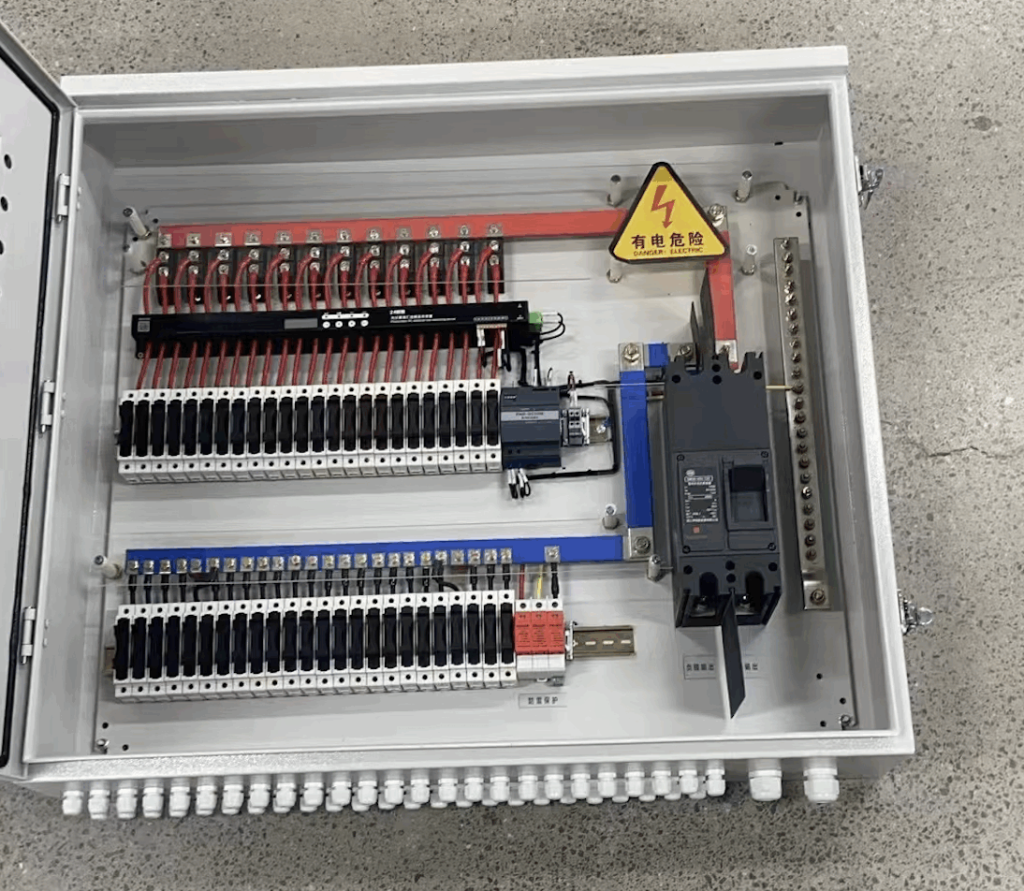
Step 2: Complete wiring in accordance with the product manual, separating power cables, water pump cables and solenoid valve zone cables to avoid misconnection and loose contacts.
Step 3: Connect sensor devices (if equipped) and debug sensor linkage signals.
Step 4: Switch on power, set irrigation time slots, durations and operation frequencies for each zone.
Step 5: Run simulation tests to verify normal startup and shutdown of all zones and smooth operation of linked devices.
6.3 Replacement Steps for Old Control Boxes
First, cut off the total power supply of the equipment completely and mark the original cables corresponding to each zone and equipment interface; remove the worn old control box and clear aging cables and interfaces; connect cables one-to-one according to the wiring logic of the old and new equipment to guarantee matching wire connections; mount and secure the new casing, adjust basic parameters and migrate reasonable pre-existing irrigation programs; conduct trial operation to troubleshoot circuit failures and abnormal zone performance.
6.4 Post-installation Debugging and Inspection
Comprehensive testing must be carried out after installation: check whether all irrigation zones can start and stop normally, if timing functions are accurate, if sensor linkage works sensitively and if water pumps run smoothly. Once no water leakage, electric leakage or abnormal noise is detected, the equipment can be put into regular use.
7. Solutions for Common Faults and Daily Maintenance
Irrigation control boxes run outdoors for extended periods and are susceptible to minor faults caused by environmental factors, circuit issues and improper operation. Mastering basic troubleshooting and maintenance methods can extend equipment service life and reduce downtime due to malfunctions.
7.1 Frequent Common Faults and Quick Troubleshooting
- No power supply to equipment: First check the main power supply, circuit interfaces and fuses for damage, inspect circuits for aging and loose connections, then retighten cables or replace accessories for recovery.
- Abnormal zoned irrigation: Single zones failing to water or running continuously are mostly caused by faulty solenoid valves or incorrect zone parameter settings. The issue can be resolved by readjusting programs or replacing the corresponding solenoid valves.
- Inaccurate timing and program disorder: Usually caused by depleted backup batteries that disable power failure memory. Replace the backup battery, reset irrigation programs and activate the power failure memory function.
- WiFi connection failure: Inspect network signals and device network settings, restart the equipment and router, and avoid excessive distance or signal interference.
- Frequent startup and shutdown of water pumps: Check for unstable circuit voltage or triggered overload protection, and verify matching between water pump load and circuits.
7.2 Daily Maintenance Tips
Regularly wipe dust and debris off the casing surface and keep the box tightly sealed to prevent rainwater and sand from entering the interior of the equipment; inspect circuit interfaces, sensors and solenoid valves once every quarter, replacing aging accessories in a timely manner; conduct full equipment inspections before spring irrigation and after autumn harvest, adjust irrigation parameters and detect potential faults; cut off the total power supply if the equipment will remain unused for a long time, and take measures to protect it from moisture and direct sunlight.
8. Frequently Asked Questions
Do irrigation systems have to be fitted with a control box?
It is not a mandatory requirement, yet manual irrigation suffers from low efficiency, severe water waste and lacks precise zoned watering control. Installing a professional control box enables automatic and refined irrigation, protects equipment, cuts labor costs and water bills, making it an essential supporting device for modern irrigation.
What is the difference between an irrigation control box and an irrigation timer?
An irrigation timer only features basic timing switch functions without zoned management, equipment protection or intelligent linkage capabilities. A control box is integrated equipment combining timing, zoned control, electrical safety protection, sensor linkage, remote control and more functions. It delivers stronger stability, wider scenario compatibility and full control over the entire irrigation system.
Can smart irrigation control boxes work with rain sensors and soil moisture sensors?
Most smart and digital control boxes support sensor connections. They can link with rain sensors to suspend watering during rainfall and pair with soil moisture sensors to deliver adaptive irrigation based on soil dryness, greatly improving water-saving effects.
How many zones are needed for residential lawn irrigation?
4 to 6 zones generally meet the demands of standard residential lawns; properties with yards over 200 square meters or multiple separate planting areas can opt for 8-zone models to deliver differentiated watering plans for each zone.
Can novice users install and replace irrigation control boxes by themselves?
Small residential control boxes feature a simple structure and clear wiring, so new users can complete installation and replacement independently following the user manual. Professional technicians are recommended for installation of high-power commercial multi-linked equipment to guarantee safe and stable operation.
9. Conclusion
The irrigation system control box acts as the core component of automatic water-saving irrigation, determining the efficiency, stability and water-saving performance of the entire irrigation system. The four product categories including mechanical, digital, WiFi smart and commercial industrial models cater respectively to basic residential use, general civil use, high-end intelligent use and large-scale commercial applications. Users can pick the optimal model by evaluating site size, zone requirements, intelligence needs and budget.
Standardized installation, commissioning and regular daily maintenance can maximize the control box’s strengths in intelligent water regulation, equipment protection and cost & water savings. Whether for residential yard greening or large-scale agricultural and commercial project irrigation, a well-matched irrigation control box delivers reduced operating costs and scientific irrigation, serving as an indispensable core component of all modern irrigation systems.
Reference Materials
- GB/T 24672-2009 Technical Specifications for Intelligent Irrigation Controllers
- SL/T 427—2021 Specification for Data Transmission of Water Resources Monitoring
- SL/T 426—2021 Basic Technical Conditions for Water Measuring Equipment