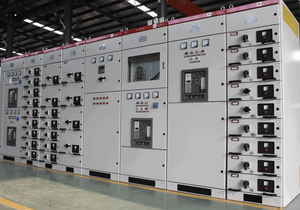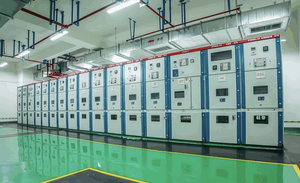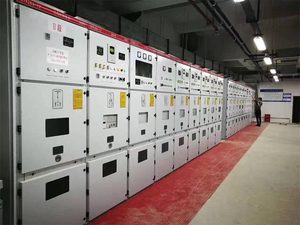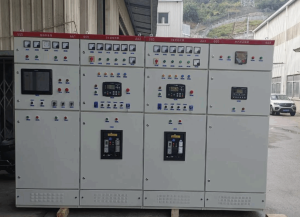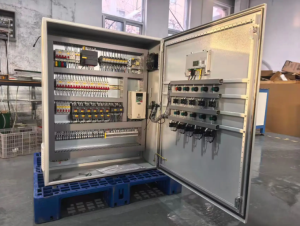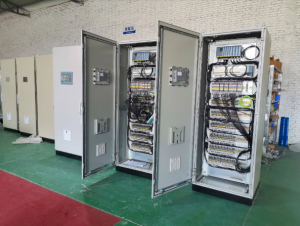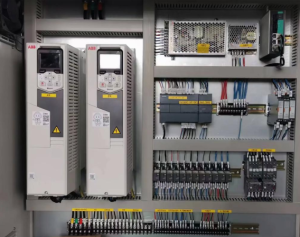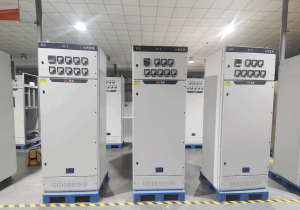
In irrigation systems for courtyard landscapes, commercial gardens and large-scale farmlands, the irrigation control box serves as an indispensable core control hub. Many users encounter various problems when purchasing and using this device: confusing different product types, lacking knowledge of outdoor installation protection standards, struggling with wiring and commissioning, failing to quickly troubleshoot faults, and being unable to select suitable models according to site sizes. This article provides a full-scale introduction covering basic knowledge, core functions, product classification, selection tips, installation and wiring, replacement and maintenance. It applies to household, commercial and agricultural scenarios, helping beginners, maintenance technicians and procurement professionals master comprehensive know-how of irrigation control boxes.
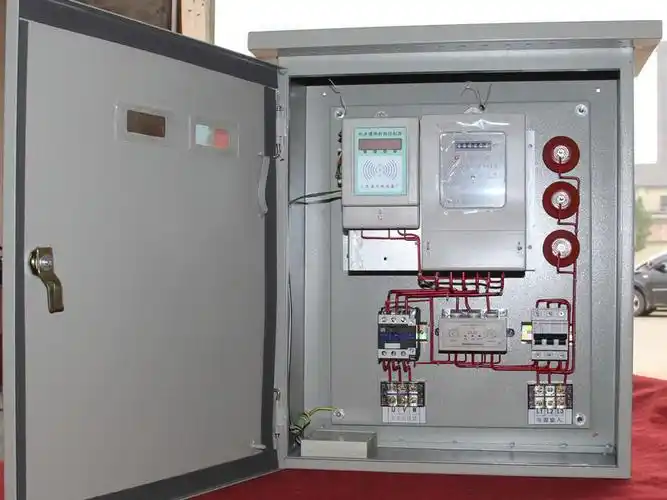
1. What Is an Irrigation Control Box?
1.1 Basic Definition
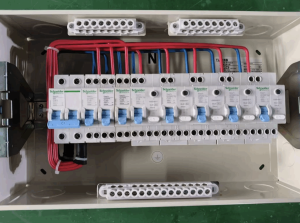
An irrigation control box is a dedicated electrical control device integrated with main control modules, power modules, control circuits and protective enclosures. It is designed to manage sprinkler, drip irrigation, micro-sprinkler and other irrigation systems. The device can preset irrigation programs and link with solenoid valves, water pumps and various environmental sensors to automatically complete zoned, timed and quantitative irrigation tasks. It is widely used in home courtyards, residential greening, municipal landscapes, orchards and field farmland irrigation.
1.2 Working Principle
Driven by built-in microprocessors or PLC modules, the irrigation control box outputs control signals based on pre-set irrigation programs. It sends pulse signals to solenoid valves to control valve opening and closing, so as to accurately regulate the water supply duration and interval of each irrigation zone. When connected with soil moisture sensors and rain sensors, the device collects real-time environmental data and adjusts irrigation strategies accordingly. It will suspend irrigation automatically when the soil reaches the ideal moisture level or during rainfall, forming an intelligent closed-loop management system that balances irrigation performance and water conservation. Equipped with overloading, electric leakage and water shortage protection functions, it effectively safeguards water pumps, pipelines and other supporting equipment from burnout caused by overload or dry running.
1.3 Differences Between Irrigation Control Box and Sprinkler Control Box
These two devices are often mixed up by users, and their main differences lie in applicable scenarios and control accuracy. The sprinkler control box is specially designed for short-range sprinkler systems of lawns and courtyards. It features simple functions with only basic timing switches, fewer control zones and low control precision. In contrast, the irrigation control box boasts wider compatibility. It supports sprinkler irrigation, drip irrigation, micro-sprinkler irrigation and field irrigation. With multi-zone independent control, sensor linkage and remote regulation capabilities, it also achieves higher protection levels. It meets the demands of lightweight household use as well as large-scale irrigation operations on farms and commercial parks.
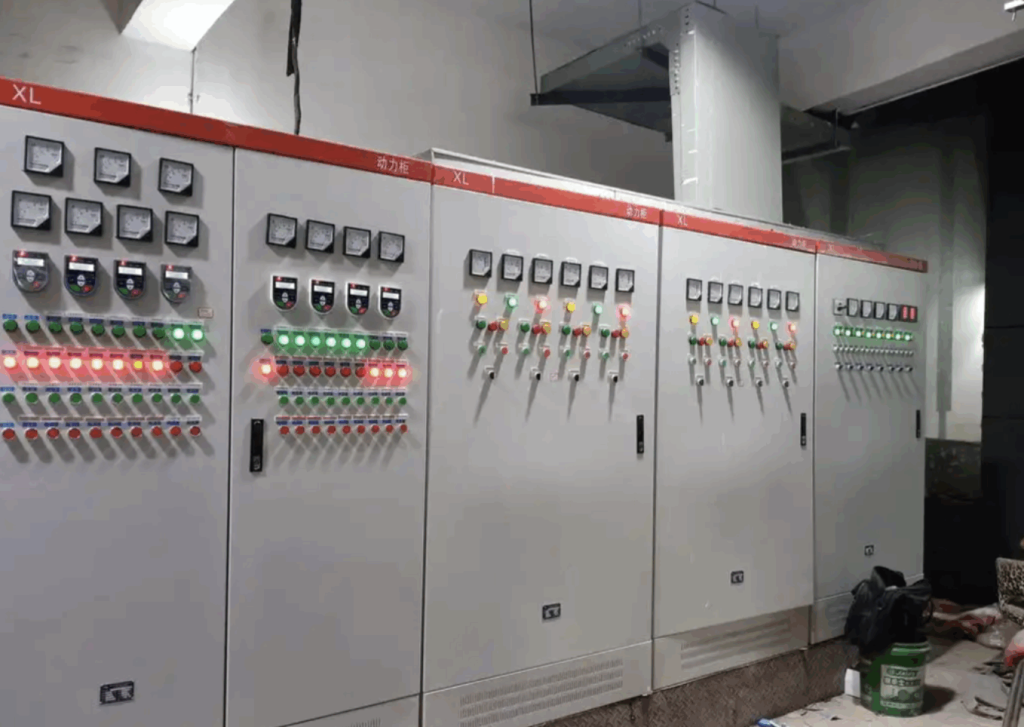
2. Core Functions of Irrigation Control Boxes
A high-quality irrigation control box is more than a simple timing switch, but an integrated intelligent management system. Its core functions fall into four categories: irrigation control, energy and water saving, equipment protection and multi-scenario adaptation, fully catering to diverse application requirements.
- Timed and Zoned Irrigation Management: It supports settings for multiple independent zones. Users can customize the irrigation time, duration and interval for each area to match the distinct water demands of lawns, flowers, fruit trees and crops, and avoid uneven soil moisture caused by unified irrigation.
- Intelligent Regulation for Water and Energy Conservation: Intelligent models connect with rain sensors and soil moisture sensors to start or stop irrigation based on real-time environmental data. It eliminates unnecessary irrigation on rainy days or when the soil is sufficiently moist, greatly reducing water waste. Meanwhile, it precisely controls equipment startup and shutdown to cut down power consumption.
- Safety Protection for Water Pumps and Systems: Built-in protection mechanisms against overload, electric leakage, water shortage and no-load operation will cut off power automatically once water pumps run dry, circuit faults occur or pipelines lack water. This prevents equipment burnout, circuit failures and pipeline rupture, and extends the service life of the entire irrigation system.
- Remote Intelligent Control: New WiFi-enabled intelligent control boxes support remote operation via mobile apps and mini-programs. Users can modify irrigation programs, start or stop devices and check operating status anytime and anywhere without on-site operation, which greatly simplifies regular inspection and manual control over large areas.
- Diversified Expansion for Multi-scenario Use: It is compatible with timing, power metering and water metering modes, and can connect with water and fertilizer integrated machines, variable frequency water pumps and other auxiliary equipment. Functions can be expanded flexibly to suit small and medium-sized gardens as well as large farmland irrigation projects.
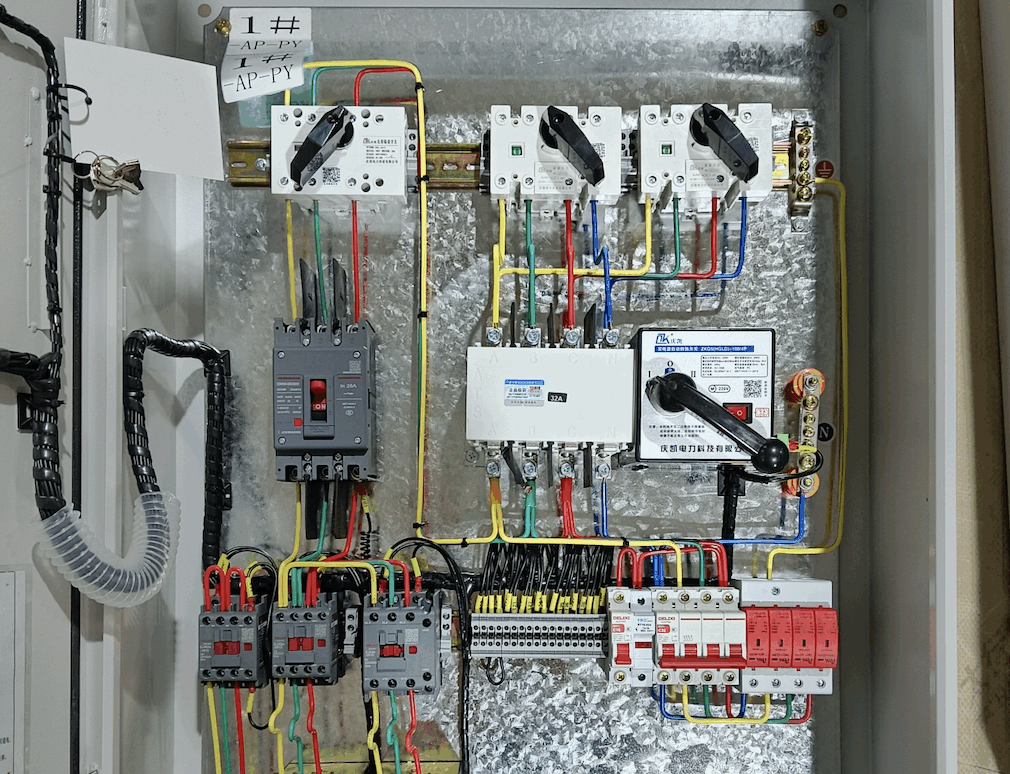
3. Main Types of Irrigation Control Boxes
There is a wide range of irrigation control boxes on the market. They can be divided into three major categories by functions, application scenarios and installation environments for targeted selection.
3.1 Classification by Functions: Traditional Timing Model vs. Intelligent Remote Model
The traditional timing model is a basic version that only supports preset timed irrigation and fixed zone operation. It has no remote control or sensor linkage functions. Featuring simple structure, high cost performance and low failure rate, it is ideal for small courtyards and simple greening projects with basic demands. The WiFi-enabled intelligent model is an upgraded version equipped with intelligent chips and wireless communication modules. It realizes remote control, sensor linkage, operating data recording and adaptive irrigation adjustment. It optimizes irrigation schemes dynamically according to environmental changes, delivering better water-saving performance and higher intelligence. It is a preferred choice for commercial parks and large-scale farmlands with high-standard requirements.
3.2 Classification by Application Scenarios: Household, Commercial and Agricultural Models
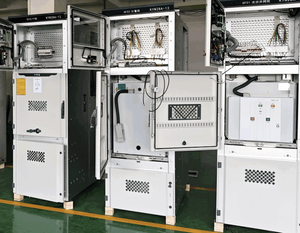
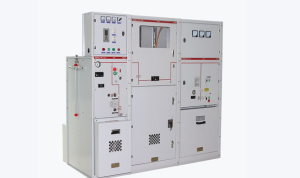
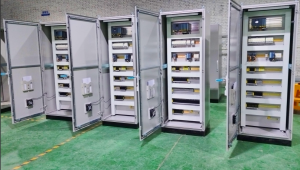
Household models are compact and easy to operate with fewer control zones, suitable for small-area irrigation in home courtyards and villa lawns. Commercial models come with higher protection levels and more stable operation, and support synchronous control of multiple zones, which fits greening projects of residential communities, municipal landscapes and hotel gardens. Agricultural models adopt PLC core modules with strong expandability and load capacity. They are applicable to complex scenarios such as field farmland, orchards and greenhouses that require long-term continuous irrigation, and support linkage of multiple devices for large-scale management.
3.3 Classification by Installation Environments: Indoor Model vs. Outdoor Weatherproof Model
Indoor models have relatively low enclosure protection levels, and are only installed in dry and shaded places such as indoor machine rooms and storage rooms. They are not allowed for outdoor exposure. Outdoor models adopt sealed waterproof enclosures with excellent performance of water resistance, dust resistance, sun protection, anti-aging and wide temperature adaptability. They can withstand harsh conditions such as rain, strong sunlight and sandstorms in open fields, field edges and outdoor walls, and are essential equipment for outdoor irrigation systems.
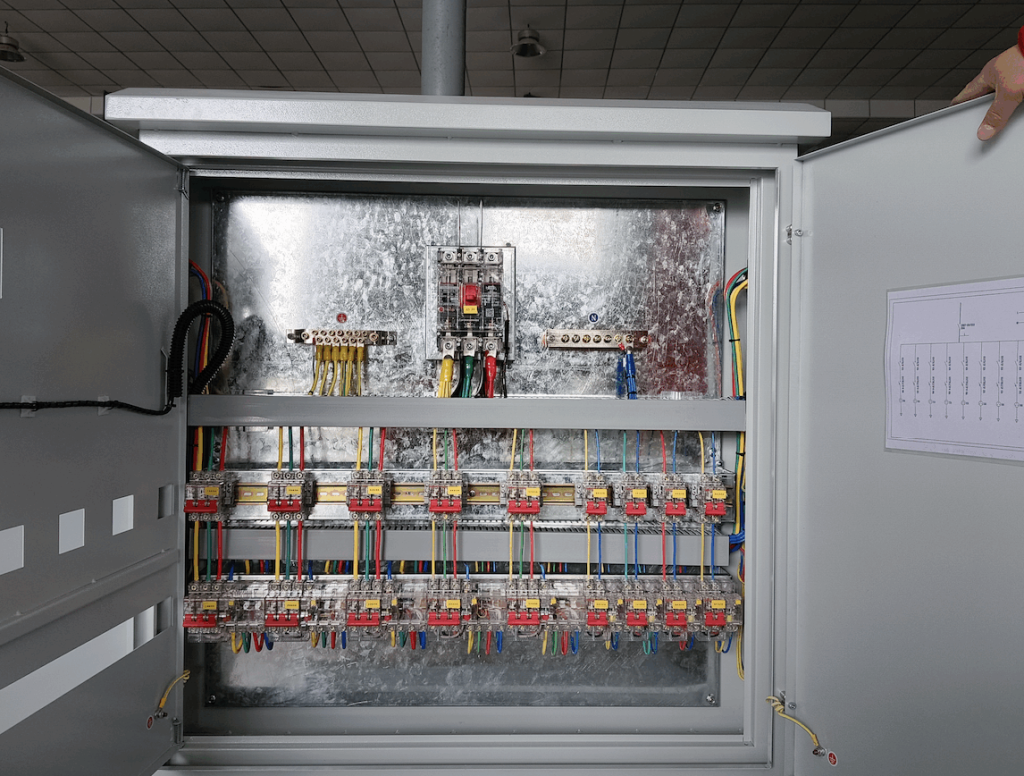
4. Core Guidelines for Irrigation Control Box Selection
Proper selection determines the stability and practicality of an irrigation system. There is no need to blindly pursue high-priced products. A cost-effective and well-matched device can be selected by taking site scale, installation environment, functional demands and budget into comprehensive consideration.
- Match Irrigation Area and Zoning Requirements: Basic models with 4 to 6 zones are sufficient for household courtyards within 500 square meters. Devices with 8 to 12 zones are recommended for small and medium-sized landscapes. For large farmlands and projects requiring management of multiple separate areas, choose high-capacity control boxes with 16 or more zones to ensure independent and conflict-free operation of each zone.
- Prioritize Outdoor Protection Ratings: For all outdoor installation sites, select weatherproof devices with a protection rating of IP65 or above to avoid short circuits and faults caused by rainwater infiltration and dust accumulation. Standard protection models are acceptable for dry indoor environments to reduce procurement costs.
- Select Configurations Based on Functional Demands: Choose traditional timing models for sites that only need basic timed irrigation and rarely require parameter adjustment. For commercial and agricultural projects demanding refined water-saving management, remote operation and unattended running, intelligent remote models paired with sensors are the optimal choice to realize adaptive irrigation.
- Check Equipment Stability and Service Life: Prioritize devices assembled with well-known brand core components and multiple built-in safety protections. Such products normally have a service life of 5 to 8 years. Avoid low-quality cheap products to cut down subsequent costs on maintenance and replacement.
- Balance Cost Performance with Budget: For household use, focus on practicality and cost efficiency without pursuing redundant functions. For commercial and agricultural engineering projects, prioritize stability and expandability to adapt to long-term high-frequency operation and reduce later maintenance costs.
5. Installation and Wiring Guide for Irrigation Control Boxes
Most household and small commercial irrigation control boxes have simple structures. Users can complete DIY installation and wiring as long as electrical safety rules are followed, with no need for professional technicians. Standard operation effectively prevents circuit faults and equipment damage.
5.1 Pre-installation Preparation
Confirm that the device voltage matches the on-site power supply voltage. Prepare insulated tools, waterproof wiring terminals, fixing brackets and other accessories. Inspect the control box, solenoid valves and circuits to ensure no damage or faults. For outdoor installation, select a well-ventilated position away from direct sunlight and water accumulation, and keep it far from flammable, explosive and highly corrosive substances.
5.2 Standard Wiring Procedures
- Cut off the total power supply before operation to prevent electric shock.
- Fix the control box firmly. Conduct waterproof sealing treatment for outdoor units to prevent shaking and water ingress.
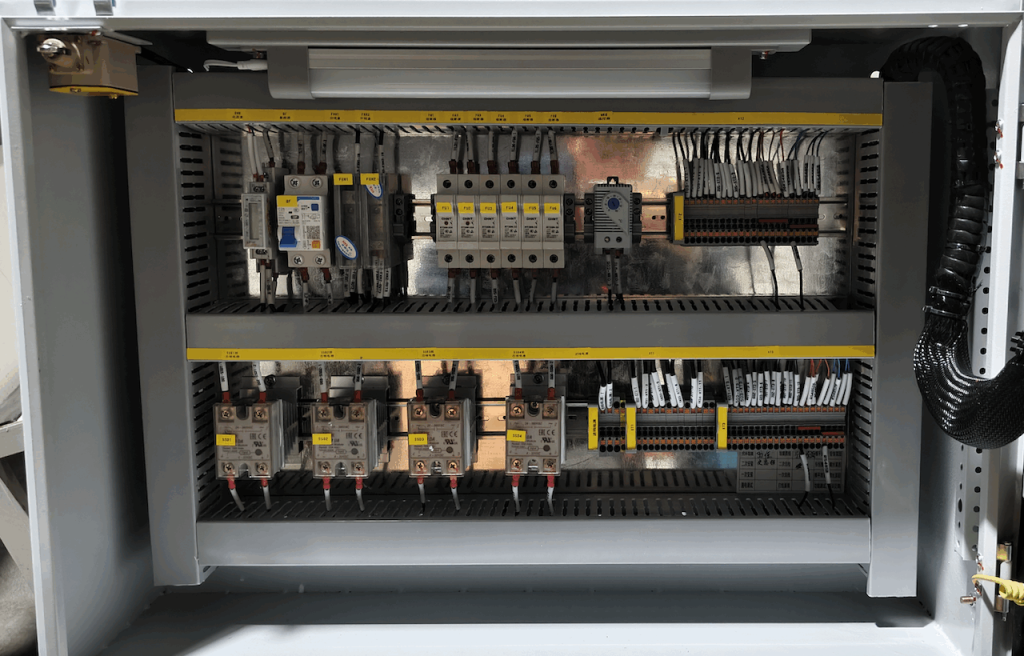
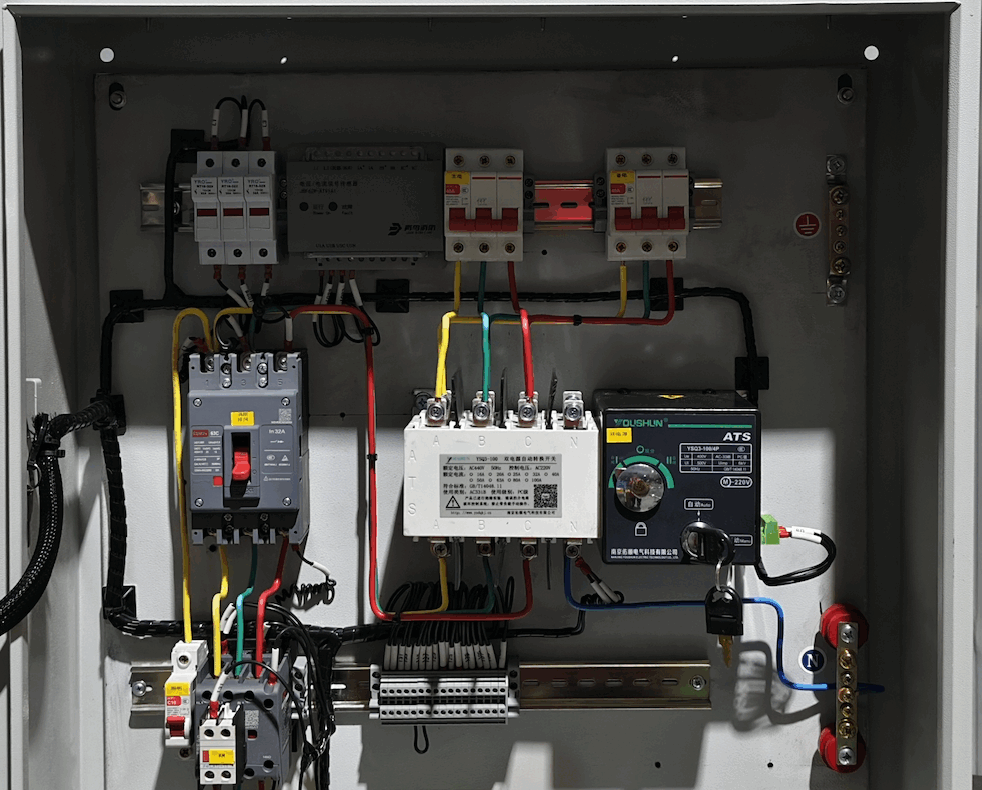
- Distinguish main power lines and zone control lines. Connect power cords to the main power module and route zone wires to corresponding terminals. Ensure all connections are tight and correctly wired without loose contacts.
- Connect circuits of supporting equipment including solenoid valves and sensors, and guarantee matching voltage and current parameters.
- Seal all cable inlets and outlets after wiring, and wrap connections with waterproof and insulating materials to eliminate risks of electric leakage and water penetration.
5.3 Key Notes for Outdoor Installation
Keep the enclosure fully sealed and cable entries well blocked against water. Mount the box at least 30 centimeters above the ground to avoid immersion by surface water. Stay away from areas exposed to intense sunlight to slow down enclosure aging. In thunderstorm-prone areas, install additional grounding protection to enhance lightning resistance.
5.4 Feasibility of DIY Installation
Small household and simple commercial irrigation control boxes can be installed and commissioned by users themselves thanks to simple operation and low safety risks. For large agricultural PLC control cabinets and complex systems with multiple linked devices, professional electrical maintenance technicians are suggested for installation to guarantee system stability and operational safety.
6. Replacement, Maintenance and Troubleshooting of Irrigation Control Boxes
Long-term outdoor operation and frequent startup and shutdown may lead to aging and faults of irrigation control boxes. Mastering replacement rules, repair methods and daily maintenance skills helps extend equipment service life and keep the irrigation system running steadily.
6.1 Replacement Timing
The standard service life of a regular irrigation control box ranges from 5 to 8 years. It is recommended to replace the device in the following cases: frequent faults, program disorder or failure to start and stop normally; severely aged and damaged enclosures with irreparable waterproof failure; damaged core modules whose repair cost exceeds the price of a new unit; insufficient zones or functions to meet updated irrigation demands.
6.2 Replacement Procedures for Old Devices
First, cut off the total power supply and mark each circuit interface of the old box to avoid miswiring during reinstallation. Remove the old control box and clean up dust, debris and aged wires at the installation position. Connect marked wires to corresponding terminals of the new device in accordance with wiring specifications, then fix and seal the unit. Power on and test the irrigation function and protection system of each zone. The replacement is finished after confirming normal operation.
6.3 Common Faults and Quick Solutions
- Device fails to start: Check for power cuts and loose wiring, and inspect damaged power modules. Retighten circuits or replace faulty power accessories for repair.
- Timing program malfunctions: This is usually caused by parameter disorder or main board aging. Restore factory settings and reprogram the device first. Replace the main control module if the problem persists.
- Abnormal zoned irrigation: If a single zone has no water or continuous water outflow, inspect the corresponding circuits and solenoid valves, and repair circuits or replace faulty solenoid valves.
- Frequent short circuits of outdoor units: Mostly caused by water ingress and dampness. Check enclosure tightness, reprocess waterproof layers, dry internal moisture and replace damp damaged parts.
- Failed remote connection of intelligent models: Check on-site network signals and WiFi connection status. Restart the device, reset network parameters or update firmware to restore normal connection.
6.4 Daily Maintenance Tips
Regularly clean dust and debris inside and outside the box to keep the device well ventilated and dry. Inspect circuit joints and waterproof sealing parts every quarter, and replace aged or damaged accessories in a timely manner. Conduct special inspections on waterproof structures, lightning protection and grounding devices after rainy seasons and typhoons. Cut off the power supply and seal the box against dust and moisture if the device is out of service for a long time, so as to prolong its service life effectively.
7. Frequently Asked Questions
Q1:What are the core functions of an irrigation control box?
A1:As the core management device of an irrigation system, it realizes automatic timed and zoned irrigation. It works with sensors to achieve intelligent water-saving irrigation, and protects water pumps and circuits for stable operation. It replaces manual work to improve irrigation efficiency and reduce operation and maintenance costs.
Q2:What is the normal service life of an irrigation control box?
A2:Indoor units can work for 6 to 8 years under normal conditions. Outdoor weatherproof models last 5 to 7 years with proper maintenance. Severe working environments and inadequate maintenance will greatly shorten the service life.
Q3:Is waterproof performance a must for outdoor irrigation control boxes?
A3:Yes. Exposed to rain, dew and humid air all year round, outdoor control boxes must have a protection rating of IP65 or above. Otherwise, water ingress and dampness will easily cause short circuits and accelerate enclosure aging and damage.
Q4:Which is better, an intelligent controller or a traditional timing controller?
A4:Traditional timing controllers feature high cost performance, simple operation and low failure rate, which are ideal for small and simple household scenarios. For commercial gardens and large-scale farmlands requiring unattended operation, intelligent controllers deliver better water-saving performance, higher intelligence and more convenient maintenance, thus achieving higher overall cost performance.
Q5:Does an irrigation control box require professional installation?
A5:Users can finish DIY installation for small household and simple commercial models as long as electrical safety rules are followed. Large PLC intelligent control cabinets and complex multi-device linkage systems need professional commissioning to ensure operational safety and stability.
8. Conclusion
The irrigation control box is the core component of an automatic irrigation system. Its selection, installation and maintenance directly affect irrigation effect, water-saving efficiency and equipment service life. During daily use, select devices with proper protection levels according to installation environments. Standardize installation and wiring, conduct regular inspection and maintenance, and replace aged and faulty equipment in a timely way. These practices ensure long-term stable operation of the irrigation system, maximize the saving of water resources and labor costs, and meet the long-term operation demands of various garden and agricultural irrigation projects.
Reference Sources
- Selection Standards and Technical Parameter Guidelines for PLC Irrigation Control Cabinets in Smart Agriculture
- Industry Specifications for IP Protection Ratings of Outdoor Electrical Control Equipment
- Technical Standards for Sensor Linkage of Modern Precision Irrigation Systems