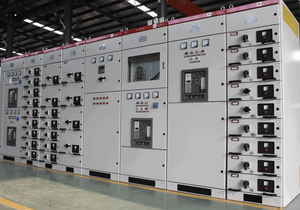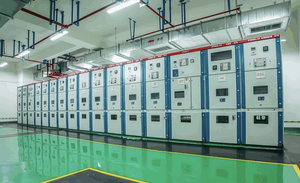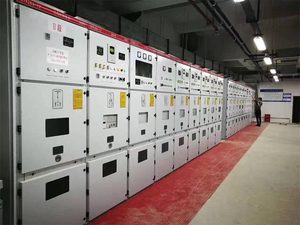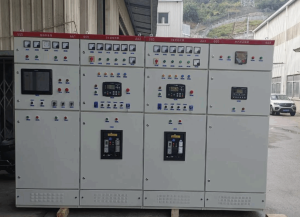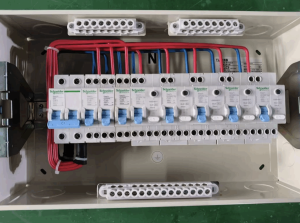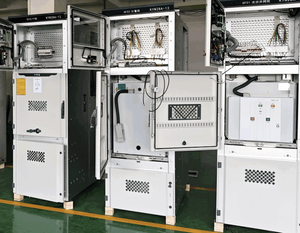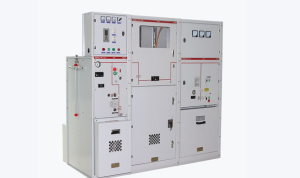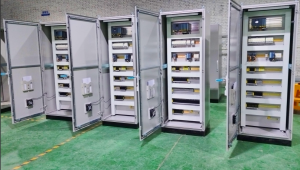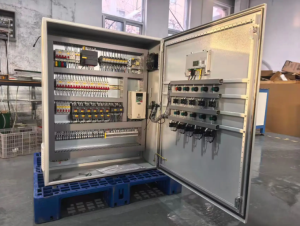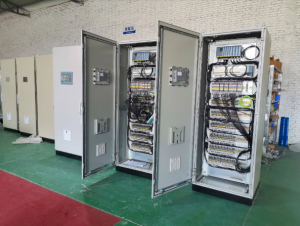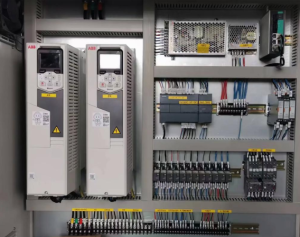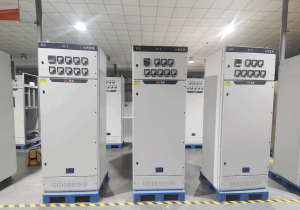
GIS stands for Gas Insulated Switchgear, the core complete set of equipment for modern high-voltage and extra-high-voltage power transmission and distribution systems. Different from traditional open-type switchgear, this equipment integrates core electrical components including circuit breakers, disconnectors, earthing switches, busbars, instrument transformers and surge arresters inside a sealed metal enclosure. High-performance sulfur hexafluoride (SF₆) gas or eco-friendly insulating gas serves as the insulation and arc-extinguishing medium. Featuring compact structure, high operational reliability and strong environmental adaptability, GIS switchgear is widely adopted in various high-end power engineering projects and acts as the preferred power distribution equipment for urban power grids, new energy power stations, offshore power platforms and other scenarios.
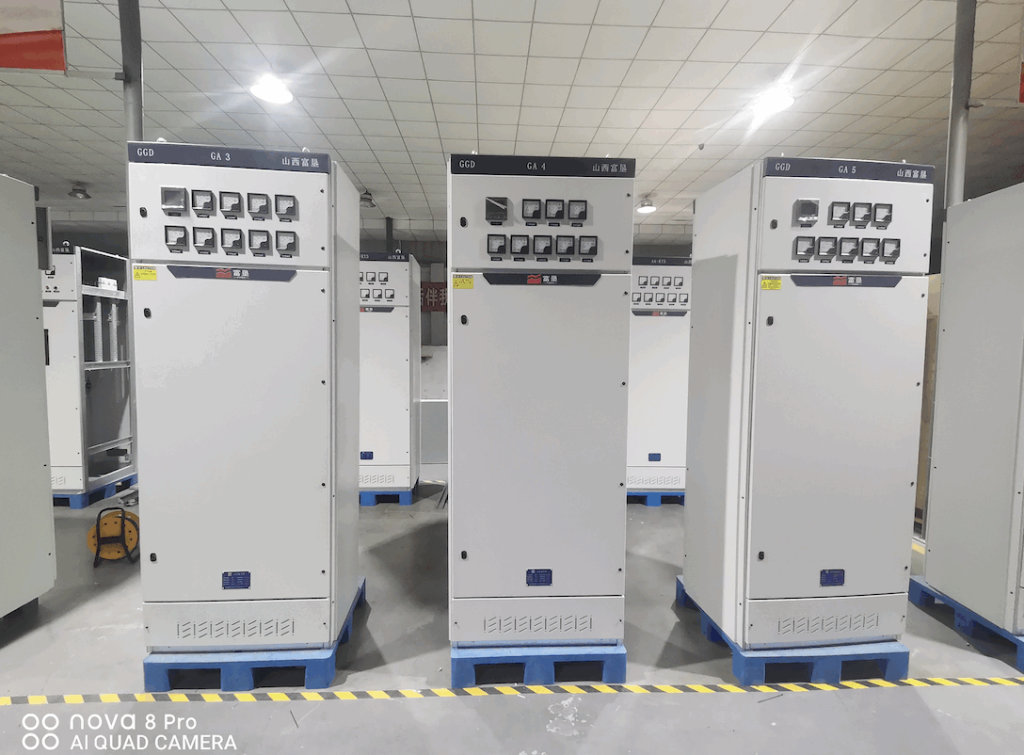
1. Structure and Working Principle of GIS Switchgear
1.1 Main Components
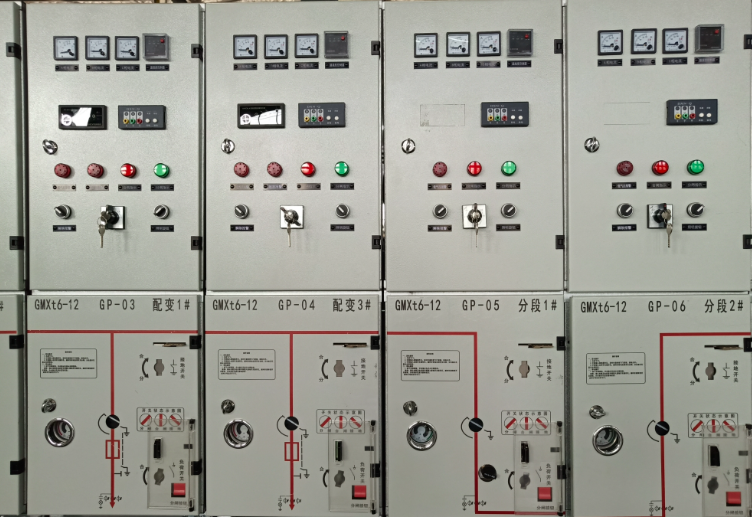
GIS switchgear adopts a modular integrated design with highly integrated components performing distinct functions and excellent overall air tightness. Its core components cover a full set of power distribution units without extra external auxiliary equipment, mainly including:
- Circuit Breaker: The core control unit of the equipment with a single-pressure arc-extinguishing structure. It realizes circuit closing and breaking based on gas arc extinction and possesses powerful short-circuit breaking capacity to rapidly remove faults in power systems.
- Disconnector and Earthing Switch: The disconnector isolates circuits to guarantee power-off safety during equipment maintenance. The earthing switch can be equipped with manual, motor-operated or motor spring mechanisms to meet the requirements of regular maintenance earthing and short-circuit current making.
- Sealed Gas Compartments and Metal Enclosure: Constructed with high-strength sealed metal tanks achieving complete air tightness via O-rings. Partition insulators divide the equipment into multiple independent gas compartments, each equipped with separate gas monitoring, explosion-proof and adsorption devices to absorb internal moisture and gas decomposition products.
- Busbars and Outlet Terminals: Integrated enclosed busbars eliminate hidden dangers of exposed live parts. Standardized outlet terminals support docking with cables, transformers and other equipment to match diverse power distribution layouts.
- Monitoring and Protection Components: Built-in gas pressure sensors, temperature detectors and intelligent sensing modules monitor real-time operating conditions and enable fault early warning and intelligent protection.
1.2 Working Principle
The operation of GIS switchgear relies on the physical properties of high-performance insulating gas. The insulating strength of SF₆ gas reaches 2.5 times that of atmospheric air, delivering outstanding insulation performance and rapid arc-extinguishing capability. Under high pressure inside sealed gas compartments, the electrical insulation clearance can be greatly reduced. During operation, all live components are fully wrapped by insulating gas, completely isolated from external air, dust and moisture. When circuits are closed or opened, the insulating gas extinguishes electric arcs instantly to prevent arc diffusion, short circuits, electric leakage and other failures, ensuring stable operation of power systems.
Moreover, the modular design with independent gas compartments enables local fault isolation. Leakage or faults in a single compartment will not affect the overall operation of the equipment, significantly improving fault tolerance and operational stability.
1.3 Classification by Voltage Class
Based on applicable engineering voltage requirements, GIS switchgear is divided into Medium Voltage (MV) and High Voltage (HV) types, covering a full voltage range from 35kV to 1100kV. Medium voltage GIS units are mainly used for urban distribution networks, industrial plant power distribution and small-to-medium new energy power stations. High-voltage and extra-high-voltage GIS equipment is applied in large power transmission hubs, cross-provincial power transmission projects, offshore wind power platforms and other high-end high-voltage scenarios.
Recommended Reading:Air Insulated Switchgear: Working Principle, Types, Advantages, Disadvantages and Comparison with GIS
2. Application Scenarios of GIS Switchgear
With compact size, high reliability and low frequent maintenance requirements, GIS switchgear has been widely used in civil, industrial, new energy and special power engineering sectors. Its core application scenarios are as follows:
- Compact Urban Substations: Urban central areas face land scarcity and dense buildings. The small footprint of GIS equipment perfectly fits the construction of underground and indoor urban substations. Without exposed live parts, it meets safety standards for residential urban environments.
- New Energy Power Projects: Onshore large-scale wind farms, centralized photovoltaic power stations and energy storage power stations demand stable equipment with strong anti-interference performance. GIS switchgear adapts to open-air field conditions with drastic temperature fluctuations and ensures stable grid connection of new energy power.
- Offshore Power Platforms and Coastal Projects: Offshore and coastal areas suffer severe salt fog corrosion and complex meteorological conditions. The fully sealed anti-corrosion structure of GIS effectively resists corrosion, typhoons and other harsh environments, making it the core power distribution equipment for offshore oil & gas platforms and offshore wind farms.
- High-End Industrial Power Distribution Projects: Metallurgical, chemical, mining and other heavily polluting industrial plants are filled with dense dust and corrosive gas. GIS switchgear prevents internal electrical components from pollutant erosion, maintains continuous power supply for industrial production and reduces risks of production shutdowns caused by equipment failures.
- High-Voltage Power Transmission Hub Projects: Extra-high voltage and ultra-high voltage transmission substations across regions rely on GIS’s superior insulation, large current carrying capacity and high stability to realize large-capacity power transmission and precise power distribution, supporting stable operation of backbone power grids.
Frequently Asked Questions (FAQ)
Q1: What voltage range does GIS switchgear cover?
GIS equipment covers a full voltage spectrum of 35kV to 1100kV. Units rated 35kV to 220kV are widely used in urban distribution networks and new energy projects, while 330kV and above extra-high and ultra-high voltage GIS devices serve backbone power transmission hubs.
Q2: How to choose between GIS and AIS switchgear?
Select GIS for projects with limited land space, harsh operating environments, high power supply reliability requirements and limited long-term maintenance budgets. AIS air-insulated switchgear is a suitable choice for conventional power distribution projects with sufficient land, mild ambient conditions and constrained short-term construction budgets.
Q3: What are the limitations of GIS switchgear?
Its main drawbacks include high initial procurement cost, complicated disassembly and maintenance for internal faults, environmental limitations of traditional SF₆ gas, and lower flexibility for equipment expansion and reconstruction compared with conventional open-type switchgear.
Q4: What is the service life of GIS switchgear?
With standardized installation and regular predictive maintenance, the overall service life of GIS equipment can reach 30 to 40 years. The service life of core electrical components and sealing parts fully matches the lifecycle of power engineering projects.
Q5: What are the core differences between GIS and MTS switchgear?
MTS stands for Mixed-type Switchgear, where only partial core components adopt gas insulation. It falls behind fully sealed GIS in integration level, air tightness and operational stability. MTS is only applicable to ordinary mild working conditions and cannot meet the demands of harsh environments and high-end high-voltage engineering.
Conclusion
Featuring integrated compact structure, superior safety and stability, strong environmental adaptability and low maintenance costs, Gas Insulated Switchgear has become the core equipment for modern power transmission and distribution systems. Although GIS carries a higher upfront procurement cost than traditional AIS switchgear, it boasts remarkable advantages in full-lifecycle cost performance, power supply reliability and scenario adaptability, perfectly matching high-end complex projects such as urban power grids, new energy facilities, offshore engineering and industrial power distribution. Driven by continuous upgrades of environmental protection technologies and smart grid solutions, eco-friendly and intelligent GIS equipment will gradually replace conventional products and become the mainstream option for global power infrastructure construction.
Reference Materials
- IEC 62271 High-voltage switchgear and control assemblies international standard
- Technical Specification for Gas Insulated Metal-enclosed Switchgear (GIS)
- Technical Principles and Engineering Application Manual of SF₆ Gas Insulated Switchgear