Sudden power outages, circuit short circuits, equipment fires, electric leakage faults and other hazards in power systems can easily lead to equipment burnout, electric shock injuries and even explosions. As critical safety facilities within power distribution systems, emergency switchgear undertakes core functions including fault isolation, emergency power cutoff and standby power transfer. This article systematically elaborates key knowledge of emergency switchgear, offering comprehensive references for scheme design, equipment procurement and on-site operation & maintenance.
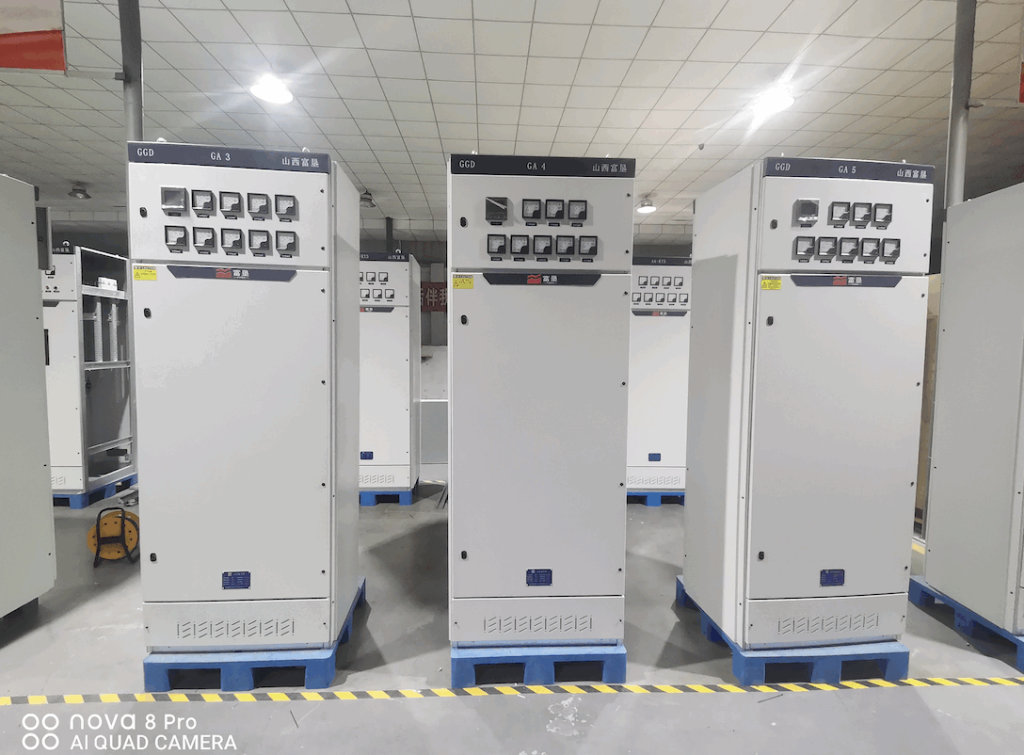
1. Definition of Emergency Switchgear
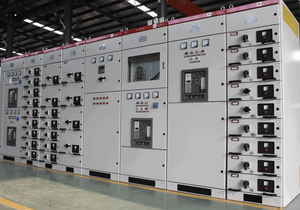
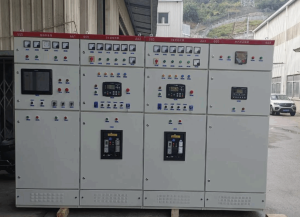
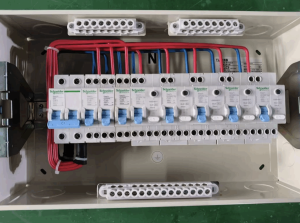
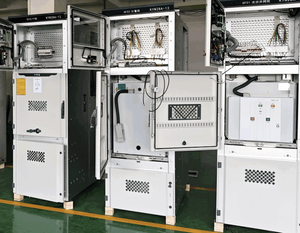
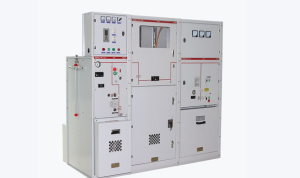
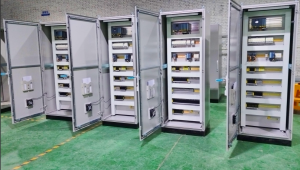
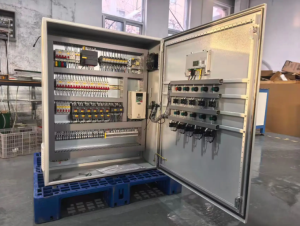
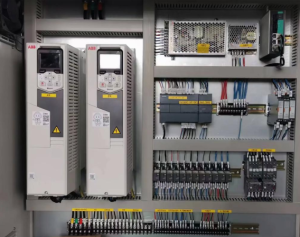
Emergency power distribution switchgear refers to complete power distribution assemblies engineered specifically for electrical emergency conditions. Integrating core components such as circuit breakers, disconnectors, earthing switches, mechanical & electrical interlocks and control circuits, it is mainly applied for power distribution and control of fire protection systems, emergency lighting and critical safety loads.
In the event of system faults, fires, widespread power failures and other emergencies, such equipment can rapidly isolate faulty loads, cut off power supply urgently, or coordinate with standby power systems to realize power transfer.
A complete assembly is not limited to a single switching component. It relies on dual mechanical and electrical interlock structures to prevent unintended operation. Unlike conventional power distribution equipment, its top design priority lies in emergency safety handling, ensuring reliable operation under extreme conditions to guarantee continuous power supply for critical loads or safe power disconnection.
2. Working Principle of Emergency Switchgear
- Normal operating condition: Maintain regular power distribution and continuously monitor circuit voltage, current and fault signals.
- Emergency trigger: Signals including short circuits, fire alarms and mains power failure are transmitted to the control unit.
- Action execution: Rapidly disconnect faulty circuits and isolate hazardous zones to prevent fault propagation.
- Standby power transfer: Units equipped with ATS modules automatically switch power supply to generators, UPS and other emergency power sources.
- Safety interlocking: After emergency opening, interlock mechanisms activate to prohibit unauthorized maintenance under live conditions.
3. Core Functions of Emergency Switchgear
- Emergency Fault Isolation and Power Cutoff :Quickly cut off power supply upon electric leakage, short circuits and fires to block fault escalation and mitigate risks of electric shock, fire and explosion. It serves as the primary protection barrier for on-site personnel safety.
- Compliance with LOTO (Lockout/Tagout) Safety Standards:The equipment provides reliable visible isolation points and supports lockout-tagout procedures to ensure power safety for electrician inspections and equipment maintenance.
- Automatic Emergency Power Transfer:Capable of coordination with Automatic Transfer Switches (ATS). When mains power fails, it sustains power supply for fire systems, servers, medical equipment and other Class I loads.
- Graduated Load Management: Under emergency conditions, non-critical loads are prioritized for disconnection while power supply for vital emergency loads is retained, optimizing the allocation of emergency power resources.
- Operating Status Monitoring and Signal Feedback: It can upload opening/closing status and fault alarms to upper-level systems, enabling operation and maintenance staff to remotely monitor power distribution emergencies.
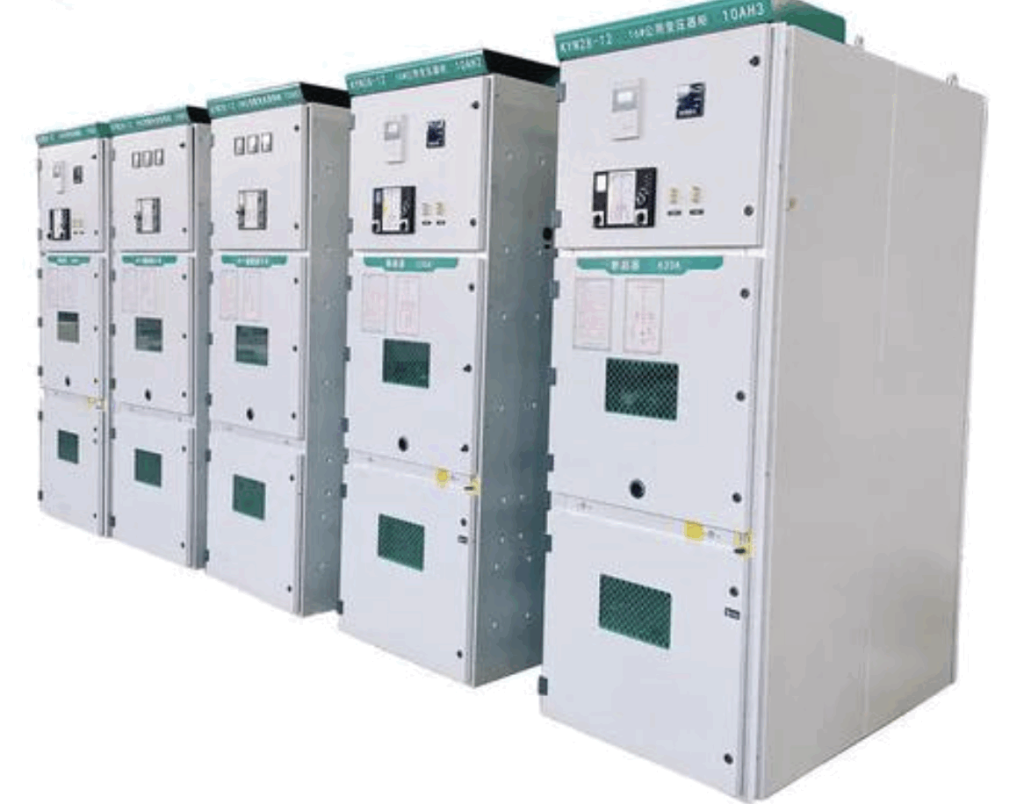
4. Main Classification of Emergency Switchgear
4.1 Classification by Function
- Emergency isolating switchgear: Focused on disconnection and electrical isolation of faulty circuits, widely adopted for safety power cutoff in workshops.
- Emergency transfer switchgear: Integrated with power conversion modules to realize power switching between mains supply and standby generator sets.
- EPO (Emergency Power Off) cabinet: Specially designed for data centers and precision manufacturing plants, cutting off all non-emergency power circuits in emergencies.
4.2 Classification by Mounting Form
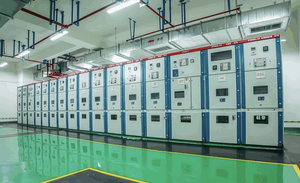
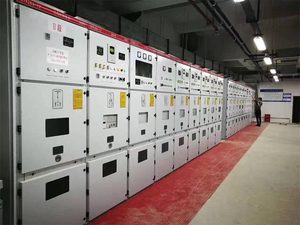
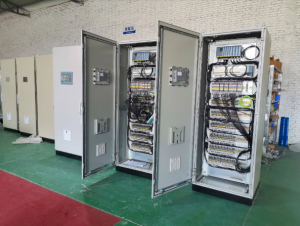
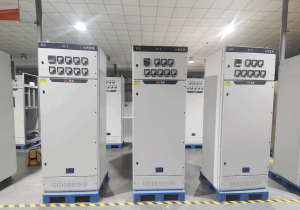
- Fixed-type emergency switch cabinets: Permanently installed in power distribution rooms for factories and building main electrical rooms.
- Mobile / portable emergency switching assemblies: Used for short-term emergency power distribution at temporary construction sites and outdoor projects.
4.3 Classification by Application Scenario
Industrial complete emergency switchgear, data center emergency switchgear, fire emergency power distribution cabinets for public buildings.
5. Application Scenarios of Emergency Switchgear
5.1 Industrial Manufacturing Plants
Chemical workshops contain flammable and explosive media; circuit short circuits may trigger explosions. Emergency switchgear enables rapid disconnection of faulty power supply and supports LOTO for equipment maintenance, acting as mandatory supporting facilities for safe production.
5.2 Data Centers and Computing Facilities
Servers cannot be arbitrarily powered off. Upon external grid failures or on-site fires, emergency switchgear distinguishes loads accurately, disconnects ordinary loads and maintains power supply for cooling systems and core servers to reduce risks of data loss.
5.3 Public Infrastructure
Operating rooms, emergency medical equipment in hospitals, together with ventilation and lighting systems in metro stations, are classified as Class I loads. When mains power fails, emergency switchgear switches to standby power supply to sustain equipment related to life safety.
5.4 Large Commercial Buildings and Office Towers
In case of fire, emergency switchgear cuts off circuits for general lighting and air conditioning while maintaining power supply for fire pumps, emergency lighting and smoke exhaust systems to satisfy fire code requirements.
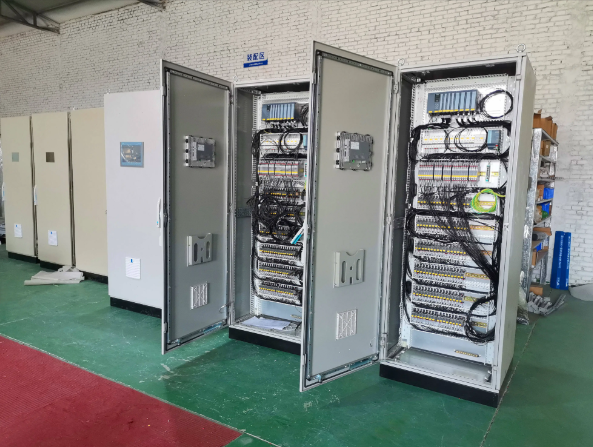
6. Selection Guide for Emergency Switchgear
6.1 Confirmation of Core Parameters
- Rated voltage and rated continuous operating current
- Rated short-time withstand current (short-circuit resistance capacity)
- Opening response speed, configuration of mechanical and electrical interlocks
- Requirement for integrated ATS automatic power transfer device
- Ingress Protection (IP) rating: IP30 / IP54 for indoor installations; higher IP ratings required for outdoor deployment
6.2 Key Selection Principles for Specific Scenarios
- Chemical and dust-prone workshops: Prioritize cabinets with explosion-proof compatible structures.
- Outdoor temporary projects: Adopt portable emergency switch assemblies with high ingress protection.
- Data centers: Require remote signal feedback and precise branch load control functions.
- Life-support facilities such as hospitals: Prefer transfer-type switchgear with seamless transfer capability.
Conclusion
Emergency switchgear is not a simple alternative to conventional switch cabinets, but an indispensable core facility within the power distribution safety system. For newly-built industrial plants, data center renovations and public infrastructure projects, equipment type and parameters shall be reasonably selected based on load classification and local electrical codes.
References
IEC 60947-1 Low-voltage switchgear and controlgear – General rules
NFPA 70E Standard for Electrical Safety in the Workplace
NEC (NFPA 70) National Electrical Code