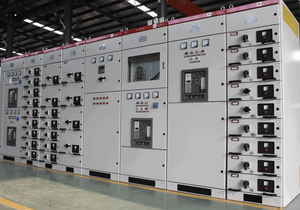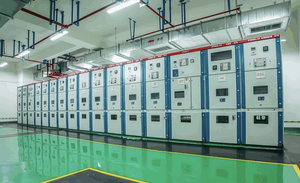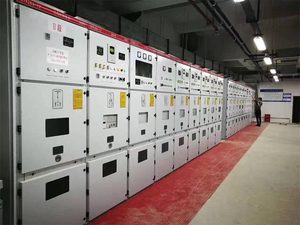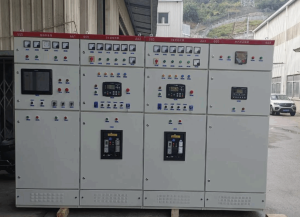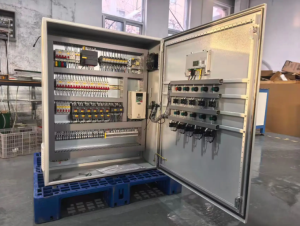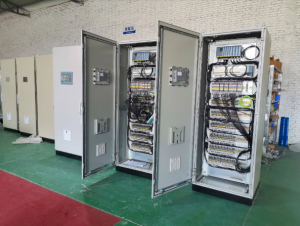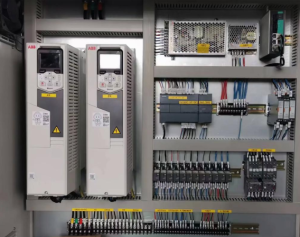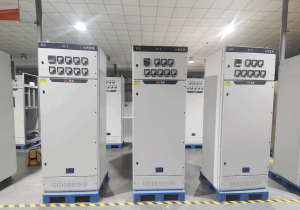
As core complete power‑distribution equipment for open‑air conditions, outdoor switchgear is widely used in new‑energy power stations, municipal power distribution networks, mines, ports and industrial plants. Unlike indoor switchgear, it is directly exposed to harsh operating conditions such as rainwater, ultraviolet radiation, large diurnal temperature differences, dust and salt spray. Specialised design is required for cabinet structure, protection rating, heat dissipation and dehumidification. This article systematically sorts out fundamental concepts, product classifications, technical parameters, key selection principles, on‑site installation and daily maintenance, hoping to offer valuable reference for you.
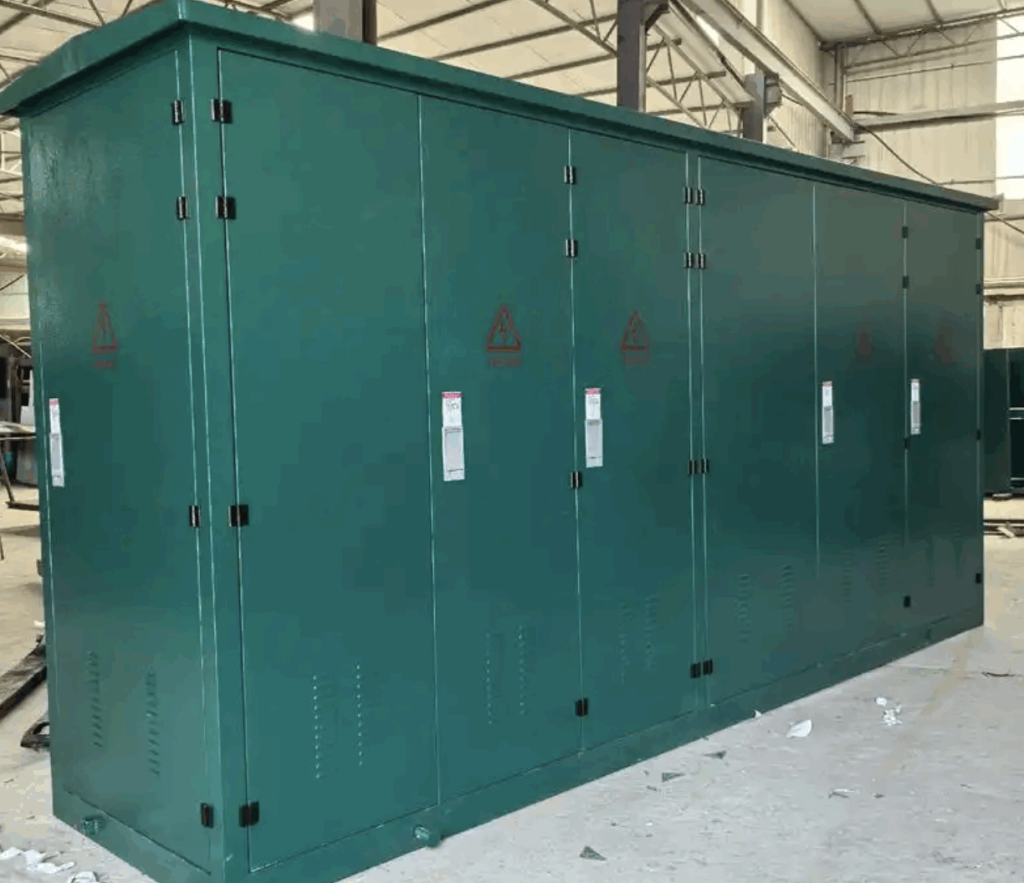
1. What is Outdoor Switchgear
1.1 Basic Definition
Outdoor switchgear is a complete set of switchgear specially designed for open‑air installation. It integrates circuit breakers, disconnectors, earthing switches, instrument transformers, relay protection as well as measurement and monitoring units. It mainly realises functions including power distribution, fault breaking, isolation and earthing, protection and measurement‑control. It does not rely on buildings for enclosure protection; the cabinet itself withstands adverse outdoor climatic conditions.
1.2 Core Functions
- Power distribution: Distribute power from upstream power sources to various downstream loads.
- Fault protection: Rapidly break faults such as over‑current, instantaneous over‑current, earth‑fault, over‑voltage and under‑voltage.
- Electrical isolation: Achieve reliable isolation and earthing during maintenance to guarantee personnel safety.
- Condition monitoring: Collect operating data and enable remote monitoring via integrated meters and communication modules.
1.3 Differences between Outdoor and Indoor Switchgear
| Comparison Item | Outdoor Switchgear | Indoor Switchgear |
|---|---|---|
| Protection Rating | Low‑voltage: ≥IP54; Medium‑voltage: IP55‑IP65. NEMA 3R / NEMA 4X commonly adopted for North‑American projects | IP30‑IP41, for indoor‑only protection |
| Cabinet Corrosion Resistance | Powder‑coated steel, 304 / 316 stainless steel for salt‑spray and UV resistance | General powder‑coated steel with low corrosion‑resistance grade |
| Temperature‑humidity Handling | Equipped with heaters, temperature controllers and breathers to suppress internal condensation | Dehumidification devices generally not required |
| Heat Dissipation | Thermal management for sealed enclosures, balancing sealing and temperature rise | Rely on natural ventilation within switch‑rooms |
| Civil Foundation | Raised concrete plinth with dedicated drainage and earthing design | Conventional channel‑steel foundation |
Important Reminder: Indoor switchgear shall not be retrofitted for direct open‑air application. Even with an additional rain canopy, condensation caused by diurnal temperature swings and UV ageing will lead to insulation degradation and terminal corrosion, resulting in potential safety hazards.
2. Main Classifications of Outdoor Switchgear
2.1 Classification by Voltage Level
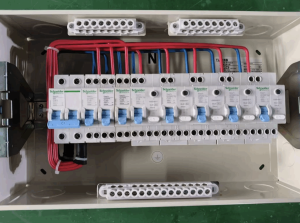
- Low‑voltage outdoor switchgear: Rated voltage ≤ 1 kV, mostly applied for end‑user power distribution in factories and PV power stations.
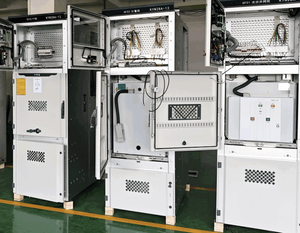
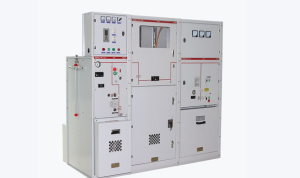
- Medium‑voltage outdoor switchgear: 1‑36 kV, the most widely‑used category. It is the mainstream option for municipal distribution networks, wind‑solar power plants, mining and industrial enterprises.
- High‑voltage outdoor switchgear: Rated voltage above 36 kV, mainly deployed in large‑scale utility substations.
2.2 Classification by Insulation Structure
- AIS (Air‑Insulated Switchgear): Inter‑phase and phase‑to‑earth insulation is realised by ambient air. It enables convenient maintenance with sufficient working space yet has a relatively large cabinet footprint.
- GIS / SF₆ Gas‑Insulated Switchgear: Live components are enclosed within SF₆ gas‑filled chambers. It features compact footprint and strong resistance against external environmental interference, suitable for space‑limited and heavily‑polluted sites.
- Pad‑Mounted Switchgear: A mainstream structure in the North‑American market. Cabinets can be partially‑buried or ground‑mounted with ground‑level operating interfaces for high safety, commonly adopted in urban power distribution networks.
2.3 Classification by Cabinet Material
- Powder‑coated cold‑rolled steel: Cost‑effective for ordinary inland open‑air environments; not suitable for salt‑spray coastal areas.
- 304 stainless steel: Corrosion‑resistant for humid locations with mild salt‑spray exposure.
- 316 stainless steel: Excellent salt‑spray resistance, preferred for ports and coastal chemical‑industry sites.
- SMC fibreglass‑reinforced plastic: Favourable insulating performance, lightweight and UV‑resistant, widely used for certain low‑voltage outdoor cabinets.
3. Technical Parameters of Outdoor Switchgear
3.1 Core Electrical Parameters
The following parameters must be confirmed during selection: rated voltage, rated current, rated short‑circuit breaking capacity, short‑time withstand current, power‑frequency withstand voltage and lightning‑impulse withstand voltage. Insulation derating shall be considered for high‑altitude areas. Insulation performance needs modification when altitude exceeds 1000 m.
3.2 Enclosure Protection: IP Ratings and North‑American NEMA Standards
IP ratings comply with IEC 60529 standard: the first digit indicates dust‑protection level while the second digit indicates water‑protection level. ‑ IP54: Dust‑protected and splash‑water resistant, suitable for semi‑outdoor locations with overhead shelters. ‑ IP55: Dust‑protected and protected against water jets, the standard rating for most open‑air installations. ‑ IP65: Dust‑tight and protected against powerful water jets, selected for coastal zones and wash‑down operating environments.
For North‑American projects, refer to NEMA 250 enclosure standards: ‑ NEMA 3R: Rain‑ and snow‑resistant for general outdoor applications. ‑ NEMA 4X: Dust‑tight and water‑resistant with enhanced salt‑spray corrosion protection, mandatory for coastal and chemical‑industry scenarios.
Note: High‑protection enclosures achieve tight sealing, which impedes heat dissipation of internal components. Temperature‑rise calculation is compulsory for high‑current operating conditions. Heat exchangers should be equipped when necessary. Do not blindly pursue high IP ratings while ignoring heat dissipation requirements.
3.3 Environmental Endurance Parameters
Verify equipment specifications including allowable operating‑temperature range, pollution severity grade, salt‑spray resistance grade and UV‑resistance index. For locations with large diurnal temperature variations, thermostatically‑controlled heaters and pressure‑equalising breathers shall be fitted inside cabinets to suppress condensation.
4. Application Scenarios of Outdoor Switchgear
- Utility substations and urban distribution network retrofits: Outdoor complete switchgear is adopted for suburban switching stations without dedicated power‑distribution buildings to reduce civil‑engineering investment.
- PV and wind‑power new‑energy stations: Outdoor switchgear undertakes power distribution and fault‑protection duties for collection circuits in mountainous, desert and tidal‑flat PV projects.
- Mines, port terminals and chemical plants: Corrosion‑resistant cabinets are preferred for environments with heavy dust, salt‑spray and corrosive gas.
- Open‑air power distribution for industrial plants: Outdoor power supply for field equipment within large manufacturing facilities.
- Remote high‑altitude and frigid regions: Enhanced heating and sealing configurations are required to cope with large temperature swings and low‑temperature startup demands.
Brief selection recommendations for different scenarios: ‑ Ordinary inland open‑air sites: IP55, powder‑coated cold‑rolled steel. ‑ Coastal salt‑spray sites: IP65 / NEMA 4X, 316 stainless‑steel cabinets. ‑ High‑altitude sites: Upgrade insulation level and perform derating verification. ‑ Severe cold‑climate sites: Increase heater capacity and adopt wide‑temperature‑range components.
5. Complete Selection Guide for Outdoor Switchgear
5.1 Confirm Basic System Conditions
Clarify system rated voltage, operating current and system short‑circuit capacity, and determine circuit‑breaker breaking capacity. The breaking current must exceed the maximum prospective short‑circuit current of the system.
5.2 Evaluate On‑site Environmental Conditions
‑ General open‑air exposure: Focus on rain‑proofing and UV‑ageing resistance. ‑ Coastal salt‑spray exposure: Adopt stainless‑steel cabinets and fasteners to upgrade corrosion‑resistance grade. ‑ High‑temperature or low‑temperature conditions: Verify equipment operating‑temperature range and equip high‑power heating or cooling devices as needed. ‑ High‑altitude sites (>1000 m): Modify insulation performance and external creepage distance. ‑ Environments with dust and chemical fumes: Upgrade enclosure protection grade and select corrosion‑resistant cabinet materials.
5.3 Cabinet and Protection Selection
Specify IP rating or NEMA enclosure grade according to project location. Adopt ageing‑resistant rubber sealing gaskets and waterproof cable glands for cable entry and exit points. Fit thermostatically‑controlled heaters and breathers to mitigate condensation at source.
5.4 Functional Configuration Confirmation
Confirm relay‑protection schemes, metering functions, remote signalling / tele‑measurement and communication interfaces in accordance with project requirements. Common communication protocols include Modbus and IEC 61850.
5.5 Common Pitfalls to Avoid
- Never retrofit indoor switchgear for open‑air use, which will result in extremely high failure rates in later operation.
- Balance sealing performance and heat dissipation for sealed cabinets. Do not overlook temperature‑rise issues when pursuing high protection ratings for high‑current applications.
- For coastal projects, salt‑spray test reports must be reviewed instead of relying merely on IP ratings.
- Communicate insulation derating requirements with manufacturers in advance for high‑altitude projects.
- Do not block cabinet drain holes; blockage will cause condensed‑water accumulation inside cabinets and trigger insulation faults.
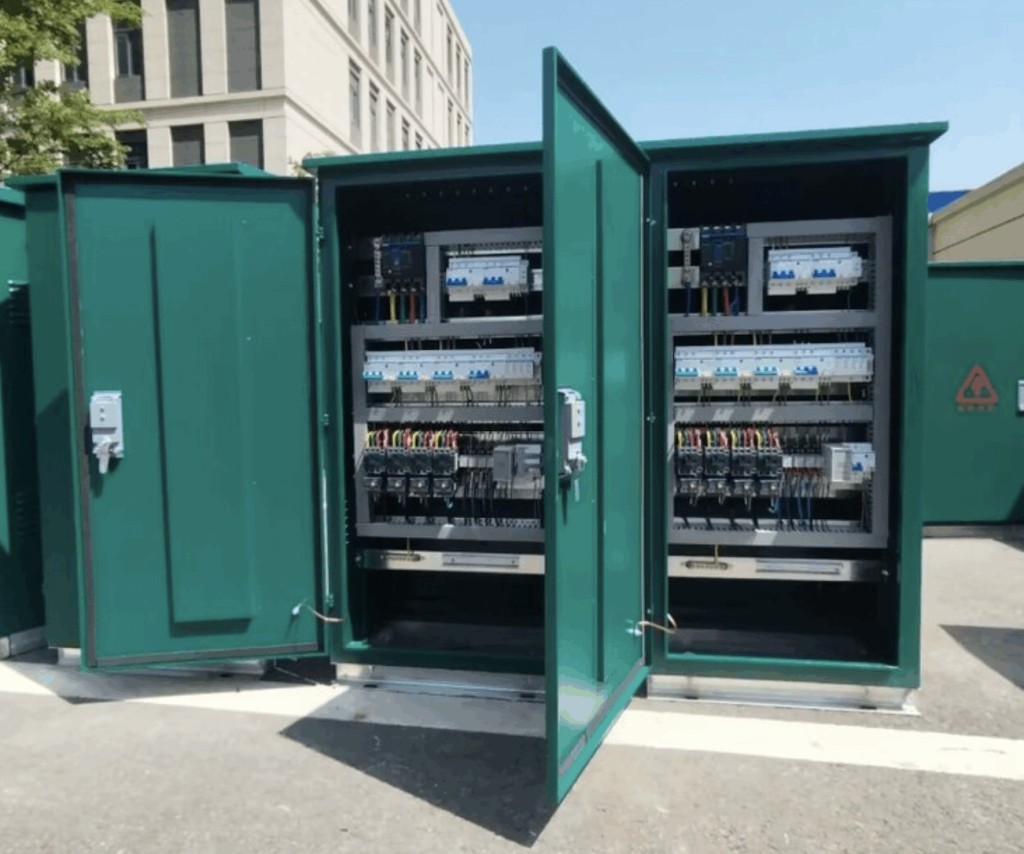
6. Installation and Precautions for Outdoor Switchgear
- Civil foundations: Install cabinets on raised concrete plinths with a recommended minimum height of 300 mm. Reserve cable trenches and drainage channels to prevent rainwater backflow. Ensure firm connection for multi‑cabinets side‑by‑side installation to satisfy wind‑load requirements.
- Earthing system: Connect cabinet frames, doors and metallic components independently to main earthing conductors; series‑connected earthing is prohibited. Test earthing resistance periodically. Surge‑protection devices shall be equipped for outdoor equipment vulnerable to lightning strikes.
- Cable installation: Adopt weather‑resistant armoured cables for incoming and outgoing circuits. Achieve tight sealing at cable entry points and form cable drip loops to prevent rainwater ingress along cable sheaths.
- Ventilation and drainage: Never block factory‑fitted drain holes. Inspect wiring for breathers and heaters, and verify reasonable thermostat settings.
- Safety protection: Fit lockable cabinet doors and post high‑voltage warning labels. Keep cabinets away from locations susceptible to mechanical impact.
7. Daily Maintenance and Common Faults of Outdoor Switchgear
Subject to long‑term climatic erosion, outdoor switchgear demands heavier maintenance workload than indoor equipment. A full‑scope inspection is recommended at least once a year. Conduct in‑depth inspections every five years and overhaul assessment after 10‑15 years of service.
7.1 Routine Inspection Items
- Cabinet appearance: Inspect cabinet corrosion, deformation and ageing or cracking of door sealing gaskets.
- Drainage and breathing: Ensure drain holes are not clogged by sediment or fallen leaves.
- Temperature‑humidity control components: Test operating status of heaters and thermostats.
- Electrical components: Perform infrared thermography to check terminal temperature rise; inspect status of circuit breakers and protection devices.
- Instrumentation and communication: Confirm normal operation of measurement and remote‑transmission signals.
- Fasteners: Pay special attention to corrosion inspection of bolts and fasteners for coastal installations.
7.2 Frequent Faults and Root Causes
- Internal condensation and moisture ingress: Caused by large diurnal temperature variations, heater failure or blocked breathers, leading to internal corrosion and insulation degradation.
- Cabinet corrosion: Resulting from improper material selection for salt‑spray / UV‑exposed environments or damaged powder‑coated layers.
- Excessive temperature rise: Caused by insufficient heat dissipation due to over‑tight sealing or poor contact of terminals.
- Seal failure: Aged gaskets permit rainwater penetration into cabinets.
Maintenance operations must strictly follow lockout‑tagout procedures. Cabinet‑internal repairs shall only be carried out after power cut‑off, complying with high‑voltage safety operating regulations.
8. FAQ
Q1: What minimum IP protection rating is required for outdoor switchgear?
A: IP55 is the minimum rating for general open‑air environments. IP54 is acceptable for semi‑outdoor sheltered locations. IP65 is recommended for coastal salt‑spray and wash‑down conditions. For North‑American projects, adopt NEMA 3R for general outdoor use and NEMA 4X for corrosive environments.
Q2: Can indoor switchgear be modified for outdoor use?
A: It is not recommended. Indoor cabinets are not engineered for open‑air conditions in terms of structure, sealing, corrosion resistance and condensation handling. Even fitted with external rain canopies, condensation induced by temperature cycles cannot be eliminated, bringing risks of insulation failure.
Q3: What cabinet material should be selected for salt‑spray coastal environments?
A: 316 stainless steel is preferred. 304 stainless steel with upgraded salt‑spray testing and full stainless‑steel fasteners can be adopted under budget constraints. Powder‑coated cold‑rolled steel is not fit for coastal sites.
Q4: How to choose between gas‑insulated and air‑insulated outdoor switchgear?
A: Gas‑insulated GIS is preferred for space‑limited and heavily‑polluted sites. Air‑insulated AIS is an option for cost‑sensitive projects with adequate on‑site maintenance capacity.
Q5: What should be noted for outdoor switchgear deployed at high altitude?
A: Air insulation strength declines above 1000 m. External creepage distance shall be increased and components shall be derated. Clearly specify altitude parameters to manufacturers at the order stage.
Q6: What is the typical design service life of outdoor switchgear?
A: 15‑20 years under proper maintenance. Service life will be shortened in heavily‑corrosive environments, requiring higher inspection frequency.
9. Summary
For outdoor switchgear selection, environmental adaptability is critical for long‑term stable operation rather than merely focusing on electrical parameters. In the early project phase, sort out voltage, current and short‑circuit parameters. Fully evaluate on‑site conditions including temperature, altitude, salt‑spray and dust, and reasonably determine protection rating, cabinet material as well as dehumidification and heat‑dissipation configurations.
References
- IEC 62271‑1:2017, High‑voltage switchgear and controlgear — Part 1: Common specifications
- IEC 62271‑200:2021, 1 kV up to 52 kV a.c. metal‑enclosed switchgear and controlgear
- IEC 61439‑1, Low‑voltage switchgear and controlgear assemblies — Part 1: General rules