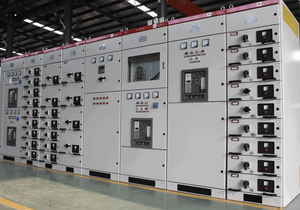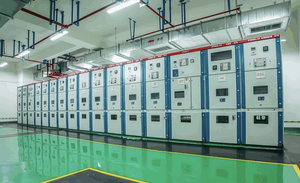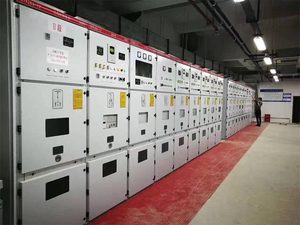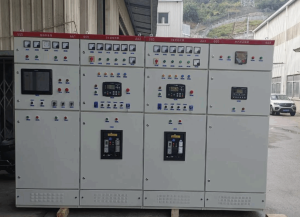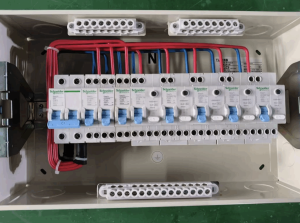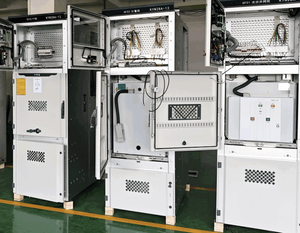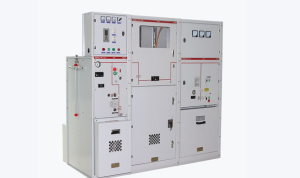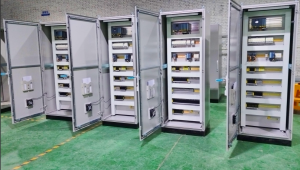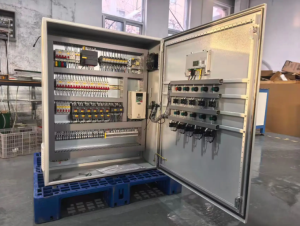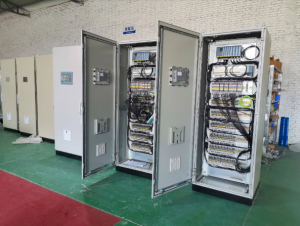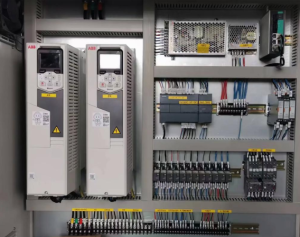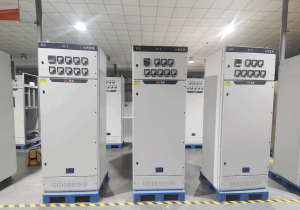
A fuse distribution box, also referred to as fused distribution board or fuse‑block, is a fundamental power‑distribution device for low‑voltage electrical systems, delivering power distribution as well as overload and short‑circuit protection. This article covers its working principle, product classifications, key selection criteria, installation specifications and common troubleshooting practices.
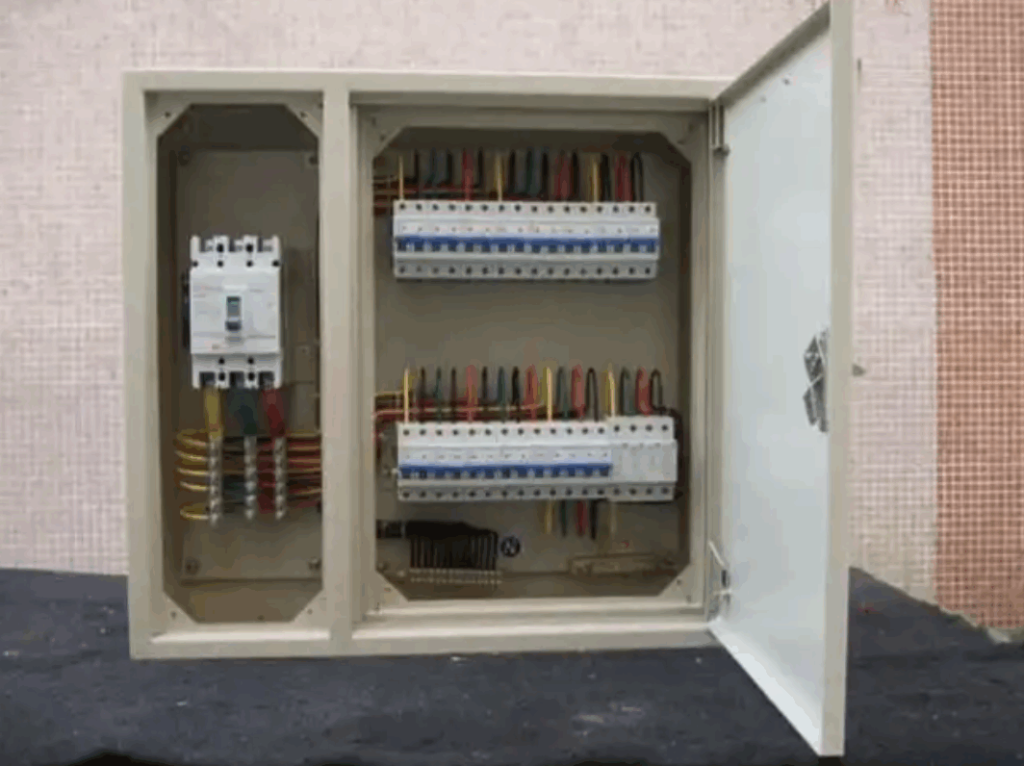
1. What Is a Fuse Distribution Box
A fuse distribution box is an assembled enclosure with fuses as its core protective components. It distributes incoming main power into multiple independent output circuits. When overload or short‑circuit faults occur, the fuses melt to cut off power supply, protecting cables and downstream equipment and mitigating risks of electrical fire.
Core Functions
- Power Distribution: Split one main power input into multiple independent output circuits for different loads.
- Fault Protection: Cut off power on faulty branches under overload or short‑circuit conditions to prevent fault propagation.
- Electrical Isolation: Equipped with isolating switches to provide visible breakpoints for safe maintenance operations.
- Environmental Protection: The enclosure shields internal busbars, terminals and fuse assemblies from dust and moisture.
Main Internal Components
- Enclosure: Metal or flame‑retardant plastic housing
- Main isolating switch: Disconnect power supply for the whole unit
- Conductive busbar: Copper busbar for current collection and diversion
- Fuse base: Receptacle for installing fuse elements
- Fuse link: Consumable core component for over‑current protection
- Wiring terminals: For cable crimping and connection
- Sealing gaskets: Used on outdoor‑rated units for dust‑proof and water‑proof performance
2. Working Principle of Fuse Distribution Box
The protective performance of a fuse distribution box relies on the inverse time‑current characteristic of fuses. When circuit current exceeds the rated value, the metallic fuse element heats up. Under overload conditions, temperature rises gradually and fusing occurs with a time delay. During a short‑circuit fault, extreme fault current vaporizes the fuse link within milliseconds and opens the circuit instantly.
Operational Differences Between AC and DC Applications
Alternating current crosses zero periodically, which helps extinguish electric arcs. Direct current has no natural zero‑crossing point and creates much higher arc‑extinguishing difficulty. AC fuses must never be applied to DC circuits. Misapplication may lead to sustained arcs, enclosure burnout or fire hazards. DC‑specific fuses shall always be adopted for DC systems.
3. Main Classifications of Fuse Distribution Boxes
Products are categorized by power‑supply type, IP protection rating, mounting method and fuse element style. Select according to actual site operating conditions.
3.1 By Power‑supply Type
- AC Fuse Distribution Box: Single‑phase or three‑phase versions for legacy buildings, light‑duty commercial‑industrial sites and temporary construction power supply, compatible with AC230V and AC400V systems.
- DC Fuse Distribution Box: Common ratings include DC12V, DC24V, DC48V; photovoltaic‑grade units reach up to DC1500V. Widely deployed in RVs, yachts and off‑grid solar systems. DC‑certified fuses are mandatory.
3.2 By IP Protection Rating
- IP30: For ordinary indoor environments, dust‑resistant, not waterproof; suitable for control rooms and indoor cabinets.
- IP54: Dust‑protected and splash‑proof; applied in workshops and semi‑outdoor locations.
- IP65 / IP67: Fully dust‑tight, resistant to water jet spray; ideal for open‑air outdoor sites, construction sites and marine environments.
3.3 By Mounting Method
- Wall‑mounted: Fastened directly to walls; mainstream solution for commercial and industrial projects.
- DIN‑rail mounted: Built‑in standard DIN rail for integration inside control cabinets.
- Surface‑mount enclosure: Simple housing, widely used for retrofits and RV DC power systems.
3.4 By Fuse Element Type
- Cartridge fuses (cylindrical fuses): Commonly used for three‑phase industrial power distribution.
- Blade fuses: For low‑voltage DC small‑current circuits in RVs and marine vessels.
- Bolt‑on fuses: For high‑current industrial installations and photovoltaic combiner applications.
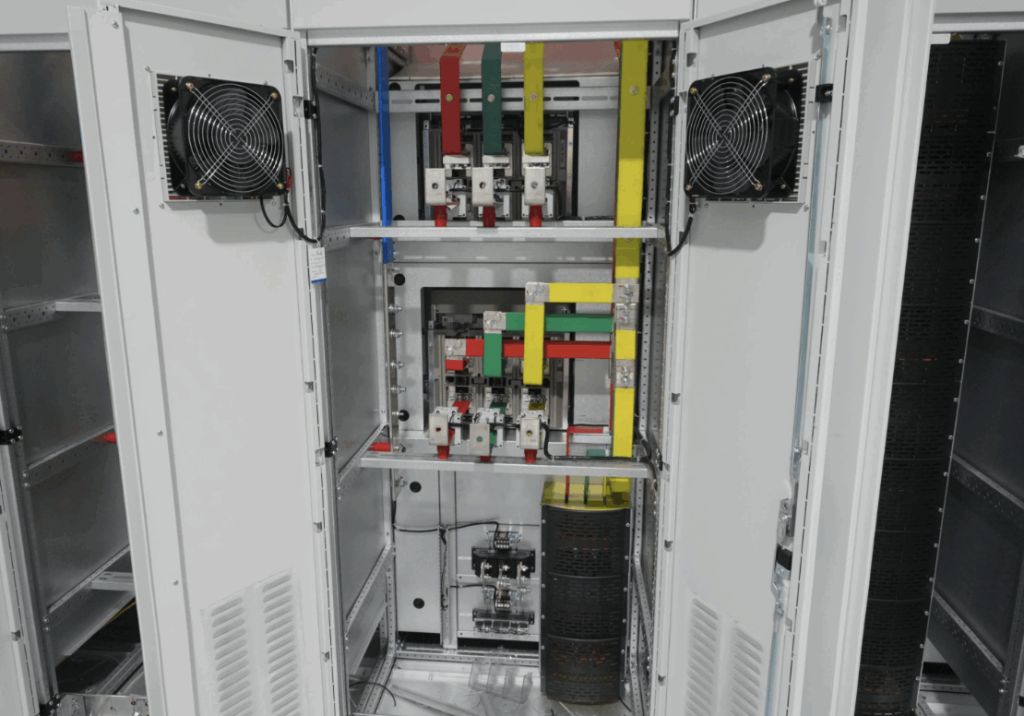
4. Comparison Between Fuse Distribution Box and MCB Distribution Box
Both devices provide overload and short‑circuit protection, yet they differ significantly in protection mechanism, maintenance workflow and applicable scenarios.
| Comparison Item | Fuse Distribution Box | MCB Distribution Box |
|---|---|---|
| Protection Component | Disposable fuse link; must be replaced after blowing | Miniature circuit breaker; resettable manually after tripping |
| Short‑circuit Breaking Capacity | High‑rating models deliver superior current‑limiting performance for industrial high‑fault‑current conditions | Standard household MCB has limited breaking capacity; industrial‑grade versions come with higher cost |
| Maintenance Workflow | Spare fuses must be stocked; replace blown fuse after power‑off | Troubleshoot fault then reset manually; no consumable parts required |
| Mis‑operation Risk | Safety hazard risk from fitting over‑rated fuses | Fixed rated current; protection rating cannot be arbitrarily altered |
| Procurement Cost | Lower upfront enclosure cost; ongoing consumption of fuse spares | Higher initial purchase cost; nearly zero consumable expenses |
| Typical Application | Industrial high short‑circuit‑current systems, DC photovoltaic systems, RV & marine equipment, legacy power‑distribution retrofits | Modern residential buildings, commercial buildings and general civil power distribution |
Selection Tip: Choose MCB distribution boxes if quick reset and low maintenance are priorities. Fuse distribution boxes offer unique advantages for applications requiring strong current‑limiting performance, DC photovoltaic systems and mobile on‑board equipment.
5. Application Scenarios
- Legacy residential power‑distribution: Single‑phase AC fuse distribution boxes for older housing stock.
- Light‑duty commercial‑industrial and temporary construction power supply: Three‑phase fuse distribution boxes for site temporary power and workshop branch circuits.
- RV, caravan and marine vessels: DC12V / DC24V fuse distribution boxes for centralized protection of on‑board lighting and appliances.
- Off‑grid solar photovoltaic systems: DC fuse distribution boxes for string combiner sections, isolating faulty strings while keeping remaining arrays operational.
- Auxiliary power distribution for equipment: Secondary power distribution inside automation machinery and construction equipment.
6. Selection Guidelines for Fuse Distribution Boxes
Improper selection may result in failed protection and fire risks. Confirm the six key parameters step‑by‑step.
- Confirm AC / DC type, rated voltage and rated current Distinguish between AC and DC. For DC projects, adopt complete DC‑rated assemblies instead of retrofitting AC enclosures. The total load current shall not exceed the enclosure’s rated current capacity.
- Confirm circuit quantity Count required output branches and reserve 1‑2 spare circuits for future load expansion.
- Match IP protection rating Select IP30 for dry indoor environments; IP54 for workshops and semi‑exposed locations; IP65 or above for open‑air, construction‑site and marine conditions.
- Proper fuse link rating matching The rated current of fuse links must be lower than the current‑carrying capacity of corresponding circuit cables. Never fit fuses with higher ampere rating than cables can withstand, otherwise cables will overheat without triggering fuse protection and cause fire. Fit fuses on all three phases in three‑phase systems to avoid phase‑loss operation hazards.
- Enclosure material Flame‑retardant plastic housings deliver cost‑effective performance for ordinary indoor use. Metal enclosures with anti‑corrosion treatment are preferred for outdoor and corrosive industrial environments.
- Compliance reference standards For international projects, comply with IEC 61439‑1/2 for low‑voltage assembled switchgear, IEC 60269 for low‑voltage fuses and IEC 60947‑3 for fuse‑combination units. For North‑American markets, follow NEC electrical codes and relevant UL certifications.
7. Installation Notes
Warning: Installation for high‑voltage, three‑phase AC and high‑power DC photovoltaic systems must be completed by qualified electricians. Non‑qualified personnel shall not perform live‑line operations.
Pre‑installation Safety Requirements
- Cut off upstream main power before all wiring work.
- Verify enclosure voltage rating; never connect power exceeding its rated voltage.
- Apply cable sealing measures for outdoor installations to prevent rainwater ingress along cable entries.
Basic Wiring Principles
- Connect incoming power cables to the input terminals of the main isolating switch; output terminals link to internal busbars.
- Fit fuses in series on phase conductors only. Never install fuses on neutral or protective‑earth conductors.
- Firmly connect the enclosure protective‑earth terminal to grounding conductors for personal safety under leakage conditions.
- Fully tighten cable terminals. Loose connections cause local overheating and unintended fuse blowing.
Installation Prohibitions
- Do not replace original fuses with higher‑ampere‑rated links.
- Do not bypass fuse bases with direct wire jumpers, which completely removes circuit protection.
- Do not use AC fuse accessories for DC systems.
If you are looking to purchase a fuse distribution box, please contact Fuken!
Frequently Asked Questions
Q1: What is the primary purpose of a fuse distribution box?
A: It provides multi‑branch power distribution and overload / short‑circuit protection for each circuit, covering AC commercial‑industrial distribution as well as DC photovoltaic, RV and marine power‑supply systems.
Q2: What is the core difference between fuse‑based and MCB distribution boxes?
A: Fuses offer one‑shot protection by melting the link, and blown fuses need replacement. MCBs can be manually reset after tripping. Fuses feature superior current‑limiting capability and are well‑suited for industrial high‑fault‑current and DC photovoltaic applications.
Q3: Can I fit a higher‑ampere fuse once a fuse blows?
A: This practice is strictly forbidden. Over‑rated fuses will not blow when cables overload, leading to cable overheating and fire. Only install correctly‑sized replacement fuse links.
Q4: What IP rating should be selected for outdoor deployment?
A: IP65 or higher is required for exposed rainy outdoor conditions. IP54 is sufficient for dust‑proof indoor workshops without direct water exposure.
Q5: Can fuse distribution boxes be used for solar DC photovoltaic systems?
A: Yes, but the whole enclosure, fuse bases and fuse links must be DC‑specific products. AC‑type fuse distribution boxes cannot be retrofitted for DC photovoltaic applications.
Q6: What is the typical service life of a fuse distribution box?
A: Enclosure housing, copper busbars and terminals can last 10‑20 years under suitable environmental conditions. Fuse links are consumable parts; they remain functional until blown by fault events and require replacement after blowing.
Reference Documents
IEC 61439‑1:2020, Low‑voltage switchgear and controlgear assemblies — Part 1: General specifications for assembled low‑voltage power‑distribution enclosures
IEC 61439‑2:2020, Low‑voltage switchgear and controlgear assemblies — Part 2: Power switchgear and controlgear assemblies, fundamental standard for industrial distribution enclosures
IEC 60269‑1:2024, Low‑voltage fuses — Part 1: General requirements, core international standard for fuse‑link components