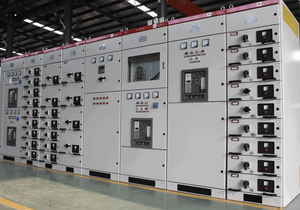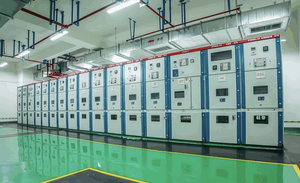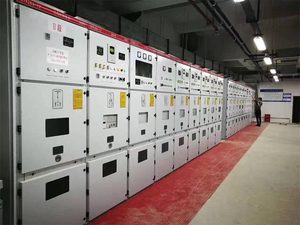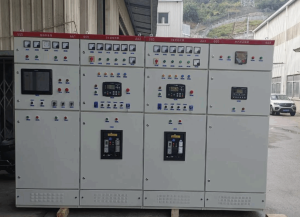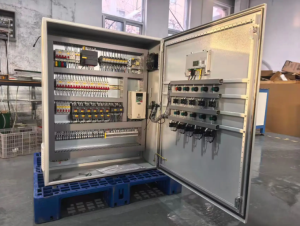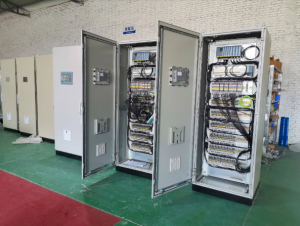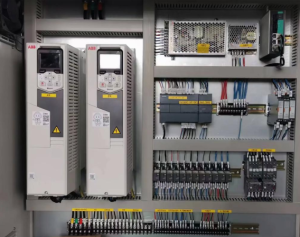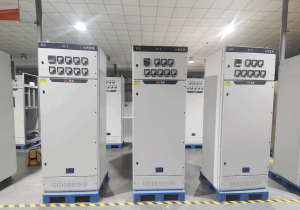
Electrical switchgear covers a wide range of categories, which can be classified according to voltage level, insulating medium and structural form. Different types of equipment vary significantly in performance, cost, applicable scenarios and operation and maintenance difficulty. Based on universal industry standards, this article comprehensively sorts out the mainstream classifications, core parameters, advantages and disadvantages, and applicable scenarios of electrical switchgear.
I. Types of Electrical Switchgear Classified by Voltage Level
Voltage level is the most core and universal classification standard for electrical switchgear, as well as the primary basis for power system design and equipment selection. According to the rated operating voltage, the industry divides switchgear into four categories: low voltage, medium voltage, high voltage and extra-high voltage, with well-defined industrial specifications for the technical parameters, structural design and application scenarios of each category.
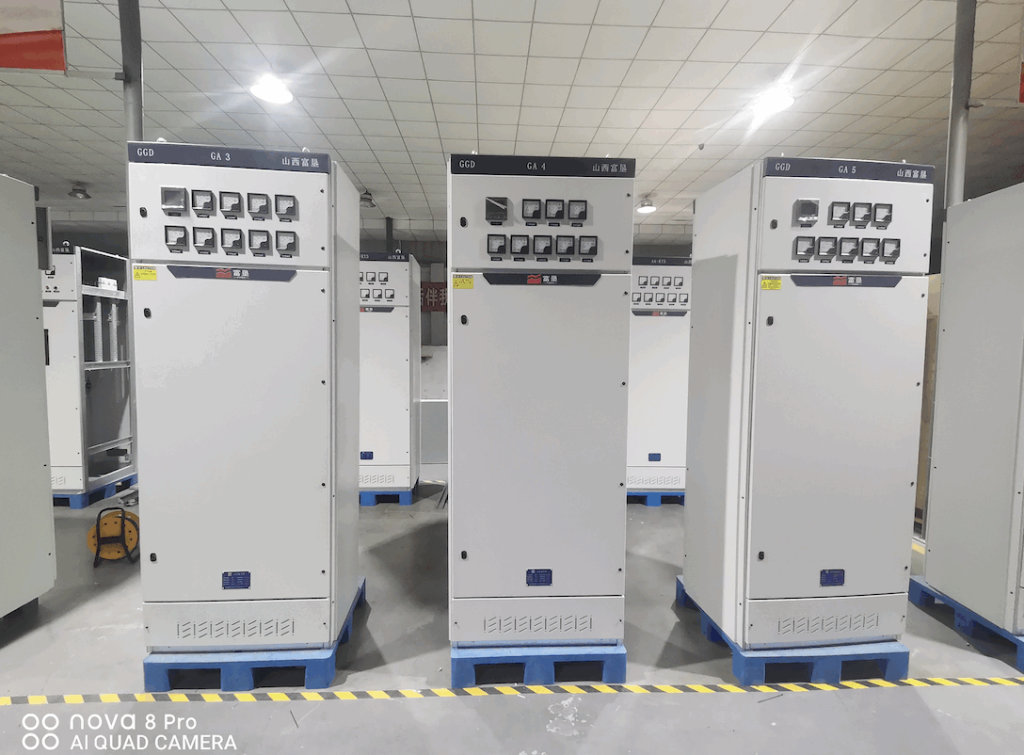
1.1 Low-Voltage Switchgear
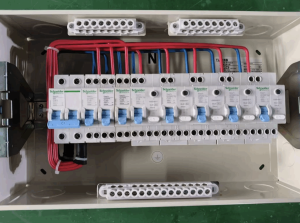
Low-voltage switchgear refers to complete switchgear with a rated operating voltage not exceeding 1000V. It is the mainstream power distribution equipment for civil, commercial and small-scale industrial scenarios, featuring a simple structure, strong adaptability, convenient operation and maintenance, and prominent cost-performance advantages.
Core Features: Compact equipment size, low operation threshold, diverse protection grades, no complex insulation and explosion-proof design, high standardization, batch adaptability to conventional power distribution scenarios, and extremely low costs for troubleshooting and daily maintenance.
Advantages and Disadvantages: It boasts low manufacturing cost, flexible installation and simple maintenance; while its limitations lie in limited load capacity and weak voltage resistance, making it inapplicable to high-voltage power transmission and large-scale industrial power scenarios.
Typical Application Scenarios: Terminal power distribution systems of residential communities, commercial complexes, office buildings, hotels, small and medium-sized factories, and municipal supporting facilities. It is mainly used for terminal power distribution, overcurrent and short-circuit protection, and daily circuit switching control.
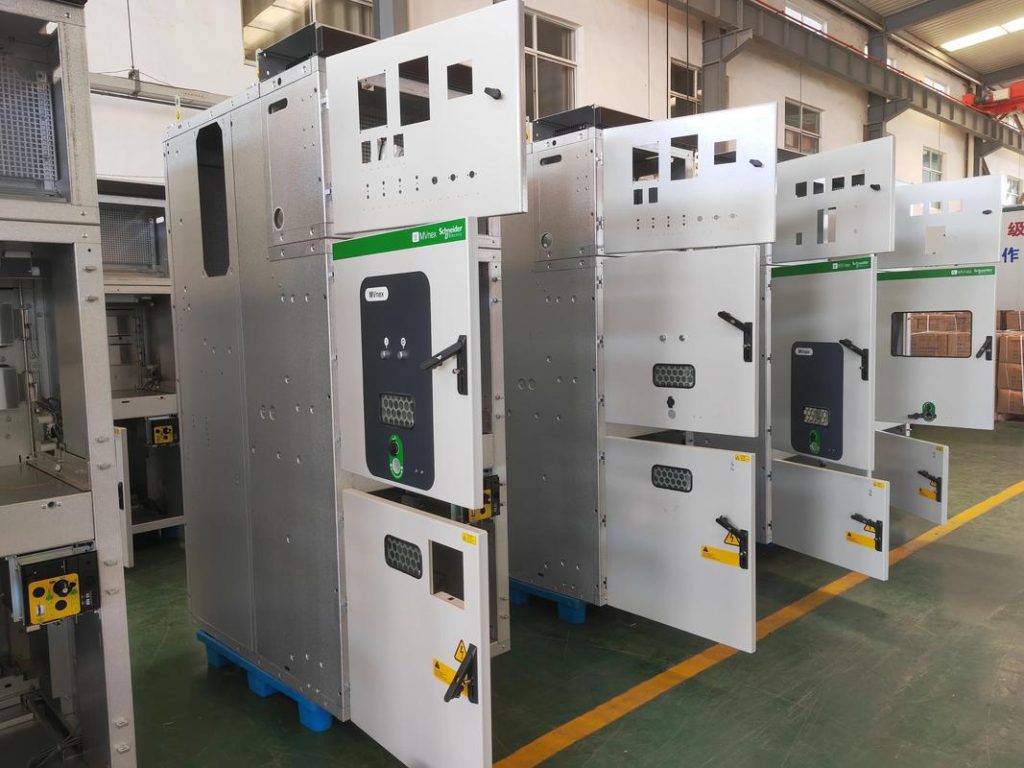
1.2 Medium-Voltage Switchgear
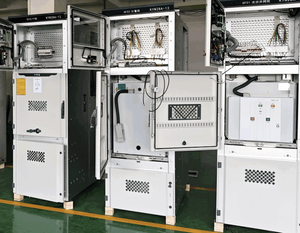
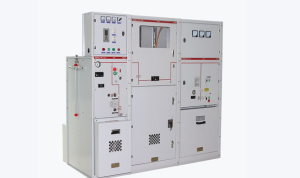
Medium-voltage switchgear covers the voltage range from 1kV to 35kV. It serves as the core equipment for urban power distribution networks and small and medium-sized industrial power systems. Balancing power distribution capacity and equipment flexibility, it is one of the most widely used equipment categories in power systems.
Core Features: Stable insulation performance, strong breaking capacity, wide load adaptation range, and complete relay protection configuration. It can adapt to regular load fluctuations and features far higher safety and reliability than low-voltage equipment.
Advantages and Disadvantages: It can meet most industrial and urban power distribution demands with moderate equipment footprint and mature operation and maintenance systems; compared with high-voltage equipment, it has limited voltage resistance and power transmission capacity, and cannot be applied to long-distance and large-capacity power transmission scenarios.
Typical Application Scenarios: Power distribution hubs such as urban substations, industrial parks, industrial and mining enterprises, hospitals and schools. It is mainly used for regional power distribution, equipment start-stop control and line fault protection.
1.3 High-Voltage Switchgear
High-voltage switchgear has a rated voltage exceeding 35kV, mainly serving regional power transmission and large-scale power hubs. It adopts high-standard manufacturing processes and excellent insulation performance, capable of withstanding high-intensity power loads and instantaneous fault impacts.
Core Features: Large breaking capacity, high voltage resistance, stable long-term operation, and complete electrical locking and safety protection design. It supports all-weather continuous operation and has strict requirements for installation environment, operation and maintenance technology, and equipment qualification.
Advantages and Disadvantages: It features strong power transmission capacity and low operating failure rate, suitable for large-scale power hubs; however, it has high manufacturing cost, large floor space, complex installation and commissioning procedures, and requires regular maintenance by professional teams.
Typical Application Scenarios: Various power plants (thermal, hydraulic, wind power, etc.), regional core substations, and power supply systems of large heavy industrial enterprises, undertaking power transmission, scheduling and protection of regional main power grids.
II. Types of Electrical Switchgear Classified by Insulating Medium
The insulating medium is a core factor determining the size, safety and environmental adaptability of switchgear, as well as an important reference for engineering selection and equipment upgrading. The mainstream industrial insulation types include air insulation, gas insulation and oil insulation, with clear distinctions in performance and applicable scenarios.
2.1 Air-Insulated Switchgear (AIS)
Air-insulated switchgear adopts natural air as the insulation and arc-extinguishing medium. It is a traditional and mature switchgear type with a complete technical system and large market inventory.
Core Advantages: Low manufacturing cost, simple structure, convenient inspection and maintenance, no special medium loss, no professional equipment required for daily operation and maintenance, low difficulty in troubleshooting and parts replacement, and controllable maintenance costs.
Main Shortcomings: Large equipment footprint. Its insulation performance is significantly affected by the environment; harsh conditions such as dust, humidity, corrosion and high altitude will reduce insulation stability, resulting in low space utilization.
Applicable Scenarios: Conventional substations, industrial parks and urban power distribution networks with sufficient space, dry and clean environment and complete operation and maintenance conditions.
2.2 Gas-Insulated Switchgear (GIS)
Gas-insulated switchgear takes inert gases such as sulfur hexafluoride (SF6) as the insulation and arc-extinguishing medium. Core components including circuit breakers, disconnectors and transformers are hermetically integrated inside a metal shell, forming a modern compact high-end switchgear.
Core Advantages: High equipment integration and compact size, covering only 1/5 to 1/3 of the floor space of AIS. It features stable insulation performance, immunity to external dust, humidity, corrosion and high altitude, extremely low operating failure rate and high safety.
Main Shortcomings: High procurement and installation costs, strict requirements for gas sealing technology, regular detection of gas pressure and tightness, complex inspection procedures, and high professional competence requirements for maintenance personnel.
Applicable Scenarios: Land-scarce substations in urban core areas, underground substations, coastal high-corrosion and high-humidity regions, high-altitude and other harsh working conditions, as well as key power projects with high requirements for equipment safety and space utilization.
2.3 Oil-Insulated Switchgear
Oil-insulated switchgear uses insulating oil as the insulation and arc-extinguishing medium. It was the mainstream equipment in the early power system, but has been gradually replaced by new-type equipment due to obvious limitations.
Core Advantages: Excellent insulation and arc-extinguishing performance, strong overload capacity, stable equipment performance and low initial construction cost.
Main Shortcomings: Bulky structure, potential risks of oil leakage and fire hazards, cumbersome maintenance procedures, regular replacement and filtration of insulating oil required, poor environmental protection and safety, failing to meet modern power safety specifications.
Applicable Scenarios: It is only retained in some old substations and traditional industrial and mining legacy power supply systems, and has been basically eliminated in all new power projects.
III. Types of Electrical Switchgear Classified by Structural Form
According to the overall structure, installation and maintenance modes, switchgear can be divided into fixed type, draw-out type and combined type, which adapt to different operation and maintenance demands and power supply reliability standards.
3.1 Fixed Switchgear
Fixed switchgear adopts an integrated fixed installation structure for core components and cabinet body with non-detachable overall equipment, featuring a concise structure and high stability.
Core Features: Simple structure, low mechanical failure rate, low cost, firm installation and good long-term operational stability, suitable for regular stable load working conditions.
Applicable Scenarios: Conventional power distribution scenarios with stable loads, no frequent component maintenance and replacement demands, and low requirements for power supply flexibility, such as civil building power distribution and fixed-load power supply systems of small factories.
3.2 Draw-Out Switchgear
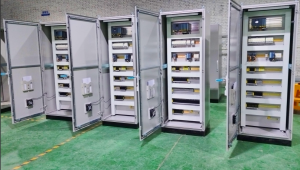
The core switch components of draw-out (drawer-type) switchgear adopt a movable drawer structure, supporting fast extraction, pushing and replacement with extremely high operation and maintenance flexibility.
Core Features: No overall power cut required for maintenance, fast replacement of faulty modules, greatly shortened power outage duration, high power supply reliability, and complete mechanical locking protection to ensure operational safety.
Applicable Scenarios: Scenarios requiring high power supply continuity and reliability, as well as frequent maintenance, capacity expansion and equipment replacement, such as large industrial parks, data centers, hospitals and urban core power distribution hubs.
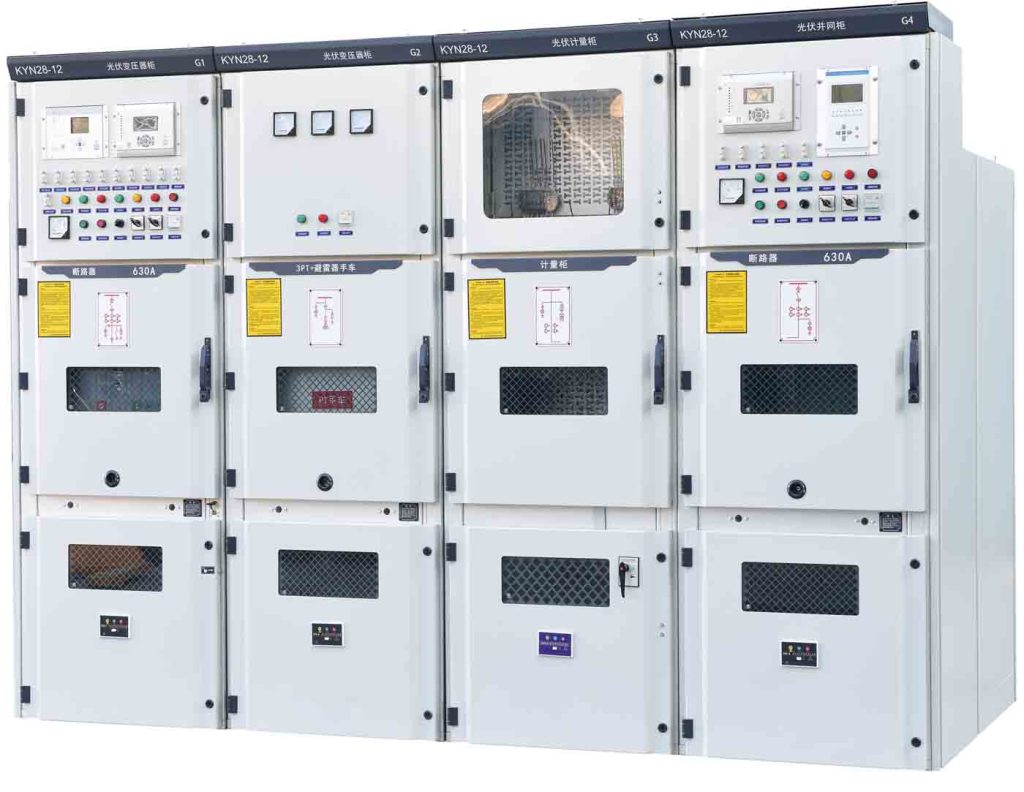
3.3 Combined Switchgear
Combined switchgear adopts a modular integrated design, allowing flexible combination of functional modules such as switching, protection, metering and control according to power distribution demands with strong adaptability.
Core Features: High functional integration, flexible configuration, convenient capacity expansion, and customizable functional modules according to project demands to adapt to diversified power distribution requirements.
Applicable Scenarios: Medium and large-scale power engineering projects with complex power distribution demands, subsequent capacity expansion and transformation requirements, and multi-function integration needs.
IV. Selection Criteria for Electrical Switchgear
Reasonable equipment selection is the key to ensuring safe and stable operation of power systems and controlling project costs. The selection shall be comprehensively determined based on five core dimensions to adapt to actual project demands:
1. Voltage and Load Parameters: Select switchgear with corresponding voltage level and capacity according to the project’s rated operating voltage, maximum load current and short-circuit breaking capacity requirements to avoid overload operation of low-capacity equipment.
2. Installation Environment Conditions: Prioritize cost-effective AIS equipment for dry, clean and space-sufficient scenarios; choose compact GIS equipment for coastal, high-altitude, corrosive and space-scarce scenarios to avoid environmental interference.
3. Power Supply Reliability Requirements: Adopt draw-out high-reliability GIS equipment for scenarios requiring uninterrupted power supply such as people’s livelihood facilities, data centers and core industrial production lines; select fixed AIS equipment for conventional civil power distribution scenarios to balance cost and performance.
4. Project Budget and Operation & Maintenance Conditions: For conventional projects with limited budgets and basic operation and maintenance teams, prioritize easy-to-maintain fixed AIS equipment; for key high-end projects, invest in intelligent GIS equipment to reduce long-term failure risks.
5. Subsequent Capacity Expansion Requirements: Adopt modular combined switchgear for projects with planned capacity expansion and transformation to support flexible capacity expansion and functional upgrading in the later stage.
Frequently Asked Questions
1. What are the core differences between low-voltage, medium-voltage and high-voltage switchgear?
The core differences lie in voltage level, power transmission capacity, equipment structure, application scenarios and cost. Low-voltage equipment (≤1kV) features small capacity, simple structure and low cost for terminal power distribution; medium-voltage equipment (1-35kV) has moderate capacity and strong universality for urban and industrial power distribution; high-voltage equipment (>35kV) has large capacity, sophisticated technology and high cost for power hubs and main power transmission lines.
2. Which is more suitable for engineering applications, AIS or GIS switchgear?
Neither has absolute advantages; the selection depends on actual demands. AIS equipment is preferred for scenarios with sufficient space, good environment, limited budget and conventional maintenance due to higher cost performance; GIS equipment is more suitable for key projects with limited land, harsh environment, high requirements for power supply safety and stability and sufficient budget, thanks to its superior reliability and adaptability.
3. What type of switchgear is commonly used in residential buildings?
Residential buildings fully adopt low-voltage switchgear (≤1kV), mainly fixed air-insulated switch cabinets and distribution boxes. With simple structure, convenient maintenance and safety performance adapted to civil scenarios, it can meet the demands of daily residential power distribution, overload and short-circuit protection, serving as the standard configuration for civil building power distribution.
Conclusion
Electrical switchgear has a clear classification system. The three major classification dimensions of voltage level, insulating medium and structural form constitute the core basis for equipment selection. Low-voltage, medium-voltage, high-voltage and extra-high voltage equipment perform their respective functions, covering the whole chain of power transmission and distribution. AIS, GIS and oil-insulated equipment adapt to different environmental and budget demands, while fixed, draw-out and combined structures meet differentiated operation and maintenance and power supply reliability requirements.
In practical engineering applications, switchgear types shall be selected comprehensively based on project voltage parameters, installation environment, power supply demands, budget costs and later operation and maintenance plans, so as to balance the safety, stability, economy and scalability of the power system and provide core guarantee for the safe and efficient operation of power systems.
For more information about switchgear, please contact Fuken. We will provide you with professional switchgear solutions.
References
[1] GB 3906-2020, 3.6kV~40.5kV AC Metal-Enclosed Switchgear and Controlgear
[2] GB 7251.1-2013, Low-Voltage Assembled Switchgear and Controlgear – Part 1: General Rules
[3] IEC 62271, International General Standard for High-Voltage Switchgear and Controlgear