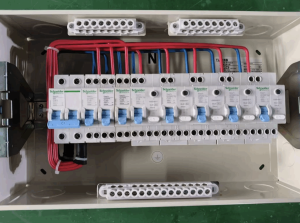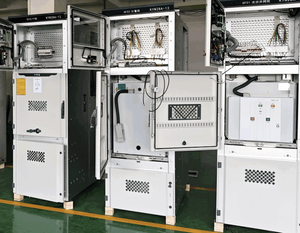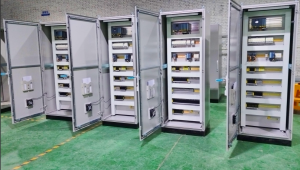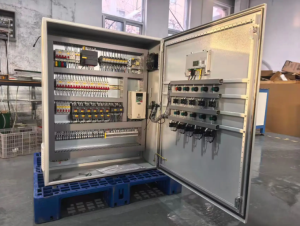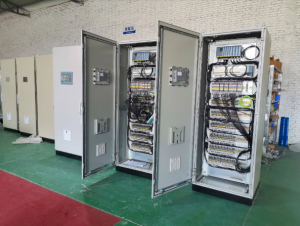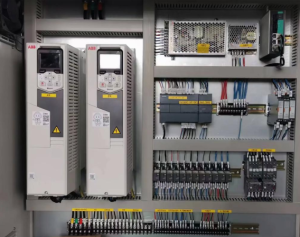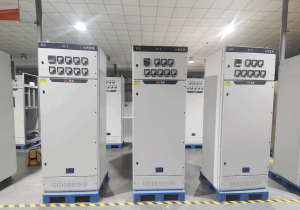
An auto power distribution box, also known as an on-board power distribution cabinet or vehicle power distribution center, is the core hub of a vehicle’s electrical system. It integrates key components including fuses, relays, wiring terminals and circuit boards. Its primary functions are centralized power distribution for the whole vehicle, control of all electrical loads, and circuit safety protection. As a critical device ensuring stable operation of automotive electrical systems, it is widely compatible with passenger cars, freight trucks, engineering special vehicles and all types of motor vehicles.
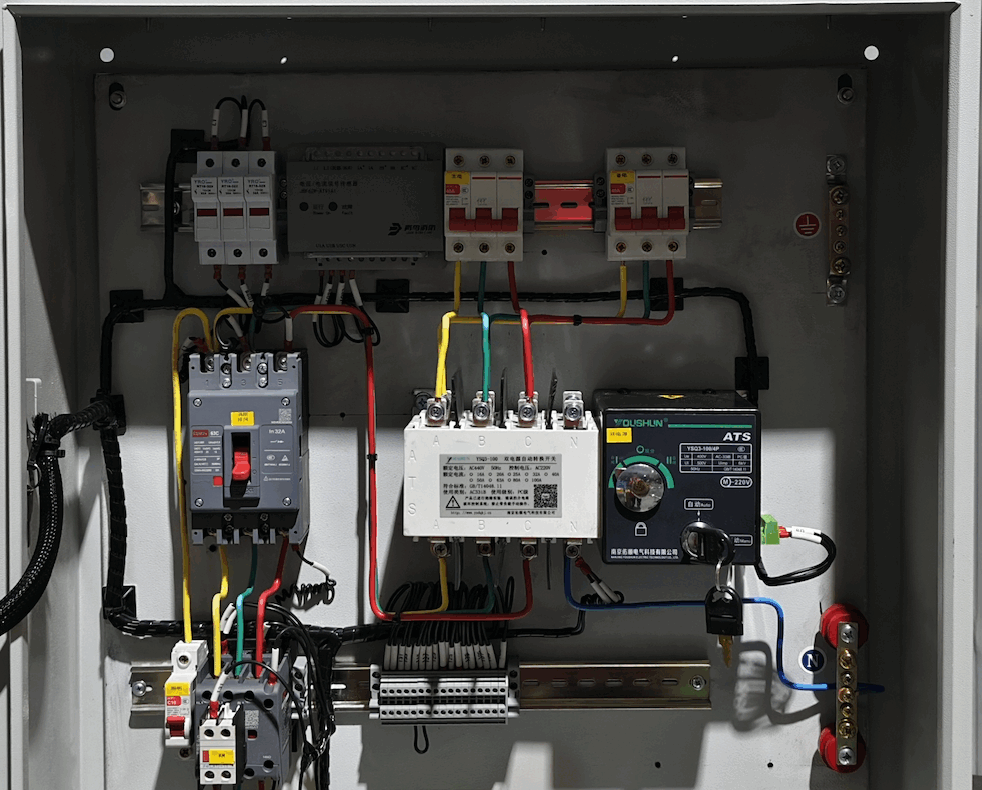
1. Core Working Principle
After vehicle startup, total power generated by the battery and alternator flows into the main bus bar of the power distribution box through the main wiring harness. The internal circuit board splits and stabilizes voltage, then delivers precise power to each electrical component via separate branch terminals according to their rated voltage and current requirements.
Under normal operating conditions, relays switch corresponding circuits based on vehicle control signals to guarantee proper equipment operation. If a branch circuit encounters overload, short circuit or other abnormal conditions, the matching fuse will blow instantly to cut off power to the faulty branch. This protects wiring and electrical devices without disrupting the rest of the vehicle’s electrical system, realizing zoned protection and precise control.
2. Core Functions of Auto Power Distribution Boxes
Far more than a simple circuit connector, the auto power distribution box is an integrated multi-functional unit combining power distribution, safety protection and intelligent control. Its core functions cover the full operation cycle of vehicle electrical systems, divided into four main modules:
2.1 Centralized Power Allocation & Management for the Whole Vehicle
The power distribution box receives total power from the vehicle battery and alternator, and distributes electric energy to all electrical units as required by vehicle operating conditions and equipment power demands for on-demand power supply. Compared with traditional scattered wiring, centralized power distribution balances the overall vehicle current load, prevents overload on single circuits, and greatly improves the rationality and stability of vehicle power consumption.
2.2 Overload & Short-Circuit Circuit Protection
Fast-blow and slow-blow fuses built into the box act as core protective elements to monitor real-time circuit current. When short circuits, overloads or abnormal current fluctuations occur, fuses blow automatically to cut off power to the corresponding branch immediately. This avoids risks such as burned wiring, damaged electrical equipment and even fires, delivering comprehensive protection for vehicle circuits and on-board devices.
2.3 Intelligent Control of Electrical Equipment via Relays
With built-in relay assemblies, the power distribution box enables automatic and intelligent control of high-power electrical devices including headlights, windshield wipers, air conditioners and starter motors. Small current signals control the on-off of large currents, which reduces load pressure on vehicle switches, extends the service life of control components, and allows accurate start-stop and condition regulation of electrical equipment.
2.4 Simplified Circuit Structure & Lower Maintenance Costs
The centralized power distribution architecture greatly streamlines the vehicle wiring harness layout, reduces crossed circuits and connection points, and effectively lowers the incidence of common faults such as poor contact, wiring aging and electric leakage. Meanwhile, the standardized integrated structure facilitates circuit inspection and component replacement, significantly cutting long-term vehicle maintenance and repair costs.
3. Key Differences Between Auto Power Distribution Boxes and Fuse Boxes
Most vehicle owners and auto repair technicians confuse auto power distribution boxes with traditional fuse boxes. Though related and sharing partial overlapping functions, they have fundamental distinctions in positioning, functionality and applicable scenarios, as outlined below:
3.1 Structural & Component Differences
Traditional automotive fuse boxes feature simple structures with only various specification fuses. Their sole function is passive overload protection without active control capabilities. In contrast, auto power distribution boxes adopt an integrated modular design. Besides fuses, they are equipped with relays, control circuit boards, precision wiring terminals and waterproof housings, boasting higher structural complexity and integration levels.
3.2 Functional Positioning Differences
Fuse boxes only provide passive circuit protection with no power distribution or equipment control functions. Power distribution boxes deliver integrated power allocation, circuit protection, equipment control and circuit voltage regulation, serving as the active core for overall vehicle electrical management and systematic control of all on-board electrical devices.
3.3 Applicable Scenario Differences
Simple fuse boxes are mostly installed on low-end compact passenger cars and older models, only meeting basic power protection needs. Power distribution boxes are widely applied to new energy vehicles, mid-to-high-end passenger cars, freight trucks and engineering special vehicles. They accommodate high current, multiple electrical loads and complex working conditions with superior compatibility and stability.
3.4 Correlation Between the Two Components
Within modern vehicle electrical architectures, fuse boxes can be regarded as a basic functional unit of power distribution boxes. Most power distribution boxes on new vehicle models integrate the functions of traditional standalone fuse boxes to unify protection and control, which represents the mainstream development trend of automotive electrical systems.
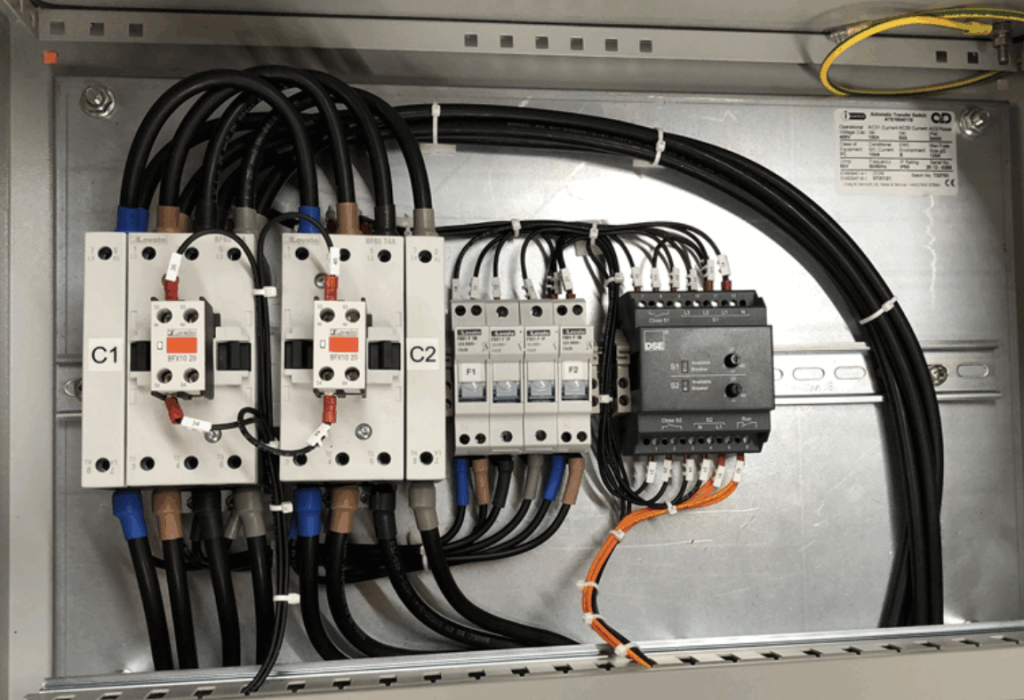
4. Types of Auto Power Distribution Boxes
Auto power distribution boxes are divided into multiple subcategories based on matching vehicle models, operating environments and functional characteristics, allowing users to select the right model according to vehicle type and application scenarios:
4.1 Classification by Matching Vehicle Type
- Passenger car power distribution boxes: Designed for sedans, SUVs and other small vehicles. Compact size with moderate power consumption, focusing on lightweight design and stability to satisfy daily commuting power demands.
- Commercial vehicle power distribution boxes: Compatible with trucks and buses. Higher current carrying capacity and durability for long-duration, high-load operating conditions.
- Special vehicle power distribution boxes: Used for engineering vehicles, agricultural machinery, rescue vehicles and other special equipment. Support simultaneous power supply for multiple devices and adapt to complex outdoor working environments.
4.2 Classification by Environmental Adaptability
- Standard power distribution boxes: Suitable for dry, stable working conditions such as urban commuting, meeting basic power demands for ordinary passenger vehicles.
- Waterproof power distribution boxes: Equipped with sealed waterproof housings and anti-corrosion terminals, featuring dustproof, waterproof and anti-oxidation performance. Ideal for off-road vehicles and cars operated in rainy and humid regions, effectively preventing circuit faults caused by moisture and dust intrusion.
- Custom power distribution boxes: Customizable for automakers and vehicle refitting projects. Adjustable terminal quantity, current specifications and installation dimensions to meet personalized and professional power supply requirements.
4.3 Classification by Structural Mode
- Traditional split power distribution boxes: Simple structure with low cost, mainly used on older vehicle models.
- Modular Power Distribution Modules (PDM): Higher integration, smaller volume and stronger intelligent performance with precise circuit control and self-fault detection functions, serving as the mainstream configuration for new energy vehicles and latest passenger cars.
5. Auto Power Distribution Box Replacement Guide
5.1 Pre-Replacement Preparation
Prepare a brand-new power distribution box matching the vehicle specifications, compatible fuses and relays, a multimeter, wiring removal tools and insulating gloves. Before disassembly, turn off all vehicle electrical equipment and disconnect both positive and negative battery terminals to avoid short circuits and electric shocks from live operation. Verify the terminal quantity, installation dimensions and current parameters of the new box against the old one to ensure full vehicle compatibility.
5.2 Step-by-Step Disassembly & Installation Process
- Remove the outer protective cover of the power distribution box, and record the position and corresponding number of each wiring harness and terminal to avoid miswiring.
- Unplug all connectors sequentially, remove fixing screws and clips, then take out the old power distribution box.
- Secure the new power distribution box to the original vehicle mounting position and fasten all fixing components. Plug all wiring harness terminals in strict accordance with the recorded numbers to ensure tight, secure connections without misalignment.
- Reinstall the protective cover, reconnect the battery, and power on to test all vehicle electrical equipment including lights, air conditioning and starting systems to confirm no circuit faults exist.
5.3 Critical Replacement Precautions
Always select a power distribution box with fully matching vehicle parameters; never mix boxes of different specifications, as mismatched current ratings may burn out electrical devices. Avoid forcefully pulling wiring harnesses during disassembly and installation to prevent deformed terminals and broken wires. For refitted vehicles with additional electrical equipment, select a power distribution box with matching load specifications to avoid overload faults.
6. Auto Power Distribution Box Buying Guide
6.1 Core Selection Parameters
- Dustproof and waterproof rating: Prioritize fully sealed waterproof models for off-road, commercial and outdoor vehicles to eliminate circuit faults caused by moisture and dust ingress.
- Rated load current: Choose a power distribution box with current specifications matching the total power of vehicle electrical equipment. New energy vehicles and heavily refitted vehicles require high-load distribution boxes to meet power supply demands.
- Terminal compatibility: Select products with terminals and installation dimensions fully matching the original vehicle wiring harness for direct plug-and-play installation without modification and lower adaptation costs.
- Material and workmanship: Prefer models with flame-retardant housings, pure copper terminals and thickened circuit boards, featuring high temperature resistance, anti-aging and anti-corrosion properties for longer service life.
6.2 Scenario-Based Selection Tips
- Daily commuter passenger cars: Standard stable models with balanced cost performance and durability to meet basic daily power protection needs.
- Commercial and off-road vehicles: Prioritize waterproof, shock-resistant performance and high load capacity to adapt to long-term harsh working conditions and reduce fault rates.
- Refitted and special vehicles: Opt for customizable power distribution boxes, whose terminal count and load parameters can be adjusted based on the quantity and power of additional installed equipment to fit personalized power supply demands.
7. Frequently Asked Questions
7.1 What are the main causes of auto power distribution box failure?
Primary triggers include circuit short circuits, excessive power load, loose terminals from long-term vibration, component corrosion caused by moisture and dust, aging relays and fuses, and abnormal current from unauthorized wiring modifications. Overload and improper circuit refitting are the most common causes.
7.2 Is a power distribution box the same as a fuse box?
No. Fuse boxes only deliver single-function circuit protection with simple structures. Power distribution boxes are integrated electrical control cores combining fuses, relays and control modules, featuring multi-layer functions including power allocation, equipment control and circuit protection. With superior structures and performance, they are gradually replacing standalone fuse boxes on new vehicle models.
7.3 How much does it cost to replace an auto power distribution box?
Costs vary greatly based on vehicle model and product specifications. Standard distribution boxes for ordinary passenger cars carry low combined parts and installation costs. Mid-to-high-end passenger cars, new energy vehicles, waterproof and customized modular distribution boxes come with higher costs. Exact pricing depends on matching vehicle specifications and labor standards of auto repair shops.
Conclusion
The auto power distribution box acts as the central hub of the vehicle’s electrical system, undertaking vital roles in power allocation, circuit protection and equipment control, and directly determining the stability and safety of the vehicle’s electrical system.
Reference Materials
- New Energy Vehicle Engineering Handbook – Vehicle Design Volume: Structural composition, design standards and vehicle matching specifications of auto power distribution boxes
- Integrated Tutorial on Principles and Maintenance of Automotive Electrical Equipment: Working principles, fault detection and maintenance technical standards for on-board power distribution systems
- Industry Testing Specifications for Automotive Electrical Systems: Detection standards for on-board circuit terminals, resistance parameter benchmarks and fault location procedures