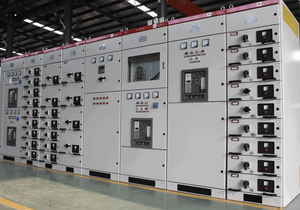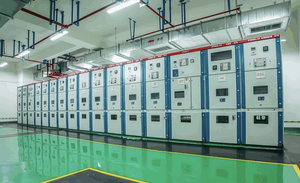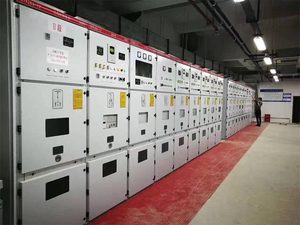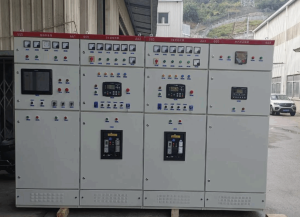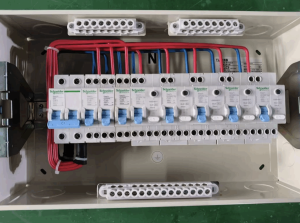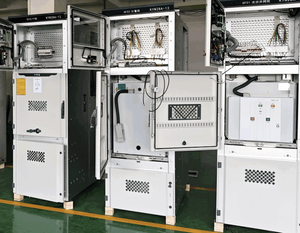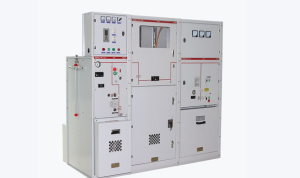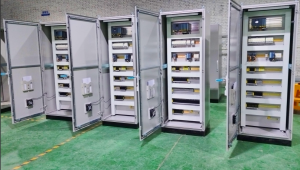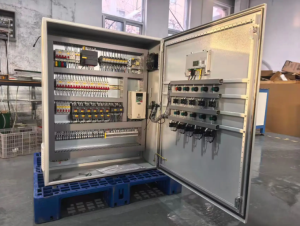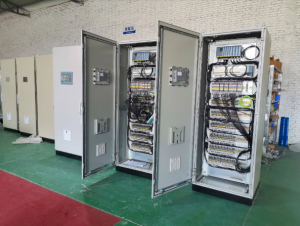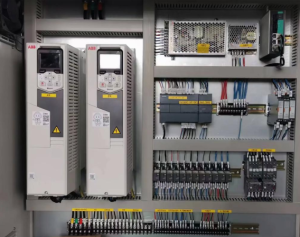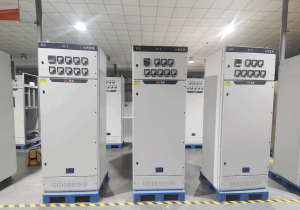
A stage power distribution box is a dedicated temporary power distribution device for performance events, outdoor competitions and audio-visual engineering projects. It is mainly used for centralized power supply, shunt control and power safety protection for stage lighting, professional audio systems, LED screens, stage special effects equipment and other audio-visual devices. Different from fixed building distribution boxes, the stage power distribution box is specially designed for performance scenarios featuring temporary installation, frequent movement, outdoor exposure and concentrated multi-device loads. With outstanding portability, high safety, strong compatibility and anti-interference performance, it serves as the core supporting equipment for the power system of various stage events.
This equipment is widely applied in indoor and outdoor concerts, cultural performances, DJ commercial shows, wedding stages, film and television shooting, outdoor sports events and commercial roadshows. It accurately distributes the main power supply to various stage devices while avoiding electrical risks such as overload, short circuit, electric leakage and voltage instability, ensuring stable, safe and controllable power supply throughout events. Compared with ordinary civil and industrial distribution boxes, stage power distribution boxes focus more on mobile convenience, fast wiring adaptability and temporary power safety protection, perfectly meeting the temporary, flexible and changeable power consumption demands of stage scenarios.
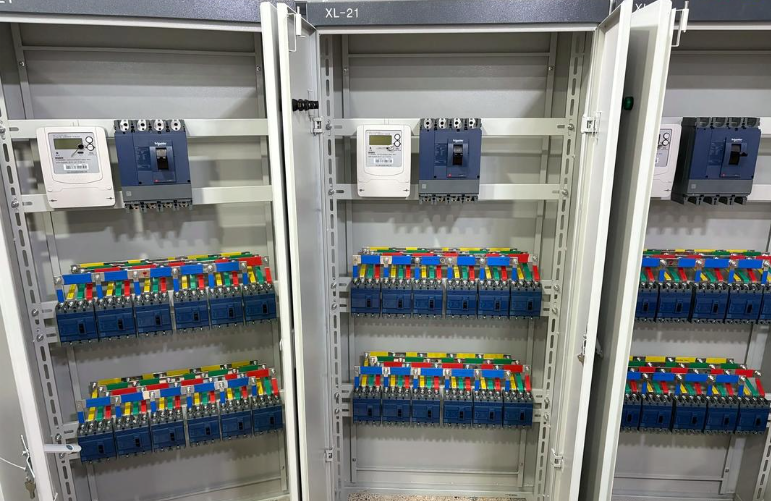
I. Main Types of Stage Power Distribution Boxes
Classified by event scale, application scenario and power load, mainstream stage power distribution boxes in the industry fall into four categories, covering all indoor and outdoor performance scenarios of different scales and serving as the mainstream models for market procurement and engineering application.
1. Classification by Power Phase: Single-Phase vs Three-Phase Distribution Boxes
Single-phase stage power distribution boxes are suitable for small-scale stage scenarios, including small roadshows, indoor weddings and mini DJ performances with low-power equipment. They feature low overall load, simple wiring and easy operation, fully meeting the basic power demands of lighting and audio equipment for small and medium-sized stages.
Three-phase stage power distribution boxes are core equipment for large-scale performance events. Adapted for high-load scenarios such as large-scale concerts, outdoor major events, multi-screen LED stages and complete professional audio-visual equipment sets, they support high current and high power loads with superior power supply stability. These devices balance the power load of multiple working devices simultaneously, preventing overload and voltage fluctuation problems common in single-phase power supply, making them standard configuration for medium and large-scale stage projects.
2. Classification by Functional Features: Portable and Waterproof Models
Portable stage power distribution boxes are essential for touring shows, mobile performances and temporary setup scenarios. Adopting an integrated lightweight design with built-in handles or rack-mounted structures, they are easy to carry, disassemble and store without fixed installation. They enable rapid on-site wiring and power supply, perfectly adapting to the frequent relocation demands of the performance industry.
Waterproof stage power distribution boxes feature a protection grade of IP44 or above. Specially designed for harsh environments such as open-air stages, rainy outdoor performances and outdoor competitions, they effectively block rainwater, dust and mist from entering the equipment. This eliminates short-circuit and electric leakage risks caused by humid outdoor conditions, greatly improving the safety and stability of temporary outdoor power supply.
3. Classification by Rated Current: Standard Power Specifications
The industry’s mainstream specifications are 63A and 125A. The 63A model applies to small and medium-sized stages, supporting regular lighting, audio and small LED screen equipment. The 125A high-power model is designed for large integrated stages, capable of bearing the concentrated load of full sets of professional audio-visual devices and large stage special effects equipment, and is the primary power distribution device for large commercial performances and official events.
4. Classification by Application Scenario: Specialized Sub-categories
According to usage purposes, products are divided into stage lighting dedicated distribution boxes, DJ performance dedicated distribution boxes, outdoor event temporary distribution boxes and rack-mounted stage distribution boxes. Optimized for the power load, interface requirements and installation methods of specific scenarios, these specialized models deliver higher adaptability and effectively improve on-site power distribution efficiency.
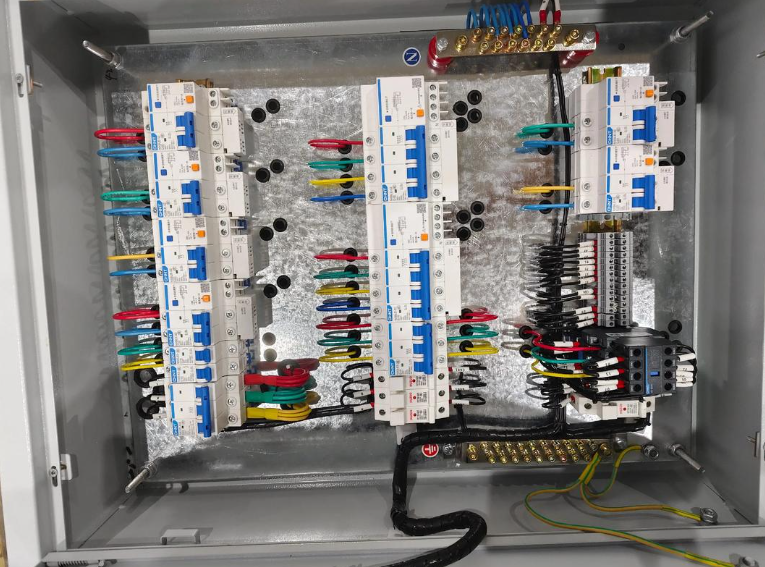
II. Functions and Safety Standards of Stage Power Distribution Boxes
Safety and stability are the core indicators of stage power distribution equipment. Qualified stage distribution boxes are equipped with professional protection functions and comply with international industry standards, comprehensively ensuring the safety of temporary stage power consumption and preventing electrical accidents during performances.
1. Core Safety Configuration
All compliant stage power distribution boxes are equipped with a multi-layer protection system, including circuit breaker overload protection, automatic short-circuit power-off protection, RCD residual current leakage protection and reliable grounding protection. In case of circuit short circuit, load overload or electric leakage risks, the equipment automatically cuts off power instantly to prevent equipment burnout, electric shock and fire accidents, adapting to high-risk stage scenarios with dense crowds and concentrated equipment. Meanwhile, the built-in anti-interference structure eliminates lighting strobing and audio current noise caused by power interference, ensuring stable stage performance effects.
2. Industry Compliance Standards
Export and commercial stage power distribution boxes must strictly comply with IEC (International Electrotechnical Commission) standards and CE EU safety certification standards, which are essential qualifications for compliant application and cross-border procurement. Outdoor dedicated models feature a minimum IP44 protection grade for effective dust and water splash resistance, adapting to various complex outdoor environments. Their overall electrical parameters, insulation performance and protection structures meet industrial specifications for temporary performance power consumption, satisfying compliant application requirements for stage projects at home and abroad.
3. Core Product Advantages
Compared with traditional power distribution equipment, stage power distribution boxes are equipped with multiple independent power distribution interfaces for separate power supply of different devices. A fault in a single circuit will not affect the operation of the entire power supply system. Featuring a sturdy and wear-resistant body with excellent collision and vibration resistance, they withstand impacts during on-site handling and installation. With simple installation and no civil engineering requirements, they support rapid setup and dismantling, fully fitting the temporary power consumption and fast construction characteristics of the performance industry.
III. Stage Power Distribution Box Selection Guide
Stage power distribution box selection shall be based on event scale, application environment and total equipment load to match accurate parameters and models. This avoids insufficient power supply or resource waste while ensuring power safety and stability.
Step 1: Calculate Total Equipment Load and Required Current
The primary selection step is to calculate the total power of all stage electrical devices and confirm the required operating current according to voltage standards. It is necessary to reserve 20% to 30% power margin to prevent full-load or overloaded operation, avoid overload tripping and equipment overheating, and ensure long-term power supply stability. Small stages generally require a current below 63A, while large integrated stages adopt specifications of 125A or above.
Step 2: Select Power Phase According to Event Scale
Single-phase distribution boxes are sufficient for small indoor roadshows, solo DJ performances and small wedding stages with low power and fewer electrical devices. For large-scale concerts, outdoor events, multi-screen LED stages and scenarios with complete high-power audio-visual equipment sets, three-phase distribution boxes are mandatory to balance three-phase loads and prevent equipment faults caused by voltage imbalance.
Step 3: Confirm Protection Grade According to Application Scenario
Standard stage distribution boxes are applicable for dry indoor environments. IP44 waterproof and dustproof models must be adopted for open-air outdoor venues, humid sites and rainy working conditions to enhance environmental adaptability and eliminate potential safety hazards caused by moisture and dust.
Step 4: Match Interface Quantity and Circuit Configuration
Select distribution boxes with appropriate circuit quantities and interface specifications according to the number and interface types of on-site lighting, audio and special effects equipment. Independent circuit power supply for each device avoids circuit crossing and interface overload, facilitating on-site wiring and subsequent fault troubleshooting.
Step 5: Verify Equipment Compliance Qualifications
For commercial, export and large-scale official stage events, equipment with authoritative safety certifications such as IEC and CE must be adopted. Verify that the protection configuration and electrical parameters meet industry standards and eliminate unqualified products to ensure event compliance and safety.
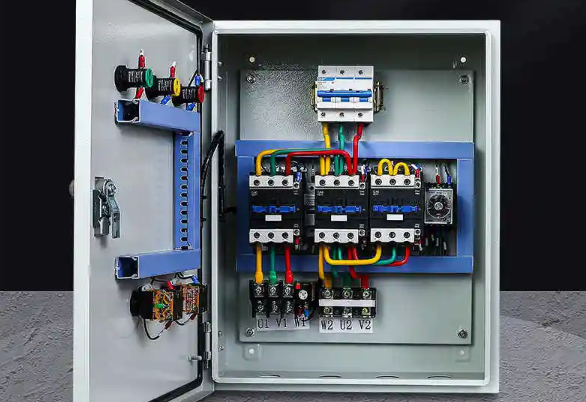
IV. Installation of Stage Power Distribution Boxes
Standard wiring and installation operations are critical to the stable operation of the stage power distribution system and hazard prevention. All on-site operations must strictly follow industrial operation specifications.
1. Standard Wiring Procedures
First, cut off the main power supply and complete power-off safety protection. Distinguish live wire, neutral wire and ground wire, and connect them to the main power input terminal strictly according to the equipment wiring marks to ensure firm and gap-free connection without virtual contact. Then connect the lines of lighting, audio and other load equipment to corresponding independent output circuits. Close the box door after wiring and check the neat arrangement of lines to avoid extrusion and exposure.
2. On-Site Installation Steps
Place the equipment on a flat, dry and ventilated stable position, keeping it away from crowded areas and collision-prone zones to prevent mechanical damage. For outdoor scenarios, take basic rainproof and anti-collision measures and avoid low-lying waterlogged areas. After installation, conduct no-load power-on tests to check the power-on status of each circuit and switch sensitivity. Confirm no electric leakage, abnormal noise or overheating before connecting load equipment for formal operation.
3. Key On-Site Operation Precautions
Stage power distribution boxes are prohibited from overloaded operation. It is not allowed to modify internal circuits, remove protection structures or mismatch lines without authorization. Keep on-site wiring tidy to avoid winding, trampling and extrusion of lines. Arrange special personnel on duty during performances to monitor equipment temperature and operating status in real time and eliminate potential faults in a timely manner.
4. Common Wiring Mistakes and Solutions
Common mistakes include neutral-ground wire mixing, single-circuit overload connection, loose virtual wiring and use of non-waterproof equipment outdoors. In actual operation, strictly distinguish neutral and ground wires, connect equipment in line with single-circuit rated power, fasten all interfaces after wiring, and adopt waterproof models for outdoor scenarios to avoid electrical faults fundamentally.
V. Daily Maintenance of Stage Power Distribution Boxes
Check the integrity of line interfaces, switches and the equipment body before and after use, and remove surface dust and water stains to keep the device dry and clean. Store the equipment in a dry and ventilated environment during long-term idle periods to prevent moisture and corrosion. Avoid overloaded and irregular wiring, and conduct power-on detection after each setup. Regularly inspect the sensitivity of protection switches and line aging conditions to eliminate hidden faults in advance and extend equipment service life.
VI. Frequently Asked Questions
Q1: What is the core purpose of a stage power distribution box?
A stage power distribution box is used for centralized power distribution, shunt management and safety protection for various stage events. It provides stable power supply for lighting, audio, LED screens and other professional equipment, and avoids electrical risks such as short circuit, overload and electric leakage through multi-layer protection mechanisms. Adapted to the temporary, mobile and high-density power consumption characteristics of stage scenarios, it ensures smooth performance operation.
Q2: What are the differences between a dedicated stage distribution box and an ordinary distribution box?
Ordinary distribution boxes are fixed building devices designed for long-term static power consumption with no portability and only suitable for fixed indoor environments. In contrast, stage power distribution boxes are customized for temporary performance scenarios, featuring lightweight mobility, rapid assembly and disassembly, anti-interference capability and multi-layer safety protection. They adapt to frequent relocation, complex outdoor environments and concentrated high-load operation, with far superior scenario adaptability and safety performance compared with ordinary distribution boxes.
Q3: Is a waterproof distribution box mandatory for outdoor stage performances?
Yes. IP44 or higher waterproof and dustproof stage distribution boxes are mandatory for open-air, humid and dusty outdoor scenarios. Ordinary distribution boxes have no waterproof capability and are prone to short circuit, electric leakage and equipment burnout caused by rain and moisture penetration. Waterproof models perfectly adapt to harsh outdoor working conditions and guarantee power safety.
Q4: What current specification is required for stage power distribution?
63A specifications are sufficient for small indoor roadshows and mini stages; 63A to 125A models are suitable for medium-sized commercial performances and multi-equipment stages; 125A and above high-power three-phase distribution boxes are required for large-scale concerts, major outdoor events and stages with full high-power audio-visual equipment, with sufficient power margin reserved.
Q5: Do small stages need three-phase distribution boxes?
Not mandatory. Small stages with fewer devices and low total power can operate stably with single-phase distribution boxes, which are easier to operate and more cost-effective. Three-phase distribution boxes are only required when the total power and quantity of stage equipment exceed the bearing capacity of single-phase power supply to balance the power load.
Q6: What core certifications should stage power distribution boxes have?
For commercial, engineering and export use, stage power distribution boxes must have IEC international electrical standard certification and CE EU safety certification. These two qualifications are the core basis for compliant equipment application, project acceptance and cross-border procurement, as well as fundamental guarantees for equipment safety and quality.
Conclusion
As the core basic equipment of the performance power system, stage power distribution boxes determine the power safety and operation stability of stage events through proper selection, installation, operation and maintenance. Different types and specifications adapt to indoor and outdoor stage scenarios of all scales. Users shall select models accurately according to event scale, power load and application environment, strictly follow industrial safety and operation specifications, and adhere to daily maintenance. Properly matched and compliant power distribution equipment effectively eliminates various electrical hazards and provides stable, safe and efficient power guarantee for all kinds of stage performances and outdoor activities.
References
- IEC 60439-1, General Safety Standard for Low-Voltage Assembled Switchgear and Controlgear
- CE EU Electrical Equipment Safety Certification Specifications (LVD Low Voltage Directive, EMC Electromagnetic Compatibility Directive)
- IP44 Dustproof and Waterproof Protection Grade International General Standard