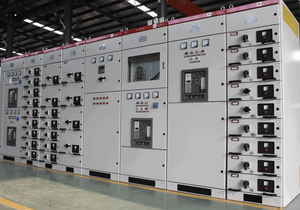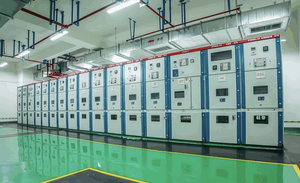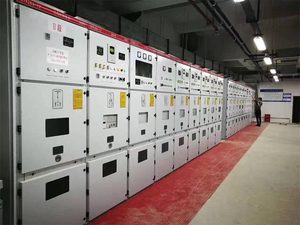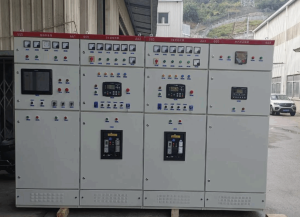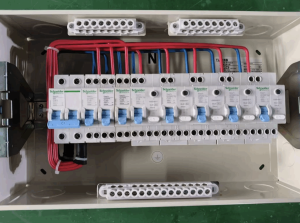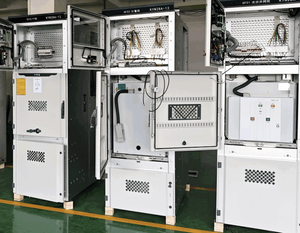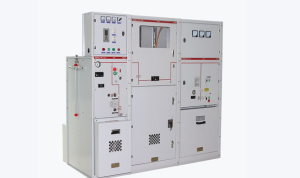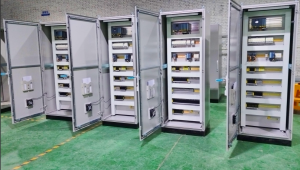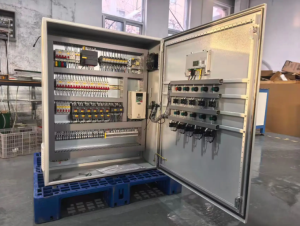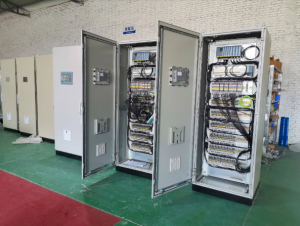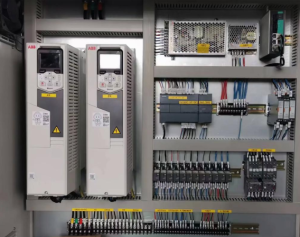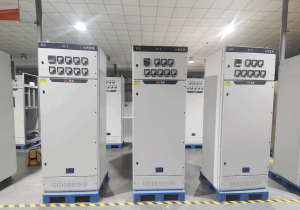
The Outdoor Distribution Box is an essential component in modern electrical distribution systems. It is widely used in industrial, construction, municipal engineering, and renewable energy applications. Its core function is to safely distribute electrical power in outdoor environments while protecting internal electrical components from rain, dust, UV exposure, and mechanical impact.
This article provides a professional and systematic explanation of outdoor distribution boxes, including structure, types, IP protection ratings, application scenarios, and selection guidelines.
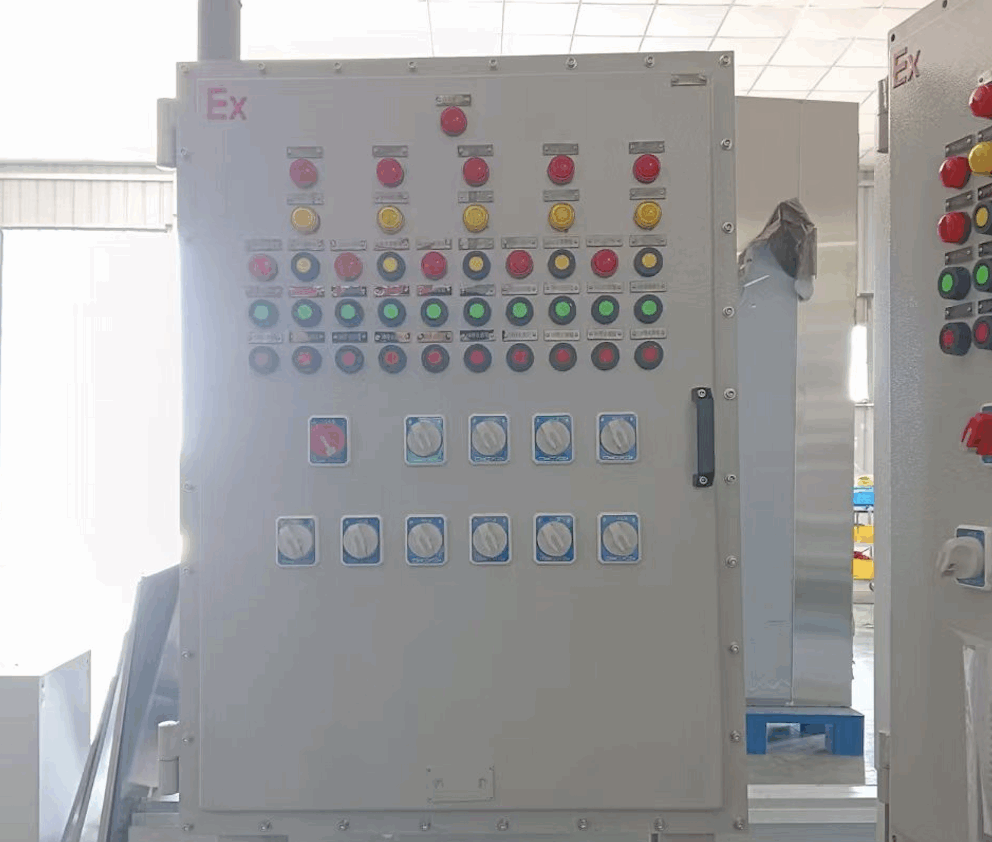
1. What Is an Outdoor Distribution Box?
An Outdoor Distribution Box is an electrical enclosure system installed in outdoor environments for centralized power distribution and management.
It typically integrates:
- Circuit breakers (MCB/MCCB)
- Terminal blocks
- Control modules
- Protection devices
Its main functions include:
- Power distribution
- Circuit protection
- Equipment control
- Electrical isolation
Compared with indoor distribution boxes, the key difference is that outdoor distribution boxes provide significantly higher levels of protection against water, dust, and corrosion.
2. Core Functions of an Outdoor Distribution Box
2.1 Power Distribution Function
The outdoor distribution box distributes main power into multiple branch circuits, making it suitable for multi-device power supply systems such as industrial equipment and street lighting systems.
2.2 Circuit Protection Function
Built-in circuit breakers automatically disconnect power in case of:
- Overload
- Short circuit
- Leakage faults
This helps prevent accidents and equipment damage.
2.3 Environmental Protection Capability
With a high-performance enclosure design, the system provides protection against:
- Rainwater
- Dust
- UV radiation
- Corrosion
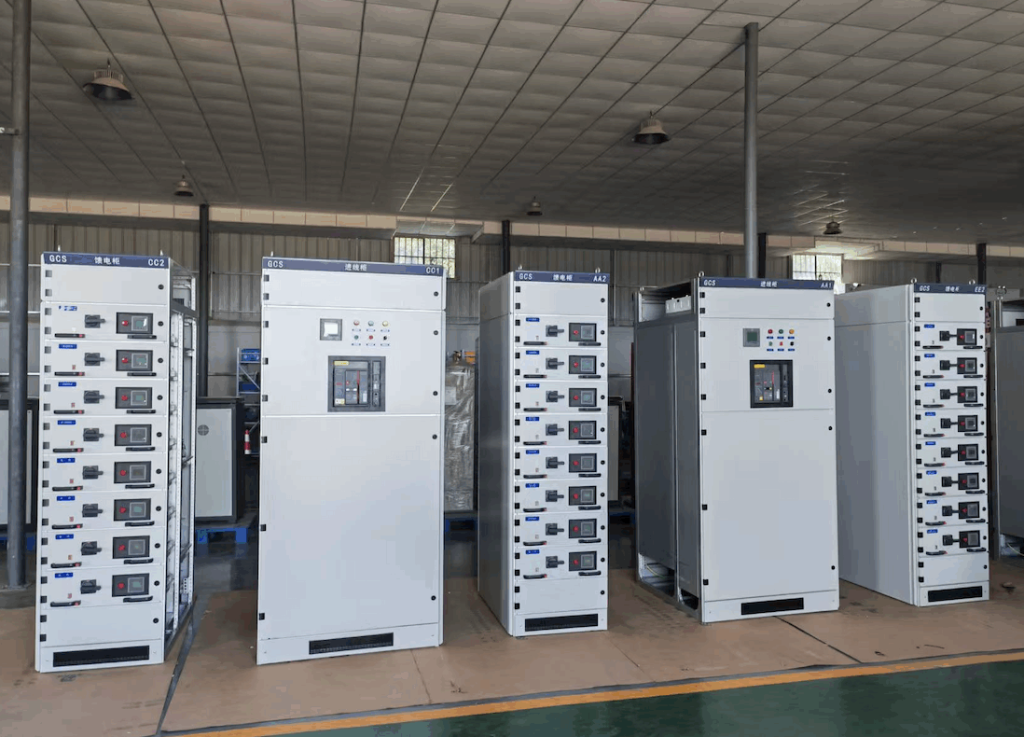
3. Main Types of Outdoor Distribution Boxes
3.1 Plastic Outdoor Distribution Box (ABS / PC)
Features:
- Lightweight
- Cost-effective
- Excellent insulation performance
- Suitable for light industrial and residential applications
Applications:
- Small control systems
- Residential or commercial outdoor power supply
3.2 Metal Outdoor Distribution Box (Cold-Rolled Steel / Stainless Steel)
Features:
- High mechanical strength
- Strong impact resistance
- High protection level (up to IP66/IP67)
- Highly customizable
Applications:
- Industrial equipment
- Municipal engineering
- Heavy-duty electrical systems
3.3 Explosion-Proof Outdoor Distribution Box
Features:
- Explosion-proof design
- High safety level
- Suitable for hazardous environments
Applications:
- Chemical plants
- Oil and gas facilities
- High-risk industrial areas
4. IP Rating Explained (IP65 / IP66 / IP67)
The IP rating is one of the most important technical indicators for outdoor distribution boxes.
IP Rating Definition:
- First digit: dust protection level (0–6)
- Second digit: water protection level (0–8)
Common Ratings:
- IP65: dust-tight + protection against low-pressure water jets (general outdoor use)
- IP66: protection against strong water jets (industrial environments)
- IP67: protection against temporary immersion in water (harsh environments)
Selection Guide:
- General outdoor use → IP65
- Industrial environments → IP66
- Extreme or high-moisture environments → IP67
5. Applications of Outdoor Distribution Boxes
5.1 Building Electrical Systems
Used for external power distribution in:
- Commercial buildings
- Residential communities
- Construction sites
5.2 Industrial Automation Systems
Used for equipment control and power distribution in industrial environments.
5.3 Municipal Lighting Systems
Widely used for:
- Street lighting control
- Landscape lighting
- Urban infrastructure systems
5.4 Solar and Renewable Energy Systems
Used for power collection, distribution, and protection in solar energy systems.
5.5 Communication Base Stations
Provides stable outdoor power supply for communication equipment.
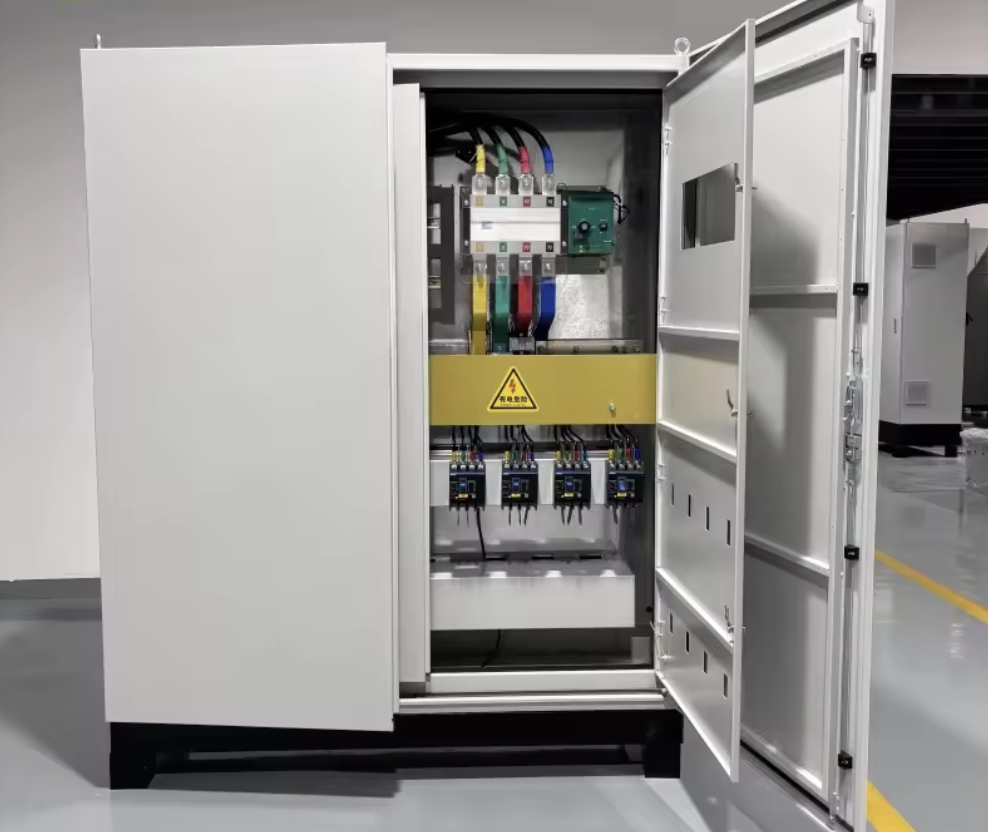
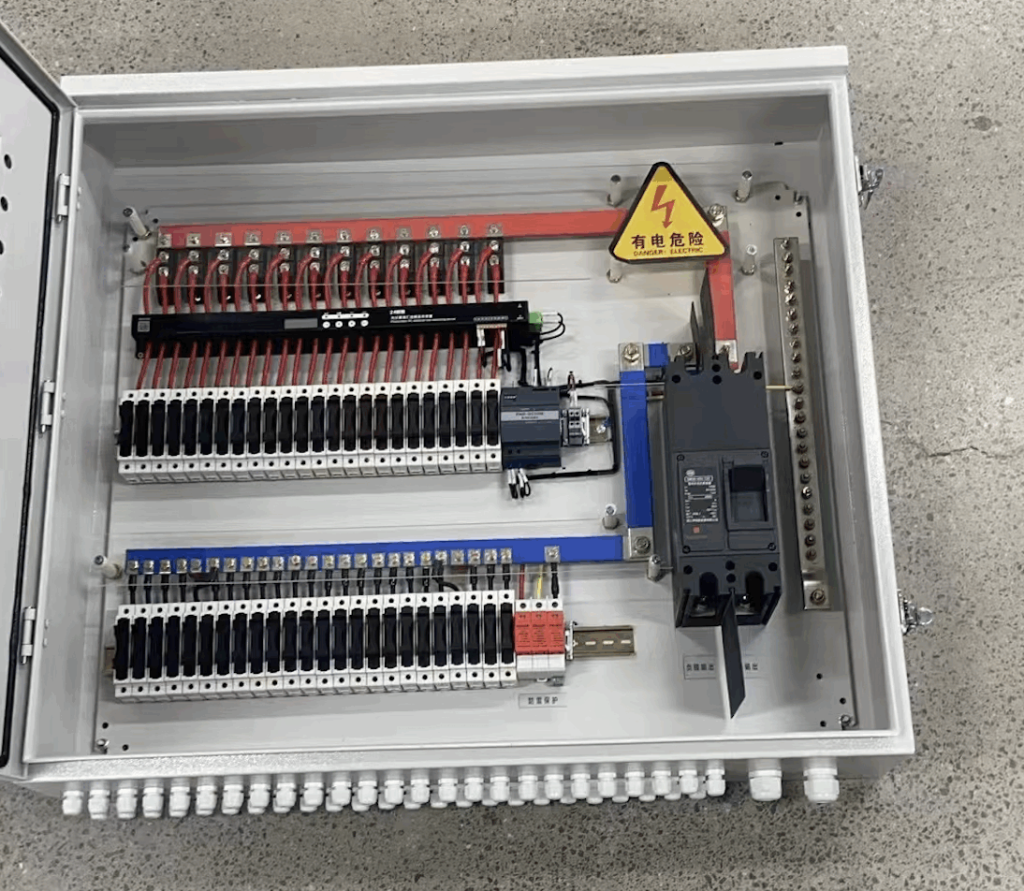
6. Structure of an Outdoor Distribution Box
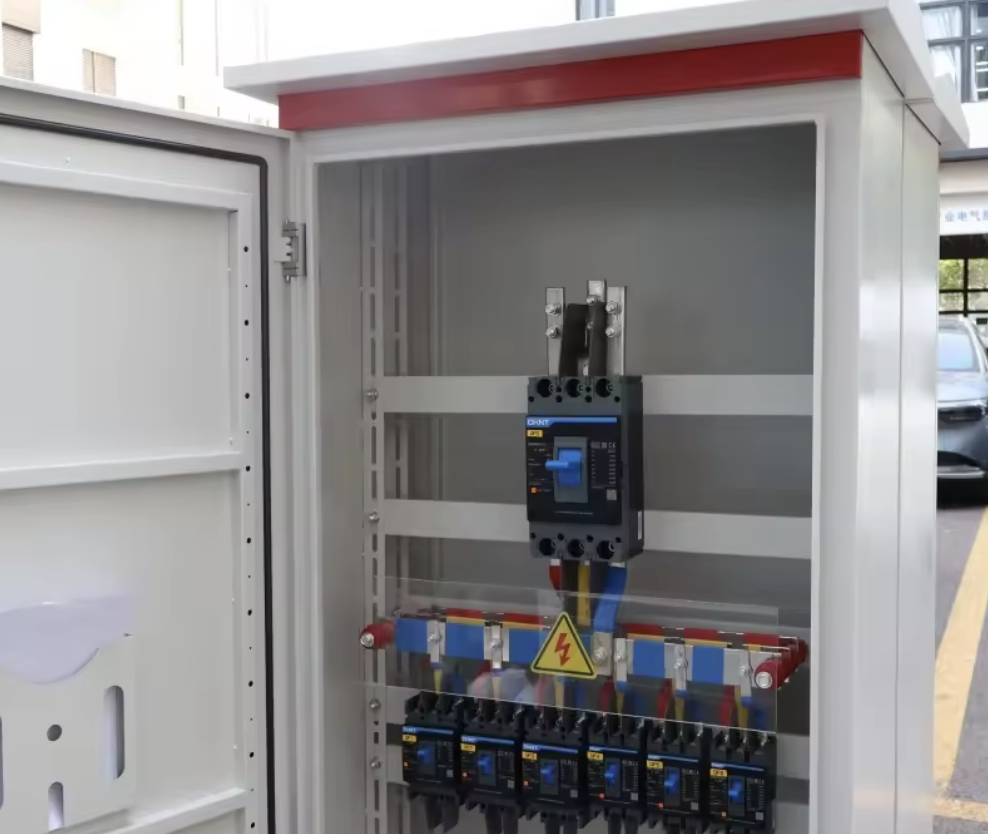
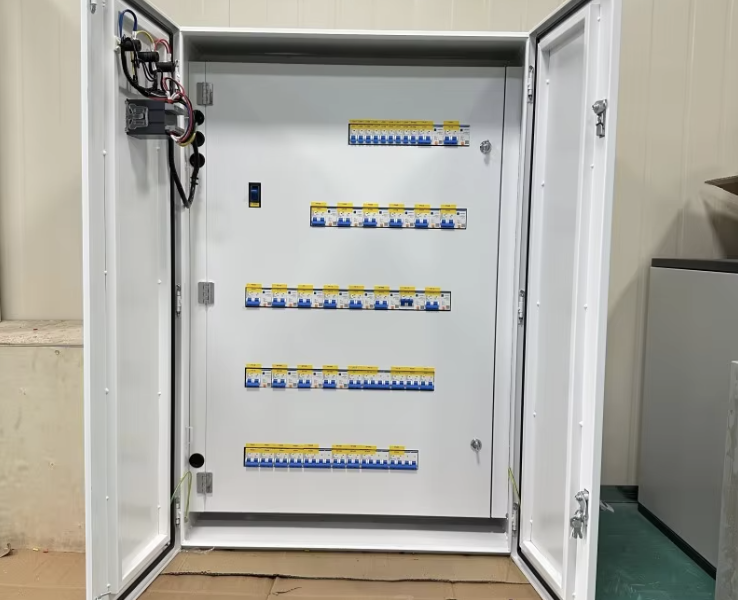
A standard outdoor distribution box typically includes:
- Enclosure housing
- Circuit breakers (MCB/MCCB)
- Terminal blocks
- DIN mounting rails
- Sealing gaskets
- Cable entry glands
- Heat dissipation design
- Grounding system
The enclosure and sealing system are the key factors determining the protection level.
7. How to Choose the Right Outdoor Distribution Box
7.1 Based on Environmental Conditions
- Dry outdoor areas → basic protection
- Rainy environments → high IP rating
- Industrial areas → metal enclosure recommended
7.2 Based on IP Rating
- IP65: standard outdoor applications
- IP66: industrial environments
- IP67: high-humidity or extreme environments
7.3 Based on Load Capacity
Consider:
- Total power demand
- Maximum current
- Number of branch circuits
7.4 Based on Material
- ABS/PC: lightweight applications
- Steel: high-strength applications
- Stainless steel: corrosion-resistant environments
7.5 Based on Installation Type
- Wall-mounted (most common)
- Floor-standing (large systems)
- Flush-mounted (custom engineering projects)
8. Installation Considerations
To ensure safe operation, the following should be considered:
- Ensure proper sealing of the enclosure
- Correct grounding connection
- Avoid direct sunlight exposure to prevent overheating
- Regular inspection of gasket aging
- Use waterproof cable glands for all cable entries
9. How to Choose a Reliable Supplier
When sourcing outdoor distribution boxes, consider the following:
- International certifications (CE / ISO compliance)
- Availability of IP test reports
- Engineering and project experience
- Customization capability
- Production capacity and delivery lead time
Frequently Asked Questions (FAQ)
Q1: Can outdoor distribution boxes be used long-term outdoors?
Yes, but IP65 or higher-rated products should be selected.
Q2: Which is better, IP65 or IP67?
IP67 offers higher protection, but selection should depend on environmental requirements and cost considerations.
Q3: What affects the price of an outdoor distribution box?
Main factors include:
- Material type
- IP protection rating
- Size and structure complexity
- Internal electrical configuration
- Customization requirements
Q4: Can it be customized?
Yes, most industrial-grade products support OEM/ODM customization.
Conclusion
The Outdoor Distribution Box is a critical component in outdoor electrical distribution and protection systems. When selecting a suitable product, key factors include:
- Operating environment
- IP protection rating
- Material and structure
- Electrical load capacity
- Installation requirements and certifications
Proper selection significantly improves system safety, reliability, and service life.
Technical References and Standards
- IEC 60529: Degrees of protection provided by enclosures (IP Code)
- IEC 61439: Low-voltage switchgear and controlgear assemblies
- IEEE Std 100: IEEE Standard Dictionary of Electrical and Electronics Terms
- GB/T 4208: Chinese national standard for IP rating
- UL 50 / UL 508A: Enclosure standards for industrial control equipment (North America)