1. What is an AC Distribution Box
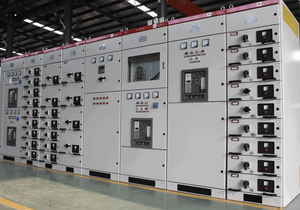
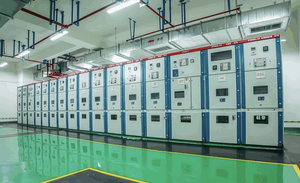
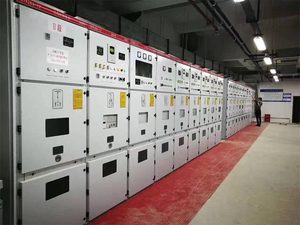
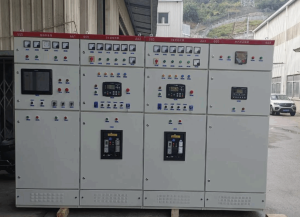
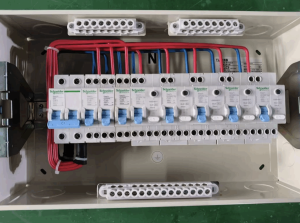
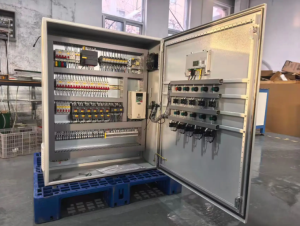
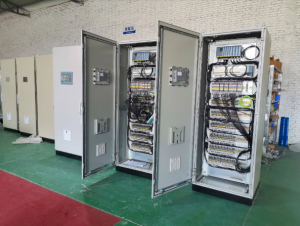
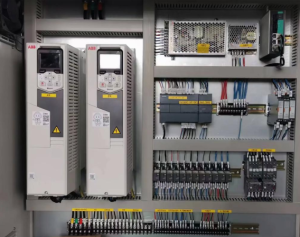
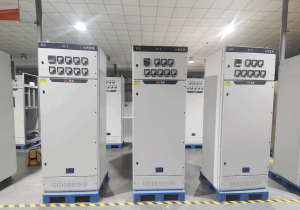
An AC distribution box is a power distribution and protection device. It generally accepts 380V AC power as the main incoming supply. Inside the enclosure are one or more main air circuit breakers, with multiple branch circuit breakers downstream. These branch breakers separately supply power to on-site equipment including base station power units, air conditioners, lighting fixtures and other loads.
Note: Do not connect multiple electrical devices to a single branch circuit breaker in the distribution box. A short circuit in one device will trip the breaker and cut power to all other connected equipment.
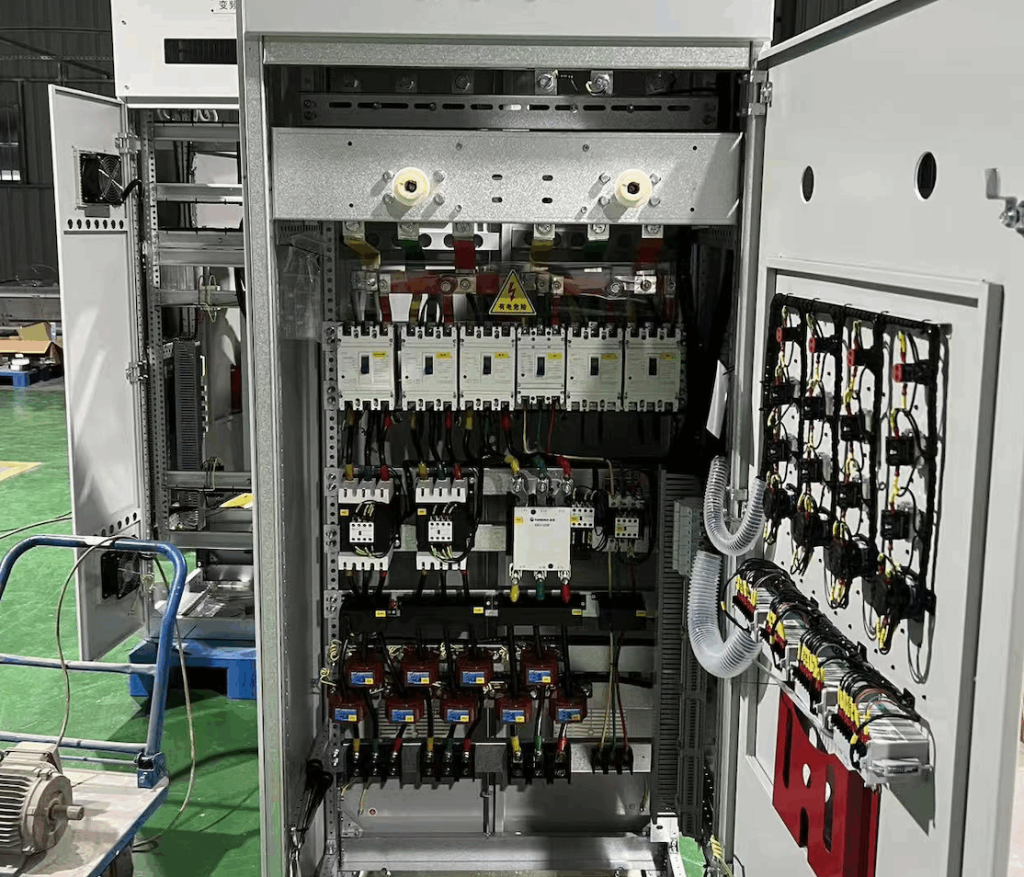
2. Functions of the AC Distribution Cabinet
2.1 Power Collection and Distribution
- Collection: In large-scale photovoltaic power plants, multiple inverters operate in parallel. The AC distribution cabinet collects AC power output from these inverters onto one or several main busbars to form a unified power output.
- Distribution: The collected power is routed to different outgoing circuits according to design requirements. One main circuit typically feeds a step-up transformer for grid connection, while another may supply the station service transformer to power on-site lighting, monitoring, operation and maintenance loads.
2.2 Electrical Protection
This is the cabinet’s most critical function, safeguarding equipment and grid safety.
- Overcurrent and short-circuit protection: Circuit breakers or fuses rapidly cut off current during overload or short-circuit faults to prevent damage to expensive inverters, cables and other hardware, and stop fault escalation.
- Lightning and surge protection: Equipped with surge protective devices (SPDs) to block lightning-induced transients and switching overvoltages from the grid side, protecting sensitive electronic equipment in the PV system.
- Insulation and earthing protection: Provides a standard earthing system and triggers protection in case of abnormal insulation conditions.
2.3 Circuit Switching and Control
- Manual / remote closing and tripping: Circuit breakers inside the cabinet allow operation and maintenance staff to energize or de-energize the whole PV system or individual circuits for equipment inspection and servicing.
- Grid connection / disconnection point: The outgoing circuit breaker of the AC distribution cabinet normally serves as the legal boundary point between the power station and the utility grid. Opening this breaker disconnects the station from the grid to guarantee absolute safety during maintenance.
- Interlock protection: Some designs implement electrical or mechanical interlocks with inverter output switches or other devices to prevent misoperation.
2.4 Monitoring and Metering
- Operating parameter monitoring: Smart meters installed in the cabinet measure and display real-time electrical data including total output voltage, current, frequency, active power, reactive power, power factor and energy generation.
- Data remote transmission: These metrics are transmitted to the power plant monitoring system via communication modules (e.g. RS485), forming core data for intelligent operation and remote management.
- Metering point: It may act as the metering point for electricity settlement with the grid company (or metering can be implemented on the high-voltage side of the transformer).
2.5 Standardization and Interfaces
It provides a standardized, neat and safe electrical interface for dispersed inverter outputs, optimizing power plant layout, simplifying wiring and testing, and facilitating future capacity expansion.
The AC distribution cabinet of a photovoltaic power station can be likened to an intelligent traffic hub:
- Toll station: Gathers all electricity generated by inverters.
- Traffic police and traffic lights: Uses circuit breakers and protective devices to control power flow and ensure safety.
- Monitoring station: Continuously records electrical “traffic data” such as voltage, current and power generation.
- Safety gate: The critical isolation point from the power grid to secure maintenance work.
3. Core Differences Between AC and DC Distribution Boxes
- Power type and operating voltage:AC distribution boxes work with mains alternating current, rated mainly at 220V and 380V, the standard power supply for residential and commercial buildings. Current changes direction periodically. DC distribution boxes handle direct current, commonly rated at 12V, 24V and 48V, with constant unidirectional current, primarily for energy storage and DC-side PV equipment.
- Application scenarios:AC distribution boxes serve end-user loads, including home lighting, HVAC systems, commercial appliances, general industrial equipment and AC-side distribution for grid-tied PV systems. DC distribution boxes are used for PV DC combiner applications, battery energy storage, low-voltage monitoring equipment and telecom power supplies.
- Internal components and compatible loads:Circuit breakers and fuses for AC and DC units adopt completely different arc-extinguishing designs. Components for AC distribution boxes are engineered for alternating electric arcs and cyclic AC loads. DC distribution box devices must suppress persistent DC arcs with stronger arc-quenching performance. Mixing AC and DC rated hardware may result in failure to trip, component burnout and short-circuit hazards.
4. Pricing Factors and Procurement Guide for AC Distribution Boxes
4.1 Key Pricing Factors
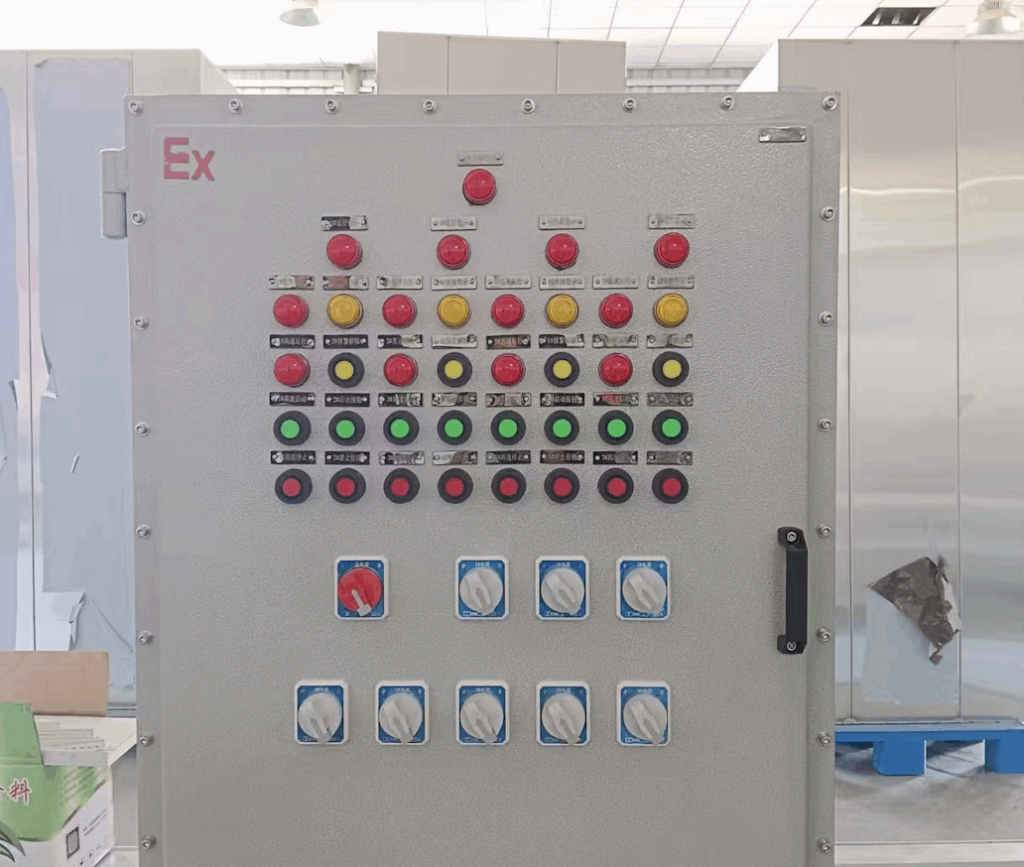
Enclosure material is a fundamental cost driver. ABS plastic enclosures are the lowest-cost option, while stainless steel waterproof enclosures carry higher prices. Higher IP ratings and complete certifications raise product costs; units rated IP67 with UL/CE certifications cost more than basic IP30 non-certified products. Prices also increase with higher current ratings, more branch circuits and custom sizing or configuration options.
4.2 Procurement Precautions
Select products from qualified manufacturers and verify complete electrical certifications. Avoid uncertified no-brand equipment. Match enclosure material, IP rating and current rating precisely to site requirements; do not over-specify or choose low-cost underrated units blindly. For bulk orders, confirm minimum order quantities and customisation support. Manufacturers can customise enclosure dimensions, branch counts and accessories to match project-specific requirements.
Frequently Asked Questions
Is an MCB mandatory for AC distribution boxes?
Yes, MCBs are essential core components. Without MCB protection, overload and short-circuit faults cannot trigger automatic power cut, which may cause cable burnout, fire risks and equipment damage. MCB installation is required by industry installation and electrical codes.
Can AC distribution boxes be installed outdoors?
Yes, but outdoor-rated models with adequate ingress protection must be selected. Standard indoor enclosures lack waterproof and dustproof performance and will suffer water ingress, dust accumulation and corrosion damage when used outdoors. Outdoor AC distribution boxes shall have an IP rating of IP65 or higher with sealed waterproof construction.
Are custom AC distribution boxes available?
Most mainstream manufacturers offer customisation. Enclosure dimensions, number of branch circuits, current ratings and protection grades can be tailored to project requirements. Special configurations for photovoltaic, industrial and HVAC applications are also supported to meet diverse engineering demands.
Conclusion
The AC distribution box is an indispensable core device in low-voltage AC power distribution systems. Featuring power distribution, safety protection and circuit control capabilities, it is widely deployed across residential, commercial, industrial and new energy sectors.