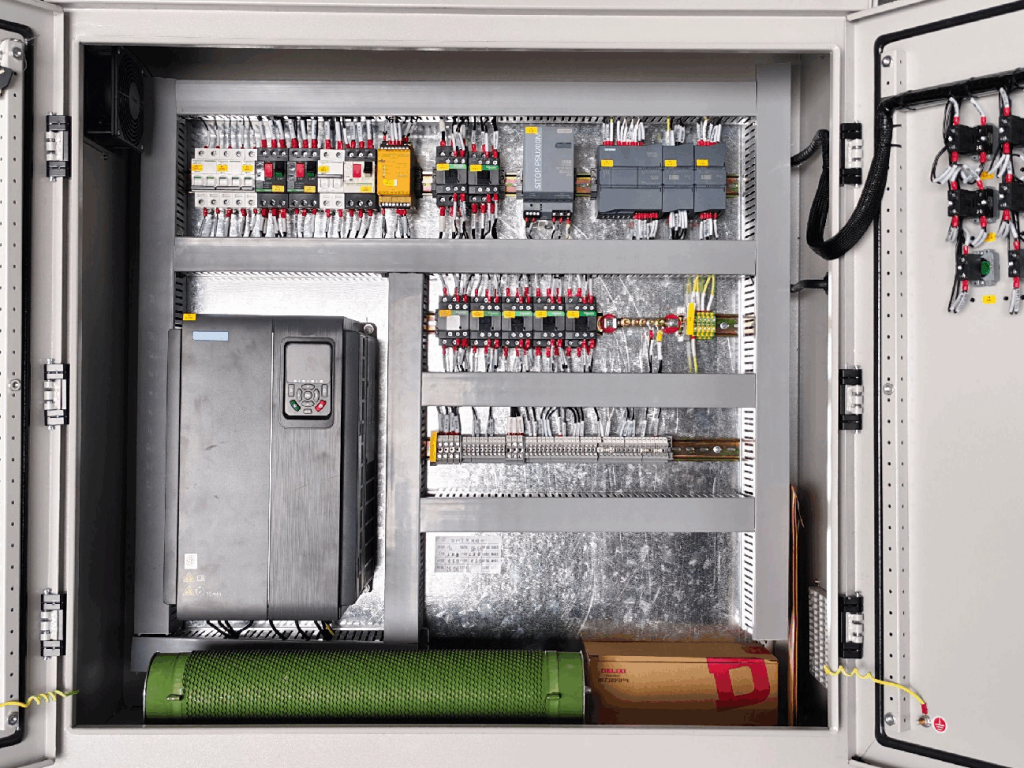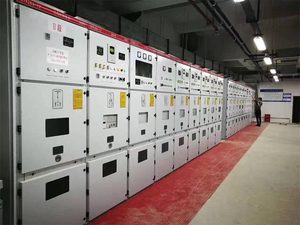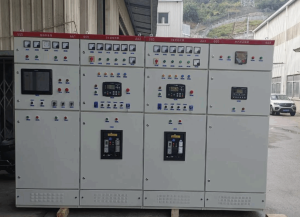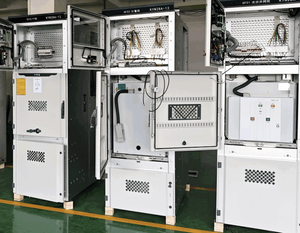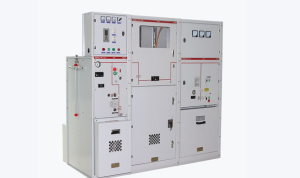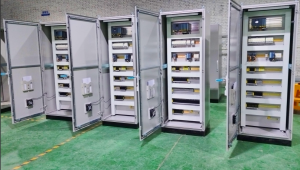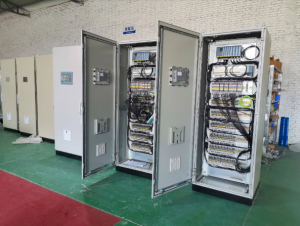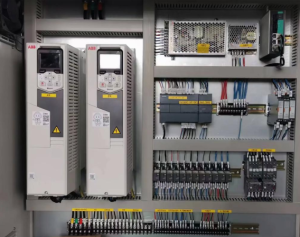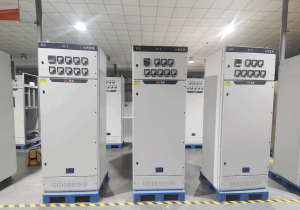
Coal Mine Explosion Proof Variable Frequency Control Cabinet

Submersible Pump Control Box: Functions, Working Principles, 2-Wire vs 3-Wire Differences & Selection Guide

A submersible pump control box serves as the core electrical accessory for submersible pump water supply systems, widely used in residential deep well water intake, farmland irrigation, industrial water supply and municipal sewage drainage. This article comprehensively covers its core functions, working principles, compatibility differences between 2-wire and 3-wire pumps, standard wiring practices, practical selection criteria and troubleshooting solutions for common malfunctions.

submersible pump control box

A submersible pump control box is a ground-mounted dedicated electrical control device engineered to match single-phase and three-phase submersible pumps. It replaces basic switches to manage pump start-stop, current stabilization and safety protection. For deep-well submersible pumps and units powered via long-distance cables, the control box is an essential component to stabilize operation and extend pump service life.

Premium submersible pump control boxes go beyond simple on-off switching and integrate multi-layer protections to safeguard pump motors:

  • Regulated Startup Control: Reduces inrush current during pump startup to prevent failed ignition and motor vibration caused by instantaneous voltage drop, delivering smooth startup for pumps rated at 1HP and above.
  • Comprehensive Safety Protection: Built-in safeguards against overload, short circuit, undervoltage, phase loss, overheating and dry-run. The unit automatically cuts off power upon abnormal operation such as overloading or dry running to avert motor burnout and circuit fire hazards.
  • Continuous Operation Monitoring: Tracks real-time pump status to avoid frequent cycling and idling, ensuring stable water supply for round-the-clock industrial and agricultural applications.
  • Convenient Maintenance & Management: All control and protective components are enclosed inside the cabinet. On-site inspection, parameter adjustment and fault diagnosis can be completed at ground level without lifting submerged pumps out of wells, drastically cutting maintenance expenses.

External control boxes are not mandatory for all submersible pumps. They are principally required for high-power deep-well pumps ≥1HP, long-distance cable-fed pumping systems, three-phase industrial submersible pumps and equipment running nonstop for water supply or sewage discharge. Small residential 2-wire submersible pumps normally operate without an external control box.

submersible pump control box

Confusion between 2-wire and 3-wire setups is one of the most prevalent selection mistakes among buyers. Their discrepancies lie in internal startup construction, control logic, maintenance difficulty and applicable conditions, directly determining whether an external control box is necessary.

All core startup parts including start capacitors and startup relays are pre-installed inside the pump motor body. Only two power cables extend from the pump, which can be directly wired to household switches or circuit breakers with no auxiliary control box required.

This design features simple assembly and low upfront cost, suited exclusively for low-power domestic deep-well pumps and small-scale water extraction equipment. Its primary drawback is inconvenient maintenance: pump lifting is compulsory to access internal components once faults emerge, and no extra external protective functions are available.

No built-in startup components are fitted inside 3-wire pump motors; startup and steady running rely on external start capacitors, run capacitors and thermal overload relays housed within a dedicated control box, making the control cabinet a standard matching part for high-power pumps.

Three distinct lead wires (common wire, start wire, run wire) extend from the pump to connect with the control box for precise regulation and multi-protection. Repair and component replacement can be performed above ground easily, with full operational safeguards, ideal for high-capacity pumping in industrial, agricultural and commercial projects.

No control box needed: pumps with two outgoing cables, rated power ≤1HP for domestic small water intake.

Mandatory control box matching: pumps with three outgoing cables, rated power ≥1HP for deep-well long-distance water delivery or uninterrupted industrial operation.

submersible pump control box

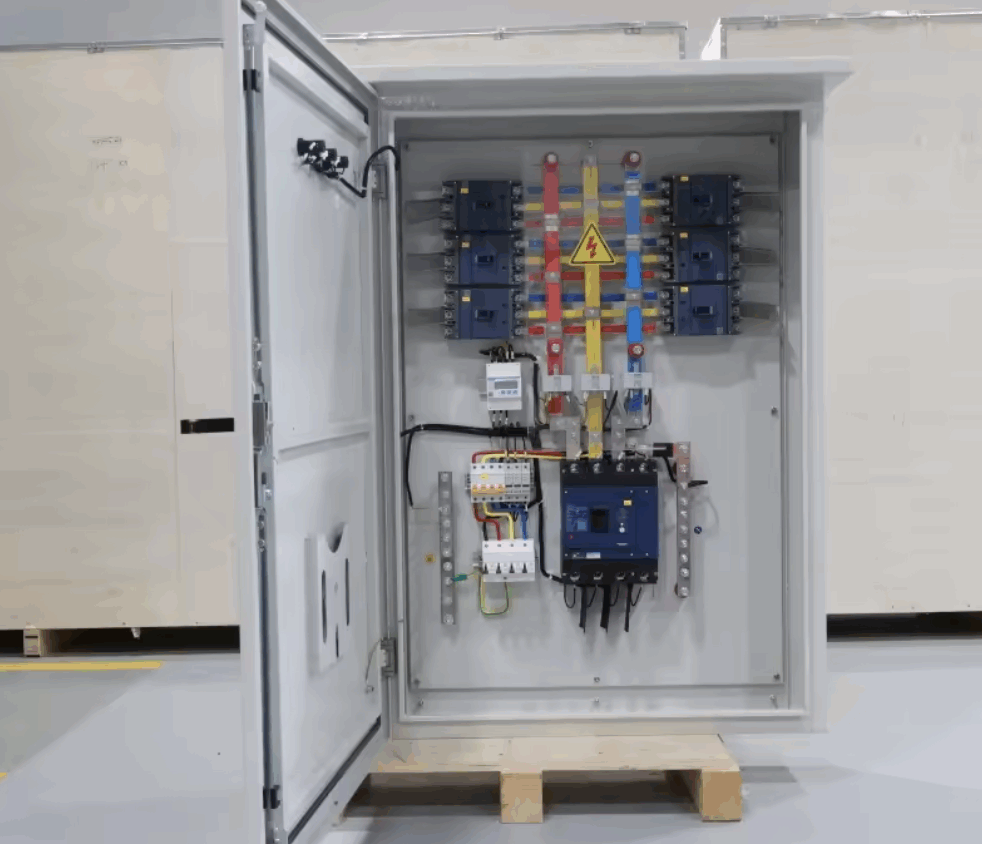
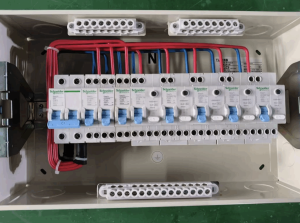
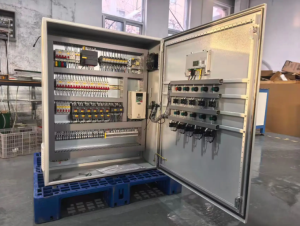
Standard control boxes feature neatly arranged functional parts forming an integrated control and protection system:

  • Start & Run Capacitors: Supply starting torque and stabilize operating current to facilitate regular motor startup and rotation.
  • Thermal Overload Relay: Monitors real-time operating current and trips automatically under overload or overheating to shield the motor from damage.
  • AC Contactor: Governs power switching for reliable pump start-stop cycles under frequent operational conditions.
  • Control Transformer & Terminal Blocks: Stabilize input voltage and organize wiring to secure circuit safety.
  • Circuit Breaker & Earthing Assembly: Deliver short-circuit prevention and leakage protection complying with standard electrical safety codes.

After power switch-on, the control transformer stabilizes input voltage; start capacitors output rated startup current to activate the submersible pump motor. During runtime, thermal relays and sensing modules continuously track current and temperature readings. Once anomalies including overload, phase loss, dry running or abnormal voltage arise, the protection circuit cuts power instantly. A self-locking circuit maintains consistent pump rotation to eliminate unwanted frequent startup and shutdown, enabling fully automatic and secure pumping management.

submersible pump control box

Improper matching between pumps and control cabinets leads to disabled protection, repetitive tripping and premature equipment failure. Below is application-oriented selection criteria covering residential, commercial and industrial usage:

Always select a control box corresponding exactly to the pump’s rated horsepower. Common standard specifications cover 1HP, 2HP, 3HP and 4kW. Never deploy undersized control boxes on high-power pumps to avoid persistent overload failure; add proper power margin for heavy-duty industrial units to enhance operational stability.

Single-phase 220V control boxes fit ordinary household deep-well pumps; three-phase 380V variants equipped with phase-loss and phase-sequence protection are specified for factories and large farm irrigation systems requiring long-hour continuous service.

Outdoor-mounted cabinets require high IP rating for superior waterproof, dustproof and anti-aging performance. Prioritize models with all-in-one protection against overload, dry run, overheating and undervoltage, and confirm the unit’s voltage tolerance matches local grid fluctuation range to avoid breakdowns caused by unstable power supply.

Economical basic versions satisfy regular domestic water demands with simplified internal structure; intelligent industrial cabinets integrate automatic liquid-level control, fault indication and remote monitoring functions for automated bulk water supply systems, allowing buyers to choose according to practical working requirements.

submersible pump control box

Control box malfunction is indicated by the following symptoms: no pump response after power-on, difficult startup accompanied by abnormal vibration and insufficient water pressure, repeated circuit tripping after reset, flickering indicator lights or bulging overheated capacitors inside the cabinet.

  • Frequent Tripping: Triggered by overload current, shorted wiring, degraded capacitors or pump dry-running. Inspect first for dry-run condition and damaged cables, test capacitor capacitance and replace defective parts before recommissioning.
  • Pump Fails to Start: Verify incoming power supply status, reset tripped thermal overload relays, check loose terminals or burnt capacitors and troubleshoot circuit and component faults sequentially.
  • Weak Startup & Low Water Pressure: Caused mostly by deteriorated run capacitors, low input voltage or reversed phase sequence. Replace matched capacitors, correct wiring sequence and stabilize grid voltage to resolve the issue.
  • Overheated Cabinet with Unusual Noise: Stemming from aged contactors, loose wiring or sustained overload operation. Swap out worn components, fasten loose terminals and prohibit overloaded operation.

Tighten terminal connections periodically and clear internal dust to keep cabinets dry and ventilated. Cut off main power and drain residual pump water for long-term idle equipment to prevent component damp deterioration. Test capacitor and relay performance quarterly and replace aging spare parts timely to extend service lifespan of both control box and pump.

submersible pump control box

Do all submersible pumps need a matched control box?

No. Small 2-wire residential pumps need no external control box, while 3-wire pumps above 1HP used for deep wells and industrial water projects must be fitted with designated control cabinets.

What causes repeated tripping of pump control boxes?

Six leading triggers include pump dry-running, short-circuited/leaky wiring, faulty capacitors, motor overload, unstable grid voltage and incorrect phase sequence. Follow the listed order to locate faults efficiently.

What is the average service life of a submersible pump control box?

With regular maintenance, domestic units last 3 to 5 years, whereas industrial round-the-clock units serve 2 to 3 years on average. Capacitors and contactors are consumable parts which can be replaced separately instead of full cabinet replacement.

Are overload and dry-run protection functions necessary?

Absolutely necessary. Dry running and overload are top causes of submersible motor burnout; dual protection drastically cuts equipment damage risks and subsequent maintenance costs.

Is it possible to replace a control box without lifting the submersible pump out of the well?

Yes. As ground-mounted external equipment, all internal parts of control boxes can be inspected and replaced above ground without pulling out submerged pumps, saving considerable maintenance cost and labor.

The submersible pump control box is an indispensable matching component for high-power 3-wire pumps, delivering core values of smooth startup regulation, multi-layer safety protection and ground-level easy maintenance. Purchasers should first distinguish between 2-wire and 3-wire matching rules, then select control boxes based on pump horsepower, application environment and power supply phase, and follow standardized wiring specifications during installation. Regular routine inspection helps reduce breakdown frequency and maintenance expenditure, securing long-term stable operation of the whole water supply system.

  • GB 50054-2011 Code for Design of Low-Voltage Electrical Installations: Specifies industry standards for electrical wiring, earthing protection and distribution equipment installation.
  • GB/T 24674-2009 General Technical Specifications for Submersible Pumps: Defines matching criteria and operational requirements for electric control accessories of submersible pumps.
  • Industrial Pump Electric Control Operation & Maintenance Manual: Contains industrial standards for control box troubleshooting, periodic maintenance and component replacement.

Product Category

Side Contact Form
Side Contact Form