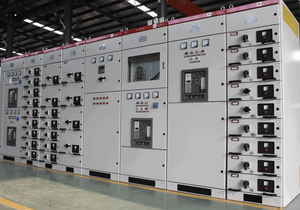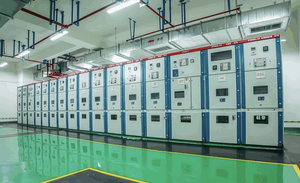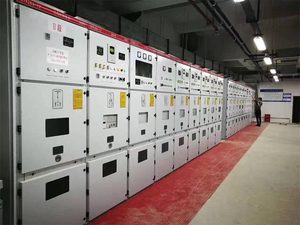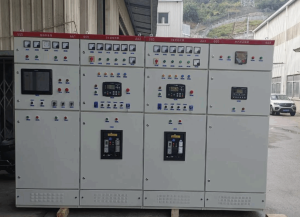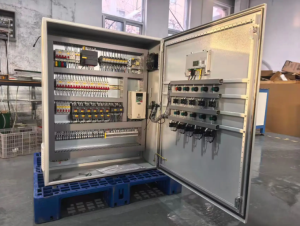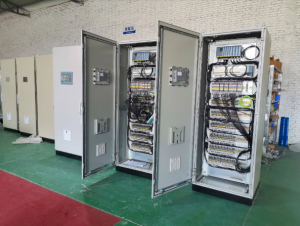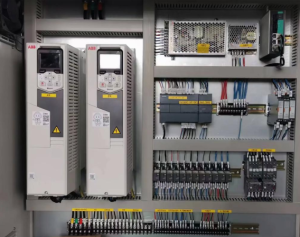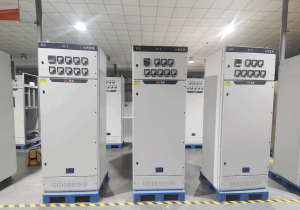
Compared with switchgear of lower current ratings, 2000A switchgear features high current-carrying capacity, superior short-circuit withstand performance and modular construction. Widely adaptable, it serves as the standard power distribution equipment for heavy-load applications including large industrial plants, substations, commercial complexes and new energy power stations.
What Is 2000 Amp Switchgear?
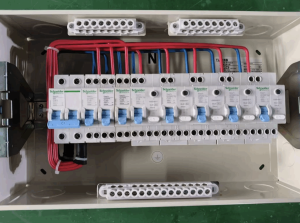
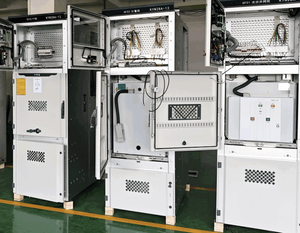
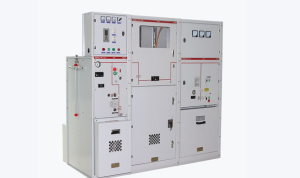
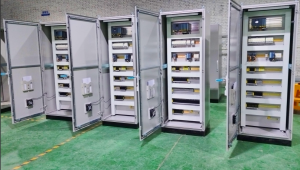
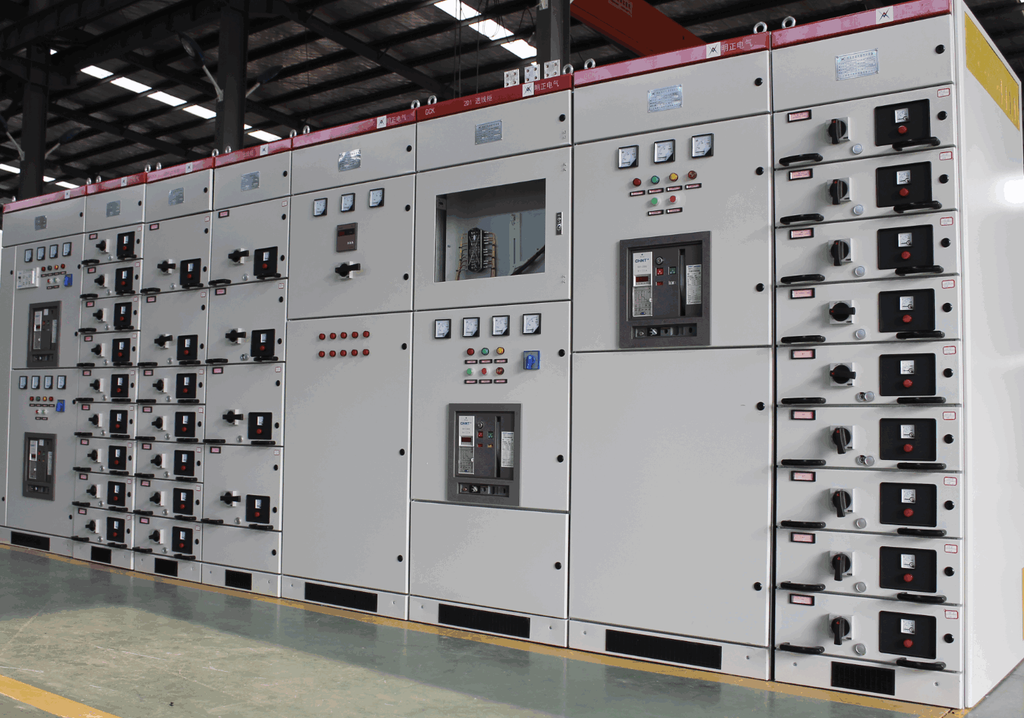
2000A switchgear is a complete set of power distribution switchgear rated for 2000 amperes. It functions as core electrical equipment for high-power commercial and industrial power distribution, power infrastructure, new energy projects and data centers.
2000 Amp Switchgear Price Factors
There is no fixed quotation for 2000A switchgear. Its price is affected by multiple key factors. Project budgets can be optimized by adjusting configurations to maximize cost-effectiveness.
- Voltage and configuration grade: Medium and high-voltage units cost significantly more than low-voltage alternatives due to stricter insulation, protection and safety standards. Premium models equipped with ATS automatic transfer, intelligent monitoring and remote control functions also carry higher price tags compared with basic versions.
- Certifications and material standards: Full international certifications such as UL and ANSI raise equipment costs. Units built with solid copper busbars, thickened corrosion-resistant enclosures and flame-retardant insulating materials deliver better quality at a higher price.
- Custom requirements: Non-standard dimensions, special enclosure ratings, harmonic mitigation and custom multi-circuit layouts increase design and manufacturing expenses.
- Brand and services: Products from leading brands offer mature workmanship, reliable performance and comprehensive after-sales support at a higher price than generic manufacturers. Total project cost is also impacted by delivery lead time, on-site commissioning and value-added services including long-term maintenance.
Core Technical Specifications
| Parameter | Typical Configuration |
|---|---|
| Rated Current | 2000A |
| System Voltage | 208V, 480V, 600V, etc. |
| Phase | 3 Phase |
| Wiring | 3-Wire / 4-Wire |
| Frequency | 50Hz / 60Hz |
| Main Bus | Copper / Aluminum |
| Main Breaker | ACB / Power Circuit Breaker, etc. |
| Feeder Breakers | Configured per project |
| Enclosure | NEMA 1 / NEMA 3R, etc. |
| Metering | Optional |
| Ground Fault Protection | Optional / Designed to requirements |
| Arc Flash Protection | Specified by project requirements |
| Short-Circuit Rating | Determined by system fault current |
| Installation | Indoor / Outdoor |
| Certification | UL / ANSI / IEEE, etc. |
Main Applications of 2000 Amp Switchgear
1. Data Centers
2000A switchgear is a critical piece of equipment for data center power distribution. Data centers commonly have:
- High power density
- 24/7 continuous operation
- High reliability requirements
- Multi-level power distribution systems
- UPS systems
- Generators
- HVAC systems
- Critical loads
Comprehensive evaluation of reliability, protection, maintainability and expandability is mandatory for main power distribution equipment.
2. Manufacturing Plants
Large manufacturing facilities host substantial amounts of:
- Motors
- Pumps
- Compressors
- HVAC equipment
- Production machinery
- Motor control centers (MCCs)
- Transformers
These create large concentrated loads. 2000A power distribution equipment can be deployed as part of main distribution systems or large feeder circuits.
3. Commercial Buildings
Large commercial premises include:
- Office towers
- Shopping malls
- Hotels
- Convention centers
- Large retail complexes
2000A switchgear serves main power distribution systems or key distribution nodes within these buildings.
4. Hospitals
Hospitals demand highly reliable power supply. Power distribution design must focus on:
- Emergency power supplies
- Generators
- ATS
- Critical loads
- Selective coordination
- Maintainability
2000A switchgear may be integrated into large low-voltage power distribution systems for hospitals.
5. Industrial Facilities
Power loads in industrial plants are highly specialized. Examples include:
- Steel plants
- Chemical plants
- Food processing facilities
- Automotive factories
- Mining operations
Equipment selection must account for motor loads, transformer capacity, starting current and fault current.
2000A vs 1600A/2500A Switchgear: How to Choose
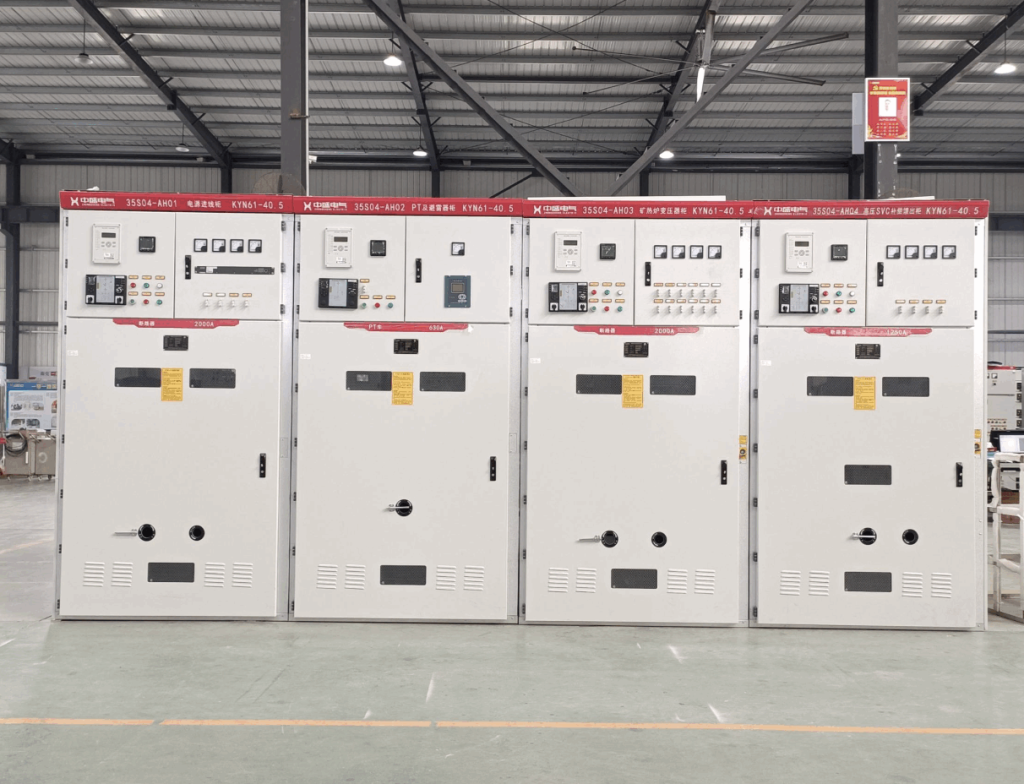
1600A, 2000A and 2500A are the three mainstream high-current switchgear ratings for engineering projects. Selection must be based on project load, future expansion plans and budget. Improper sizing can lead to overload if undersized, or unnecessary capital expenditure if oversized.
- 1600A Switchgear:Suitable for small-to-medium factories, compact commercial buildings and ordinary distribution stations. It meets standard heavy-duty power demands with lower procurement and maintenance costs. Recommended for projects with stable power loads and no scheduled future expansion. Its short-circuit withstand capability is relatively basic, making it unsuitable for high-fluctuation and high-risk power distribution scenarios.
- 2000A Switchgear:The most versatile primary rating. It fits most large commercial, industrial, new energy and small-to-medium substation projects. It delivers an optimal balance of current-carrying capacity, safety performance and cost. Minor future load expansion is supported. Combining reliability and cost-effectiveness, it is the most widely adopted high-current switchgear rating in field engineering.
- 2500A Switchgear:Designed for ultra-large industrial sites, hyperscale data centers and hub substations with extremely high loads. It provides greater current margin and enhanced short-circuit withstand performance, supporting large-scale equipment expansion. However, it comes with higher equipment costs, larger footprint requirements and increased maintenance expenses. It is reserved for large projects with ultra-high loads and continuous full-load operation.
2000 Amp Switchgear Selection Guide
Four core criteria should be prioritized during selection: First, match the voltage rating to the project’s power distribution system and distinguish between low-voltage and medium/high-voltage operating conditions. Second, verify that the short-circuit withstand current complies with local grid standards to mitigate fault risks. Third, select indoor NEMA 1 or outdoor NEMA 3R enclosures according to the installation environment. Fourth, confirm full UL and ANSI compliance certifications to ensure smooth project acceptance. Prefer original-brand modular enclosures to simplify maintenance and spare parts replacement in later stages.
FAQ
1、What rated voltages does 2000A switchgear support?
Low-voltage models suit 400V–690V three-phase distribution systems, while medium and high-voltage units cover the 3.6kV–12kV range. Ratings can be selected flexibly based on project grid configurations. Low-voltage 400V variants dominate mainstream commercial and industrial projects, while 12kV high-voltage units are commonly used in power infrastructure projects.
2、How much cabinet space is required for 2000A switchgear installation?
Standard modular cabinets fit conventional power distribution rooms and do not require oversized installation space for indoor units. Outdoor installations need extra clearance for heat dissipation, maintenance and waterproof protection. Custom cabinets can be manufactured for non-standard sites with space constraints.
3、Can 2000A switchgear be installed outdoors?
Yes. Outdoor deployment requires NEMA 3R rated enclosures engineered for rain, snow, corrosion and extreme temperature resistance. These are suitable for open-air sites such as PV booster stations and outdoor substations. Standard NEMA 1 indoor enclosures must never be installed outdoors.
Summary
As core equipment for high-power power distribution systems, 2000A switchgear offers balanced current-carrying capacity, safety performance and broad compatibility. It addresses power distribution needs across industrial, commercial, new energy and power infrastructure as well as data center applications. When selecting equipment, match the unit type and configuration precisely to project voltage rating, load size, installation environment and compliance requirements, while balancing upfront procurement costs with long-term operational stability.