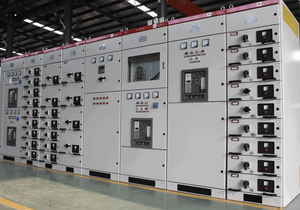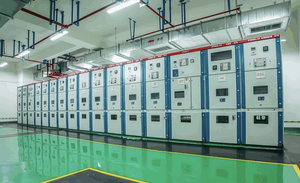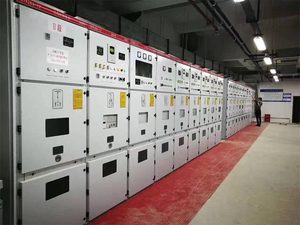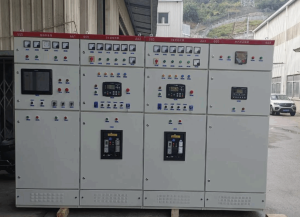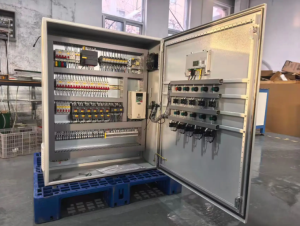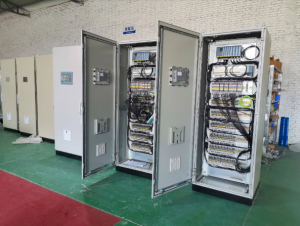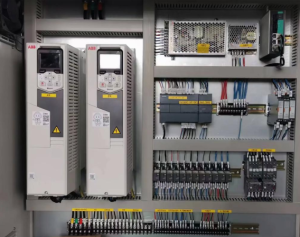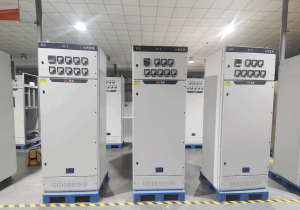
In industrial power distribution, substations, commercial buildings and new energy power systems, Switchgear Cabinet is the core assembled electrical equipment that ensures power transmission, distribution and safety protection. Serving as the “central control unit” of a power system, Switchgear Cabinet performs critical functions including power switching, circuit protection and electrical isolation. The stability, compliance and adaptability of the equipment directly determine the operational safety and service life of the entire power distribution system.
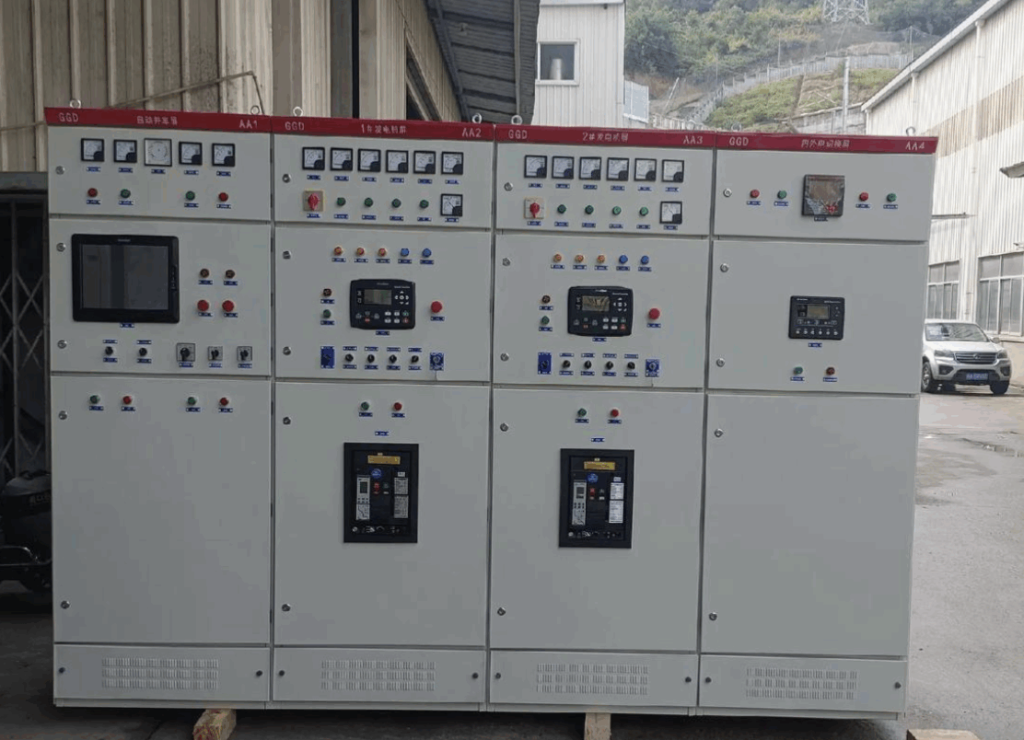
1. Definition of Switchgear Cabinet
1.1 Core Definition
Switchgear Cabinet refers to a metal-enclosed assembled power distribution device integrating switching components, protection devices, metering equipment and control elements. It is mainly used for power distribution, circuit switching, fault protection and electrical isolation in power systems, widely applied in AC and DC power distribution scenarios, and constitutes an indispensable core component in high and low voltage power distribution systems. Different from ordinary distribution cabinets and electrical panels, Switchgear Cabinet features superior short-circuit withstand capacity, insulation performance and system integration, capable of adapting to heavy-duty industrial conditions, medium-voltage transmission in substations and other complex working environments.
1.2 Five Core Functions
The functions of Switchgear Cabinet cover the whole operation workflow of power systems, balancing practicality and safety. Its five core functions also serve as key evaluation criteria for equipment selection in power projects:
- Power Switching Control: Through circuit breakers, disconnectors and other components, it completes closing and opening operations of circuits under normal working conditions to realize orderly transmission and cut-off of electric power.
- Fault Safety Protection: Supported by protective components such as relays and instrument transformers, it rapidly trips to cut off power when faults including short circuit, overload, electric leakage and overvoltage occur in circuits, preventing safety accidents such as equipment burnout, fire and electric shock.
- Electrical Safety Isolation: During equipment maintenance and line overhaul, isolation devices physically separate live parts from operation areas, completely eliminating risks of live-line work and protecting the safety of operation and maintenance personnel.
- Power Metering and Monitoring: Integrated with electric meters, monitoring instruments and sensing devices, it records power consumption in real time and monitors operating parameters such as voltage, current and temperature to achieve refined management of power distribution systems.
- System Voltage Stabilization Protection: Adaptable to grid fluctuation conditions, it suppresses impacts from transient overvoltage and lightning surge voltage on downstream equipment to guarantee stable operation of power distribution systems.
2. Constituent Components of Switchgear Cabinet
Stable operation of Switchgear Cabinet relies on coordinated work of all core components. Each internal component inside the cabinet has clear functions, which are also key targets for equipment maintenance and troubleshooting.
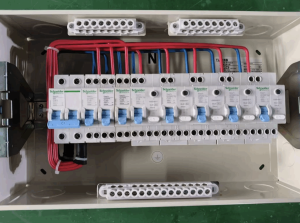
- Busbar System: Consists of main busbars and branch busbars, serving as the core carrier for power transmission. It distributes incoming electric power to each branch circuit and requires excellent electrical conductivity and temperature rise resistance.
- Circuit Breaker: The core switching and protection component. It supports normal closing and opening, and instant tripping upon faults. It is categorized into vacuum circuit breakers, moulded case circuit breakers, miniature circuit breakers, etc., matching different voltage levels and load ratings.
- Protection Relay: The “intelligent core” of power distribution systems. It collects real-time circuit operating data, accurately identifies fault signals of short circuit, overload, electric leakage and so on, and triggers protective actions of circuit breakers.
- Instrument Transformers: Including current transformers and voltage transformers. They convert high-voltage and large-current signals to provide accurate data support for metering, monitoring and protection devices.
- Earthing Switch: Realizes cabinet earthing during equipment maintenance to release residual voltage and eliminate electric shock hazards. It is a core protective component for operation and maintenance safety.
- Monitoring & Communication Module: New intelligent Switchgear Cabinet is equipped with temperature sensors, power monitoring units and communication modules supporting IEC 61850, Modbus TCP, enabling remote monitoring, data uploading and intelligent management.
- Cabinet Enclosure & Insulation Components: Provide physical protection and electrical insulation for equipment. Mainstream cabinets reach IP4X or above protection class, effectively preventing dust, foreign objects and hidden short-circuit risks.
3. Main Classifications of Switchgear Cabinet
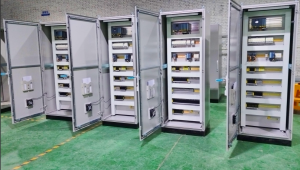
- Low-Voltage Switchgear Cabinet: Suitable for AC systems ≤1000V and DC systems ≤1500V. Main models include GCS, MNS, GGD. Featuring compact structure and convenient maintenance, it is widely adopted in industrial workshops, commercial buildings, municipal projects, small distribution rooms and other low-voltage power distribution scenarios, complying with the IEC 61439 series general standards.
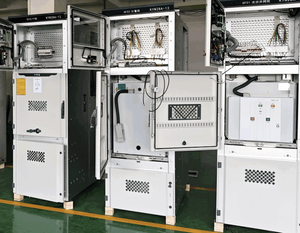
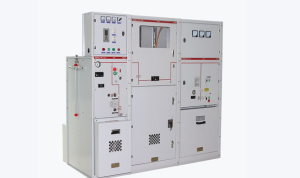
- Medium-Voltage Switchgear Cabinet: Applied to 3kV–35kV medium-voltage power distribution systems. Common types include XGN15 and KYN28A, with outstanding insulation and arc-proof performance. It is mostly deployed in park main step-down substations, factory medium-voltage incoming lines, distributed PV booster stations and similar scenarios.
- High-Voltage Switchgear Cabinet: Designed for high-voltage transmission systems above 35kV, with higher insulation grade and short-circuit withstand strength. It is mainly used in large substations, thermal power plants, wind farms, centralized PV power stations and other core high-voltage transmission sites, strictly complying with GB 3906 and DL/T 404 industrial specifications.
4. Specifications and Parameters of Switchgear Cabinet
- Rated Voltage: 400V/690V for low-voltage systems; 10kV/35kV for medium-voltage systems; above 35kV for high-voltage systems.
- Rated Current: Mainstream ratings range from 100A to 4000A, with customized capacity expansion available according to load requirements.
- Short-Time Withstand Current: Reflects the equipment’s short-circuit resistance, a core acceptance parameter for industrial projects.
- Protection Class: IP4X for conventional industrial scenarios; IP54/IP65 can be upgraded for outdoor, humid and dusty environments.
- Operating Environment: Adaptable temperature range: -20℃ ~ +40℃; relative humidity ≤95%. Anti-corrosion, explosion-proof or high-temperature resistant modifications can be implemented for special working conditions.
Frequently Asked Questions (FAQ)
Q1: What is the core function of Switchgear Cabinet?
A1: Switchgear Cabinet is a core assembled device for power distribution systems. It is mainly used for power distribution, circuit switching, fault protection, electrical isolation and energy consumption monitoring to fully guarantee safe, stable and orderly operation of power systems.
Q2: What is the difference between Switchgear Cabinet and ordinary distribution cabinets?
A2: Switchgear Cabinet delivers higher insulation performance, short-circuit withstand capacity and protection grade together with stronger integration and intelligence, suited for complex heavy-duty working conditions such as industrial facilities and substations. Ordinary distribution cabinets are only applicable to civil and small-scale low-voltage power distribution scenarios with weaker protection and safety performance.
Q3: What international standards shall Switchgear Cabinet comply with?
A3: Key universal standards include IEC 61439 for low-voltage assembled equipment, IEC 62477 for power equipment safety, ANSI/IEEE North American electrical standards. Projects in China adopt the latest industry standards GB/T 7251 and GB 3906.
References
- IEC 61439-1:2021 Low-voltage switchgear and controlgear assemblies – Part 1: General rules
- IEC 61439-2:2021 Low-voltage switchgear and controlgear assemblies – Part 2: Power switchgear and controlgear assemblies
- IEC 62477-2:2018 Safety requirements for power electronic converter systems and equipment