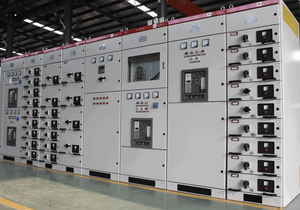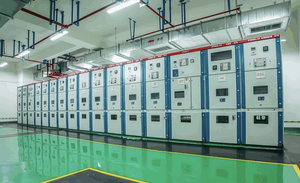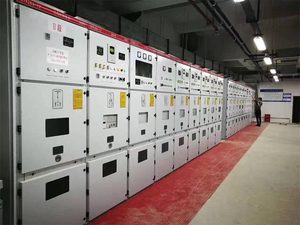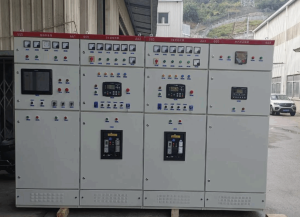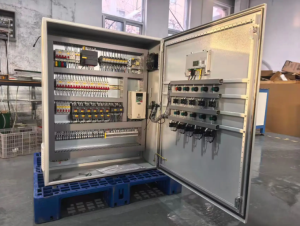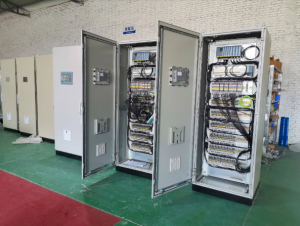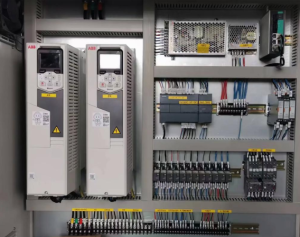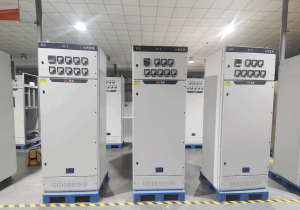
Switchgear and switchboard are two core power distribution equipment types widely used in electrical systems. Despite similar names and overlapping functions, they are frequently confused by electrical engineers, M&E contractors and equipment purchasers. The distinction between switchgear and switchboard is not merely a matter of size. Clear industry definitions separate them in terms of rated voltage, core functions, protection capability, structural design and application scenarios. This article comprehensively breaks down their key differences.
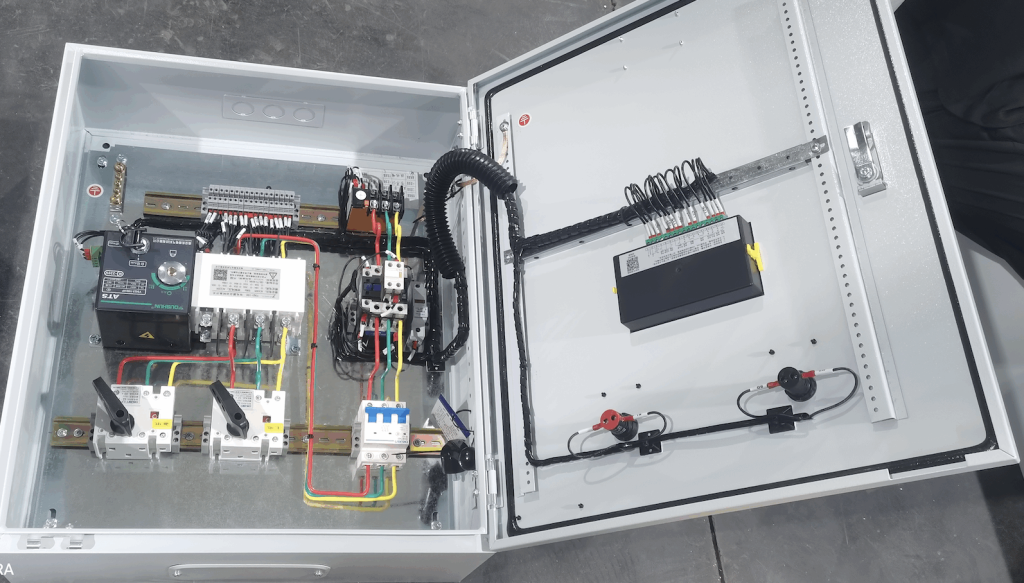
1. What is Switchgear?
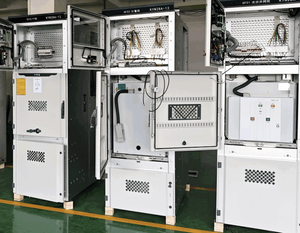
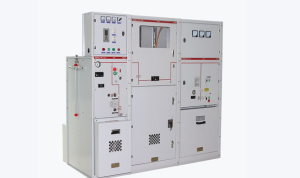
Switchgear is a set of assembled switching and control equipment. It acts as a power hub and main power distribution assembly. It is primarily used to control, monitor, measure and protect power lines and major electrical loads. Switchgear is commonly installed in substations and power distribution rooms.
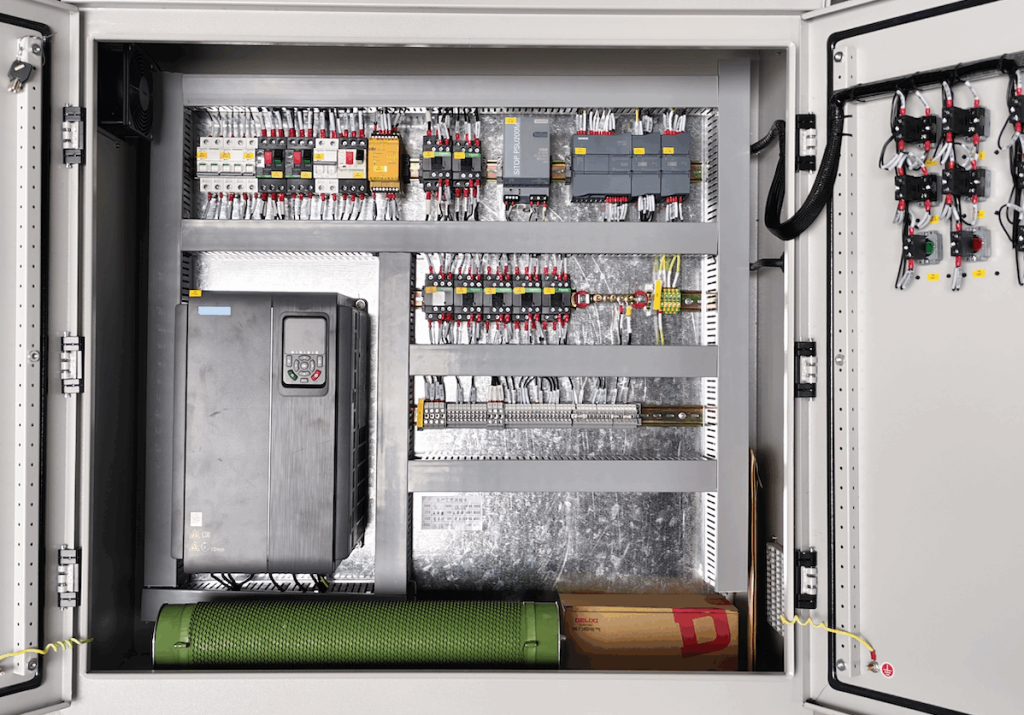
2. What is a Switchboard?
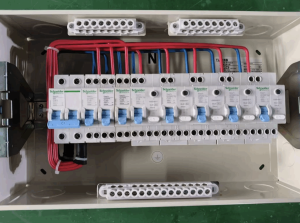
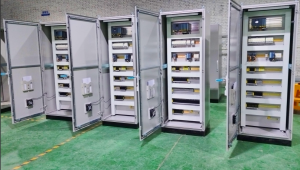
A switchboard is an intelligent electrical control device in power systems. It distributes electricity by connecting incoming power supply circuits to outgoing load circuits to ensure reliable power delivery. A typical switchboard consists of main switches, residual current devices, circuit breakers, contactors, relays, meters and other components.
3. Comparison of Switchgear and Switchboard
| Comparison Item | Switchboard | Switchgear |
|---|---|---|
| Rated Voltage | ≤600V, low-voltage only | Covers low and medium-high voltage (0–38kV) |
| Core Functions | Basic power distribution, simple circuit switching | Power regulation, fault isolation, arc protection and system-level protection |
| Component Types | Standard fixed-type components | Drawout high-end circuit breakers and dedicated protection components |
| Operation | Single-sided access with limited operating modes | Front-and-rear dual-sided access for maintenance |
| Fault Protection | Basic protection against overload and minor short circuits | Full-spectrum protection for all types of low, medium and high voltage electrical faults |
| Applicable Industry Standards | Standards for low-voltage commercial and general industrial distribution | Standards for high/low voltage power projects and substations |
| Service Life | Typically 8–12 years | 15–20 years; higher load tolerance and better stability |
| Maintenance | Simple structure, low maintenance cost and easy operation | Modular construction for targeted troubleshooting; requires professional maintenance |
| Safety Level | General commercial safety rating | Industrial high-voltage safety rating with superior arc-flash and explosion resistance |
| Equipment Cost | Lower price, cost-effective | Higher capital cost, for critical high-end distribution applications |
4. Hierarchical Distinction among Switchgear, Switchboard and Panelboard
4.1 Hierarchy Order
Switchgear (Primary Distribution, Medium/High Voltage Core) > Switchboard (Secondary Low-Voltage Distribution) > Panelboard (Tertiary End Distribution)
4.2 Subtle Differences and Application Scenarios
Switchgear serves as the primary distribution core. It receives incoming medium/high voltage power and provides overall system protection and master control. It is deployed in substations, large heavy-industry plants, data centers and other critical high-load applications.
Switchboard handles secondary power distribution. It receives low-voltage power output from switchgear and distributes power regionally. Typical uses include mixed-use commercial buildings and medium-sized factories.
Panelboards are final-tier end distribution assemblies. They supply power to individual floors, rooms or standalone equipment. Simple construction and low cost make them common in residential buildings and office spaces. Together they build the tiered power distribution framework widely adopted in North America.
5. Selection Guidelines
Drawing on practical engineering experience, equipment selection can be determined based on site operating conditions, power supply requirements, compliance standards and budget. The guidance below can be directly referenced for design, procurement and tender documentation.
5.1 Choose Switchgear for These Scenarios
Large industrial facilities, medium/high voltage substations, Tier-class data centers, hospitals, military installations and rail transit or other critical-load applications; oil, chemical and other demanding environments prone to electrical transients and heavy load shocks; projects requiring uninterruptible power supply, fault tolerance and high safety protection; North American high-end industrial projects requiring UL1558 compliance for overseas acceptance.
5.2 Choose Switchboard for These Scenarios
Office towers, shopping malls, hotels, residential buildings and conventional building distribution; light manufacturing plants and small-to-medium M&E projects with standard low-voltage power distribution; stable operating conditions without heavy load surges and non-critical loads that tolerate short outages; budget-sensitive projects requiring basic power delivery and regulatory compliance at a competitive price.
Frequently Asked Questions
1、Can switchgear and switchboard be used interchangeably?
No. They differ fundamentally in compliance standards, performance parameters, protection ratings and operating limits. Using a switchboard in high-voltage, heavy-load or critical-load applications creates severe safety hazards and will fail UL compliance inspections. Installing switchgear for ordinary low-voltage applications leads to unnecessary capital expenditure and poor economic performance for the project.
2、Is a switchboard high-voltage or low-voltage equipment?
A switchboard is strictly low-voltage equipment with rated voltage ≤600V. It is only designed for low-voltage distribution and cannot handle medium or high voltage. Switchgear covers medium/high voltage plus premium low-voltage applications for broader coverage.
3、What is the core function of switchgear?
Switchgear provides system-level electrical safety protection and master control. It limits cascading outages through precise short-circuit, overload and fault isolation protection to maintain stable power supply for critical loads. It forms the safety backbone of the whole power distribution system.
Conclusion
The core selection logic for switchgear and switchboard is straightforward. Switchboards are preferred for low-voltage, low-risk residential and light commercial distribution to balance practicality and cost. Switchgear must be specified for primary high/low voltage distribution, heavy loads, uninterruptible power, hazardous industrial sites and power infrastructure projects to guarantee safe and stable system operation.
Neither type is inherently superior; each is engineered for different operating environments. During electrical design, equipment procurement and system maintenance, proper selection based on system voltage, load criticality and safety risk delivers the optimal balance of safety, practicality and economy.