1. What Is Switchgear?
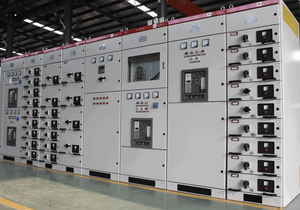
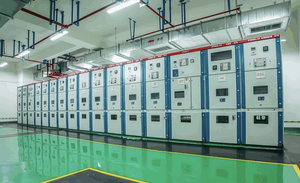
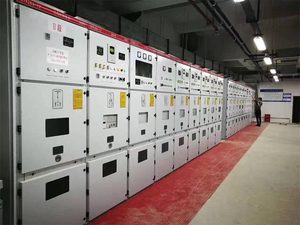
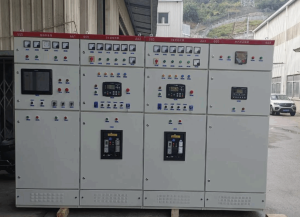
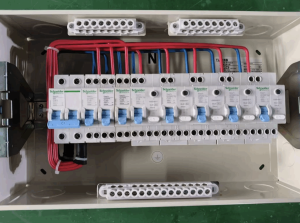
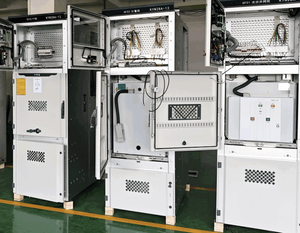
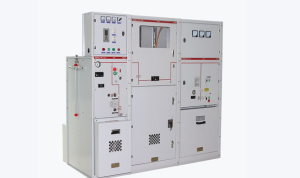
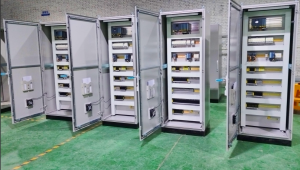
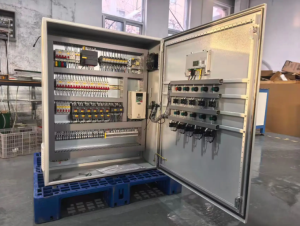
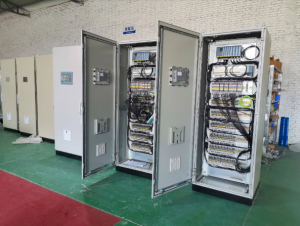
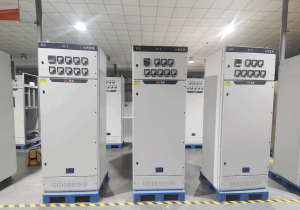
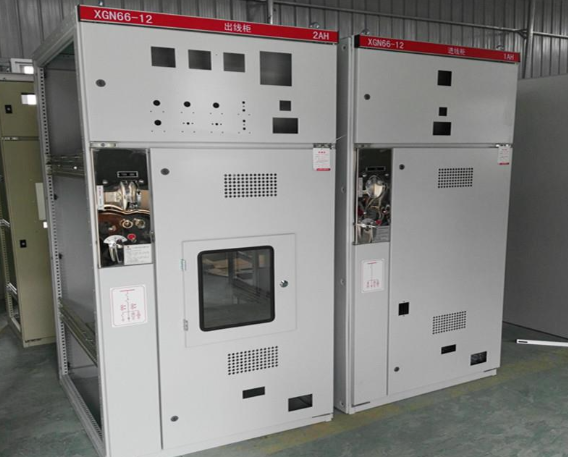
Switchgear is a complete set of power distribution equipment assembled with primary and secondary electrical devices according to a predefined circuit scheme. It controls and protects power lines and equipment. Switchgear generally shares a similar construction, consisting of busbar compartment, circuit breaker compartment, secondary control (instrument) compartment and feeder compartment. Steel partitions normally separate these compartments.
2. Core Functions of Switchgear
- Power switching and load control:This is its fundamental function. Manually or automatically, the equipment closes and opens circuits following power dispatching requirements. It precisely distributes grid loads to match power consumption at different times and ensures stable power system operation. It is widely used for plant equipment startup/shutdown, grid peak shaving and commissioning of electrical assets in daily maintenance.
- Fault protection for power systems:Acting as a safety barrier for power grids, built-in relay protection devices continuously monitor operating conditions. In the event of short circuit, overload, earth fault, abnormal voltage and other faults, the devices trip the faulty circuit within milliseconds. This stops fault current propagation, prevents transformers, cables and loads from burnout, and avoids large-scale power outages.
- Safe circuit isolation:For equipment overhaul, line maintenance or component replacement, the disconnector creates a visible physical break to isolate upstream power supply. It eliminates risks of live work at the physical level and provides a safe working environment for maintenance crews, serving as a critical safety measure during power maintenance.
- Graded power distribution:Switchgear steps down high/medium-voltage incoming power and distributes it into downstream circuits in stages. It enables refined power allocation for large industrial parks, commercial complexes, rail transit, new energy power stations and other sites with diversified loads, ensuring orderly and rational power delivery.
3. Components of Switchgear
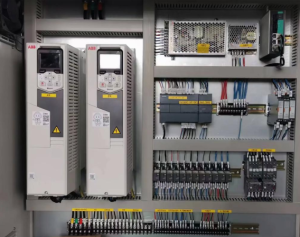
- Measurement & control unit: The “intelligent brain” of high-voltage switchgear. It collects, processes and transmits operational data inside the cabinet to support remote monitoring and automatic control.
- Vacuum circuit breaker: The main power switch. It makes and breaks circuits under load and rapidly cuts off power during faults to contain fault escalation. It is usually motor-operated.
- Current/voltage transformers: Adapt high magnitude electrical signals. Current transformers step down large system currents to standard 1 A or 5 A secondary currents; voltage transformers reduce 10 kV high voltage to 100 V standard low voltage for metering and protection. They also protect personnel and equipment. Important note: CT secondary circuits must never be open-circuited; PT secondary circuits must never be short-circuited.
- Surge arrester: Overvoltage protection shield. It limits incoming transient overvoltage and protects cabinet components from lightning surges.
- Live-line indicator: Visual charged status indicator. Sensors detect high-voltage signals and activate indicator lamps to show whether the compartment is energized, improving maintenance safety.
- Residual current relay: Leakage protection device. It monitors residual current in the circuit and triggers protective trips upon leakage to prevent electric shock and electrical fires.
- Zero-sequence current transformer: Detector for earth faults. It identifies unbalanced three-phase currents and triggers alarms or tripping when a single-phase earth fault occurs.
- Earthing switch: Maintenance safety protector. After the circuit breaker opens, closing the earthing switch forcibly grounds the high-voltage circuit. It guards against accidental incoming power during maintenance to protect field workers.
4. Classification of Switchgear
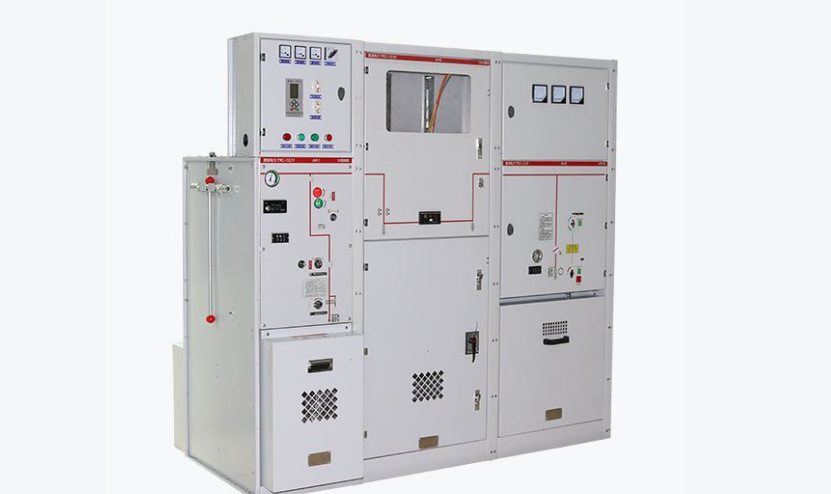
By voltage class
- Low-voltage switchgear: Rated at AC 1000 V and below, including models such as PGL, GGD, GCK, GBD and MNS.
- High-voltage switchgear: Rated above AC 1000 V, including GG-1A, XGN15, KYN48, etc.
- Medium-voltage switchgear: Sometimes the 10 kV subset of high-voltage gear is called medium-voltage switchgear (e.g. XGN15 10 kV ring main unit).
By voltage waveform
AC switchgear and DC switchgear.
By internal construction
- Withdrawable switchgear: e.g. GCS, GCK, MNS
- Fixed-type switchgear: e.g. GGD
By application purpose
Incoming feeder cabinet, outgoing feeder cabinet, metering cabinet, reactive power compensation cabinet (capacitor cabinet), corner cabinet, busbar cabinet.
5. Working Principles of Switchgear
In essence, switchgear controls and protects power systems through switching devices and protective components to maintain normal grid operation.
- Control circuit: Enables operators to energize, de-energize, isolate and maintain controlled electrical equipment.
- Protection circuit: Electrical protection against overcurrent, short circuit, undervoltage, overvoltage, earth faults and other abnormal conditions.
- Measurement circuit: Uses current and voltage transformers to measure electrical parameters including voltage, current and power factor.
- Distribution circuit: Switches power sources and distributes electricity to supply loads across the power system.
- Sensor module: Modern highly automated units incorporate sensor modules for precise detection.
In summary, switchgear is critical equipment for protection and control within power systems. Its configuration of functional modules and sensors varies with application, but it generally features similar core hardware: switches, distribution devices, protection and metering instruments.
6. Application Scenarios of Switchgear
In power generation: widely deployed at thermal, hydro, photovoltaic, wind and other power plants, plus urban main substations and regional distribution substations for power transmission, dispatching and protection.
In industry: suitable for large manufacturing plants, mines, petrochemical facilities, data centers and other heavy-load sites to guarantee stable industrial power supply.
In municipal & building sectors: used in commercial complexes, high-rise office buildings, residential communities, rail transit, airports and other public infrastructure distribution systems.
It also acts as essential supporting equipment for emerging power sectors including energy storage, EV charging stations and smart grids.
Frequently Asked Questions
Q1: What is the difference between intelligent switchgear and conventional switchgear?
Conventional switchgear relies primarily on mechanical structures, only supporting basic circuit switching and fault protection without data monitoring or remote control functions. Intelligent switchgear integrates IoT, sensing and big data technologies. It collects real-time grid operating data, enables remote control of distribution loops, provides early warning of potential faults and realizes intelligent maintenance, making it a perfect fit for smart power grids, new energy projects and data centers.
Q2: How to select between low voltage and medium voltage switchgear?
Selection is based on operating voltage, load capacity and application scenarios. LV switchgear is chosen for residential and small commercial projects with voltage below 1kV. MV switchgear applies to industrial plants, medium-sized distribution substations and public buildings with voltage ranging from 1kV to 75kV. Meanwhile, equipment type shall be matched according to working environment, protection grade and insulation requirements.
Q3: What are the core principles for switchgear selection?
Equipment selection shall take five key factors into consideration: voltage level, short-circuit withstand capacity, insulation medium, protection rating and operating environment. Meanwhile, the rated load capacity, maintenance requirements and industrial standards must be matched. Prioritize products that fit specific scenarios with high stability, superior safety and easy maintenance to secure long-term reliable operation.
Conclusion
Switchgear represents core integrated power distribution equipment in transmission and distribution systems. Supported by three core functions (control, protection and isolation), it runs through the full lifecycle of power generation, transmission, distribution and end consumption. With diversified specifications and strong adaptability via different voltage classes and insulation media, switchgear is extensively used in power infrastructure, manufacturing, commercial facilities and new energy industries.