Material: carbon steel
Color: Gray
Place of Origin: Shanxi, China
Application: Industrial
Product Category: Automatic Transfer Switch
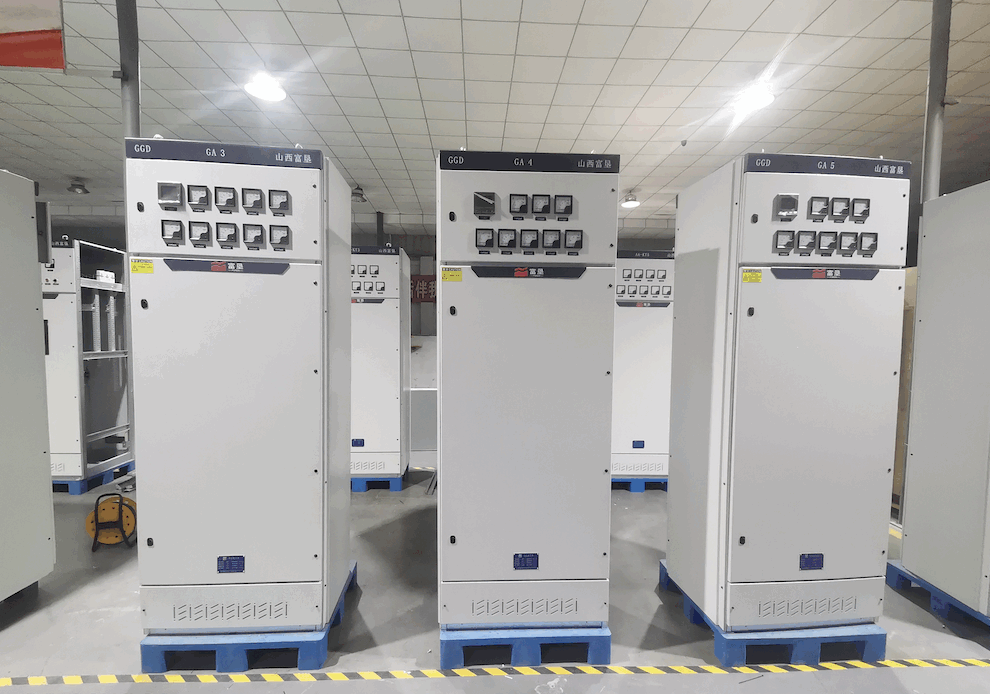
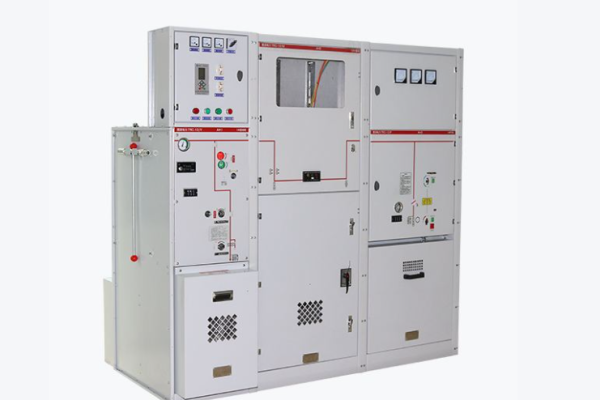
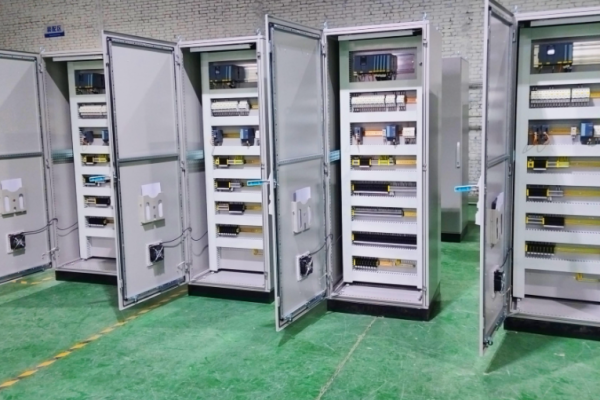
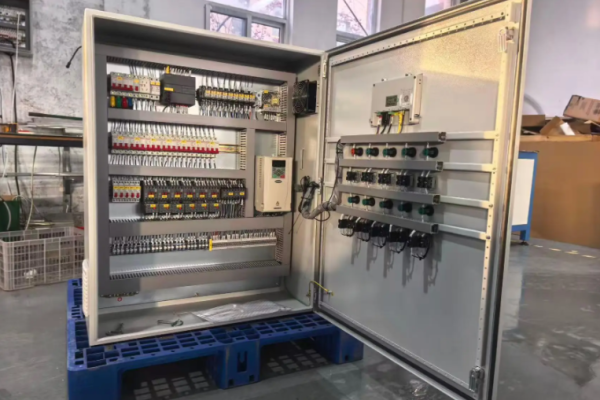
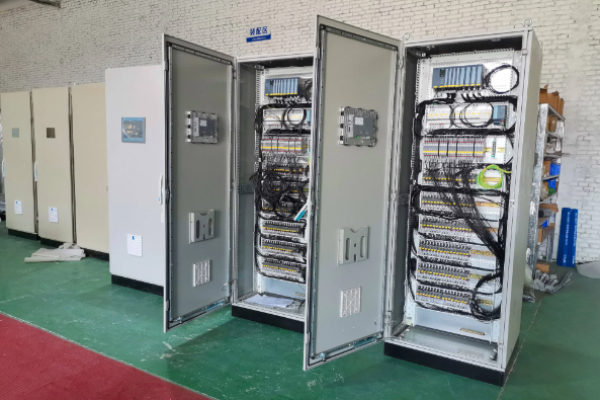
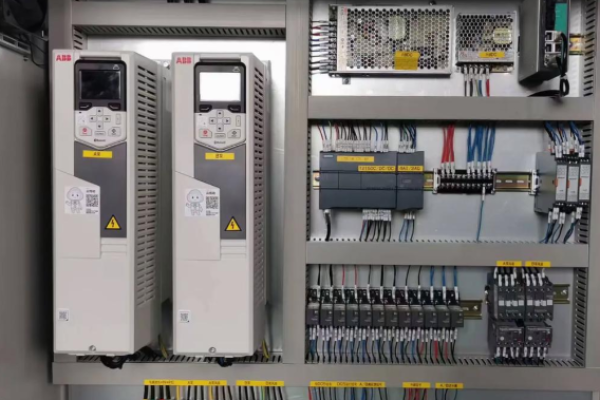
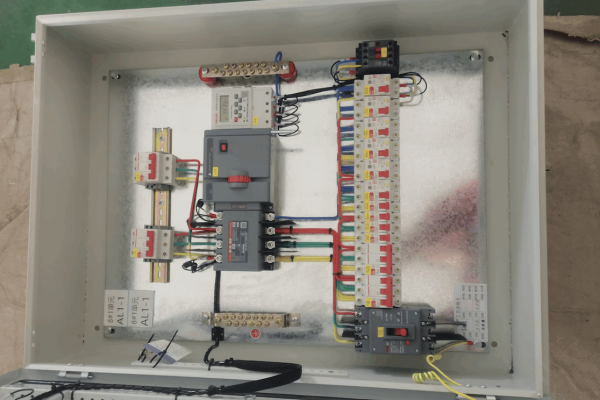
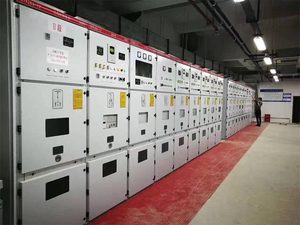
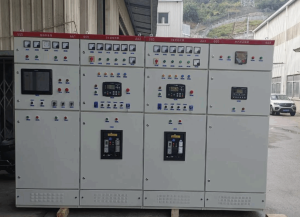
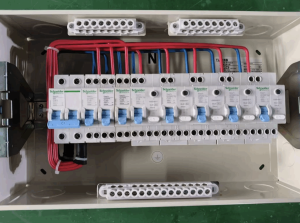
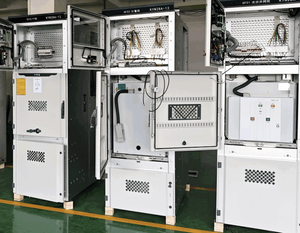
This 380V/220V dual‑power ATS automatic transfer cabinet is applicable to AC 380V/220V three‑phase four‑wire distribution systems. It provides automatic transfer between two power sources, supporting compatible switching between 380V three‑phase power and 220V single‑phase power, as well as automatic transfer between two sets of 380V/220V power supplies. Built with a modular design, it incorporates ATS switch, circuit breakers, MCB outgoing circuits and protective components. It offers multi‑protection including overload, short‑circuit, earth‑leakage, over‑voltage and under‑voltage protection. Capable of delivering dual‑power backup for both three‑phase and single‑phase equipment simultaneously, it suits complex power‑consumption conditions.
‑ Rated Voltage: AC 380V/220V
‑ Rated Current: 100A ~ 630A (customizable)
‑ Poles: 4P
‑ Protection Class: IP30 (IP55 available upon customization)
‑ Short‑circuit Withstand Current: ≥20kA‑80kA
‑ Transfer Modes: automatic restore after mains return / non‑automatic restore
‑ Transfer Time: 2‑30 seconds (adjustable)
‑ Operating Temperature: ‑20℃ ~ 55℃
‑ Compliance Standards: IEC 60947‑6‑1, GB 7251.1
‑ Protection Functions: over‑voltage, under‑voltage and phase‑loss monitoring; overload, short‑circuit and earth‑leakage protection
‑ Outgoing Circuits: configurable with both 380V three‑phase circuits and 220V single‑phase circuits
‑ Optional Features: fire‑alarm interlock, remote monitoring, energy metering
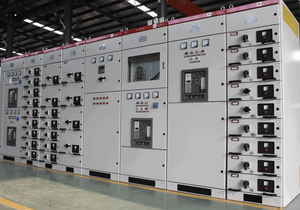
① Compatible with both 380V three‑phase and 220V single‑phase distribution. It supplies dual‑power backup for three‑phase power equipment together with single‑phase lighting and socket‑connected loads. Separate single‑phase ATS cabinets are no longer required, which simplifies distribution system design and reduces overall costs.
② Automatic dual‑power transfer. Real‑time voltage monitoring is performed on both incoming power sources. Transfer triggers automatically upon power anomalies without manual intervention to maintain uninterrupted power supply for all loads.
③ Modular architecture enables flexible configuration of 380V three‑phase and 220V single‑phase outgoing circuits to match diverse equipment power requirements. Circuit layout can be adjusted as load conditions change.
④ Comprehensive protection suite covering over‑voltage, under‑voltage, phase‑loss, overload, short‑circuit and earth‑leakage. Three‑phase and single‑phase circuits are independently protected; only the faulty circuit trips while the rest of the system keeps running.
⑤ Multiple transfer modes are selectable. Automatic‑restore or non‑automatic‑restore modes can be configured according to site requirements to satisfy different power‑supply objectives.
Floor‑level power distribution for buildings with mixed three‑phase and single‑phase loads, including shopping malls, office buildings, hotels, factory workshops, hospitals and schools; emergency‑power applications requiring both 380V power supply and 220V lighting supply; workshop power distribution for small‑scale industrial enterprises; individual power distribution for retail units within commercial complexes.
Q1: Can this 380V/220V dual‑power ATS transfer cabinet feed three‑phase and single‑phase equipment at the same time?
A: Yes. This unit supports both 380V three‑phase and 220V single‑phase distribution. Outgoing circuits can combine 380V three‑phase branches and 220V single‑phase branches, providing simultaneous dual‑power backup for three‑phase power equipment and single‑phase lighting & socket loads.
Q2: Is the transfer time adjustable?
A: Yes. Transfer time can be freely set within the range of 2‑30 seconds. Suitable transfer delay can be configured based on load characteristics to ensure safe and stable power‑switching operations.
Q3: Does manual transfer mode get supported?
A: Yes. Both automatic and manual transfer modes are available. Manual mode can be activated for emergency handling if the automatic function fails. Dual mechanical and electrical interlocks are implemented to prevent mis‑operation.
Need help? Our team is just a message away