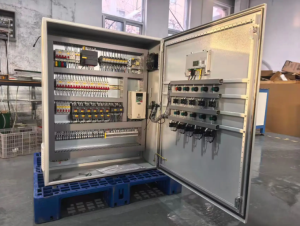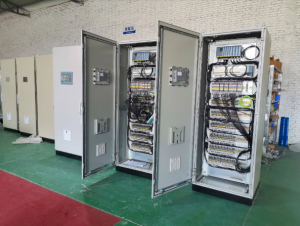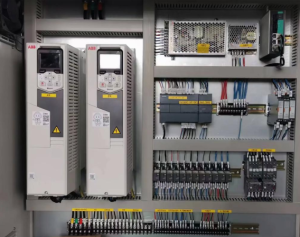
In 12V DC electrical systems for RV modifications, marine vessels, car audio, off-grid solar power and outdoor surveillance, users often face a common problem. As more devices are added, wiring becomes messy. Exposed cables not only look untidy but also bring potential safety hazards such as short circuits, overloads and overheating. Once a circuit failure occurs, tangled wires will greatly complicate troubleshooting and may even damage expensive electrical equipment.
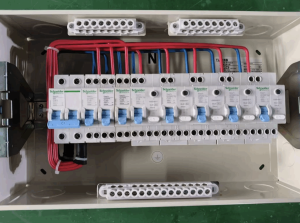
A 12 volt power distribution box is an essential component to resolve wiring issues in low-voltage DC systems. It splits power from a single source into multiple independent circuits, and works with fuses and protective switches to deliver separate circuit safety control. It is a must-have device for building and upgrading 12V low-voltage electrical systems.
This article elaborates on the core functions, category differences, professional selection tips, standard wiring procedures and scenario-based purchasing recommendations for 12V power distribution boxes based on practical application scenarios.
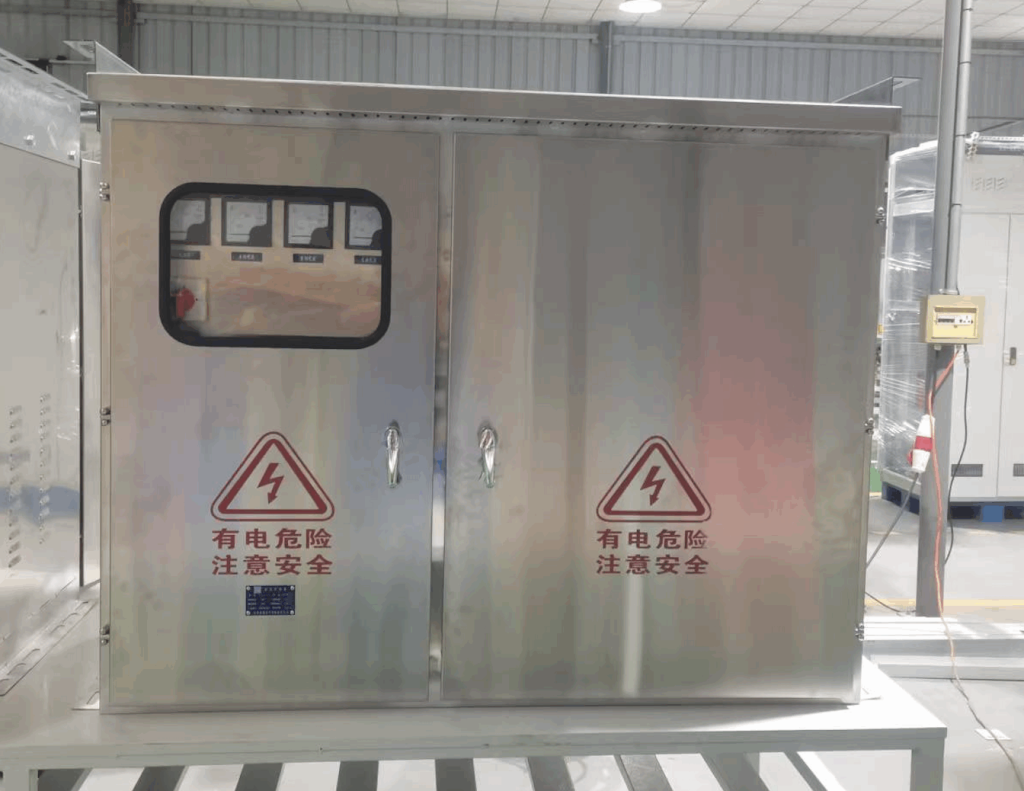
1. Uses and Application Scenarios of 12 Volt Power Distribution Boxes
Many beginners wonder if a power distribution box is necessary for regular 12V circuits. For a single device with simple wiring, it is not required. However, when multiple devices are connected in parallel, a disorganized power distribution structure will severely compromise circuit safety and stability. Centered on safety protection, neat wiring and easy maintenance, 12 volt power distribution boxes serve as key safety components for low-voltage DC electrical systems.
1.1 Core Functional Advantages
- Overload and Short Circuit Protection for Separate Circuits: Each output circuit is fitted with an independent fuse. If a single circuit suffers overload or short circuit, only the corresponding branch will power off for protection, without affecting the operation of other devices in the whole system. This effectively prevents total power failure and cable burnout.
- Neat Wiring Layout: It replaces messy parallel flying wires and gathers all cables in one place. Tangled wiring is eliminated, which greatly reduces the risk of circuit faults.
- Efficient Troubleshooting: Most professional distribution boxes are equipped with LED fault indicators. The light will turn on once a fuse blows, helping users locate the faulty circuit quickly without checking wires one by one and improving maintenance efficiency.
- Flexible System Expansion: Reserved ports allow users to add new 12V electrical devices later without modifying the main circuit, perfectly adapting to equipment upgrades.
1.2 Main Application Scenarios
Designed exclusively for low-voltage DC systems, 12 volt power distribution boxes are widely used in outdoor, vehicle-mounted and off-grid power supply environments. Typical applications are listed below:
- RV and Camper Van Modification: Centralized power supply for interior lights, water pumps, refrigerators, fans and other onboard devices.
- Marine and Yacht Power Systems: Powering marine navigation devices, lights, water pumps and communication equipment, suitable for humid and salt-laden environments at sea.
- Car Audio System Upgrade: Stabilizing power supply for car amplifiers and subwoofers to avoid insufficient power and current interference.
- Off-Grid Solar Power Systems: Distributing power for lights, surveillance cameras and small energy storage devices in outdoor photovoltaic setups.
- Outdoor Security Surveillance: Delivering stable and safe multi-channel power for 12V surveillance cameras and fill lights in open areas.
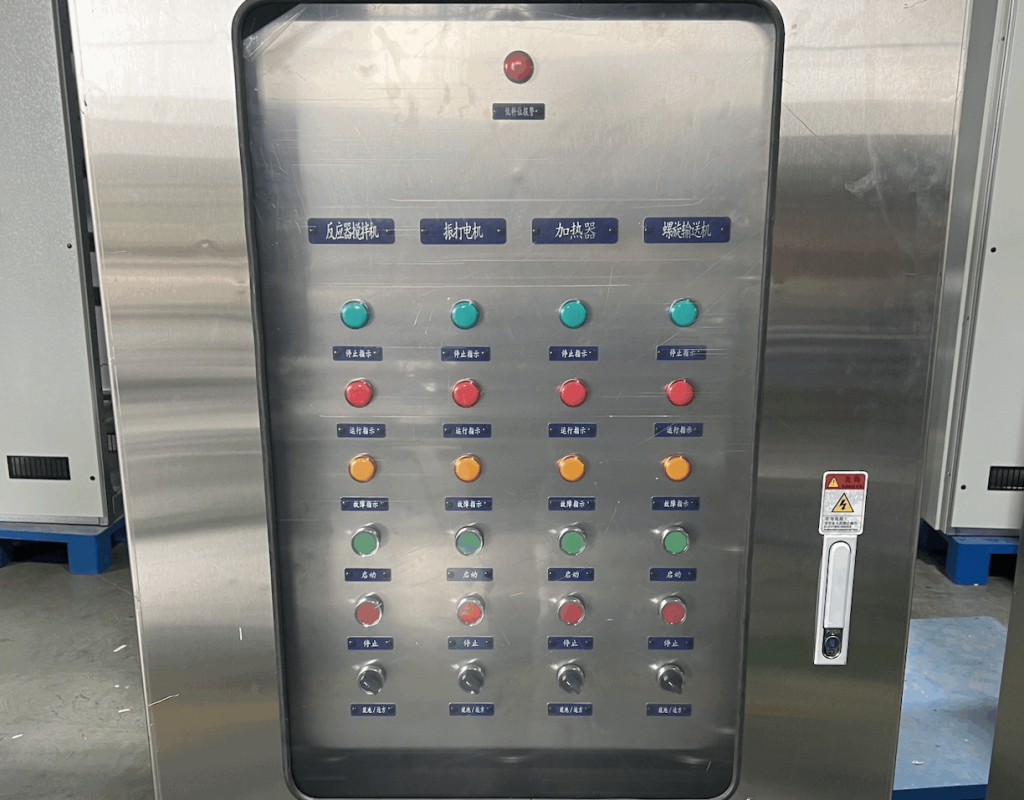
2. Comprehensive Selection Guide for 12 Volt Power Distribution Boxes
Improper selection of channel quantity, rated current, ingress protection rating or functional configurations will lead to tripping, unstable power supply and moisture damage. Combined with industrial standards and user demands, here is a complete guide on parameter matching.
2.1 Selection by Channel Quantity
Common specifications include 4-way, 8-way and 12-way models. Choose according to the number of operating devices, and reserve 2 to 3 spare ports for future expansion:
- 4-way: Ideal for simple vehicle modifications and small surveillance systems with no more than 4 devices.
- 8-way: The mainstream universal option, suitable for most RVs, small vessels and regular outdoor power distribution.
- 12-way: Perfect for RVs with numerous electrical appliances, large marine vessels and complete off-grid solar systems with complex power distribution demands.
2.2 Selection by Rated Current
The total rated current of the distribution box must exceed the maximum operating current of all connected devices. It is recommended to leave a surplus of over 30% to prevent accelerated aging caused by long-term full-load operation. The application of mainstream 30A, 60A and 100A models is as follows:
- 30A: For light-load devices such as low-power lights, surveillance cameras and small water pumps.
- 60A: The preferred general model for full sets of interior equipment in standard RVs and medium and small electrical devices on ordinary vessels.
- 100A: Designed for heavy-load scenarios including high-power car audio systems, large water pumps and complete photovoltaic energy storage systems.
2.3 Ingress Protection Rating and Material Selection
The ingress protection (IP) rating determines the equipment’s durability against harsh environments, complying with the standard GB/T 4208. IP40 is applicable to dry indoor environments for basic dust prevention. For outdoor settings, vehicles and marine environments with high humidity and salt spray, select models with IP54 or higher ratings, which deliver excellent protection against dust, splashing water and salt corrosion.
Housings made of flame-retardant engineering plastic or aluminum alloy are preferred. Such materials feature shock resistance, compression resistance and flame retardancy, adapting to bumpy vehicle operation and harsh outdoor conditions.
2.4 Optional Practical Features
- Mandatory Feature: Independent fuses for each circuit, which are essential for circuit safety.
- Recommended Feature: LED fault indicators to quickly identify faulty circuits and simplify maintenance.
- Advanced Feature: Independent circuit switches to control the power of single devices without disconnecting cables.
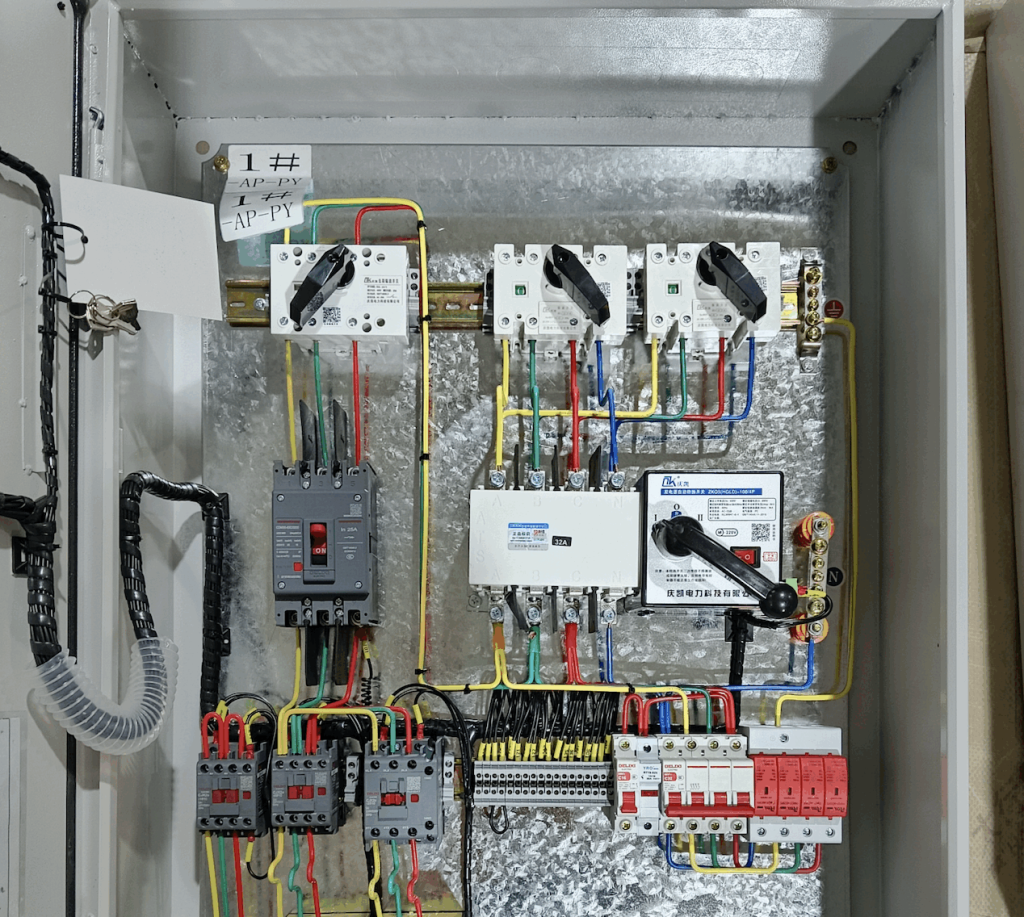
3. Step-by-Step Wiring Guide for Beginners
The wiring process for 12V DC power distribution boxes follows standardized procedures. Beginners can operate directly by following the rules: power off before operation, connect main circuits first then branch circuits, and wire positive poles before negative poles, to avoid common problems like short circuits and reversed polarity.
3.1 Pre-installation Preparation
Prepare copper wires of appropriate gauges, cable lugs, electrical tape, screwdrivers and a multimeter. Ensure all devices are fully powered off and never perform wiring with live current. Select proper wire gauges based on circuit current; use cables of 2.5 mm² or above for high-power devices to prevent overheating. Also verify that the voltage and current parameters of the distribution box match the whole electrical system.
3.2 Standard Wiring Procedures
- Connect the main power supply: Connect the positive main cable from the battery or power source to the main positive terminal of the distribution box, and the negative main cable to the main negative terminal. Tighten all screws firmly to avoid loose connections and overheating.
- Wire branch devices: Connect the positive and negative cables of each electrical device to the corresponding output terminals of independent branches. One branch serves only one device; never connect multiple devices to a single branch.
- Install fuses: Equip each branch with fuses matching the rated current of the connected device. Never use undersized fuses for high-current circuits, otherwise the protection function will fail.
- Power on and test: Double-check all wiring to rule out wrong connections, loose terminals and short circuits. Switch on the power gradually and activate each device one by one. If all equipment runs normally and no overheating occurs, the installation is completed.
3.3 Common Wiring Mistakes and Solutions
- Mistake 1: Reversed positive and negative poles Solution: Check cable polarity with a multimeter before powering on to prevent device damage.
- Mistake 2: Overloading a single branch with multiple devices Solution: Distribute devices strictly according to the rated current of each branch. Expand circuits in time in case of overload.
- Mistake 3: Mismatched fuse specifications Solution: Use small-current fuses for light loads and large-current fuses for heavy loads as required.
- Mistake 4: Loose wiring connections Solution: Tighten terminal screws during installation and inspect cable connections regularly.
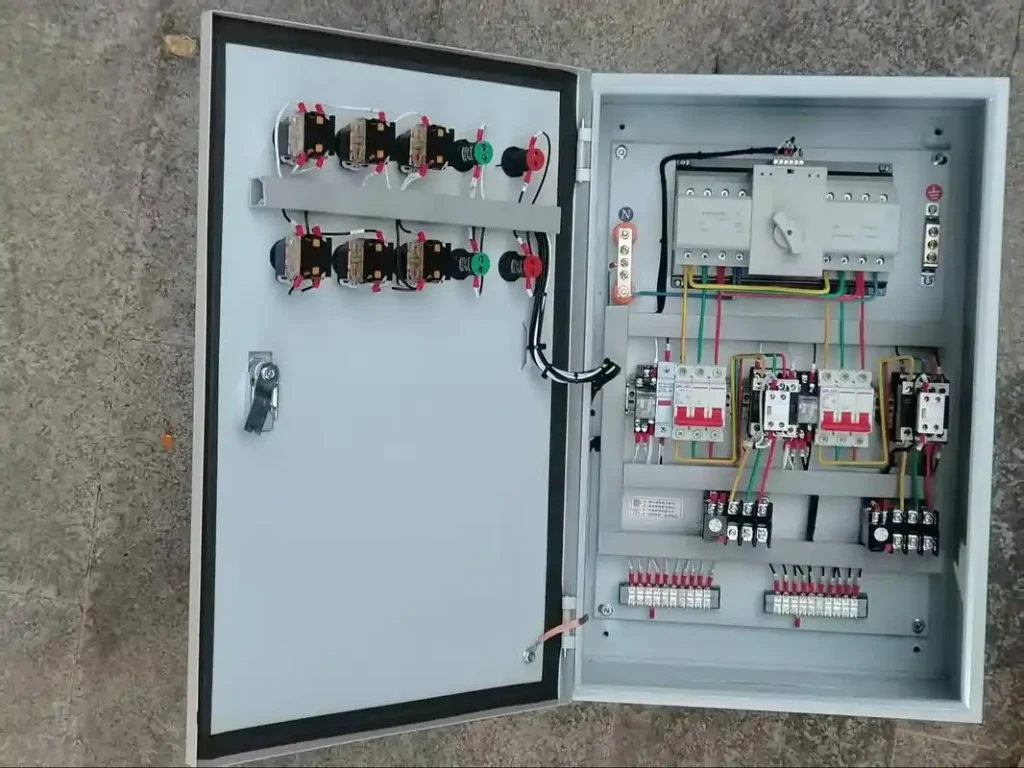
4. Scenario-Based Recommendations for 12 Volt Power Distribution Boxes
Below are targeted product suggestions for different environments and load requirements, balancing safety, practicality and cost performance.
4.1 Waterproof Models for Marine and Outdoor Use
Choose heavy-duty distribution boxes with an IP rating of IP54 or above and salt-spray resistance. Equipped with sealed waterproof covers, they withstand humid, dusty and highly corrosive marine environments. Models with LED fault indicators are ideal for all-weather use on vessels and outdoors.
4.2 Compact Models for Vehicles and Car Audio
Select lightweight and shock-resistant compact distribution boxes. They take up little interior space and adapt to bumpy driving conditions. With flame-retardant housings, they ensure stable power supply for vehicle lights, audio systems and other onboard electrical appliances.
4.3 Heavy-Duty Models for RVs and Solar Power Systems
8-way or larger models with a rated current ranging from 60A to 100A are recommended. Supporting power supply for multiple devices simultaneously and fitted with independent switches and comprehensive overload protection, they meet the long-term stable power demand of RV interior equipment and solar energy storage systems, and allow easy system expansion.
4.4 Cost-Effective Basic Models for Beginners
Novice DIY users can opt for basic 4-way or 8-way distribution boxes. Featuring standard fuse protection and LED indicators, they are simple to install and cost-efficient, fully meeting the demands of simple modifications and small-scale power distribution.
5. Frequently Asked Questions
5.1 Is a power distribution box mandatory for 12V DC systems?
It is unnecessary for a single low-power 12V device with direct wiring. However, a distribution box is a must for systems with multiple parallel devices, long-term outdoor operation and RV or marine modifications. Its separate circuit protection effectively eliminates short circuits and overload risks, acting as a vital safety barrier for low-voltage DC systems and reducing circuit faults and equipment damage.
5.2 How to choose the right specification for a 12 volt power distribution box?
First, calculate the total number and maximum operating current of all electrical devices. The device quantity determines the required channel number (reserve 2 to 3 spare ports for expansion). Add a 30% current surplus to the total operating current to get the required rated current. Finally, select a proper IP rating based on the operating environment.
5.3 Can a 12 volt power distribution box be used for solar power systems?
Yes, it is fully compatible. The batteries and loads of 12V off-grid solar systems all operate on low-voltage DC power. A matching distribution box enables centralized power distribution and circuit protection for multiple loads, organizes wiring and simplifies maintenance. It has become a standard accessory for small off-grid solar systems.
5.4 Why do fuses blow frequently in the distribution box?
Frequent fuse burnout is mainly caused by overloaded single circuits, internal short circuits of devices, loose or leaky wiring and improperly sized fuses. To troubleshoot, cut off the power of the faulty branch first, disconnect the connected device and check its power load. Inspect cables for damage and short circuits, then replace with correctly sized fuses. Never operate circuits under overload conditions.
Conclusion
As a core component for safety and power distribution in low-voltage DC systems, 12 volt power distribution boxes are widely applied to RVs, marine vessels, vehicle modifications, off-grid solar power and outdoor surveillance, thanks to their separate circuit protection, neat wiring layout, easy troubleshooting and expandable design.
There is no need to pursue oversized or over-equipped products blindly. Just select a distribution box with proper channels, rated current and IP rating according to the number of devices, total load current and operating environment to achieve safe and stable power distribution.
Standard wiring procedures and routine maintenance can extend the service life of the distribution box and avoid circuit failures. Whether for DIY modifications or small-scale engineering power distribution projects, a well-matched 12 volt power distribution box is the key to reliable operation of low-voltage DC systems.
References
- GB/T 4208, Degrees of protection provided by enclosures (IP Code)
- Industrial specifications for installation, operation and maintenance of low-voltage DC power distribution systems
- Technical standards for protection and installation of low-voltage electrical equipment for vehicles and marine vessels