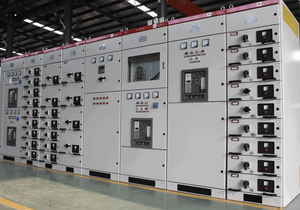
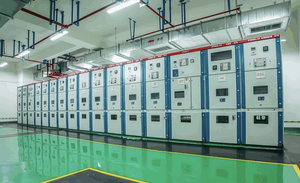
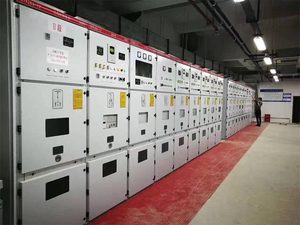
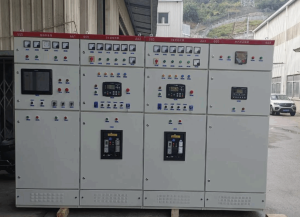
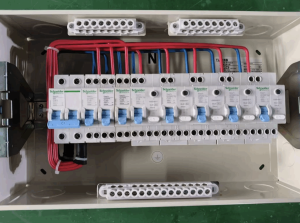
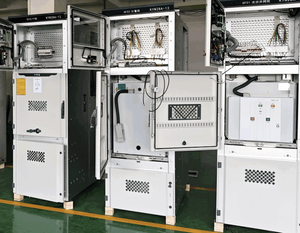
Control box for irrigation system

Automatic Transfer Switch

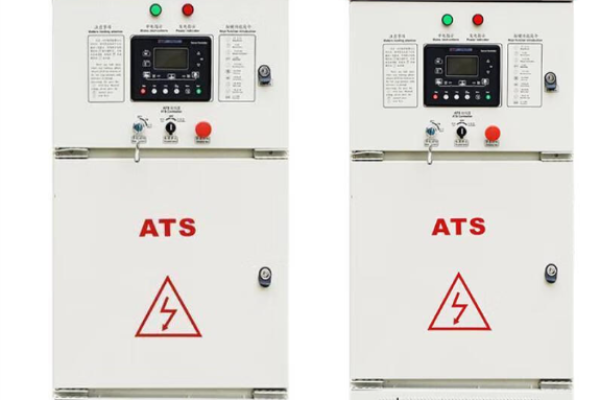
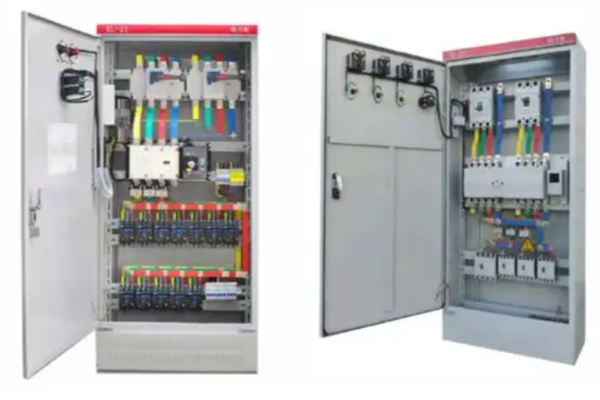
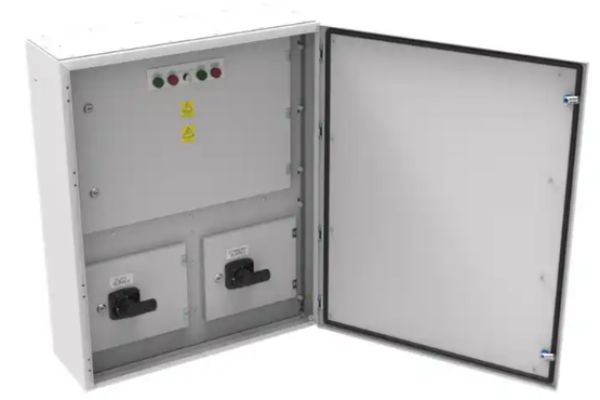
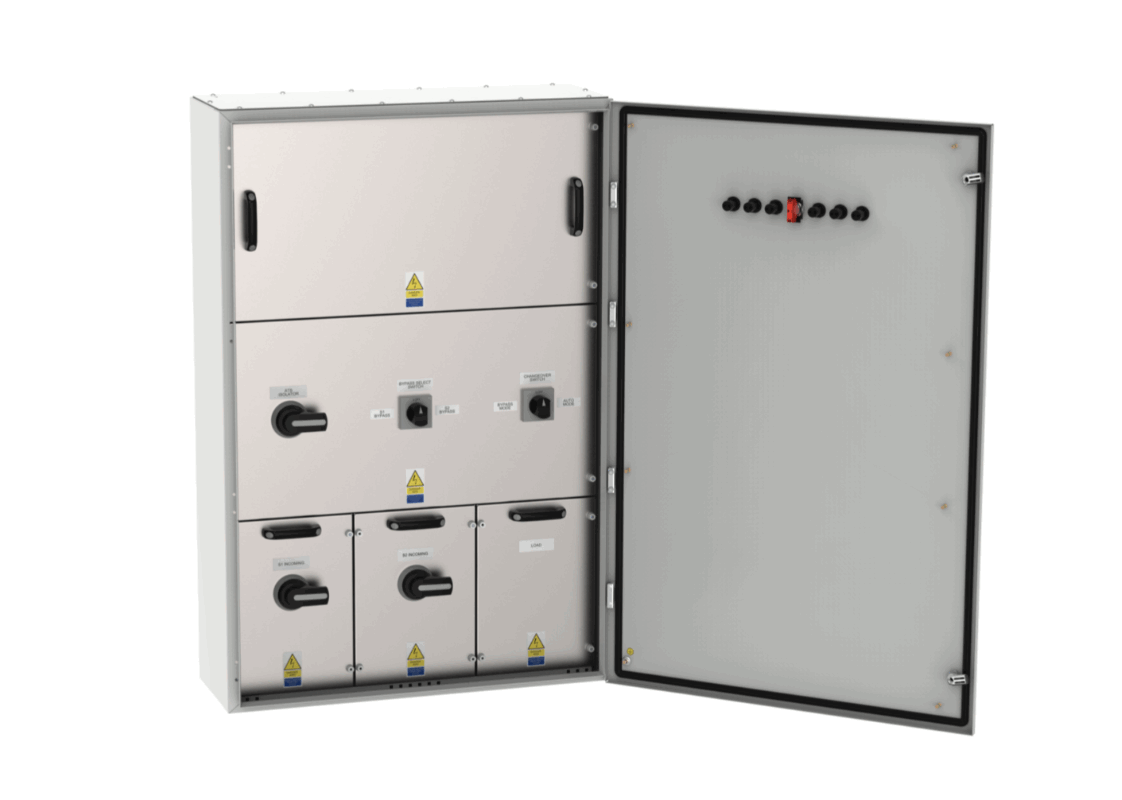
Shanxi Fukun Electric automatic transfer switch (ATS) is specially designed for dual‑power supply systems. It monitors the status of two power sources in real time and switches to the standby power supply within milliseconds when the main power fails, ensuring uninterrupted power supply for critical loads.Equipped with mechanical and electrical double interlocks for reliable safety protection, it supports automatic and manual modes. Compact and easy to install, it is suitable for industrial, medical, data center, municipal fire‑fighting and other scenarios. Customization is available in compliance with international electrical safety standards. Welcome to inquire!

Automatic Transfer Switch for Sale

We provide you with various models and specifications of automatic transfer switch!

What is Automatic Transfer Switch

An Automatic Transfer Switch (ATS) is a specialized electrical device for dual‑power distribution systems. It monitors the power status of the main and standby power sources in real time. When the main power encounters failures such as power outage, undervoltage or phase loss, it automatically switches quickly to the standby power supply to ensure uninterrupted power for critical equipment. Featuring mechanical and electrical double interlocks, it prevents short‑circuit caused by parallel connection of two power sources and supports automatic and manual control modes.
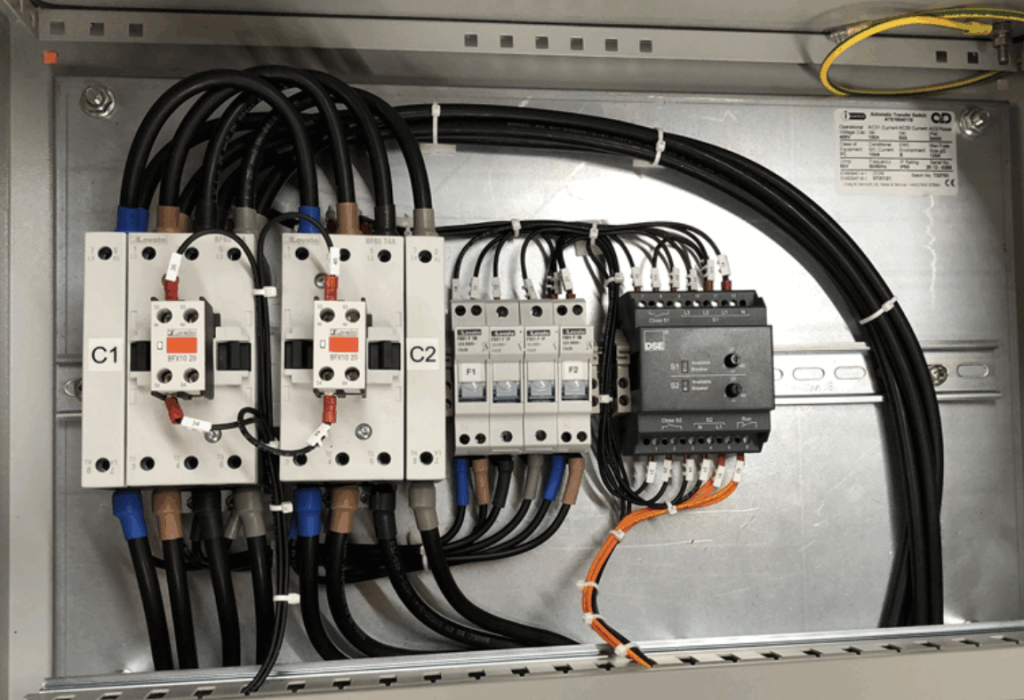
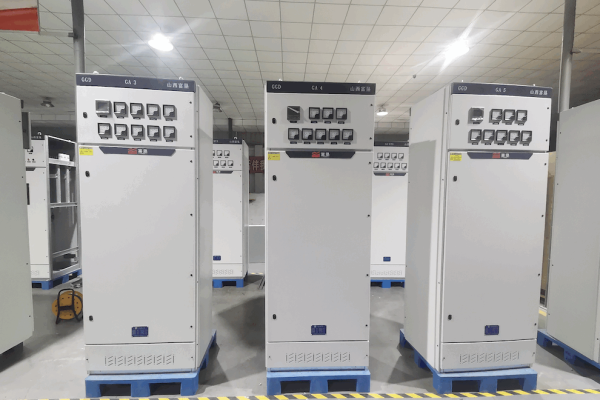
Automatic Transfer Switch

Get your exclusive automatic transfer switch solution!

Our Automatic Transfer Switch Advantages

 
1.

Dual‑Conversion Capability

This 380V/220V, 50/60Hz Automatic Transfer Switch (ATS) panel achieves seamless power switching, adapts to multi‑voltage working conditions, and ensures stable and efficient power supply for various scenarios.

2.

Reliability & Durability

Made of premium‑grade materials for long‑lasting stable performance, this ATS panel withstands frequent operation and harsh environments to deliver consistent power supply for core systems.

3.

Automatic Switching

In case of power outages or supply faults, the ATS panel automatically switches power circuits to maintain continuous power for downstream equipment and effectively reduce downtime losses.

4.

Customization Options

Supporting multiple specifications, this ATS panel can be customized to meet exclusive user requirements, including ATS automatic transfer functions and control panel specifications for various application scenarios.

Frequently Asked Questions

How does ATS work in electrical?

The core function of an Automatic Transfer Switch (ATS) is to monitor parameters such as voltage, frequency and phase of two power sources in real‑time. Under normal conditions, the main power supply feeds the loads. When the main power fails due to power outage, undervoltage, phase loss or overload, the internal controller of the ATS rapidly triggers the mechanism to switch automatically to the standby power supply.

Equipped with mechanical and electrical double interlocks, it prevents short‑circuit caused by parallel connection of two power sources. Continuous monitoring is maintained after switching, and it can switch back automatically once the main power is restored to ensure uninterrupted power supply.

An Automatic Transfer Switch (ATS) is not the same as an Uninterruptible Power Supply (UPS). The ATS is a power‑switching device that only switches to the standby power supply when the main power fails, with a brief power interruption during switching. In contrast, a UPS has built‑in energy‑storage batteries and supplies power instantly after an outage to achieve zero‑interruption power supply. They are often used together: the UPS ensures instantaneous power supply, while the ATS handles long‑term switching between main and standby power sources, jointly guaranteeing stable operation of critical equipment.

ATS installation requires standard cabinet mounting and reliable earthing. Separate the main power, standby power and load circuits, fasten wiring after phase‑sequence verification, adjust parameters such as switching delay, and test double interlocks and switching functions.

For routine maintenance, regularly remove dust, inspect terminals, contacts and indicators, and check for overheating or loose connections. Simulate power outages periodically to test switching performance and replace aging components promptly to ensure reliable operation during faults.

You should first provide us with detailed technical specifications, SLD (single line diagram), or relevant drawings through the following methods.
You can reach out to our sales team anytime via email, WeChat, WhatsApp, or phone to obtain a quotation and engage in further discussions.

Knowledge

Contact Our Expert Team

Address:

No.1 Zhanbei Road, Puyuan District, Taiyuan City, Shanxi Province, China

Side Contact Form